
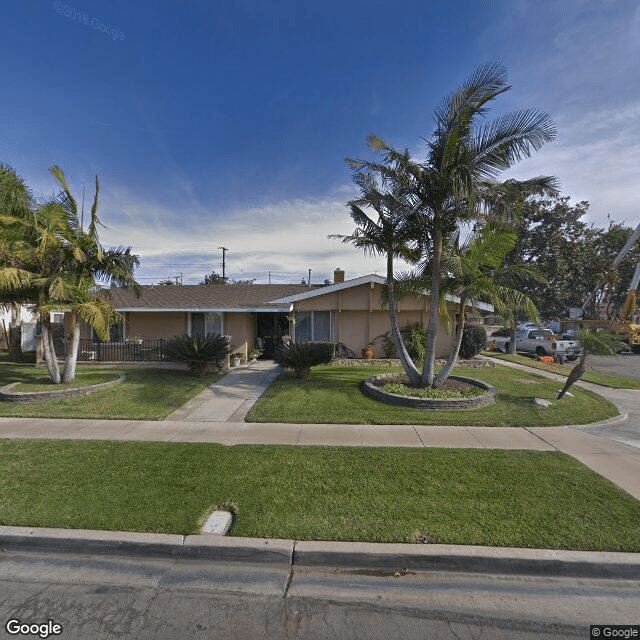
506 North Royal Street, Anaheim, CA 92806
For more information about senior living options: (866) 208-4318
Helpful Care Home Costs & Pricing
Helpful Care Home offers competitive pricing for its services, particularly when compared to both Orange County and the broader California market. For a semi-private room, residents pay $2,500 per month, significantly lower than the county average of $3,431 and the state average of $3,333. Similarly, the cost for a private room at Helpful Care Home is set at $3,000, which again undercuts both Orange County's rate of $4,104 and California's average of $3,939. This pricing structure positions Helpful Care Home as an appealing choice for those seeking quality care without the burden of excessive costs often associated with assisted living facilities in the region.
| Floor plans | Helpful Care Home | Orange County | California |
|---|---|---|---|
| Semi-Private | $2,500 | $3,431 | $3,333 |
| Private | $3,000 | $4,104 | $3,939 |
Assisted Living communities with a similar price nearby
-
from +$300 / mo
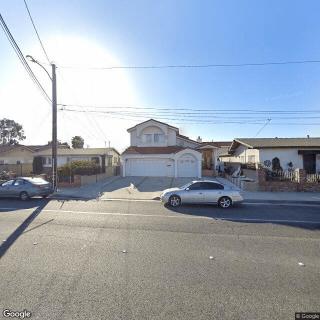
Leah Loving Elderly Care
$2,800 to $3,000 / month10.2 miles away -
from +$200 / mo
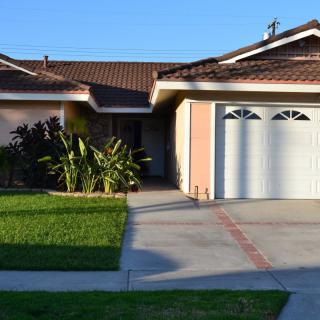
Loving Care Senior Home
$2,700 to $3,500 / month11.7 miles away -
from +$350 / mo
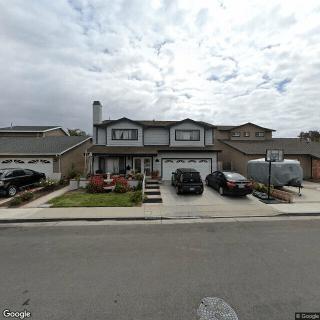
Alternative Senior Care - Freshwater
$2,850 to $3,250 / month12.9 miles away -
from +$300 / mo

Bianca's Home Care
$2,800 to $3,400 / month24.6 miles away -
from +$200 / mo

The Golden Years Guest Home
$2,700 to $3,500 / month7.5 miles away
Overall Review of Helpful Care Home
Pros
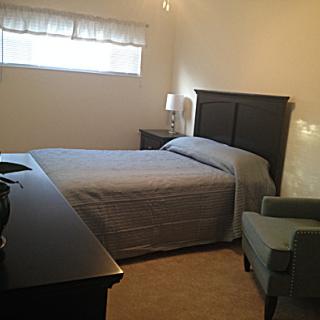
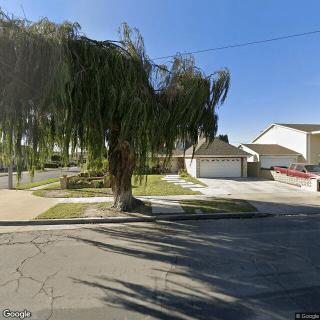
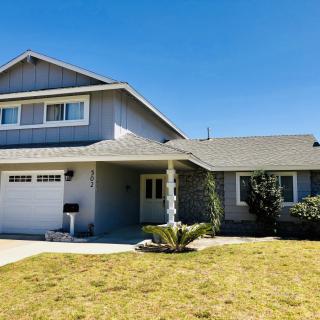
 Helpful Care Home is described as a beautiful, quiet, lovely, and tasteful home with plenty of flowers and plants, a welcoming entrance, and comfortable rooms.
- Monica and her staff are said to go above and beyond required care, making the house feel like it is full of relatives.
- Monica is noted for genuine concern and affection, running her business by The Golden Rule.
- Evergreen Hospice paired with these caregivers is viewed as a winning combination of excellent care.
- The meals are home-cooked and delicious.
- The home feels like a true home, not a sterile environment, with daily interaction among caregivers and residents that makes visiting feel natural.
Cons
 The reviewer notes that there isn’t a real active group for activities, which is seen as the only drawback.
- The reviewer says that as the few active residents have slowed down, there aren’t many people for her to interact with, which is beyond the staff’s control.
Review
Helpful Care Home in Anaheim is best suited for families seeking a small, intimate setting where care for seniors or those nearing end of life is delivered with genuine warmth and hands-on attention. The environment reads like a true home, flowers and plants throughout, a welcoming front and back yard, and rooms that feel efficient yet comfortable. The emphasis is on a nonclinical atmosphere where daily life resembles a family home more than a dormitory or hospital wing. The staff, led by Monica, are described as going above and beyond, treating residents as if they were relatives. The presence of Evergreen Hospice support and home-cooked meals reinforces a philosophy that comfort, dignity, and steady companionship are as important as routines, making this an attractive option for households prioritizing personal connection over scale.
Those who may want to consider alternatives are typically shaped by a need for a robust social calendar and larger resident communities. One clear drawback noted in the feedback is the limited active programming and smaller pool of residents, which can leave more social moments unfilled for a resident who thrives on frequent group activities. While the owner’s hands-on involvement creates a warm, personalized culture, it also means the community leans toward a quieter pace. Families seeking a dynamic, activity-forward environment with structured programs and frequent group outings should explore other options that offer more extensive programming and a larger, more varied resident base.
The strongest pros in Helpful Care Home, personalized attention, a home-like feel, and daily interactions with caregivers, tend to offset the stated downsides for many families. The intimate setting ensures staff aren’t spread thin, enabling meaningful conversations, consistent presence, and a sense that care routines are tailored to individual needs. Home-cooked meals add comfort and variety, while the pet-friendly touches (a resident cat and dog) contribute to a familiar, soothing routine during transitions. The palpable warmth and direct involvement of Monica translate into a level of trust and peace of mind that matters deeply when a loved one is moving into long-term care or transitioning toward end-of-life care.
Yet the cons aren’t nonexistent. The most notable challenge is the scarcity of social programming, which can leave socially inclined residents feeling under-stimulated if the company of peers is a priority. The smaller community means fewer opportunities for casual interaction, and while that suits some, others may miss the bustle of a larger facility. Prospective residents should weigh the value of a quieter, more individualized living experience against the potential for fewer day-to-day activities. This dynamic, combined with the strong caregiver presence, often makes the choice highly personal: a setting that satisfies the heart and home needs can outweigh the limits on structured social life, but it won’t suit everyone.
For families actively evaluating, practical next steps matter. Arrange a visit to observe how Monica and the staff interact with residents, and request unfiltered conversations with current families about daily life and social opportunities. Inquire about the specifics of the activity calendar, how respite or end-of-life care is coordinated with hospice services, and the exact cost structure to confirm value alignment. Consider a trial period or short-term placement to gauge fit, and confirm how the home handles dietary needs, memory care considerations (if applicable), and pet policies. Given the price context, roughly $1,000 less than a comparable alternative, the emotional and relational benefits can be compelling, but financial realities and long-term social expectations should be weighed carefully.
In the end, Helpful Care Home emerges as a strong recommendation for families prioritizing a warm, homelike environment with deeply involved ownership, consistent caregiver contact, and peaceful end-of-life experiences. It is particularly well-suited for residents who value personal connections, a quiet pace, and comfort-driven living. For those who place a premium on a bustling activity calendar, or who require a larger, more socially expansive community, alternatives with more extensive programming may be preferable. The decision rests on whether the heart of home life and intimate attention outweigh the desire for constant social activity and a bigger resident pool.
 6 resident community capacity
 Assisted Living
 Board and Care Home
 Respite Care
 Cats allowed
 Dogs allowed
 Activities on-site
 Cable or satellite TV
 Dining room
 Fully furnished
 Garden
 Housekeeping services
 Move-in coordination
 Outdoor space
 Private
 Private bathrooms
 Telephone
 Wi-Fi/high-speed internet available
 John Wayne Orange Co (12 miles away)
 24-hour supervision
 Assistance with bathing
 Assistance with dressing
 Assistance with transfers
 Diabetes diet
 Diabetic care
 High acuity care
 Meal preparation and service
 Medication management
 Special dietary restrictions
 Transportation arrangement (medical)
 Transportation to doctors appointments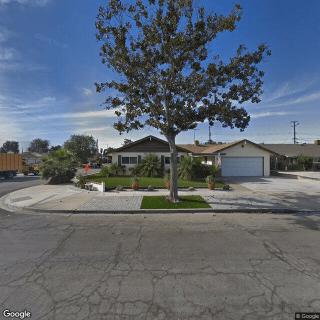




 Comprehensive Supportive Living Arrangements for Adults with Disabilities
 Funding and Affording Assisted Living: A Thorough Overview
 Assisted Living Expenses and Long-Term Care Insurance: A Comprehensive Exploration