Golden Tuscany Care offers a private room at a monthly cost of $4,500, which is notably higher than the average rates in Orange County and the broader California market. In Orange County, similar private accommodations typically average around $4,104, while statewide figures hover around $3,939. For those considering a one-bedroom setup, Golden Tuscany Care remains competitive with its pricing, also set at $4,500 per month. This rate slightly exceeds both the Orange County average of $4,380 and California's mean of approximately $4,340. While Golden Tuscany Care may be priced above local and state averages for private rooms and one-bedrooms, it's important to consider the quality of care and services that accompany these costs.
Floor plans
Golden Tuscany Care
Orange County
California
Private
$4,500
$4,104
$3,939
1 Bedroom
$4,500
$4,380
$4,340
Memory care communities with a similar price nearby
Residents’ families consistently describe staff as kind, patient, and professional.
Many reviewers say the day-to-day care feels compassionate and respectful, with residents treated with dignity and patience. Several families also mention that caregivers communicate clearly and keep them updated when health changes. Multiple reviews describe staff members as friendly and welcoming, including during visits, transitions, and long stays.
differentiator8 reviews mention this
Support for advanced dementia and hospice
Reviews frequently mention experience with advanced dementia, hospice, or serious decline.
A recurring thread is care for very high-need situations, including advanced dementia and end-of-life care. Reviewers describe teams who helped coordinate services as needs changed, and who provided ongoing support even when families could no longer manage care at home. This aligns with the community offering supervised assistance with daily living, medication management, special diets, and memory-care and hospice-related support.
common13 reviews mention this
Clean, well-kept home environment
Families repeatedly highlight a clean, well-kept home setting.
Cleanliness comes up often, with reviewers describing the home as clean, organized, and comfortable. Several mention an environment that feels peaceful and well managed, including during regular visits. A few also point to a pleasant atmosphere and well-prepared rooms for residents.
caveat2 reviews mention this
Activities are hit-or-miss for some
Some reviews say engagement and activities may be limited for certain needs.
While some families mention activities staff keeping residents engaged, at least one reviewer felt there wasn’t much in the way of activities and felt the setting fit better for more severe dementia. Residents’ routines can depend on the person’s stage and needs, so the overall activity offering may vary by fit.
differentiator3 reviews mention this
Care teams available on-site 24/7
Several reviews specifically point to around-the-clock on-site caregiver support.
A few reviewers describe care delivered with caregivers living on-site or providing continuous support, which helped when families couldn’t provide 24-hour care at home. One review also mentions that the home operates with safety features like door alarms, reflecting a focus on supervised living. This matches the community listing 24-hour supervision and assistance with bathing, dressing, transfers, and incontinence care.
How we summarize
Counts show how many written reviews mention each theme; a review can touch several themes, and only frequently mentioned themes are displayed.
Features
Housing
6 resident community capacity
Types of Care
Assisted Living
Board and Care Home
Memory Care
Respite Care
Pets
Dogs allowed
Amenities
Activities off-site
Activities on-site
Bath tubs
Beautician on-site
Cable or satellite TV
Devotional services off-site
Devotional services on-site
Dining room
Fully furnished
Garden
Housekeeping services
Indoor common areas
Move-in coordination
Outdoor common areas
Outdoor space
Pet friendly
Private
Respite or short term stays offered
Small library
Telephone
Wheelchair accessible showers
Transportation
John Wayne Orange Co (12 miles away)
Long Beach (Daugherty) (16 miles away)
Ontario International (21 miles away)
Care Services
24-hour supervision
Activities of daily living assistance
Assistance with bathing
Assistance with dressing
Assistance with transfers
Diabetes diet
Diabetic care
High acuity care
Hospice waiver
Incontinence care
Meal preparation and service
Medication management
Special dietary restrictions
Dining
Diabetes diet
Kosher
Meals provided
Special dietary restrictions
Vegetarian
Activities
Activities off-site
Activities on-site
Community-sponsored activities
Devotional activities offsite
Devotional activities on-site
Scheduled daily activities
Nearby Places of Interest
This part of Anaheim, California offers a convenient and diverse range of amenities for seniors looking to settle in the area. With numerous restaurants, cafes, pharmacies, parks, and theaters within close proximity, residents have ample options for dining, recreation, and entertainment. Additionally, there are several hospitals and medical facilities nearby such as Kaiser Permanente Medical Building and St Jude Medical Center for easy access to healthcare services. Public transportation options like Artic and Disneyland Monorail provide convenient ways to get around the area. Overall, this neighborhood provides a well-rounded living environment with a mix of urban conveniences and natural spaces for seniors to enjoy.
Restaurants
Bottle Logic Brewing (0.8 miles)
Green Burrito (1 miles)
In-N-Out Burger (1.9 miles)
Modern Times Leisuretown (2.6 miles)
McDonald's (2.9 miles)
McDonald's (3 miles)
Chick-Fil-A (3.2 miles)
Parks
Steve Ambriz Memorial Park (0.9 miles)
Willow Park (4.1 miles)
Craig Regional Park (4.6 miles)
Yorba Regional Park (5.9 miles)
Faylane Park (5.9 miles)
Pharmacies
Walgreens (1 miles)
CVS Pharmacy (1.1 miles)
Walmart Pharmacy (2.1 miles)
Walgreens (3 miles)
CVS Pharmacy (3 miles)
Walgreens (3.2 miles)
Walgreens (3.6 miles)
Physicians
Kaiser Permanente Medical Building 1 (1.7 miles)
The 200 Building (4 miles)
Kaiser Permanente, Euclid & Romneya (4.1 miles)
St Jude Medical Center (4.9 miles)
St Jude's Heritage Medical Center (6.4 miles)
Cardiology Specialists of Orange County (6.6 miles)
Places of Worship
Chinese Baptist Church (2.3 miles)
Theaters
Century Theatres (2.3 miles)
AMC DINE-IN Fullerton 2 (3.2 miles)
AMC Movie Theater (4.3 miles)
Regal Yorba Linda & Imax (4.7 miles)
Cafes
Anaheim Packing District (2.5 miles)
Jolly Holiday Bakery Cafe (3.5 miles)
New Orleans Square (3.6 miles)
Hollywood Land (3.6 miles)
La Brea Bakery Express (3.7 miles)
Starbucks (3.8 miles)
Starbucks (4.3 miles)
Transportation
Artic (2.7 miles)
Drr Tomorrowland Station (3.3 miles)
Disneyland Monorail (3.4 miles)
Drr Toontown Station (3.4 miles)
Hertz Rent A Car (3.5 miles)
DLRR New Orleans Station (3.7 miles)
Disneyland Monorail - Downtown Disney District Station (3.9 miles)
Golden Tuscany Care offers a private room at a monthly cost of $4,500, which is notably higher than the average rates in Orange County and the broader California market. In Orange County, similar private accommodations typically average around $4,104, while statewide figures hover around $3,939. For those considering a one-bedroom setup, Golden Tuscany Care remains competitive with its pricing, also set at $4,500 per month. This rate slightly exceeds both the Orange County average of $4,380 and California's mean of approximately $4,340. While Golden Tuscany Care may be priced above local and state averages for private rooms and one-bedrooms, it's important to consider the quality of care and services that accompany these costs.
Golden Tuscany Care's comprehensive suite of services is designed to meet the unique needs of residents with dementia or Alzheimer's, enhancing their comfort and quality of life. Assistance with dressing ensures that individuals maintain their dignity while navigating daily routines, while medication management helps prevent complications from missed doses or incorrect administration, promoting overall health. The provision of meal preparation and service not only guarantees balanced nutrition but also supports familiar routines, which can be comforting for those experiencing cognitive decline. Activities of daily living assistance fosters independence where possible, and assistance with bathing and transfers aids in personal hygiene and mobility, both critical for physical well-being. With 24-hour supervision, residents receive constant support in a safe environment tailored to their needs, while incontinence care ensures that they are treated with respect and dignity despite the challenges associated with health changes. Each feature works synergistically to create a supportive atmosphere that addresses both physical care and emotional reassurance.
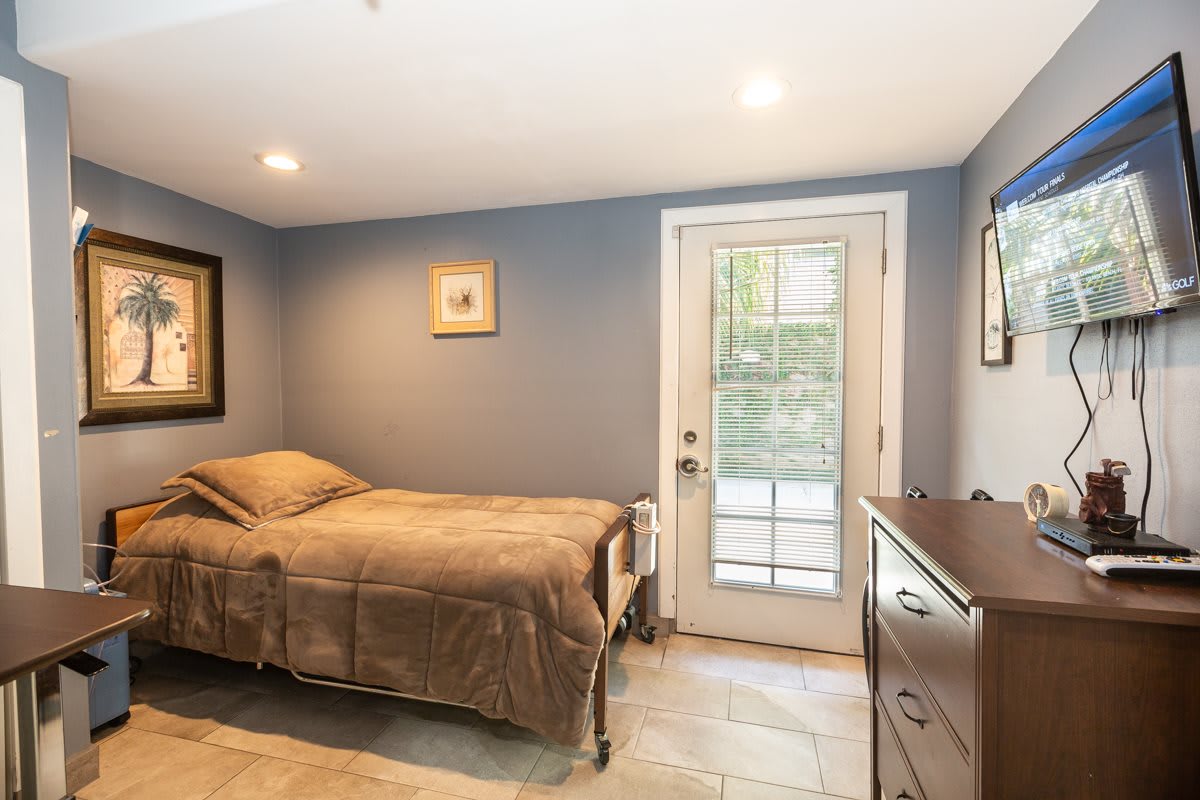
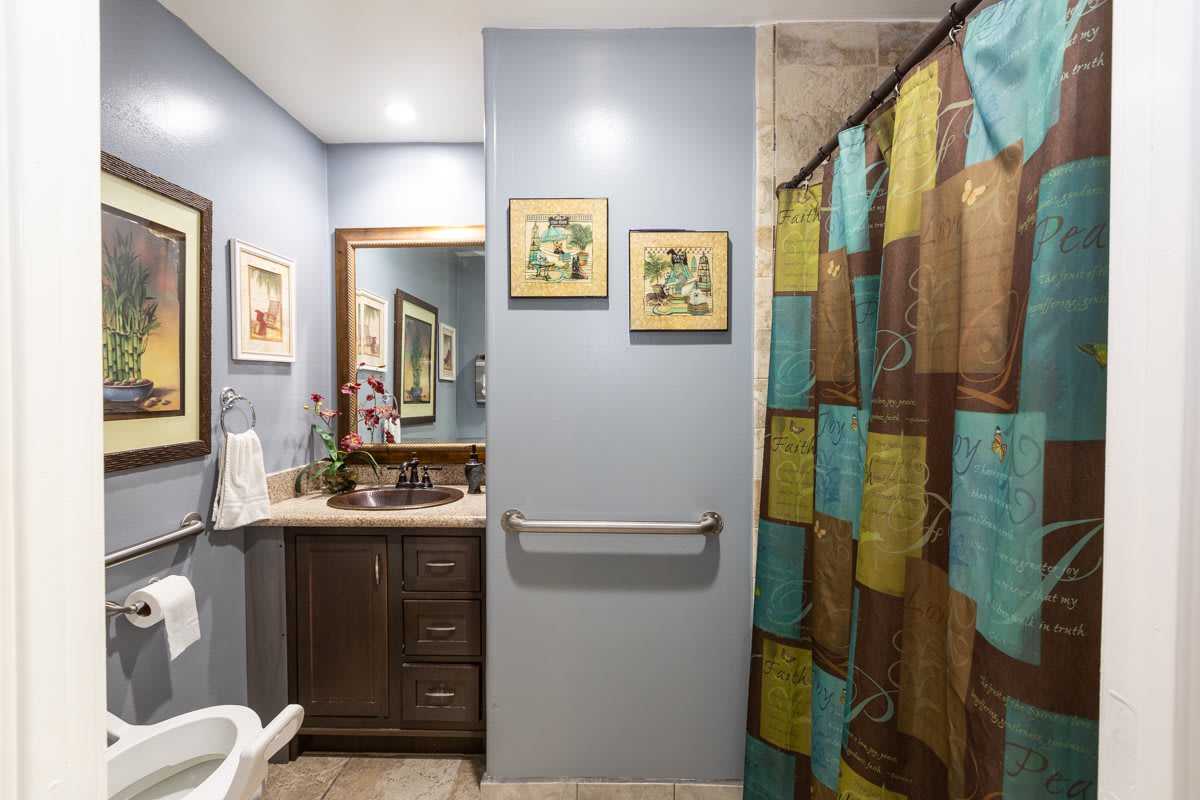
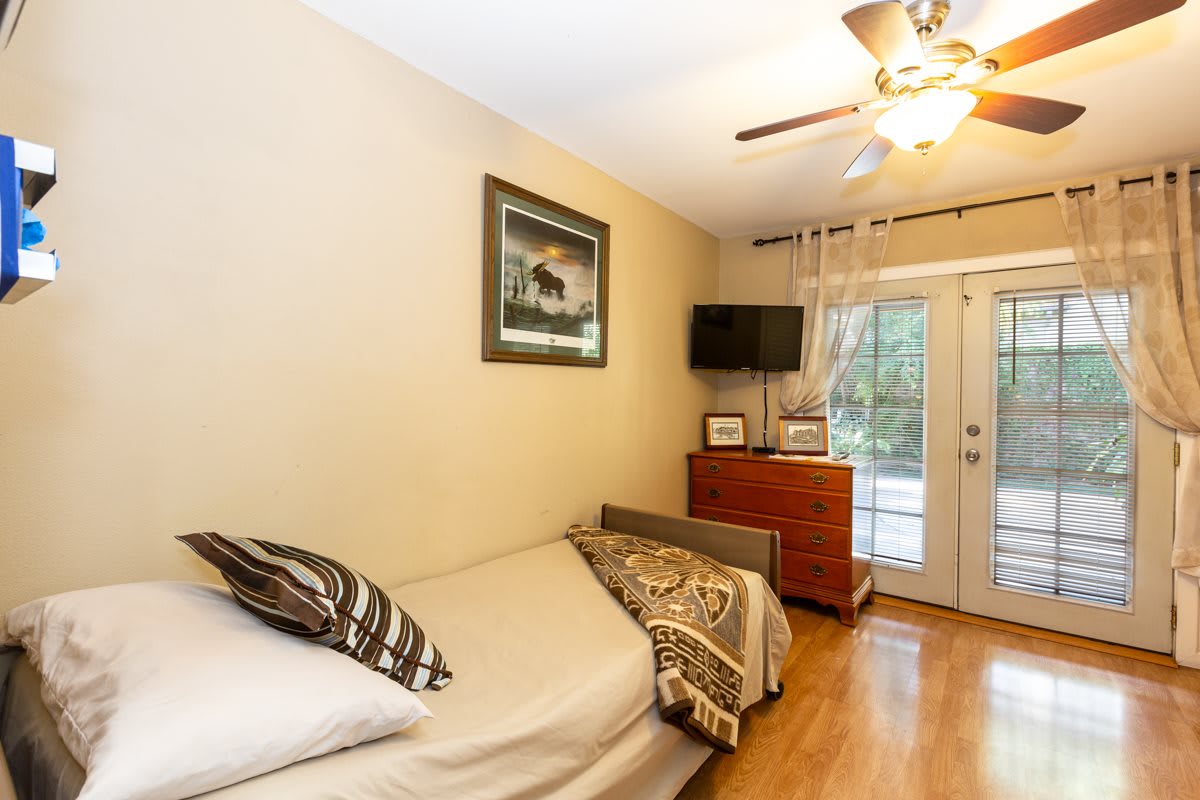
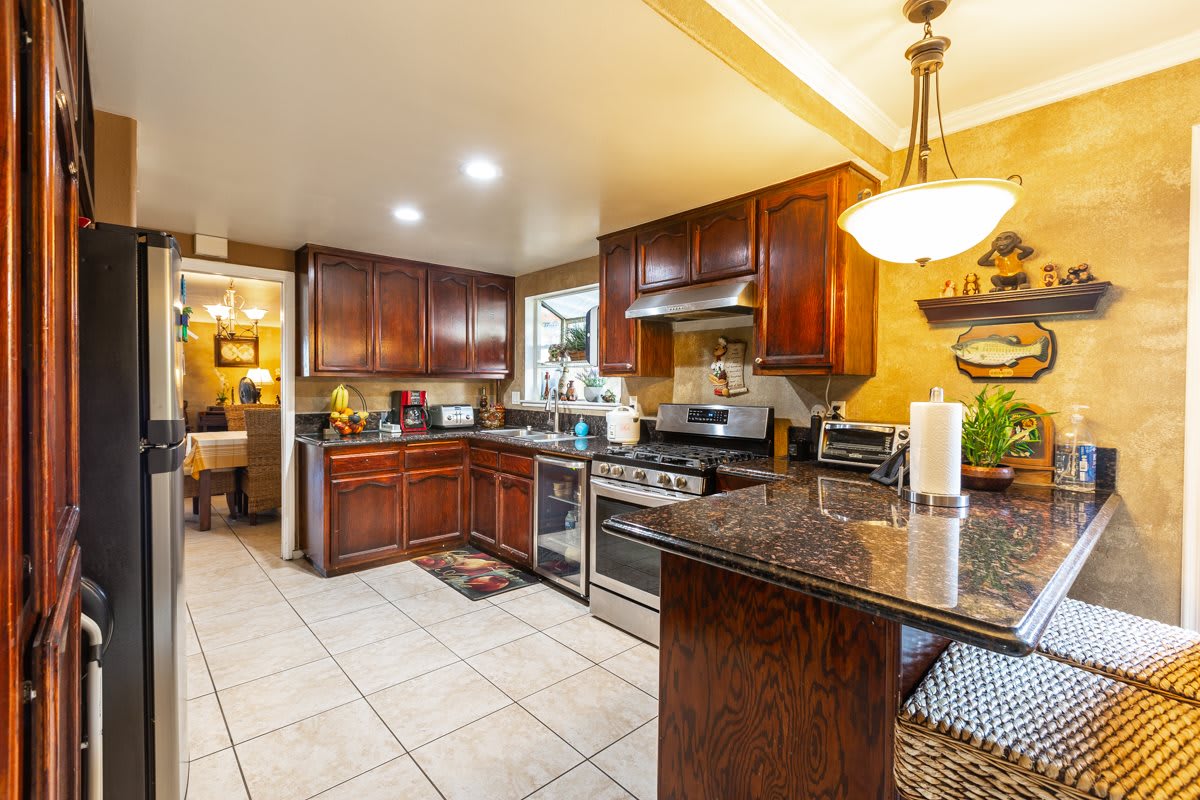
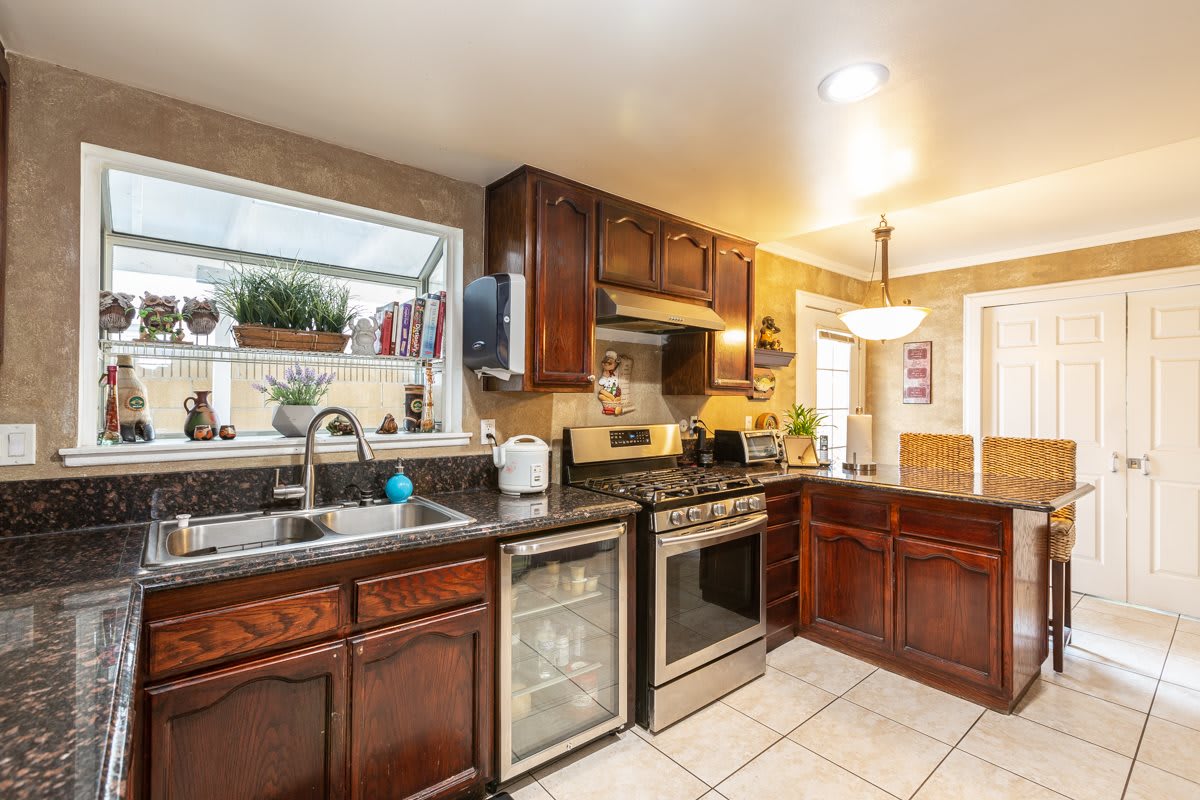
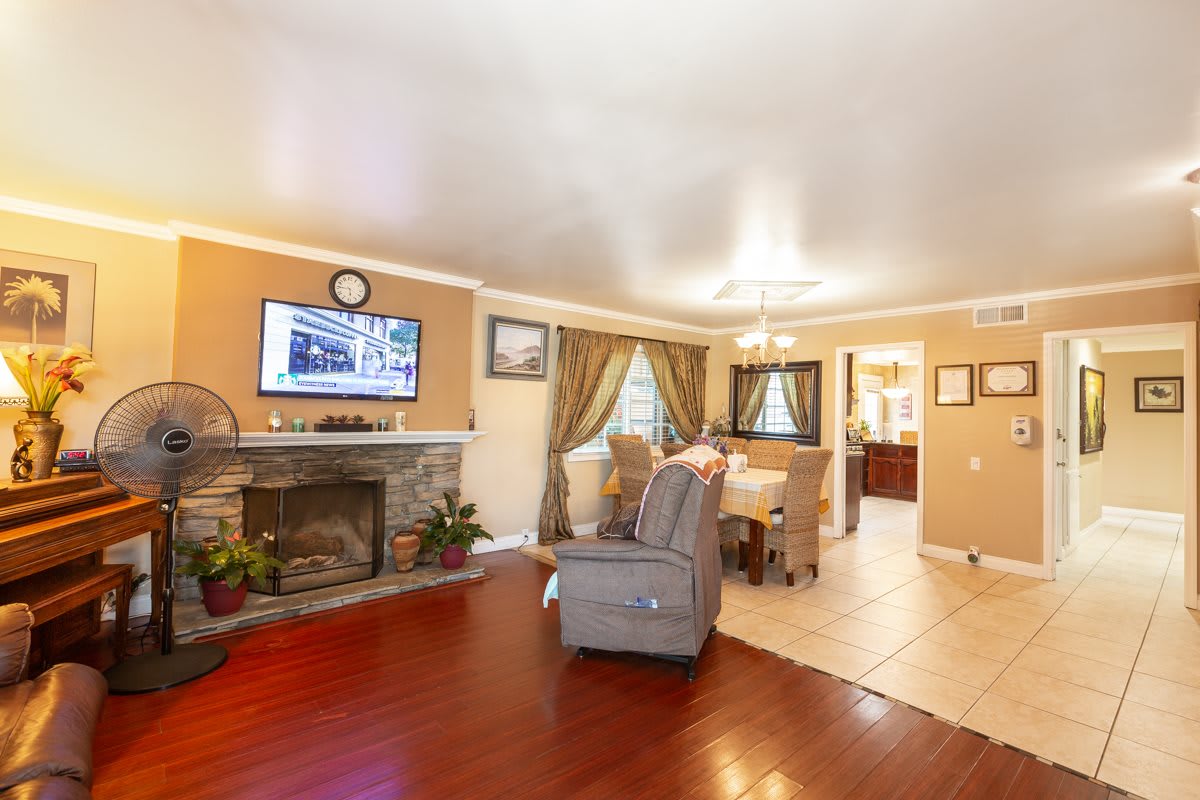
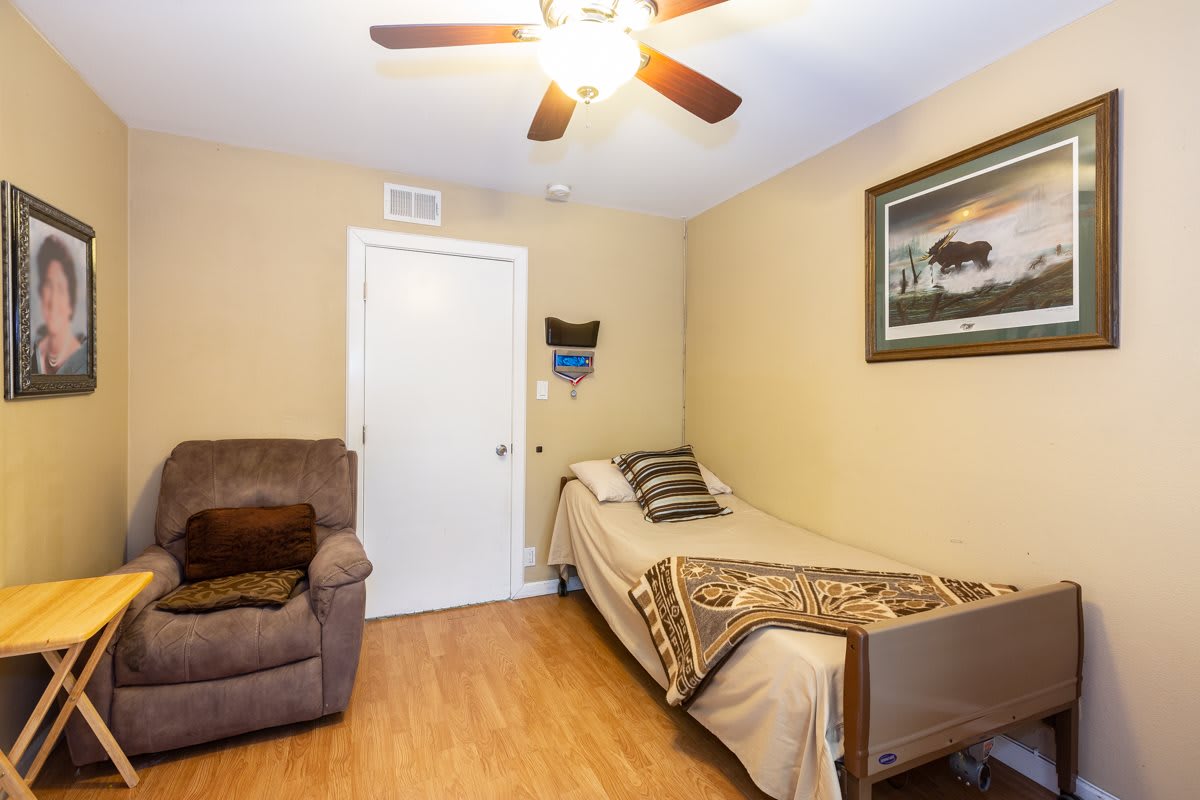
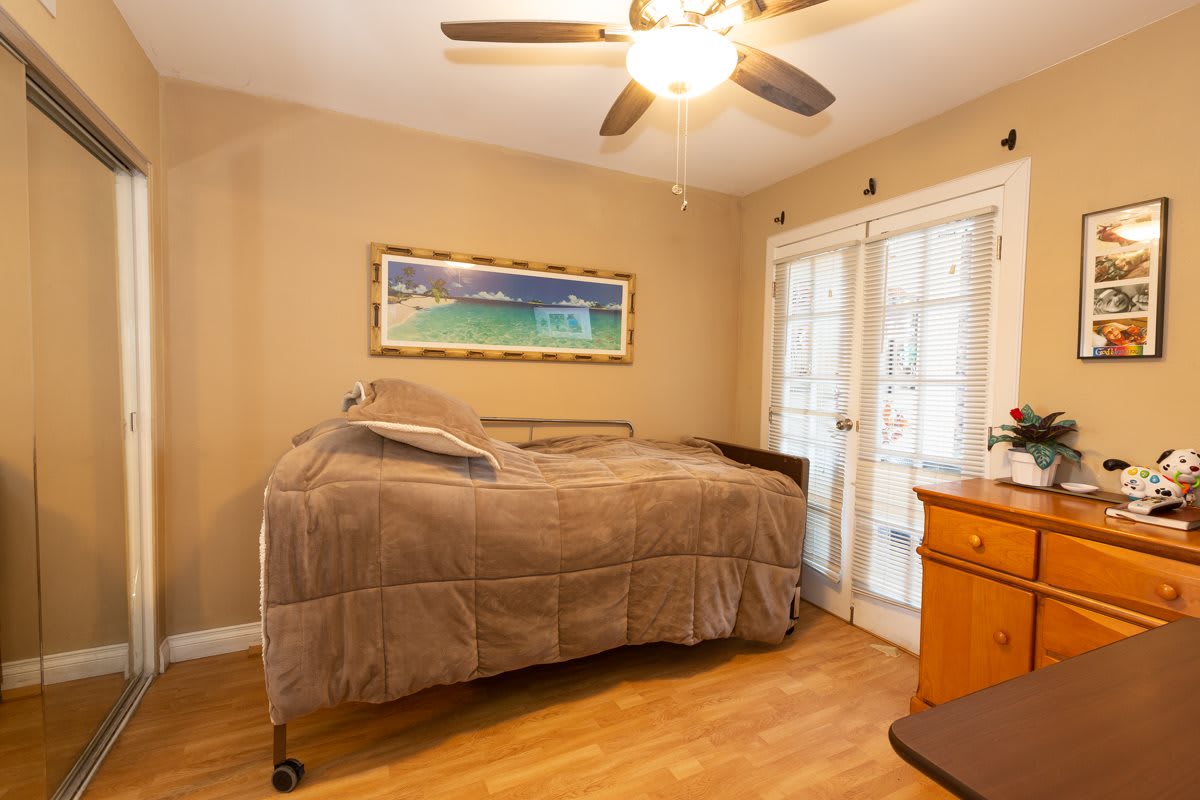
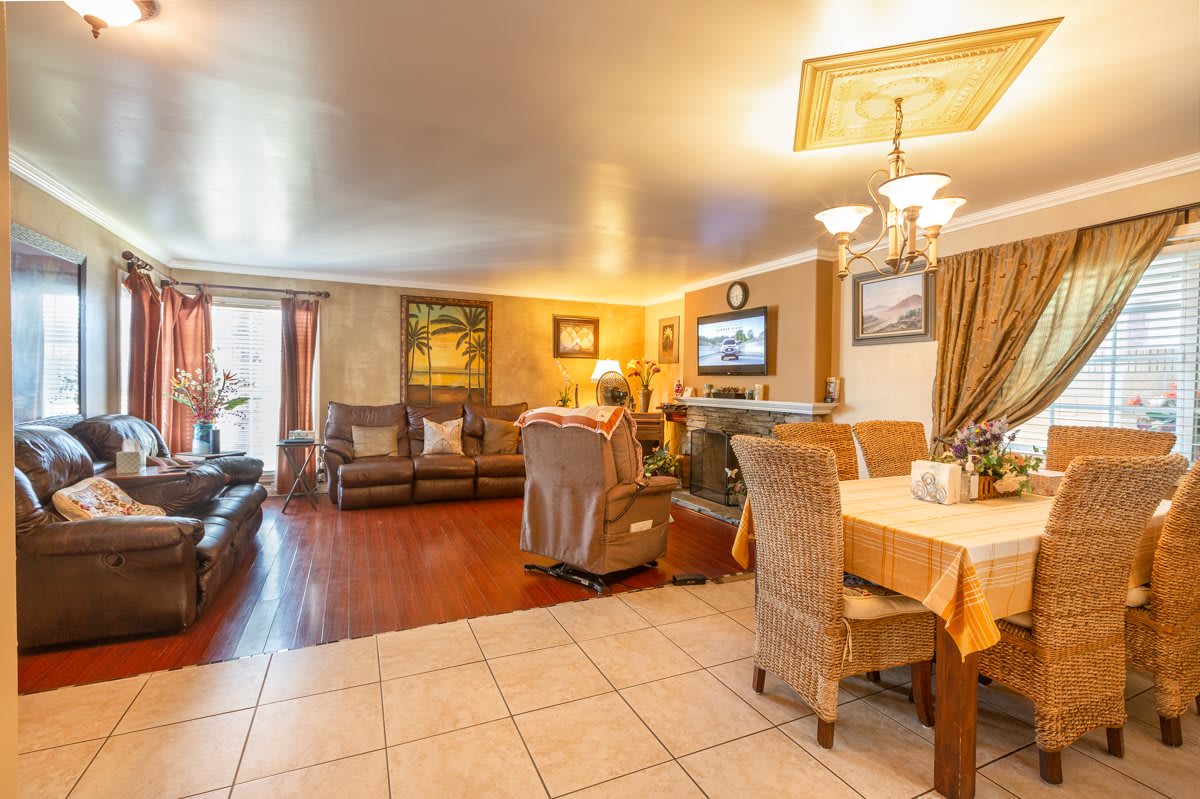
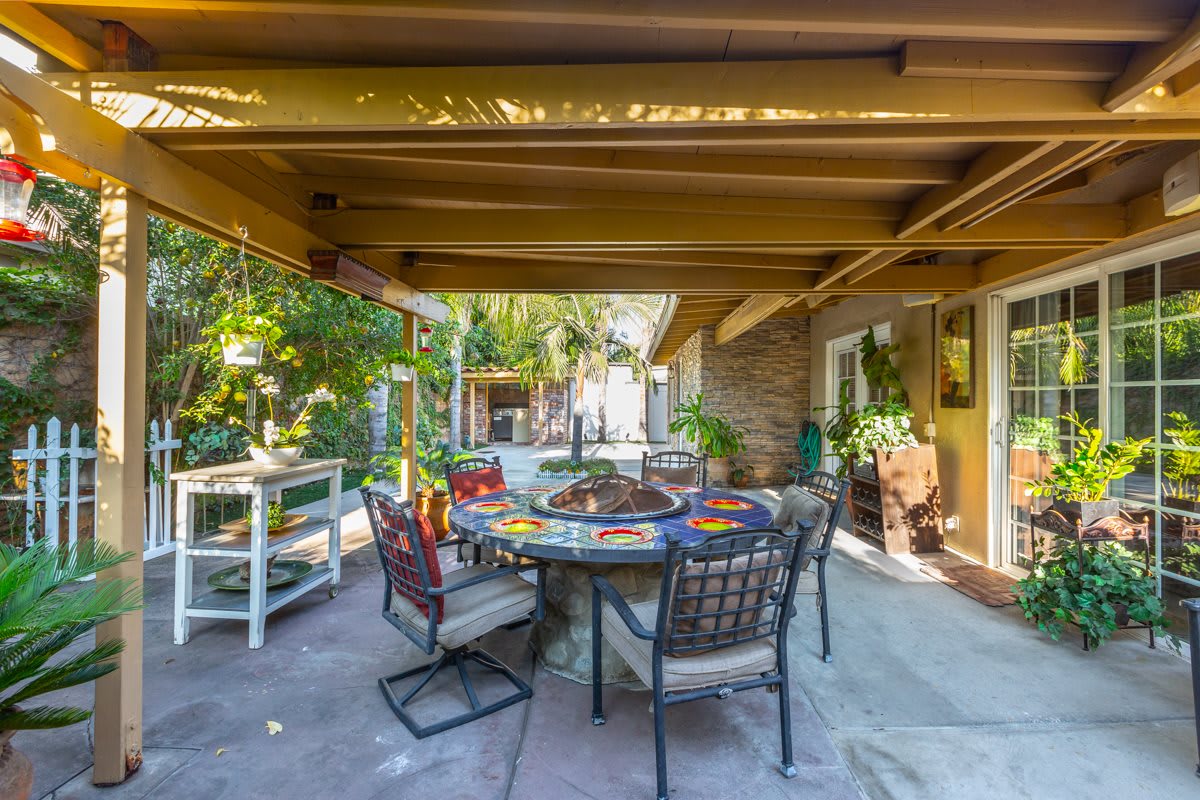
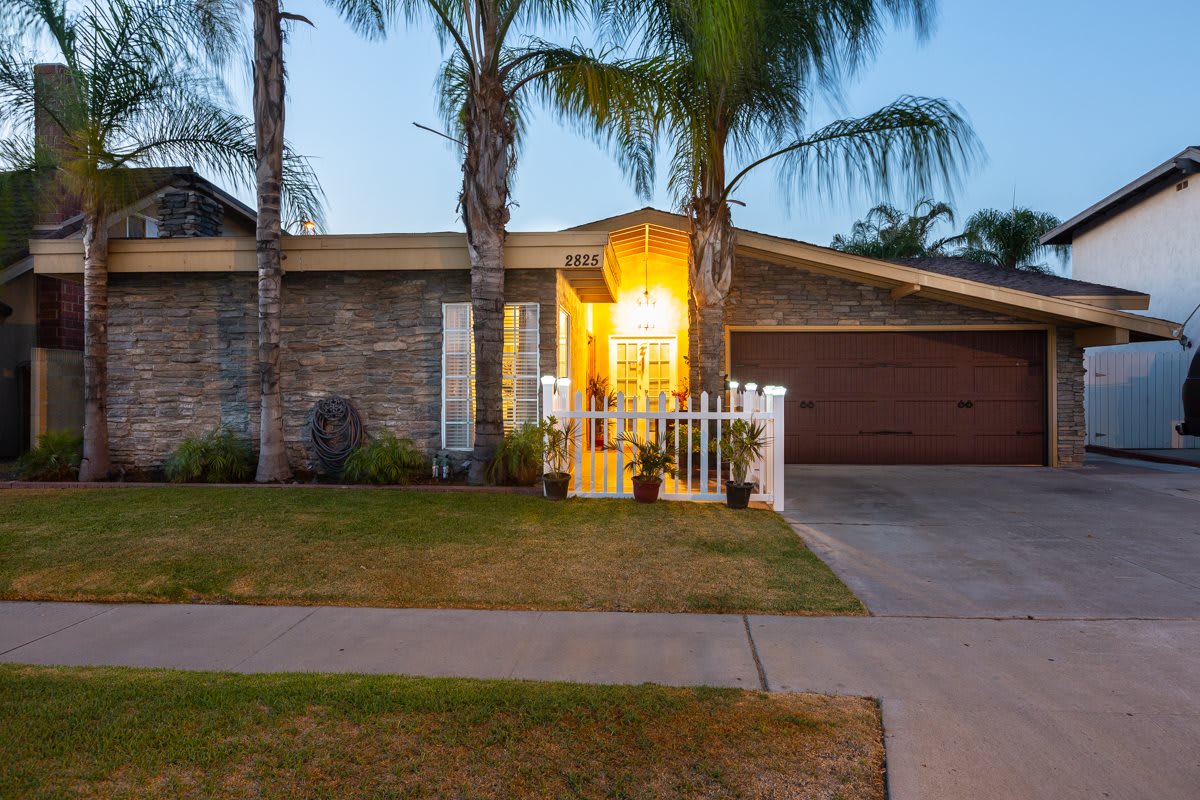
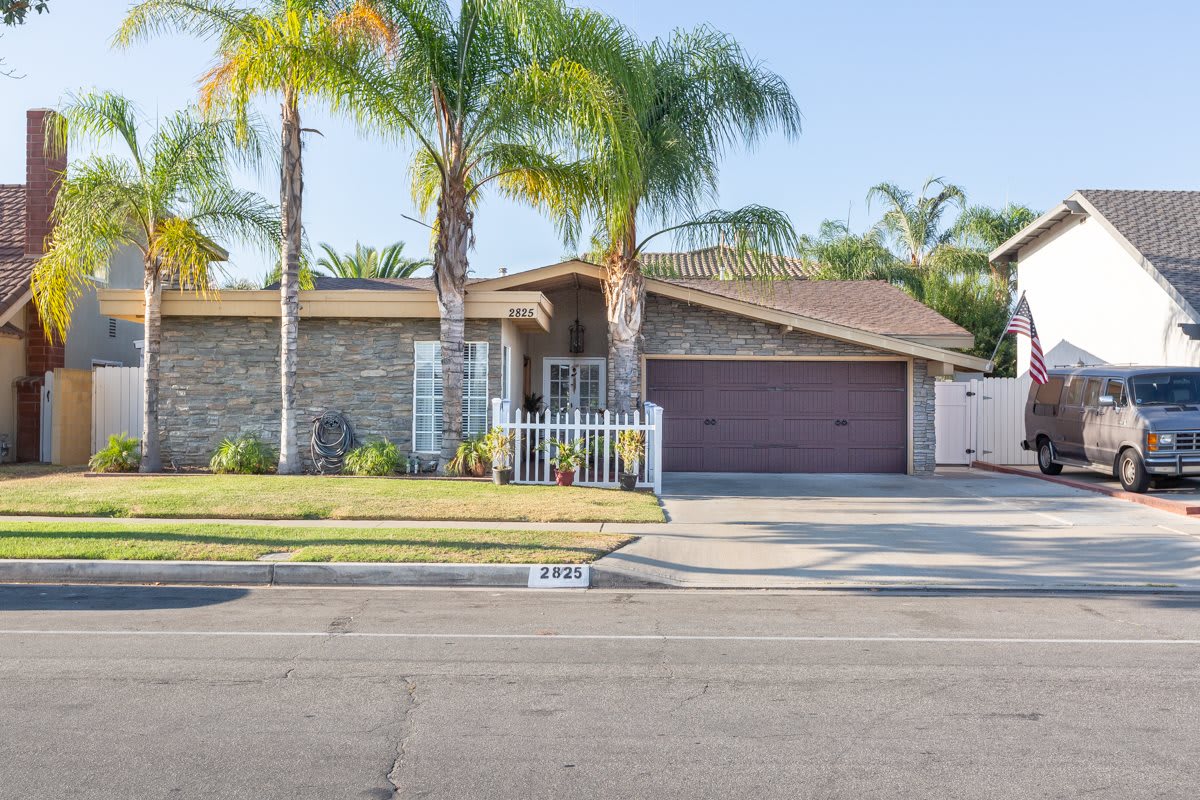
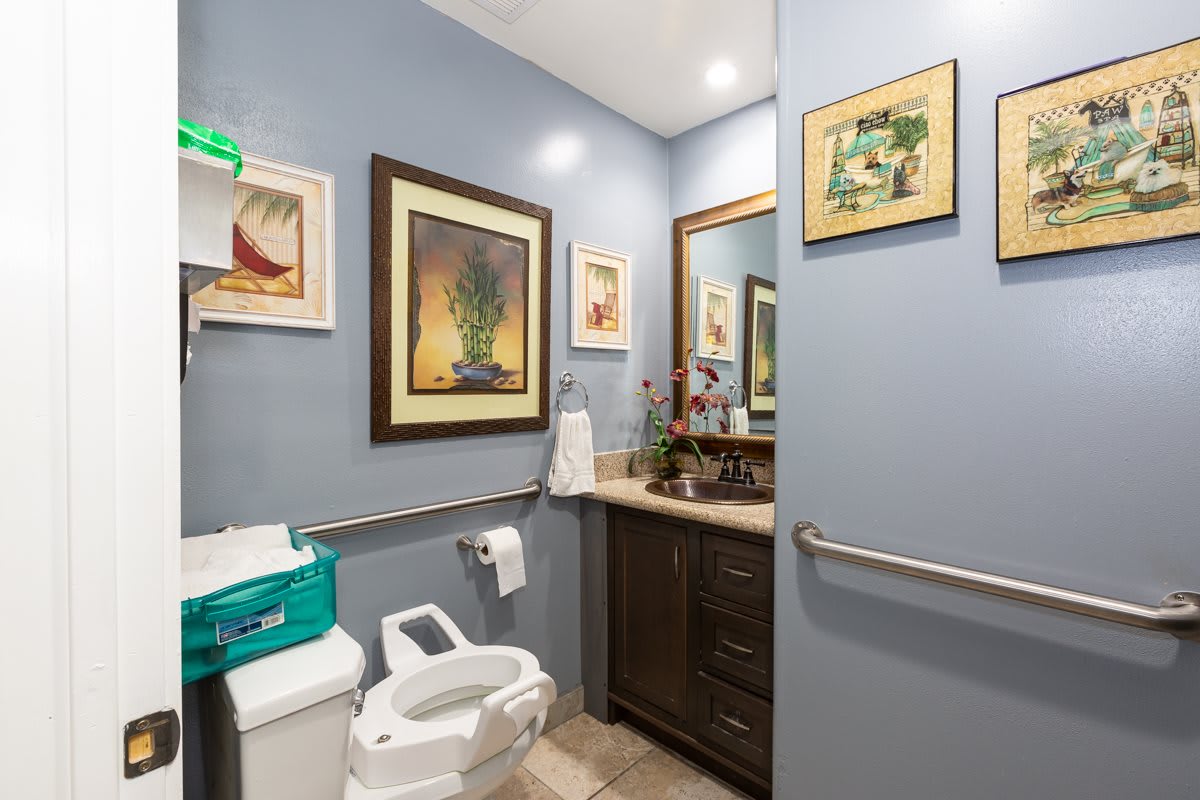
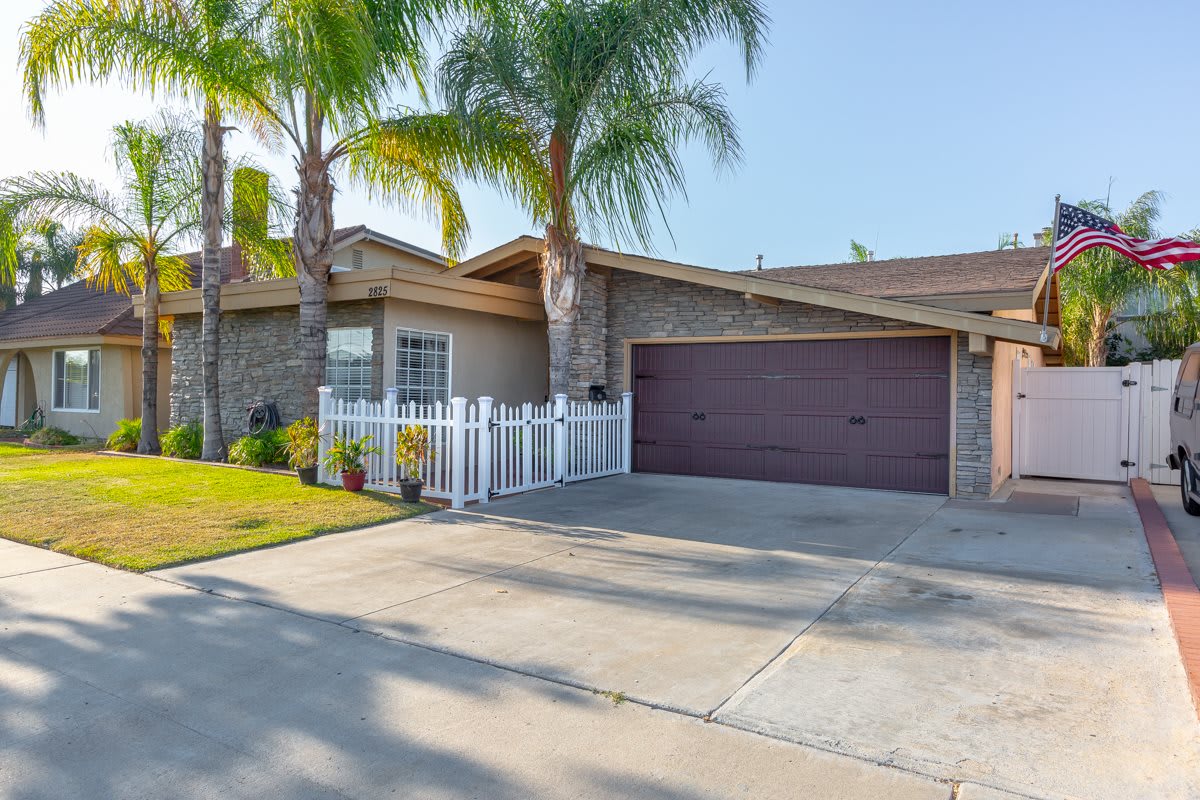
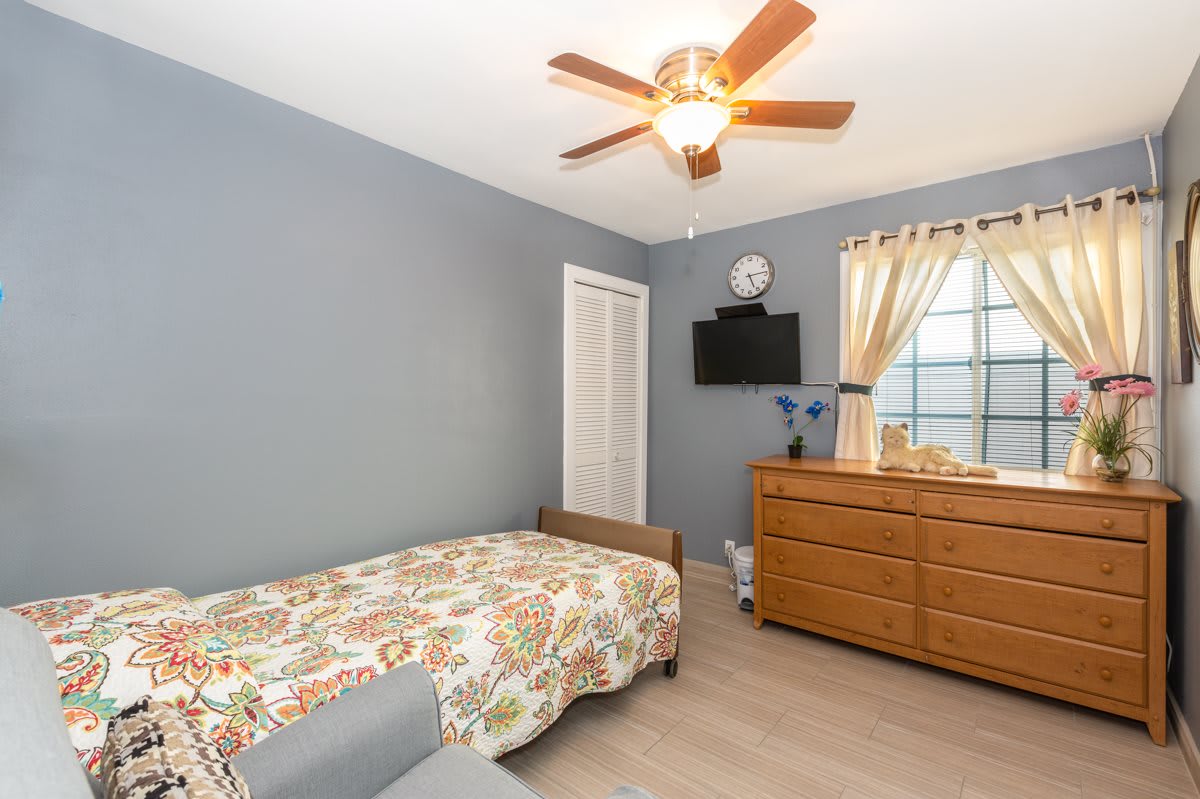
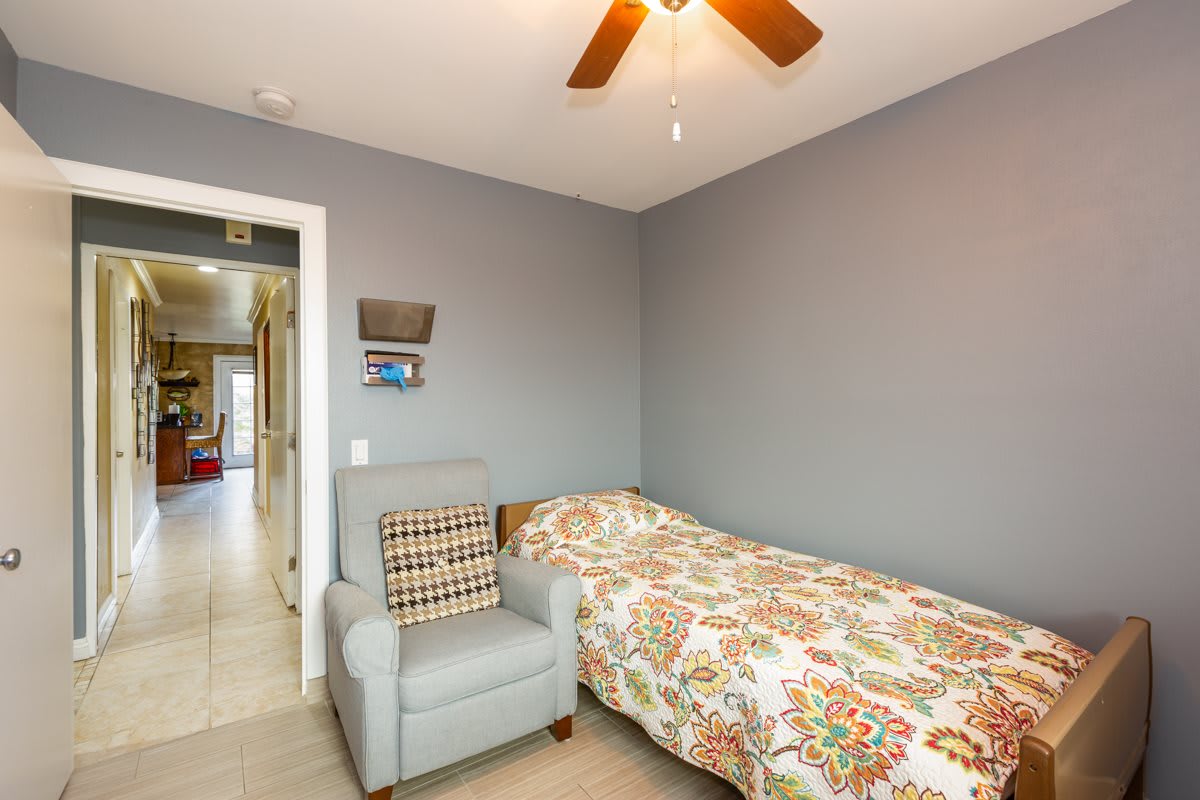
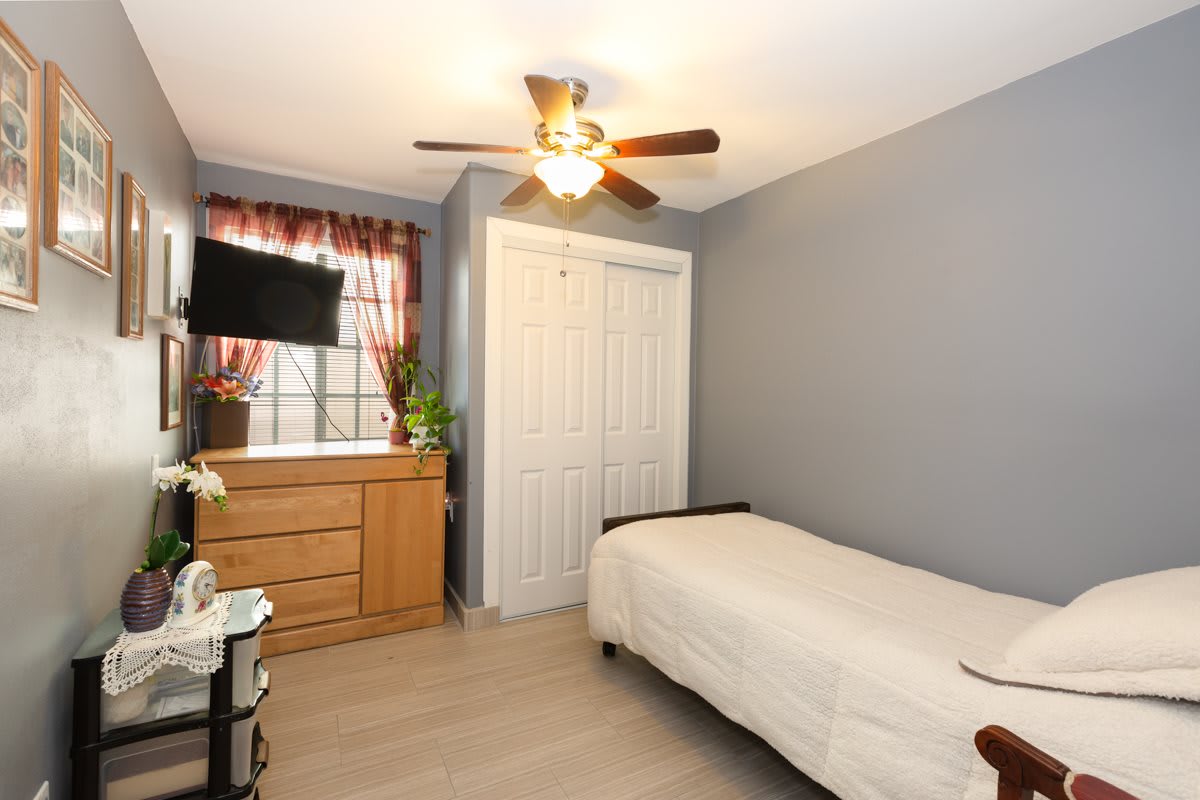
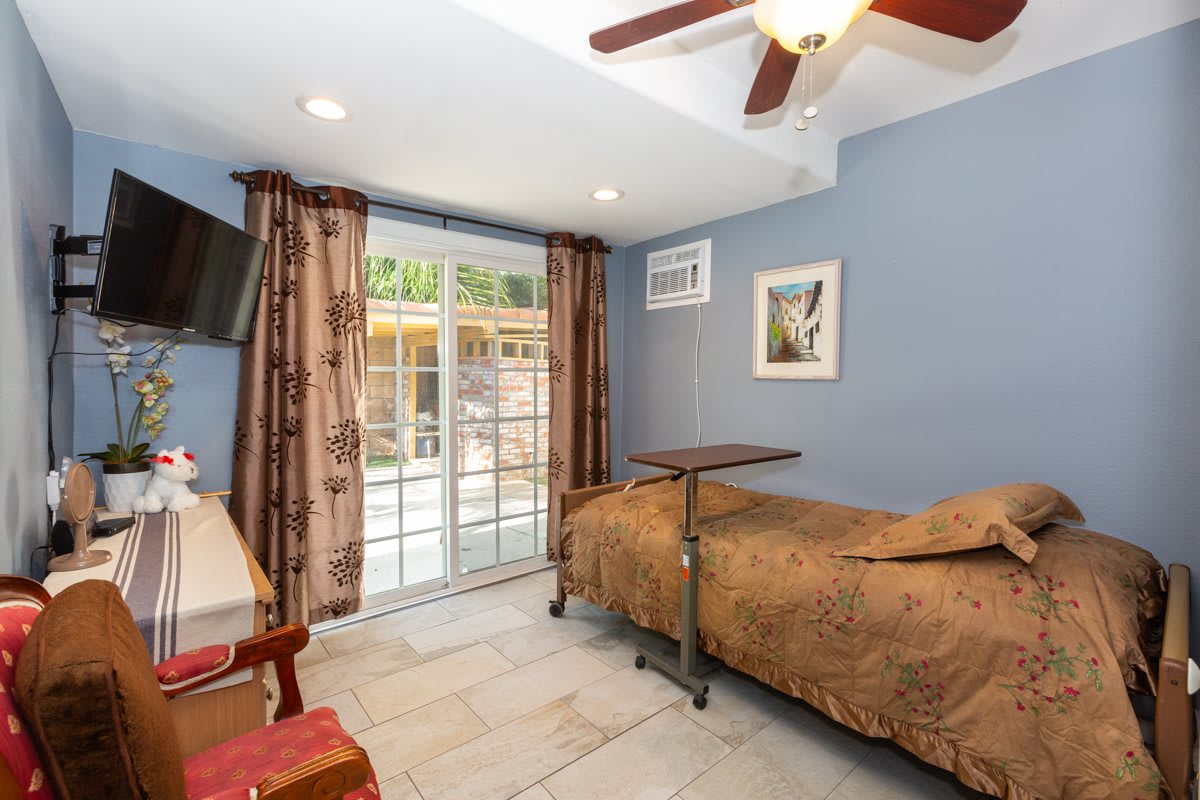
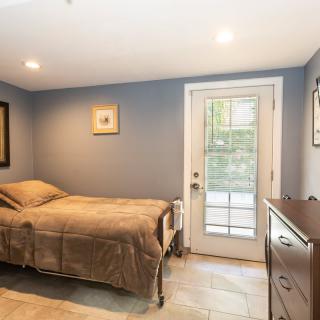
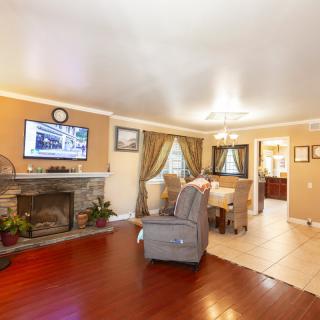
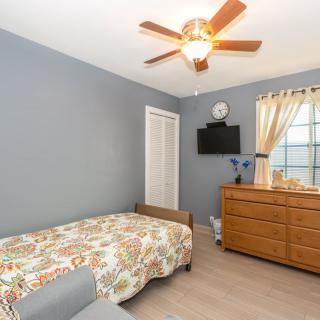
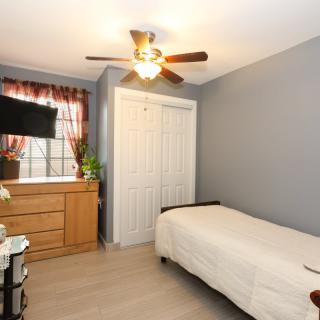
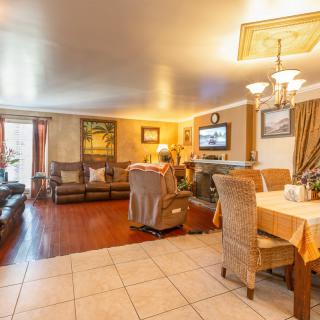
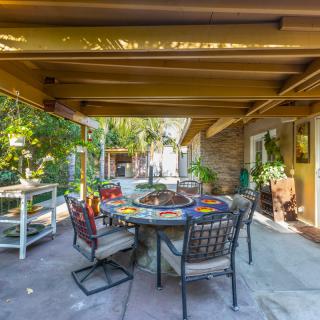
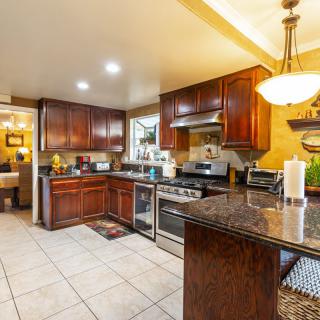
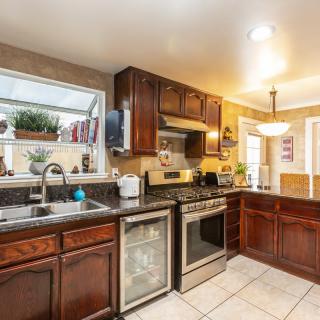
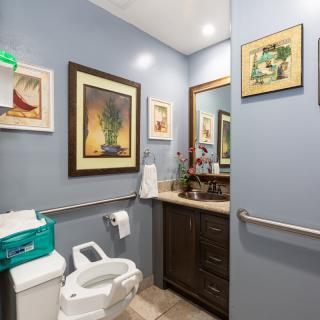
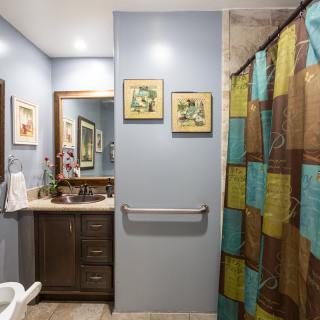
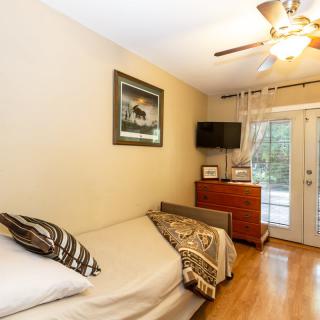
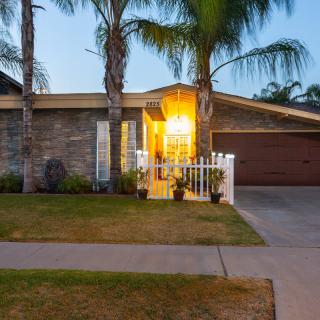
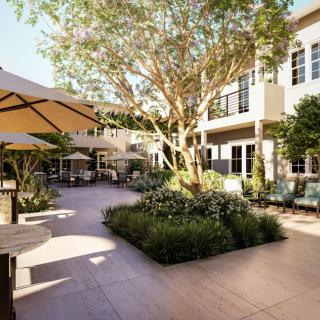
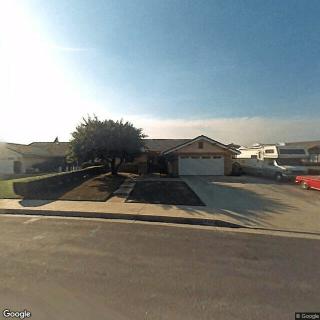
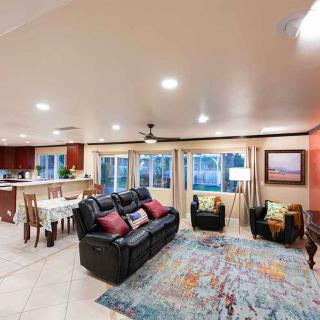
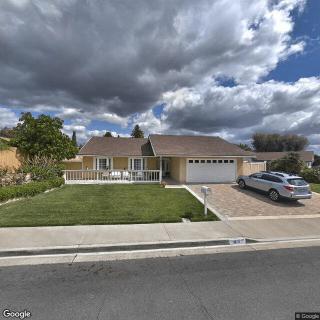
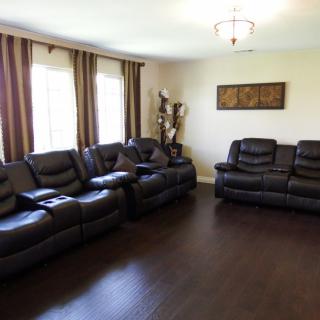
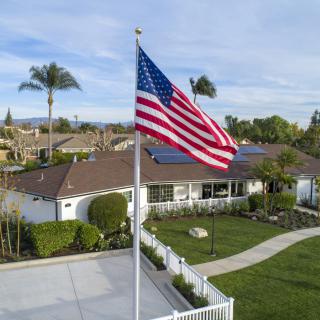
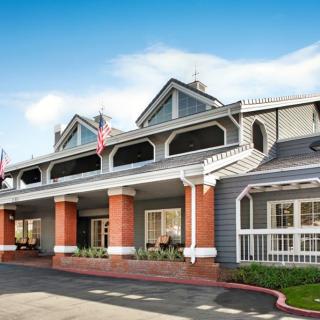
Golden Tuscany Care on seniors.fyi includes 21 photos including images showing bedroom, interior, television, landscaping, bathroom, windows, decor, palm trees, and more.
Nearby Communities
Britta Care
Anaheim, CA
4.6 from 15 reviews
$4,800 / month
Attentive staff and a clean, comfortable environment.
Kozy Quarters 4 Seniors
Anaheim, CA
5 from 13 reviews
$3,000 to $3,500 / month
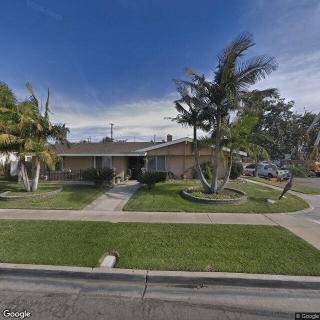
Small, intimate 6-bed board-and-care with comprehensive on-site care, activities, diabetes/medical coordination, and competitive pricing.
Helpful Care Home
Anaheim, CA
5 from 2 reviews
$2,500 to $3,000 / month
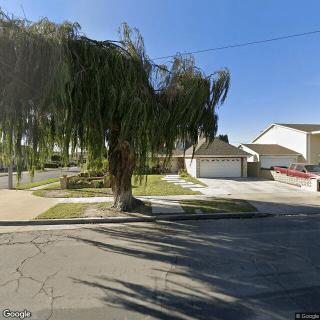
Warm, home-like setting with personal owner involvement and attentive care.
Eve's Guest Home
Anaheim, CA
$3,000 to $4,500 / month
Affordable semi-private option with on-site/off-site activities and access to high-acuity care.
Eve's Guest Home III
Anaheim, CA
4 from 10 reviews
Comprehensive care (24/7 supervision, ADL assistance, medication management) in a homelike setting with meals, activities, and Wi-Fi.
Alice Way Home Care
Anaheim, CA
Intimate 6-bed setting with comprehensive care and amenities.
Agape Orange Home II
Orange, CA
$4,000 to $5,000 / month
Comprehensive care options (including memory care) with 24/7 supervision and extensive on-site services.
ELD Healthcare
Orange, CA
5 from 6 reviews
$5,000 to $6,500 / month
Immaculate cleanliness with compassionate, personalized care and flexible schedules.
Ivy Park at Bradford
Placentia, CA
4.6 from 75 reviews
$3,695 to $4,895 / month
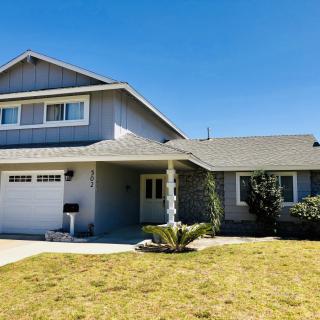
Friendly, professional staff; engaging activities; clean, homelike environment.
The article highlights eight indicators that a loved one with dementia may require specialized memory care, emphasizing the emotional and logistical challenges families encounter in this decision. It discusses signs such as difficulties with daily tasks, safety concerns, and caregiver burnout, suggesting that memory care facilities can provide the necessary support and structured environments for those experiencing cognitive decline.
Dementia, primarily caused by Alzheimer's disease but also linked to other conditions, leads to cognitive decline impacting memory and daily functioning, with individuals experiencing varied awareness of their impairments. Despite memory loss, emotional connections persist, enabling responses to familiar stimuli, highlighting the need for caregivers to provide compassionate support that recognizes both limitations and retained emotional depth.
The article presents five subtle indicators of dementia, such as memory lapses and mood swings, to help families assess cognitive decline in loved ones. It emphasizes early detection, open communication, and seeking professional help while providing practical support steps.
Garden, Patio, Table And Chairs, and Outdoor Dining
Artwork
Television
Fireplace and Hardwood Floor
Outdoors, Healthcare, Wheelchair, Caregiver, and Gardening
Wall Art
Painting
Cabinets and Oven
Palm Trees
Fence
Closet and Potted Plant
Garage
Interior Decor
Wooden Flooring
Get PricingAsk A QuestionSchedule A TourContact Senior Advisor
By clicking submit, you agree to our Partner's Terms of Use. You
also consent to receive calls and texts, which may be autodialed, from our Partner. Your consent is not a condition to
using our Partner's service. Please visit our Partner's Privacy Policy for information about their privacy practices.


 6 resident community capacity
 Assisted Living
 Board and Care Home
 Memory Care
 Respite Care
 Dogs allowed
 Activities off-site
 Bath tubs
 Beautician on-site
 Cable or satellite TV
 Devotional services off-site
 Dining room
 Fully furnished
 Garden
 Housekeeping services
 Indoor common areas
 Move-in coordination
 Outdoor common areas
 Pet friendly
 Private
 Small library
 Telephone
 Wheelchair accessible showers
 John Wayne Orange Co (12 miles away)
 24-hour supervision
 Assistance with bathing
 Assistance with dressing
 Assistance with transfers
 Diabetes diet
 Diabetic care
 High acuity care
 Hospice waiver
 Incontinence care
 Meal preparation and service
 Medication management
 Special dietary restrictions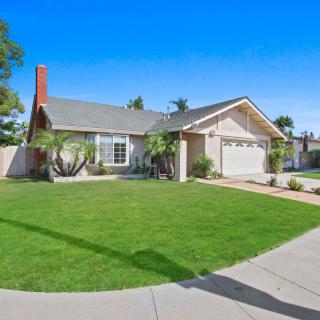
 Attentive staff and a clean, comfortable environment.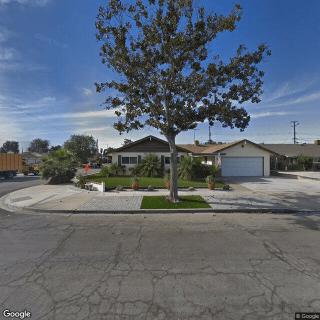

 8 Important Indicators That Memory Care May Be Necessary
 Delving into the Inner World of Dementia: Insights into Thoughts and Awareness
 Five Subtle Dementia Indicators to Observe: An In-Depth Guide to Understanding “Does My Mom Have Dementia?”