

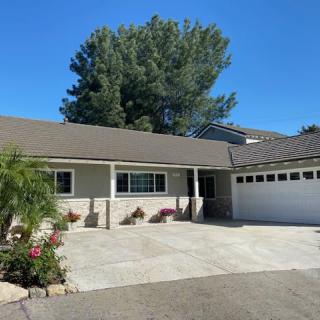
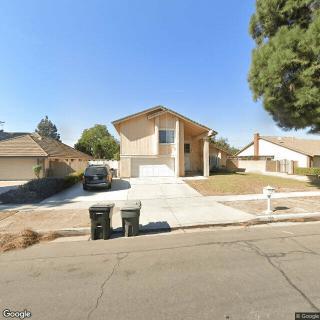
2421 E Powhatan Ave, Anaheim, CA 92806
To contact a resident: (714) 956-2599
For more information about senior living options: (866) 208-4318
CaringBridge, Inc Costs & Pricing
CaringBridge, Inc. offers competitive pricing for its services, with monthly costs that reflect the quality of care provided. For a semi-private room, the charge is $3,500, which is slightly higher than the average rates in Orange County at $3,431 and California's broader average of $3,333. In contrast, the private room rate at CaringBridge stands at $4,500, again exceeding both local and state averages of $4,104 and $3,939 respectively. These figures suggest that while CaringBridge may be priced a bit above market norms, it likely emphasizes a commitment to delivering superior care and personalized services that justify the investment.
| Floor plans | CaringBridge, Inc | Orange County | California |
|---|---|---|---|
| Semi-Private | $3,500 | $3,431 | $3,333 |
| Private | $4,500 | $4,104 | $3,939 |
Senior living communities with a similar price nearby
-
from +$495 / mo
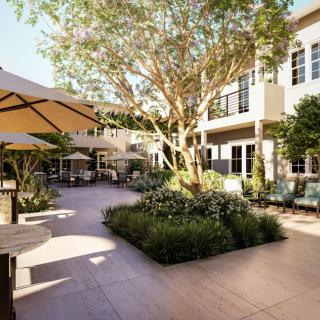
Cadence Brea
$3,995 to $5,500 / month5.4 miles away -
About the same
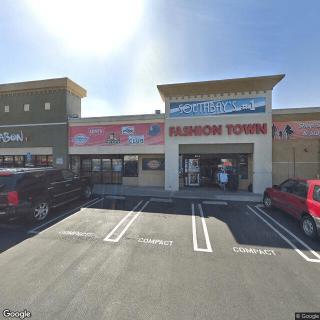
Kind Heart Home Care VI
$3,500 to $5,000 / month24.5 miles away -
About the same
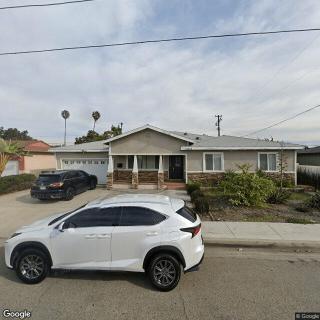
Loving Home Care
$3,500 to $4,500 / month8.2 miles away -
from -$200 / mo

Bella Manor II
$3,300 to $4,290 / month11.5 miles away -
from +$500 / mo
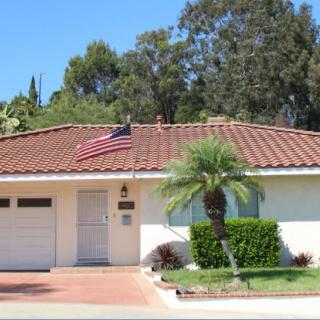
Palomino Residential Care
$4,000 to $6,000 / month20.5 miles away
Overall Review of CaringBridge, Inc
Pros
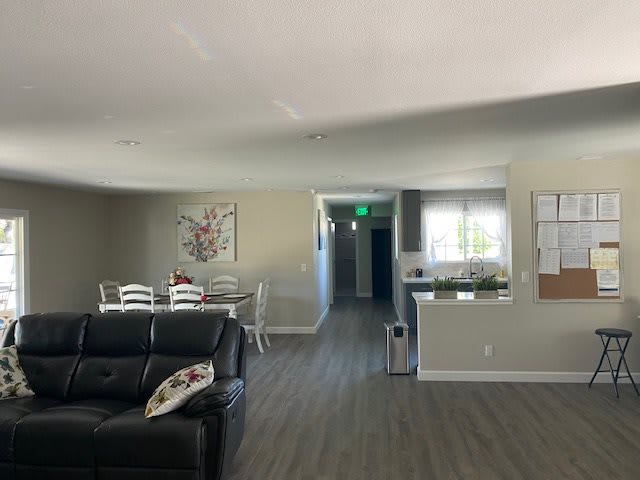
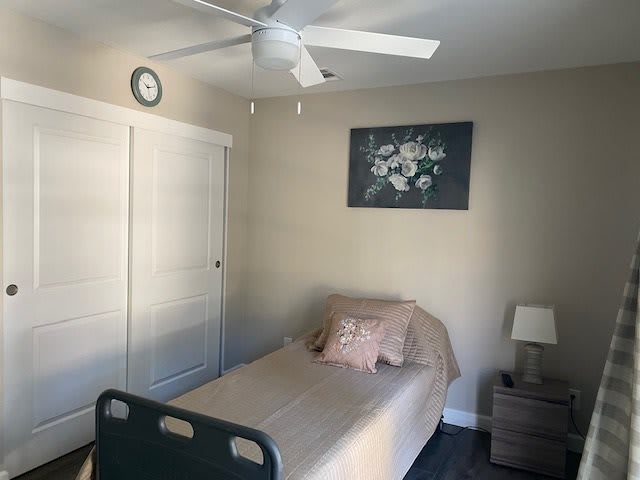
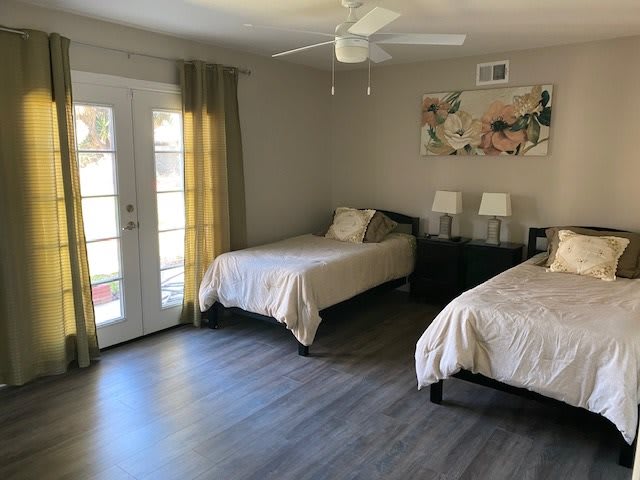
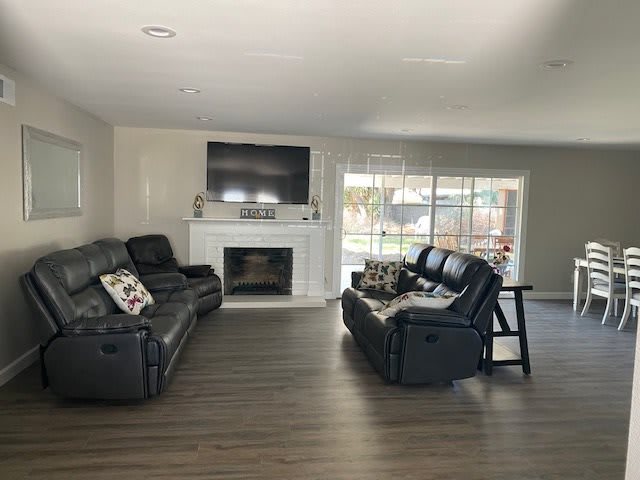
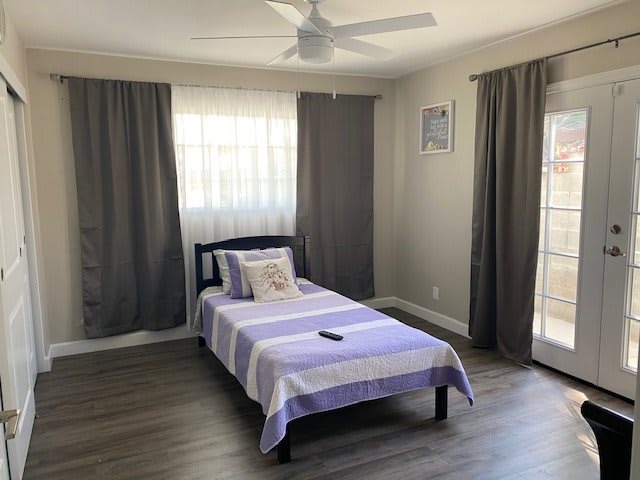
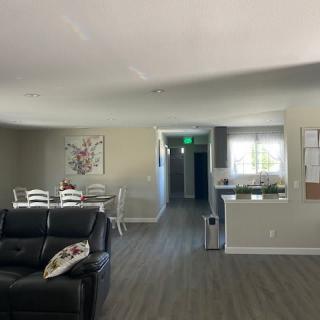
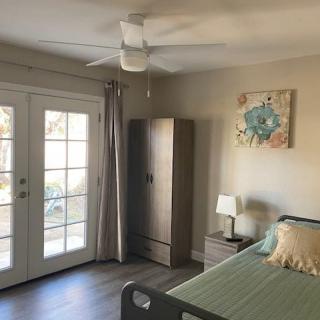
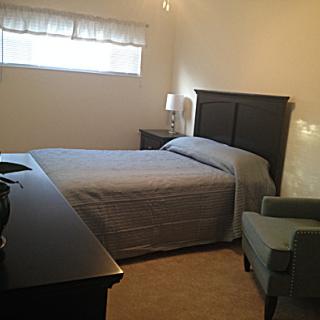
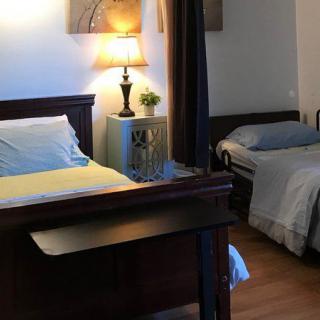
 CaringBridge provides a home-like environment and excellent services for loved ones.
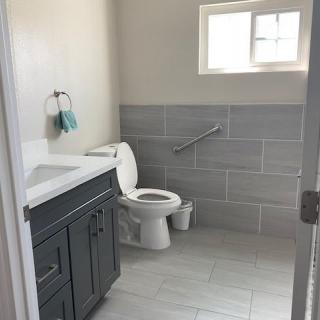
- The home is brand new and spotless, with gourmet meals prepared from scratch.
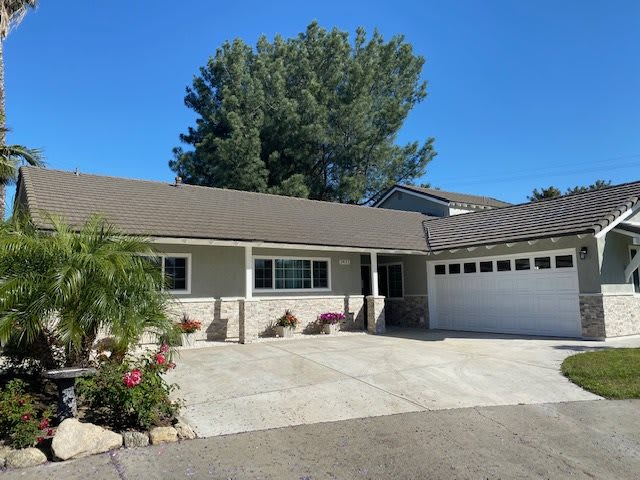
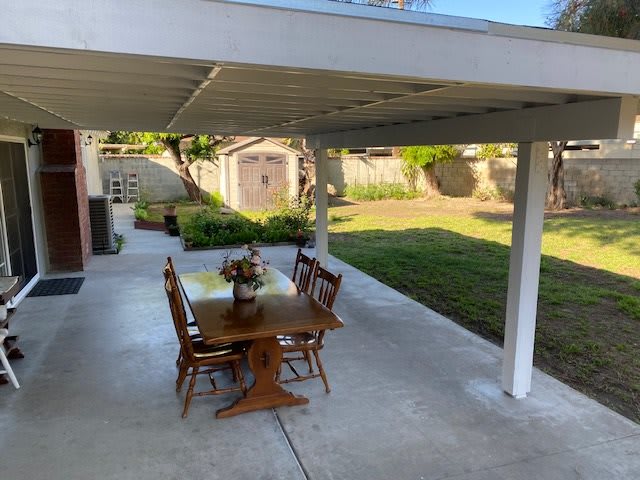
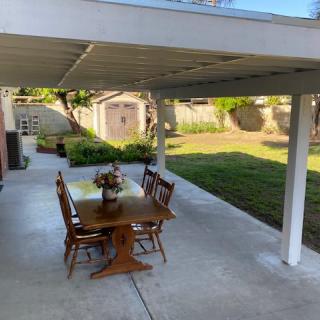
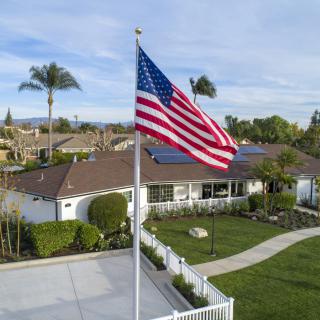
- The garden is well maintained with flowers and a beautiful patio for family time.
- The owner is a nurse with extensive elderly-care knowledge, giving families peace of mind.
- Olympic Guest Home is spacious and very clean, with a large backyard and a friendly dog, and has taken great care of residents.
- The owners are thorough in taking care of their clients.
Cons
 Not especially a favorite though.
Review
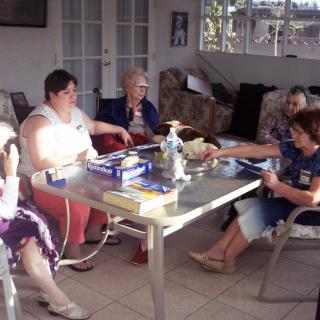
This Anaheim community is best suited for families seeking a warm, home-like setting where care is intensely personal and overseen by a nursing professional. The reviews converge on a small, intimate environment that prioritizes safety, transparency, and hands-on attention. It works well for seniors who flourish with individualized daily routines, home-cooked meals, and the sense that a knowledgeable caregiver truly knows their habits and preferences. For families facing end-of-life care or ongoing custodial support, this setting offers peace of mind: a place where questions are answered, and the resident’s comfort is the default operating principle.
Those who should consider alternatives are those needing a larger campus with comprehensive clinical programs, specialized memory care, or formal 24/7 nursing coverage that goes beyond what a single owner can provide. If strict clinical oversight, broad social programming, or a dog-free environment are must-haves, a more conventional assisted living or a skilled-nursing community may be a better fit. Also, if preference leans toward a facility with a broader menu of structured activities and on-site therapies, this smaller home may feel too quiet or insular.
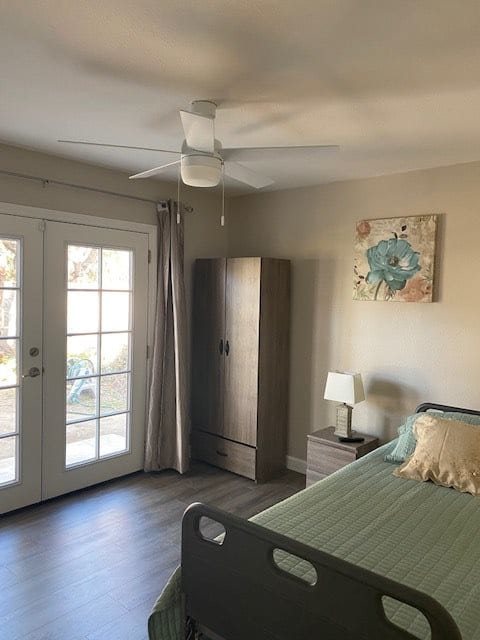
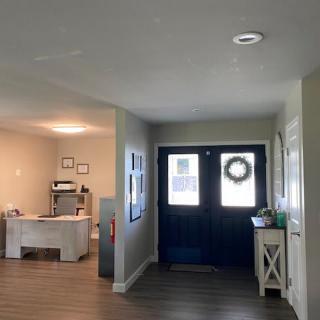
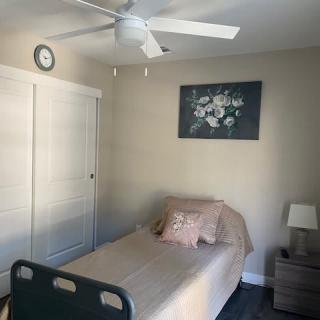
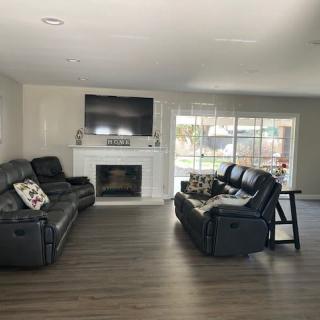
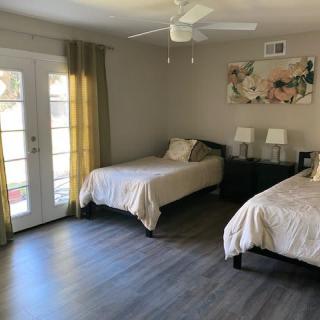
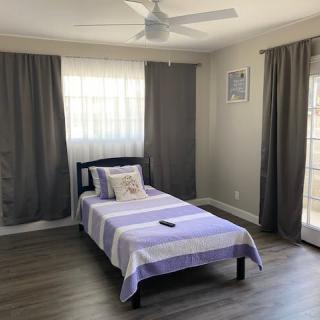
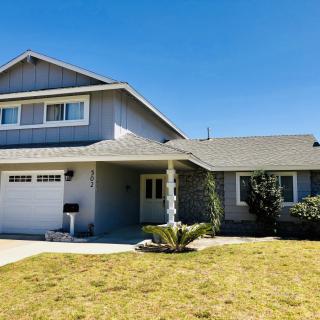
The strongest selling points center on the everyday quality of life and apparent clinical attentiveness. The home-like atmosphere is repeatedly described as spotless, brand-new, and thoughtfully designed, with a large backyard and a welcoming patio for family visits. Gourmet, scratch-made meals and even home-baked staples emerge as standout pleasures, underscoring a level of daily comfort that complements medical or custodial care. An owner who is explicitly identified as a nurse adds credibility on elder health knowledge, contributing to a sense of safety and the belief that medical nuances are understood in real time.
Evidence of tangible health benefits also surfaces in family accounts. One review notes a resident who moved from a skilled-nursing setting to this home and became the healthiest he has ever been, suggesting that a more personalized, less institutional environment can yield meaningful improvements in well-being and daily vitality. The discipline around house rules and thorough caregiver oversight are highlighted as core strengths, trusted to maintain safety, routines, and predictable care. Taken together, the practical care framework and the emotionally supportive setting appear to offset the lack of a larger clinical team for families prioritizing individualized attention.
Not every impression is perfectly aligned with the strongest positives. One reviewer mentions a less enthusiastic reaction, citing the owner and the back yard but stopping short of broad admiration. That candid note serves a legitimate reminder: this is a small, intimately run operation that may not resonate with everyone’s taste or expectations. For some potential residents, the vibe may feel too personal or not sufficiently energetic in terms of social programming. Prospective families should assess fit through a visit, paying attention to whether the pace, routines, and sensory environment align with their loved one’s preferences and social needs.
In the end, this community stands out for families who value safety, personal attention, and a home atmosphere over clinical formality. The confluence of a nurse-led approach, pristine living spaces, and chef-quality, scratch-made meals creates a compelling value proposition for those seeking reassurance that care is collaborative, visible, and deeply individualized. Families evaluating this option should prioritize a direct conversation about staffing coverage, daily schedules, hospice or palliative support alignment, and practical costs. For the right resident, this is not merely a place to live; it is a thoughtful, actively managed home where daily life and care feel predictably, purposefully integrated.
 Board and Care Home
 Activities off-site
 Beautician on-site
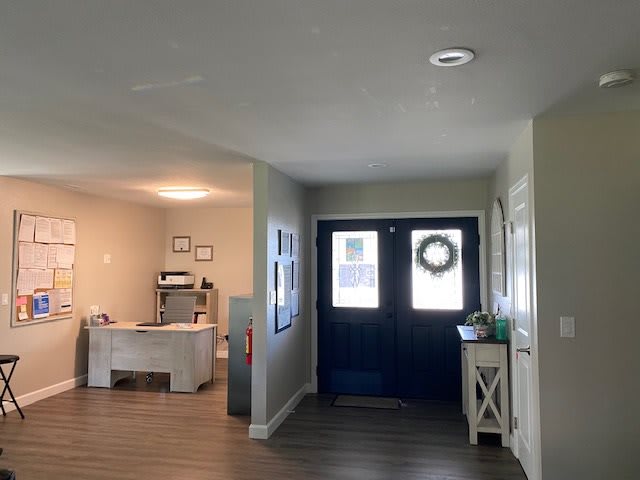
 Indoor common areas
 Outdoor common areas
 Private
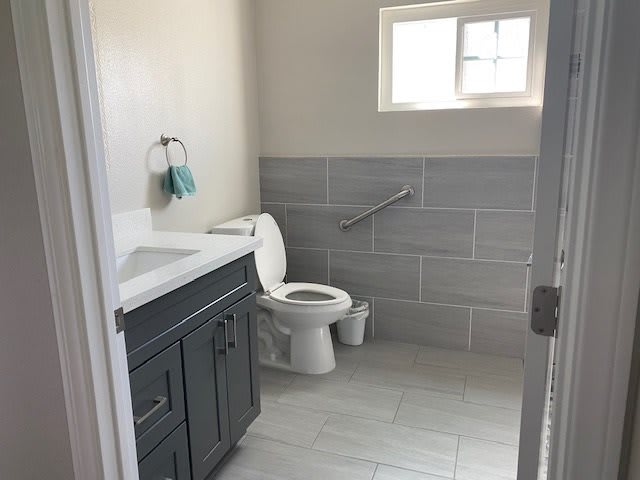
 Private bathrooms
 Respite or short term stays offered
 Wheelchair accessible showers
 John Wayne Orange Co (11 miles away)
 Ambulatory care
 Diabetic care
 High acuity care
 Incontinence care
 Medication management
 Meals provided
 BBQs or picnics
 Birthday parties
 Live dance or theater performances
 Live musical performances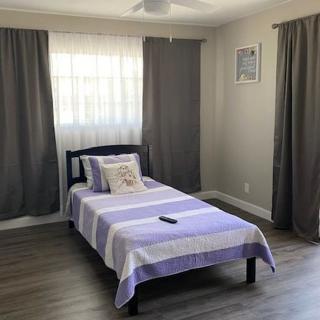

 Caregiver Exhaustion: Recognizing the Signs and Restoring Your Well-Being
 Understanding Hospice Care at Home: Comprehensive Services, Key Benefits, and Eligibility
 Understanding the Full Cost of 24/7 In-Home Care: A Detailed Overview