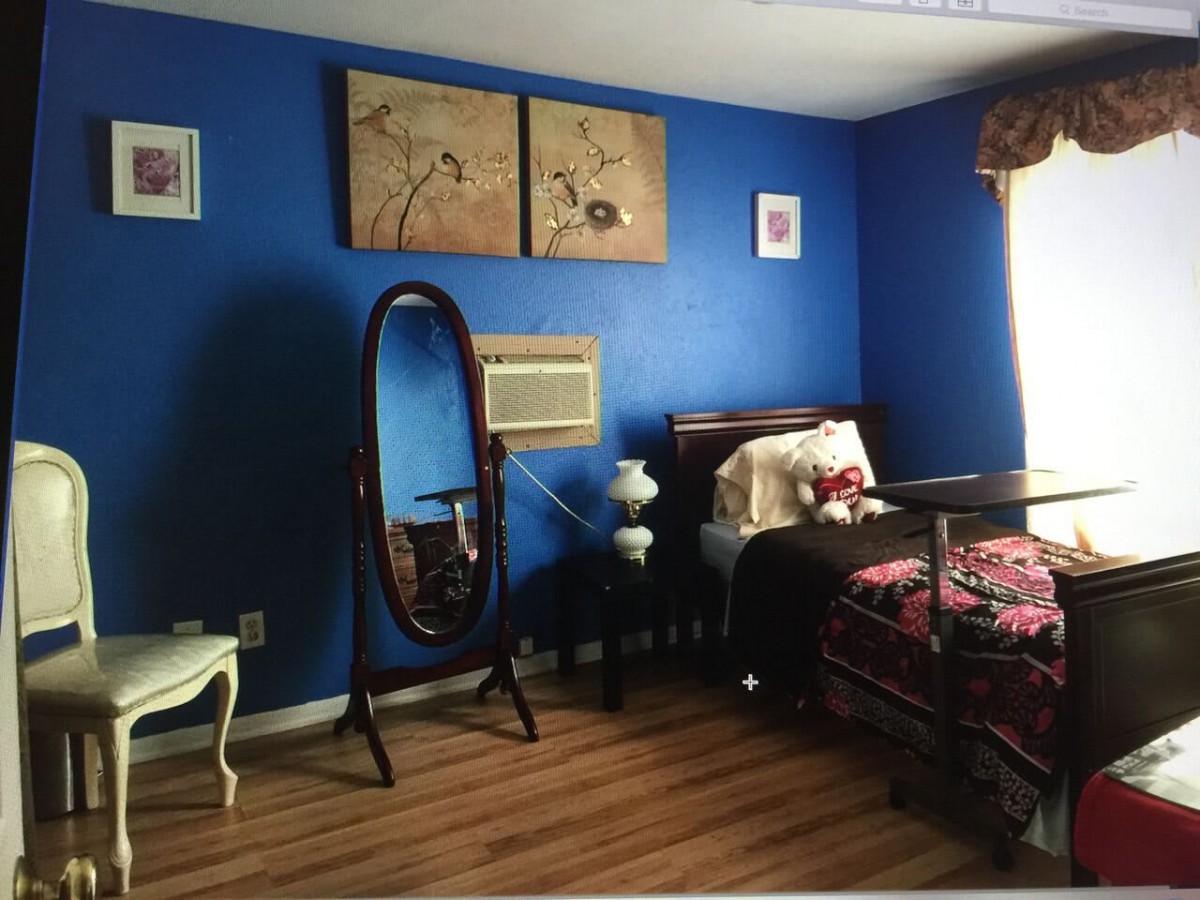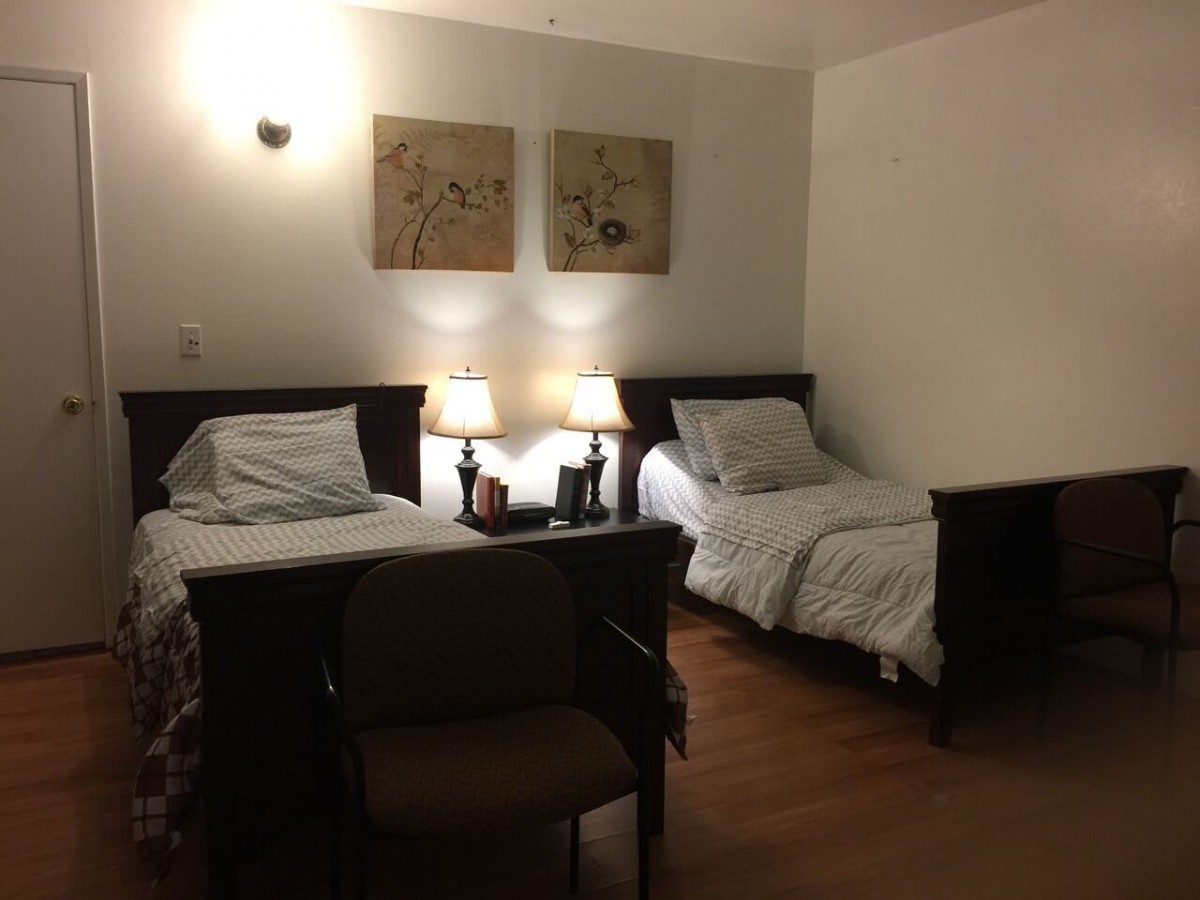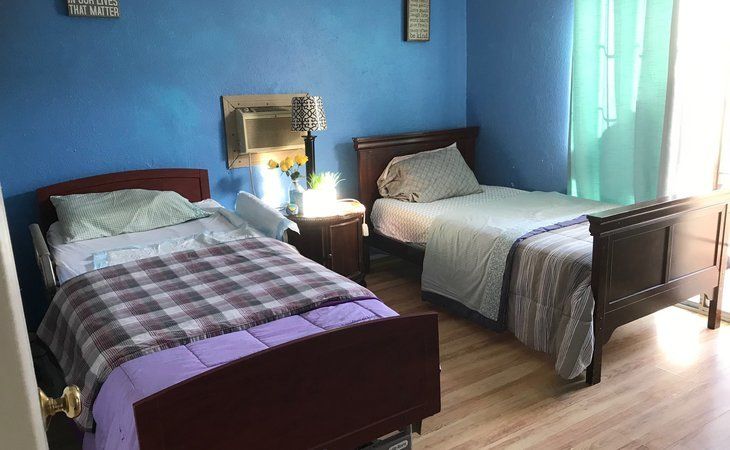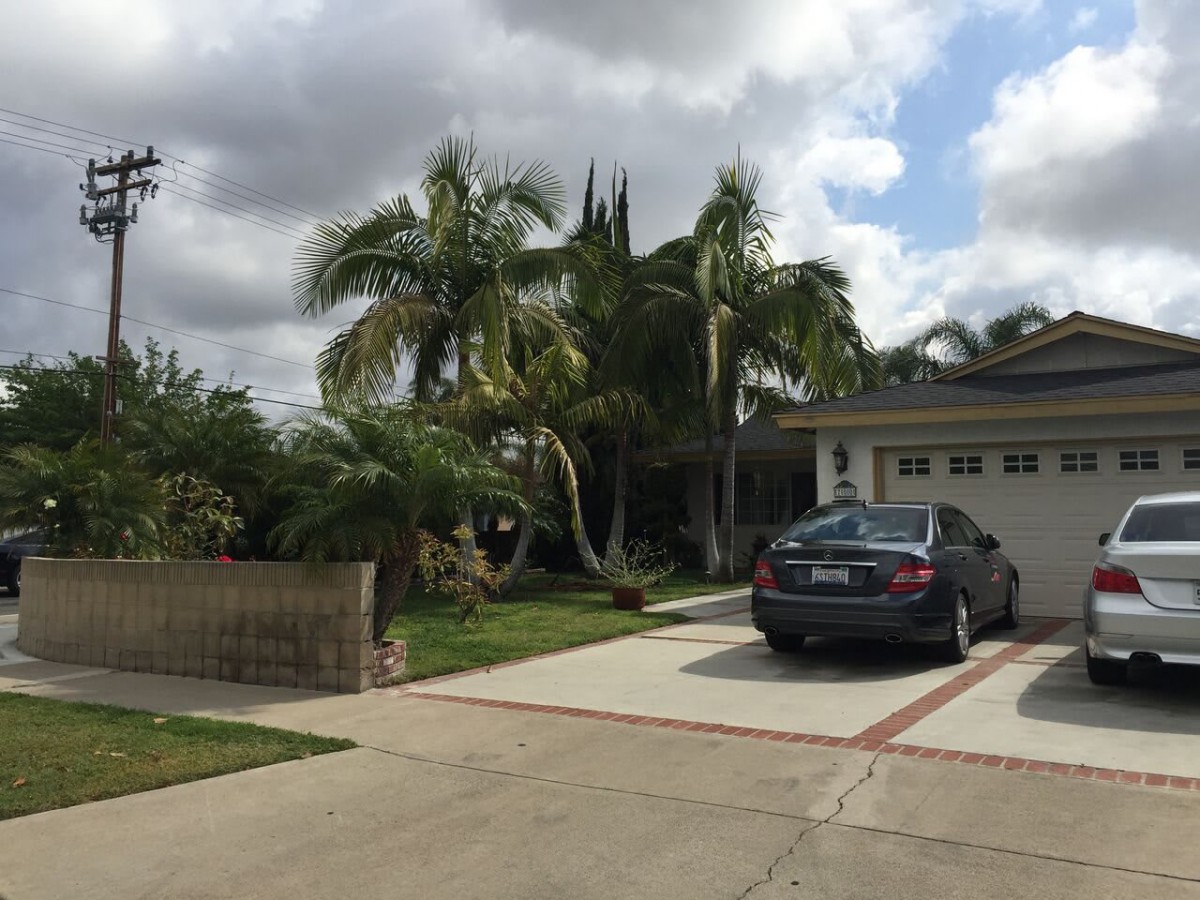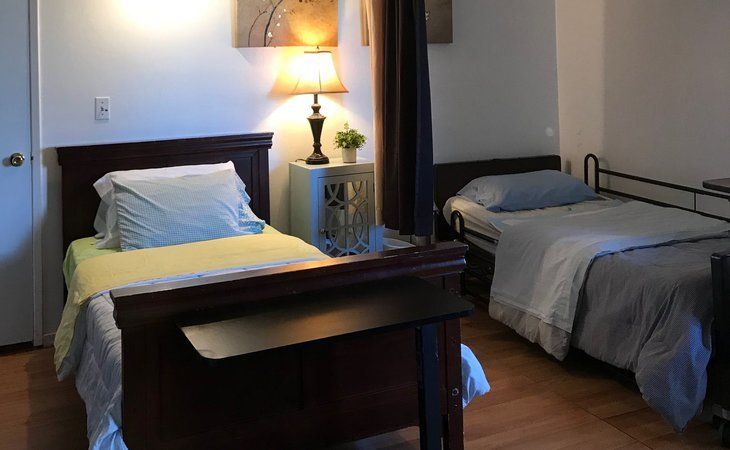
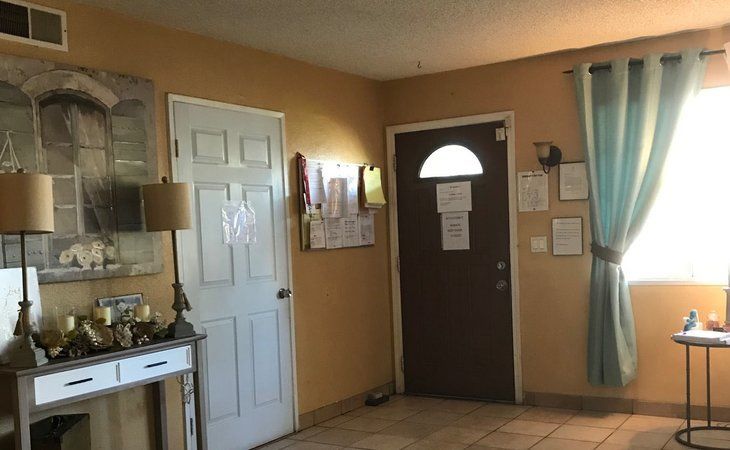
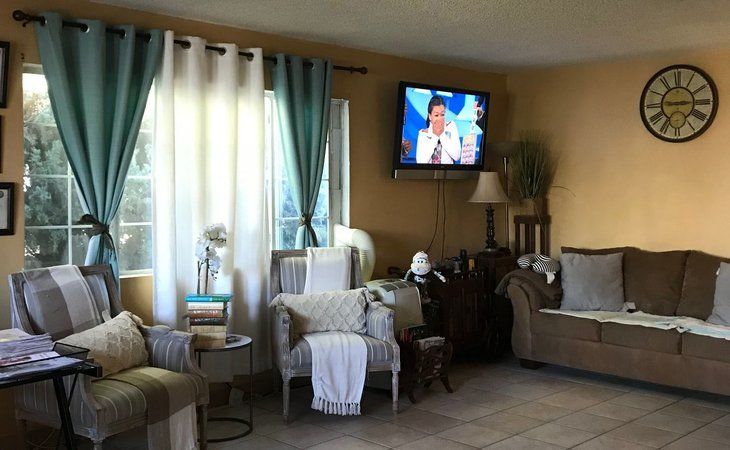
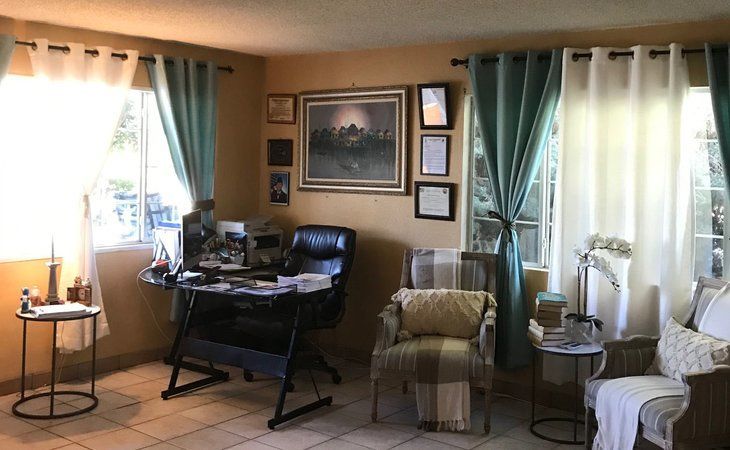
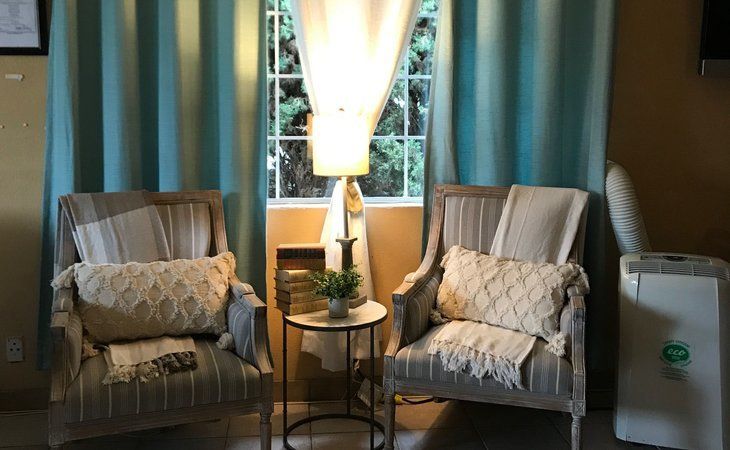
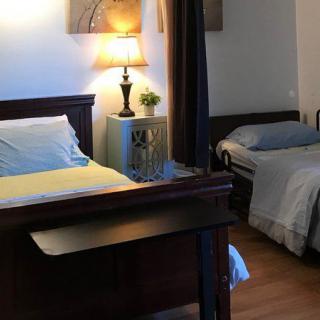
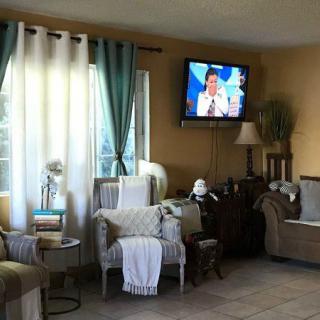



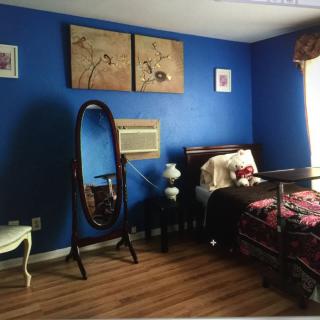

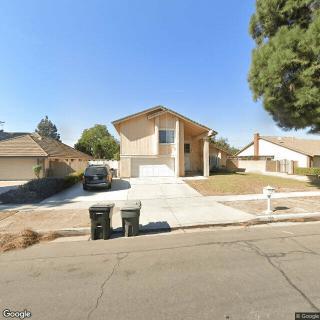
700 South Plymouth Place, Anaheim, CA 92806
For more information about senior living options: (866) 208-4318
3K Home Care Costs & Pricing
At 3K Home Care, the monthly costs for semi-private and private rooms are competitively priced at $3,000 and $4,000, respectively. When we compare these rates to the broader market in Orange County and California as a whole, 3K Home Care offers significant savings. In Orange County, a semi-private room averages $3,431 while a private room can go up to $4,104. Similarly, across California, the average cost for a semi-private space is about $3,333 and for a private room is approximately $3,939. This clearly highlights 3K Home Care's commitment to providing quality care at more accessible prices without compromising on service or comfort.
| Floor plans | 3K Home Care | Orange County | California |
|---|---|---|---|
| Semi-Private | $3,000 | $3,431 | $3,333 |
| Private | $4,000 | $4,104 | $3,939 |
Assisted Living communities with a similar price nearby
-
from +$500 / mo

Kind Heart Home Care VI
$3,500 to $5,000 / month24.2 miles away -
from +$500 / mo

Loving Home Care
$3,500 to $4,500 / month7.8 miles away -
from +$300 / mo

Bella Manor II
$3,300 to $4,290 / month11.1 miles away -
from -$200 / mo

Leah Loving Elderly Care
$2,800 to $3,000 / month9.0 miles away -
from -$300 / mo

Loving Care Senior Home
$2,700 to $3,500 / month10.5 miles away
Overall Review of 3K Home Care
Pros
 Brent (Physical Therapist), Alison (Occupational Therapist), and Yasbeli (Home Health Aide) received 5 stars for friendliness, kindness, and professionalism.
- Sandie was very helpful, and Anita and Kathy were fantastic, making a hard time easier.
- Ronaldo was professional, punctual, and clearly explained the exercises and their results, earning high regard as an in-home physical therapist.
- Lanette Schumacher provided amazing rehabilitation, challenged the patient with the necessary exercises, aided a speedy recovery, and is highly recommended for exceptional therapeutic services.
- The home was clean.
- The company is great.
- The owners were nice.
Cons
 The place is absolute trash.
- The service is terrible, with lazy nurses and bad attitudes.
- They are one of the absolute worst home health providers.
- They provide no needed help.
- They provide very little to no Medicare-covered supplies.
- They never send the same caregiver, so there is no control of care.
- When customers complain about supplies or service, they are horribly rude.
- They make it hard to get any tests done, risking delays and infections.
- They are not people who care; they are just using patients to collect a check.
- The name is misleading; there is nothing Christian about them or their service.
Review
3K Home Care in Anaheim is best suited for families that want in-home rehabilitation and hospice support delivered by skilled therapists and compassionate aides, and that can tolerate variability in daily staffing and oversight. When the focus is on physical therapy, occupational therapy, and end-of-life support with a clean, home-like setting, this agency can provide meaningful wins through individual providers who truly connect with clients. However, for households that require steady frontline nursing, predictable aide assignments, and consistent access to Medicare-covered supplies, this community often falls short. It is not the universal answer for all care scenarios, and the suitability hinges on how care teams are organized day to day.
Those who should consider alternatives include families seeking a consistently staffed program with tight case management and reliable daily oversight. If 24/7 nursing coverage, guaranteed supply availability, and minimal turnover in caregivers are non-negotiables, look toward larger agencies or facility-based options where a centralized management layer keeps teams aligned. Similarly, if a care recipient needs a carefully curated menu, structured activity planning, or a predictable daily routine with minimal caregiver variability, this provider’s current pattern of shifting personnel could undermine those expectations. In short, the strongest fit is rehabilitation- and hospice-centric care delivered with subject-to-change staffing rather than a steady, turnkey nursing model.
The compelling pros center on standout individual performances and the core rehabilitation ethos. Several therapists and hospice team members earn high praise for professionalism, timeliness, and genuine care. The reviews highlight after-fall successes with physical therapy, standout occupational therapy, and hospices that provide real emotional and logistical support during difficult times. A clean, home-like environment and an earnest, personable ownership presence are also cited as positives. When the right clinicians arrive, consistent with a clear plan, the care can be deeply effective, boosting mobility, comfort, and peace of mind for families.
Yet these strengths do not fully neutralize the main drawbacks. The most persistent concerns revolve around inconsistent staffing, limited caregiver continuity, and uneven access to necessary supplies. Several reviews describe “terrible service” and “lazy nurses with attitudes,” with patients not receiving timely tests or essential materials. The absence of a stable caregiver pool means care plans can drift, and accountability becomes diffuse. For a senior who relies on regular reminders, medication management, and dependable daily routines, this lack of continuity can erode progress and safety. The friction between high-skill therapy when present and weak frontline execution when the same staff are not consistently assigned creates a precarious balance.
Operational dynamics also color the experience. Observations about the home being clean and the owners being nice, yet the environment feeling busy and noisy due to many family members around, hint at a culture where personal attention can be crowded out by volume. The reality is that occasional administrative gaps, such as not aligning on menus or failing to maintain a steady caregiver cadre, diminish the value of otherwise excellent clinical touchpoints. Parking nuisances and other logistical irritants, while minor in isolation, compound frustration when coupled with inconsistent daily care. For families weighing this option, the hinge point is whether the anticipated rehab and hospice benefits are worth enduring possible care fragmentation and management churn.
Practically, decision-makers should pursue a disciplined due-diligence path before committing. Request a dedicated care team with a fixed set of professionals, including a preferred physical therapist, occupational therapist, and home health aide, to minimize turnover. Confirm Medicare coverage specifics and expected supply provisioning, and insist on a written, evolving care plan with clear milestones. Schedule a short trial period to assess how well the team executes the plan, how communication flows among clinicians, and whether the daily routine feels stable and safe. Compare this with alternatives that emphasize continuity, larger, centralized agencies or facility-based options, to determine which model aligns with the recipient’s medical needs, personal preferences, and family capacity for oversight.
In the end, 3K Home Care offers undeniable strengths where rehabilitative professionals shine and hospice support proves effective. Those strengths, however, must contend with a real pattern of staff variability and service gaps that can sap daily reliability. The right decision hinges on whether the family can harness consistent clinician assignments and robust oversight to realize the positive clinical potential, or whether a more predictable, tightly managed provider would better protect safety and daily quality of life. For households prioritizing rehab outcomes and compassionate end-of-life care in a home setting, this agency is a reasonable option worth pursuing, with strict guardrails and proactive coordination. For those prioritizing uninterrupted daily nursing coverage and unwavering routine, considering alternatives is prudent.
 6 resident community capacity
 Assisted Living
 Board and Care Home
 Respite Care
 Activities off-site
 Air-conditioning
 Cable or satellite TV
 Dining room
 Fully furnished
 Garden
 Housekeeping services
 Indoor common areas
 Move-in coordination
 Outdoor common areas
 Private
 Telephone
 Wheelchair accessible showers
 Wi-Fi/high-speed internet available
 John Wayne Orange Co (11 miles away)
 24-hour supervision
 Assistance with bathing
 Assistance with dressing
 Assistance with transfers
 Diabetes diet
 Diabetic care
 High acuity care
 Incontinence care
 Meal preparation and service
 Medication management
 Special dietary restrictions
 Transportation arrangement (medical)
 Transportation to doctors appointments
 BBQs or picnics
 Birthday parties
 Day trips and outings
 Trivia games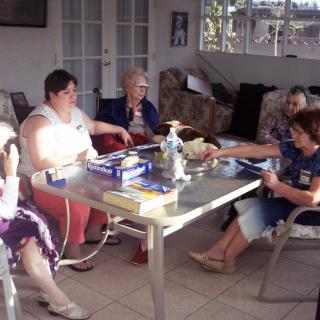




 How and When Medicaid May Cover Assisted Living Costs
 A Detailed Exploration of Assisted Living Medicaid Waivers Across the United States
 Comprehensive Residential Support and Assisted Living Solutions for Individuals with Disabilities