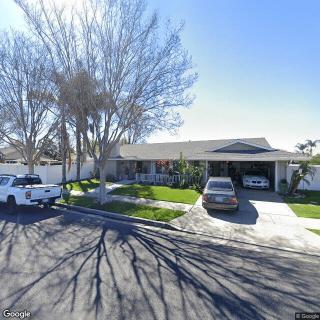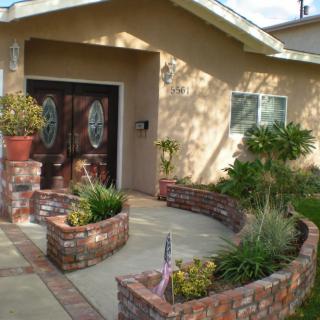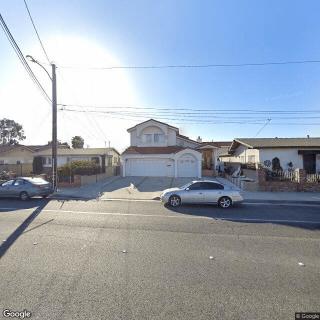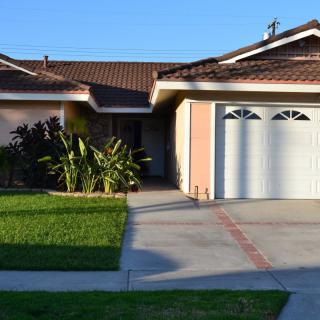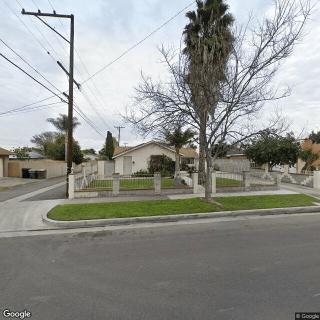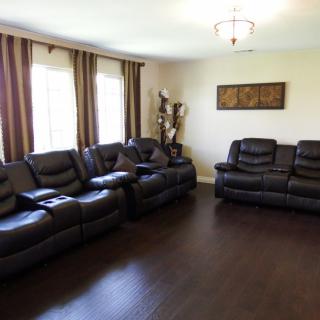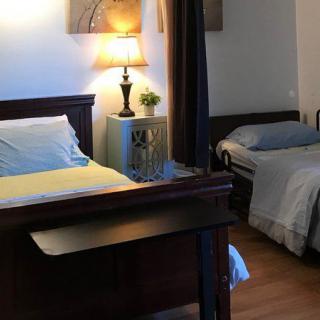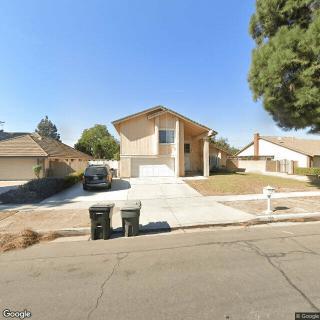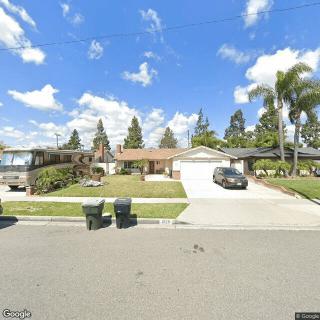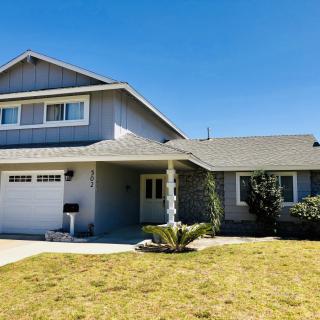
A.C.E. Advanced Care For Elderly in Anaheim, CA

Save
A.C.E. Advanced Care For Elderly A.C.E. Advanced Care For Elderly A.C.E. Advanced Care For Elderly

A.C.E. Advanced Care For Elderly in Anaheim, CA

2400 Tryon Avenue, Anaheim, CA 92806

For more information about senior living options: (844) 490-3973

4.6 from 9 reviews
5 stars
8
4 stars
0
3 stars
0
2 stars
0
1 stars
1

Assisted Living Board and Care Home Memory Care

A.C.E. Advanced Care For Elderly Costs & Pricing

A.C.E. Advanced Care for Elderly offers competitive pricing for its private and one-bedroom accommodations, with both room types available at $2,700 per month. This rate is significantly lower than the average costs in Orange County, where similar private rooms are priced at approximately $4,104 and one-bedroom units at around $4,380. Even in the broader context of California's elder care market, where the costs hover around $3,939 for private rooms and $4,340 for one-bedroom options, A.C.E. stands out as an affordable choice without compromising on quality. These cost advantages make A.C.E. a compelling option for families seeking dedicated care for their loved ones in a financially mindful manner.

Floor plansA.C.E. Advanced Care For ElderlyOrange CountyCalifornia
Private$2,700$4,104$3,939
1 Bedroom$2,700$4,380$4,340

Overall Review of A.C.E. Advanced Care For Elderly

Pros

  • pro The house is very clean and well maintained, and the staff are friendly and professional.
  • pro It is an amazing residential home that provides top-quality care for elderly residents.
  • pro ACE provides exceptional care and treats residents as if they were their own family.
  • pro It is a small, intimate home with full-time staff who make the stay feel like home.
  • pro The staff go beyond basic care, making the living environment pleasant, comfortable, and welcoming.
  • pro Families express gratitude and peace of mind due to the care and attention given.
  • pro The owner/administrator is a registered nurse who oversees care, medication, and residents' well-being.
  • pro The cost is very fair compared to other places.
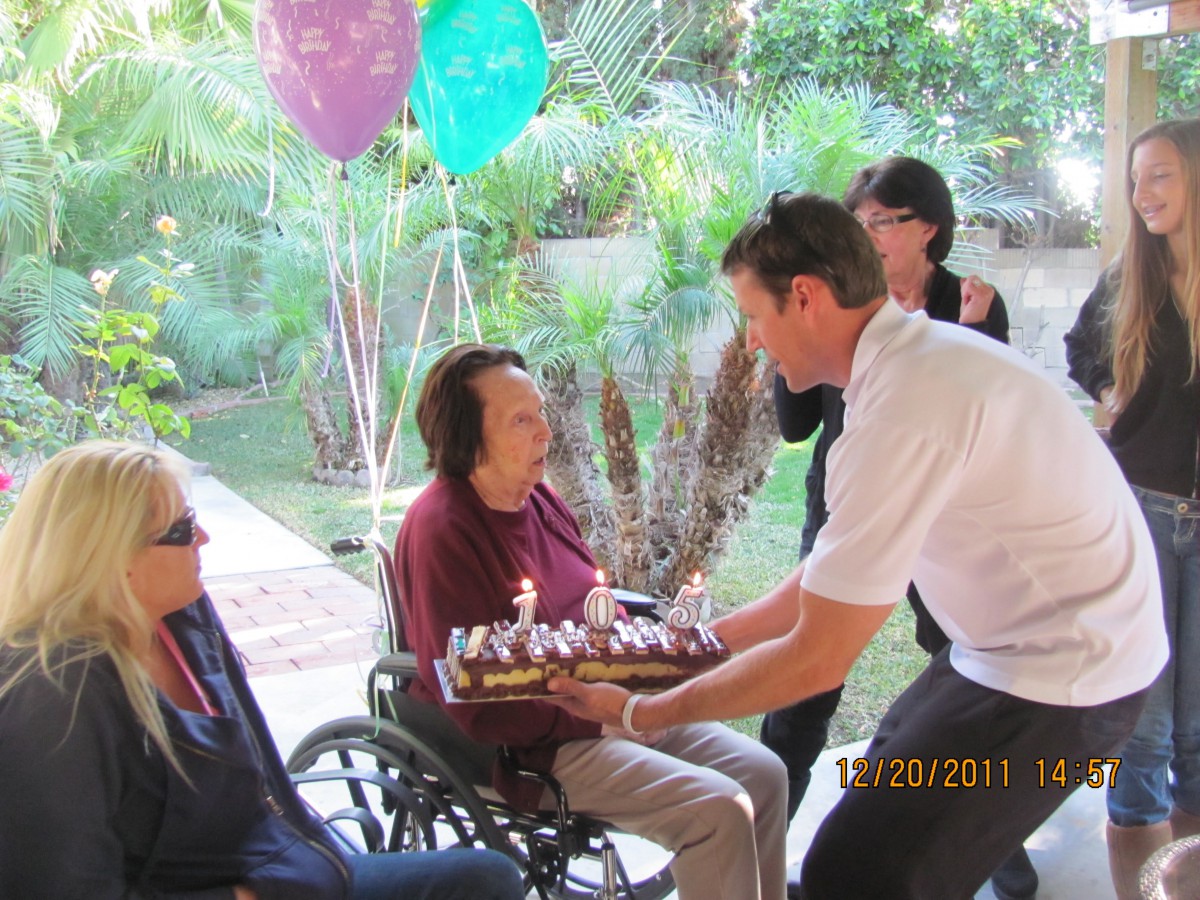
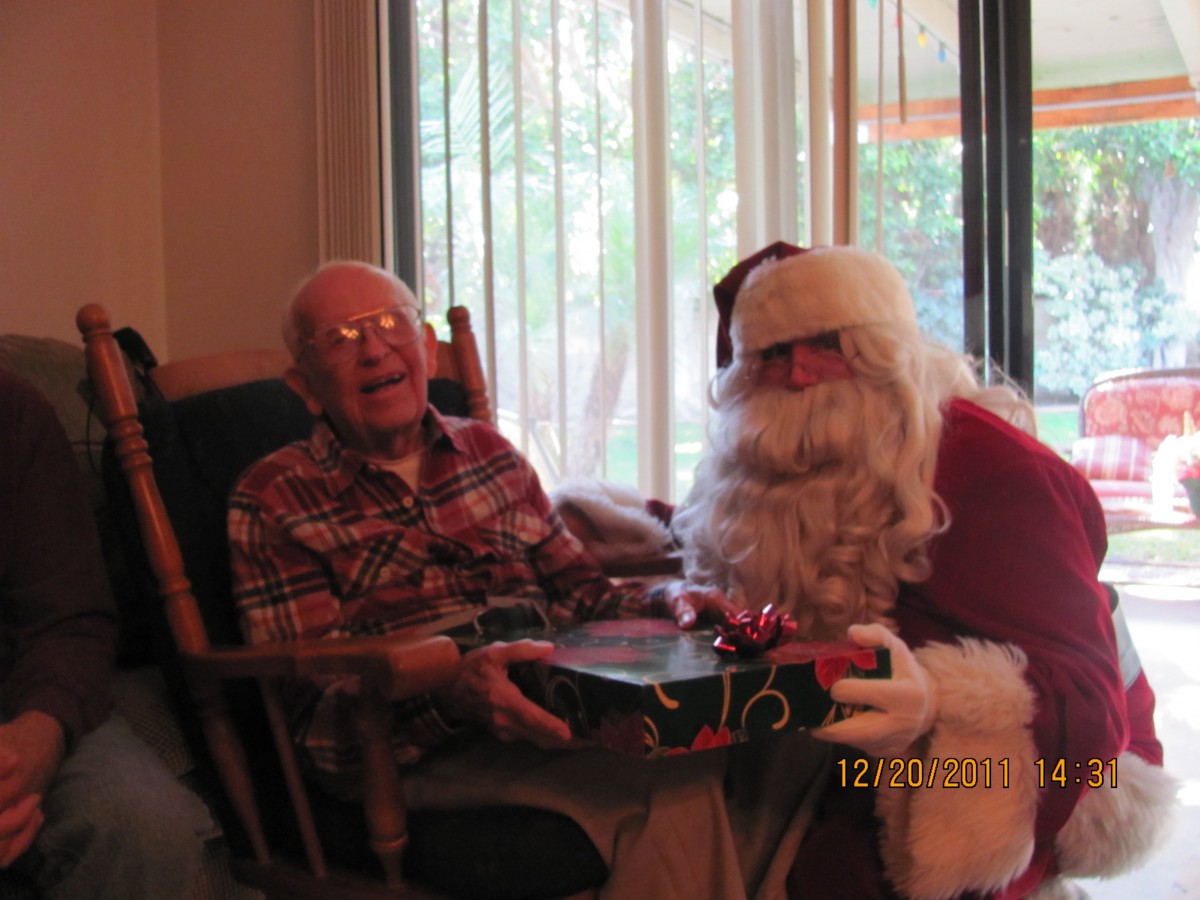
  • pro ACE hosts meaningful celebrations and creates special moments for families.

Cons

  • pro The mom hated the owner.
  • pro The owner sent the mom to the hospital by ambulance with no one from the home accompanying her.
  • pro The owner claimed to care for dementia patients, but that claim was not true.
  • pro Red flags were raised about the care at ACE.
  • pro The reviewer would not have chosen ACE if they knew then what they know now.

Review

A.C.E. Advanced Care For Elderly in Anaheim is best suited for families seeking an intimate, home-like setting where residents receive highly personalized attention from full-time staff and a nurse-led administrator. This community excels for seniors who do not require extensive, hospital-level medical services but still need reliable daily support, medication oversight, and a steady, reassuring presence. The environment is clean, well maintained, and clearly geared toward fostering comfort and a sense of belonging, with staff who are consistently described as friendly, professional, and devoted. For families prioritizing continuity of care in a small, homelike footprint, this home earns its keep.

However, certain circumstances point to alternatives. Those facing complex memory-care needs or behaviors that demand specialized dementia programming may wish to consider facilities with dedicated memory-care wings or larger teams trained specifically for dementia management. Prospective residents who require rigorous, 24/7 clinical oversight, frequent transitions to hospitals, or structured, enterprise-level operations may find a stand-alone, smaller setting less equipped to deliver that level of intensity. A single, local owner-operator can offer remarkable warmth and nimble responsiveness, but it also raises questions about consistency, scaling, and the depth of programmatic dementia care. One review signals a caution flag about dementia handling and crisis decisions, underscoring the importance of due diligence.

The strongest positives hinge on a combination of intimate care and proactive clinical oversight. Families repeatedly praise the home's cleanliness, the professionalism of the staff, and the sense that residents are treated like family. The RN-owner's involvement appears to deliver meaningful medication management, proactive well-being monitoring, and clear, ongoing communication with relatives - often via phone or text - giving families essential peace of mind. The small staff-in-residence model fosters a familiar routine, predictable caregiver assignments, and a welcoming, "homey" atmosphere that can significantly improve daily quality of life for residents who flourish in a steady, low-stress environment. Cost is described as fair for the level of care provided, a practical consideration for long-term planning.

That said, the one glaring negative review cannot be ignored. It highlights a real risk: when dementia care is part of the picture, caretaker judgment and safety become nonnegotiable. The reviewer recounts a serious lapse - hospital transport without accompanying support - and expresses deep concern about whether the caregiver can reliably meet dementia-specific needs. While multiple families voice high satisfaction, this outlier warns that the strongest advantages may not fully compensate for potential gaps in crisis handling or dementia-specific protocols. In practical terms, that means ACE can be an excellent match for residents who need steady, loving supervision and routine medical oversight, but it requires careful vetting of dementia capabilities and a clear, written plan for emergencies and behavioral issues.

During first visits, families should focus on tangible indicators of readiness. Confirm the presence of a consistently on-site RN or nurse leadership, and observe the daily caregiver-to-resident ratio. Ask to see recent medication management logs, incident reports, and care plans, and request to meet several staff members to gauge how interactions feel in real time. Inquire about dementia-specific training, behavior-management approaches, and the facility's policy for hospital transfers, including whether a designated staff member accompanies the resident during any urgent move. Seek references from current families, and verify licensure, inspection histories, and any recent corrective actions. Activities and social programming should align with the resident's interests, but the backbone remains robust clinical oversight and immediate access to medical support.

In practice, ACE presents a well-qualified choice for families who prize a warm, homey setting with transparent, nurse-led care and consistent family communication. It can be a superb fit for residents who thrive on stability, personalized attention, and a strong sense of belonging within a small community. However, when a loved one carries advanced dementia or requires highly specialized memory-care strategies, or when the care plan demands aggressive crisis management, it is wise to compare alternatives that offer dedicated memory-care programming, larger clinical teams, and more built-in redundancies. The decision should rest on a thorough site visit, direct conversations with the administrator, and a candid review of references, ensuring that the chosen path aligns with both current needs and potential future changes.

Ultimately, A.C.E. Advanced Care For Elderly delivers a compelling mix of warmth, attentiveness, and professional oversight that makes it a strong recommendation for the right family and the right resident. It is less suitable for those seeking extensive memory-care infrastructure or high-intensity clinical environments. Families should approach the process with a clear set of questions about dementia care, emergency procedures, and site-specific policies - and proceed only after verifying that the care philosophy, staffing, and safety practices align with the elder's evolving requirements. For the right fit, ACE can feel like a trusted, almost familial extension of home care, with the added confidence of RN-led stewardship.

Features

Housing

  • 6 resident community capacity 6 resident community capacity

Types of Care

  • Assisted Living Assisted LivingAssisted living facilities provide crucial support and care for seniors who may need help with daily tasks such as medication management, bathing, and meal preparation. These communities offer a safe and comfortable environment where seniors can maintain their independence while receiving the assistance they need to thrive in their golden years.
  • Board and Care Home Board and Care HomeBoard and care homes provide a smaller, more intimate setting for seniors who require assistance with daily tasks but do not need the level of care offered by a nursing home. They offer personalized care, meals, and social activities in a homelike environment, ensuring that seniors receive individualized attention and support in their golden years.
  • Memory Care Memory CareMemory care is crucial for seniors as it provides specialized support and services for individuals with dementia or Alzheimer's disease. These programs offer a safe and secure environment where residents receive personalized care, cognitive stimulation, and help with daily activities. Memory care helps seniors maintain their independence, quality of life, and dignity while also providing peace of mind for their families.

Pets

  • Cats allowed Cats allowed"Pet friendly" senior living communities are important for seniors because pets provide companionship, reduce feelings of loneliness and depression, promote physical activity and mental stimulation, and offer a sense of purpose and responsibility. Pets can improve overall well-being and quality of life for seniors in many ways.
  • Dogs allowed Dogs allowed"Pet friendly" senior living communities are important for seniors because pets provide companionship, reduce feelings of loneliness and depression, promote physical activity and mental stimulation, and offer a sense of purpose and responsibility. Pets can improve overall well-being and quality of life for seniors in many ways.

Amenities

  • Activities on-site Activities on-siteActivities on-site are important for seniors because they provide opportunities for socialization, mental stimulation, physical activity, and overall well-being. Engaging in activities can help seniors stay active, maintain their independence, and improve their quality of life.
  • Beautician on-site Beautician on-siteHaving a beautician on-site at a senior living community is important for seniors as it allows them to easily access grooming and personal care services, boosting their self-esteem and overall well-being. It also provides convenience and helps seniors maintain their sense of independence and personal style.
  • Cable or satellite TV Cable or satellite TVCable or satellite TV is important for seniors because it provides entertainment, news, and companionship, helping to combat loneliness and boredom. It also offers a wide range of programming options tailored to different interests and preferences.
  • Devotional services off-site Devotional services off-siteDevotional services off-site are important for seniors as they provide spiritual nourishment, social engagement, and a sense of community outside of the senior living facility. This can enhance overall well-being and help combat feelings of isolation and loneliness often experienced by older adults.
  • Devotional services on-site Devotional services on-siteDevotional services on-site provide seniors with spiritual support and a sense of community, as well as an opportunity for reflection and guidance during their senior living experience. This can promote emotional well-being and connection to others, leading to a more fulfilling and enriching lifestyle in their later years.
  • Dining room Dining roomDining rooms are important for seniors as they provide a space for socialization, connection, and nutritious meals. They offer opportunities for residents to bond over shared meals, foster a sense of community, and promote healthy eating habits. Dining rooms also ensure that seniors have access to well-balanced meals tailored to their dietary needs and preferences.
  • Fully furnished Fully furnishedFully furnished senior living communities are important for seniors because they provide convenience, comfort, and a hassle-free moving experience. Seniors can easily settle into their new living space without the stress of having to buy and move furniture. This allows them to focus on enjoying their new home and community.
  • Garden GardenGardens are important for seniors as they provide a peaceful and therapeutic environment for relaxation, physical activity, and socialization. Being in nature has been shown to reduce stress, improve mood, and promote overall well-being. Gardens also offer opportunities for seniors to engage in gardening activities, which can improve mobility, flexibility, and cognitive function. Additionally, gardens create a sense of community and connection with others who share a passion for plants and outdoor spaces.
  • Housekeeping services Housekeeping servicesHousekeeping services are important for seniors because they help maintain a clean and safe living environment, promote independence, and reduce the risk of accidents or illnesses. Additionally, having assistance with household chores can alleviate physical strain and allow seniors to focus on other aspects of their well-being.
  • Indoor common areas Indoor common areasIndoor common areas are crucial for seniors as they provide a space for socialization, recreation, and community engagement, promoting overall well-being and reducing feelings of isolation and loneliness.
  • Move-in coordination Move-in coordinationMove-in coordination is important for seniors because it helps ease the transition into their new living environment. It ensures that all logistics, such as packing, organizing movers, and setting up utilities are taken care of, allowing seniors to focus on settling in and adjusting to their new home. Having a smooth move-in process can alleviate stress and anxiety, making the transition smoother and more enjoyable for seniors.
  • Outdoor common areas Outdoor common areasOutdoor common areas are important for seniors as they provide a space for socialization, physical activity, and relaxation. Being outside in nature can improve mood and overall well-being, while also encouraging movement and engagement with others. These spaces can help combat feelings of isolation and promote a sense of community among residents.
  • Outdoor space Outdoor spaceOutdoor spaces are important for seniors as they provide opportunities for physical activity, social interaction, exposure to natural light and fresh air, and a sense of connection to nature. Having access to outdoor spaces can improve overall well-being and quality of life for older adults living in senior communities.
  • Private PrivatePrivacy is important for seniors as it allows them to maintain their independence, dignity, and sense of control over their own lives. It also gives them the space and freedom to relax, reflect, and engage in activities that bring them joy and fulfillment. Creating private spaces within senior living facilities is crucial for promoting overall well-being and quality of life.
  • Private bathrooms Private bathroomsPrivate bathrooms are important for seniors in senior living communities because they provide independence, dignity, and comfort. Having a private bathroom allows seniors to maintain their personal hygiene routines without the need for assistance, promoting a sense of autonomy and privacy. Additionally, private bathrooms help prevent the spread of infections and provide a safe and clean environment for seniors to navigate safely.
  • Respite or short term stays offered Respite or short term stays offeredRespite or short term stays provide seniors with a temporary solution when their regular caregiver is unavailable, offering them the opportunity to receive additional care and support during times of need, while also giving caregivers a chance to rest and recharge.
  • Telephone TelephoneTelephones are important for seniors as they provide a lifeline for communication with loved ones, emergency services, and healthcare providers. They offer a sense of security and independence, enabling seniors to stay connected and access assistance when needed.
  • Wheelchair accessible showers Wheelchair accessible showersWheelchair accessible showers are crucial for seniors as they provide a safe and independent bathing option for those with mobility challenges. These showers help prevent falls and allow seniors to maintain their dignity and autonomy while ensuring they can bathe comfortably.
  • Wi-Fi/high-speed internet available Wi-Fi/high-speed internet availableWi-Fi/high-speed internet is important for seniors to stay connected with loved ones, access online resources, and participate in virtual activities to combat feelings of loneliness and isolation. It also allows them to easily manage healthcare needs, access entertainment, and engage in lifelong learning opportunities.

Transportation

  • John Wayne Orange Co (10 miles away) John Wayne Orange Co (10 miles away)
  • Long Beach (Daugherty) (15 miles away) Long Beach (Daugherty) (15 miles away)
  • Ontario International (23 miles away) Ontario International (23 miles away)

Care Services

  • 24-hour supervision 24-hour supervision24-hour supervision is important for seniors to ensure their safety, well-being, and access to immediate assistance in case of emergencies or health issues. This constant support provides peace of mind for both seniors and their loved ones, allowing them to age in place with dignity and security.
  • Activities of daily living assistance Activities of daily living assistanceActivities of daily living assistance are important for seniors because they provide essential support with tasks such as eating, bathing, dressing, and mobility. This assistance helps seniors maintain their independence, dignity, and overall quality of life as they age.
  • Ambulatory care Ambulatory care"Ambulatory care services provide essential medical support and treatment to seniors without requiring hospitalization, allowing them to maintain their independence and quality of life while managing chronic conditions or receiving routine medical care."
  • Assistance with bathing Assistance with bathingAssistance with bathing is crucial for seniors as it helps maintain personal hygiene, prevents infections, and ensures their overall well-being and comfort. It also provides a sense of dignity and independence for seniors who may struggle with this task on their own.
  • Assistance with dressing Assistance with dressingAssistance with dressing is important for seniors because it helps maintain their independence, promotes personal hygiene, prevents accidents and injuries, and improves overall quality of life. This service ensures that seniors can continue to dress comfortably and confidently, despite any physical limitations they may have.
  • Assistance with transfers Assistance with transfersAssistance with transfers is crucial for seniors as it helps prevent falls and injuries, maintains their independence, and ensures they can safely navigate their living environment. It also provides peace of mind for both seniors and their loved ones.
  • Coordination with health care providers Coordination with health care providersCoordination with health care providers is crucial for seniors to ensure proper medical care, medication management, and overall well-being. This collaboration helps prevent overlapping treatments, track progress more effectively, and provide comprehensive support tailored to individual needs.
  • Diabetes diet Diabetes dietA diabetes diet is crucial for seniors as it helps manage blood sugar levels, reduce risks of complications, and improve overall health and well-being. By following a balanced and nutritious diet tailored to their specific needs, seniors can better control their diabetes and enhance their quality of life.
  • High acuity care High acuity careHigh acuity care is important for seniors because it provides specialized medical attention and support for individuals with complex medical needs. This level of care ensures that seniors receive the appropriate treatment and assistance to maintain their health and quality of life as they age.
  • Incontinence care Incontinence careIncontinence care is essential for seniors to maintain their dignity, hygiene, and overall quality of life. By addressing incontinence issues promptly and effectively, seniors can enjoy a sense of independence and comfort in their daily activities.
  • Meal preparation and service Meal preparation and serviceMeal preparation and service are crucial for seniors as they may have limited mobility or energy to cook nutritious meals. Having access to healthy and convenient food options can ensure they are getting the proper nutrition needed to maintain their overall health and well-being.
  • Medication management Medication managementMedication management is crucial for seniors to ensure they are taking the right medications at the correct dosages and times. This helps prevent adverse drug interactions, reduces the risk of medication errors, and promotes overall health and well-being. Proactive management also allows for adjustments as needed based on changing health conditions or new prescriptions.
  • Special dietary restrictions Special dietary restrictionsSpecial dietary restrictions are important for seniors because age-related changes in metabolism and health conditions can make it difficult for their bodies to process certain foods. By following a diet tailored to their specific needs, seniors can maintain their overall health and well-being, manage chronic conditions, and reduce the risk of complications such as malnutrition or food interactions with medications.
  • Transportation arrangement (medical) Transportation arrangement (medical)Transportation arrangements for medical purposes are essential for seniors as they may have difficulty driving themselves to appointments or accessing public transportation. Having reliable and safe transportation options ensures that seniors can receive timely medical care and maintain their health and well-being.
  • Transportation to doctors appointments Transportation to doctors appointmentsTransportation to doctors' appointments is crucial for seniors as it ensures they have access to necessary medical care and support for their health needs. Without reliable transportation, seniors may struggle to attend important appointments, leading to potential delays in treatment and health complications. Providing transportation services helps seniors maintain their overall well-being and quality of life.

Dining

  • Diabetes diet Diabetes dietA diabetes diet is crucial for seniors as it helps manage blood sugar levels, reduce risks of complications, and improve overall health and well-being. By following a balanced and nutritious diet tailored to their specific needs, seniors can better control their diabetes and enhance their quality of life.
  • Meals provided Meals provided"Meals provided" are crucial for seniors in assisted living communities as it ensures they have access to nutritious, balanced meals without the stress of meal planning and preparation. This can help promote overall health and well-being for seniors who may have limited mobility or cognitive abilities.
  • Special dietary restrictions Special dietary restrictionsSpecial dietary restrictions are important for seniors because age-related changes in metabolism and health conditions can make it difficult for their bodies to process certain foods. By following a diet tailored to their specific needs, seniors can maintain their overall health and well-being, manage chronic conditions, and reduce the risk of complications such as malnutrition or food interactions with medications.
  • Special dining programs Special dining programsSpecial dining programs are important for seniors because they provide nutritious meals tailored to their dietary needs and preferences. These programs also offer socialization opportunities, promote overall health and well-being, and can help prevent malnutrition.

Activities

  • Activities on-site Activities on-siteActivities on-site are important for seniors because they provide opportunities for socialization, mental stimulation, physical activity, and overall well-being. Engaging in activities can help seniors stay active, maintain their independence, and improve their quality of life.
  • Community-sponsored activities Community-sponsored activitiesCommunity-sponsored activities are important for seniors as they provide opportunities for social interaction, mental stimulation, and physical activity. These activities can help improve overall well-being, combat loneliness and isolation, and promote a sense of belonging and purpose among older adults.
  • Devotional activities offsite Devotional activities offsiteDevotional activities offsite are important for seniors because they provide social engagement, spiritual growth, and a sense of community outside of their living environment. This can improve overall well-being, mental health, and combat feelings of isolation or loneliness.
  • Devotional activities on-site Devotional activities on-siteDevotional activities on-site provide seniors with a sense of community, spiritual fulfillment, and emotional support, promoting overall well-being and a positive sense of purpose in their lives.
  • Reminiscence programs Reminiscence programsReminiscence programs are vital for seniors as they provide opportunities for them to reflect on their life experiences, share memories with others, and maintain cognitive function. These programs can improve mood, stimulate social interaction, and enhance overall well-being for older adults.
  • Scheduled daily activities Scheduled daily activitiesScheduled daily activities are important for seniors because they provide structure, socialization, mental stimulation, and physical activity. Engaging in regular activities can improve overall well-being and quality of life for seniors living in a community setting.
  • Sensory-based programs Sensory-based programsSensory-based programs are important for seniors as they can help stimulate their senses, improve cognitive function, reduce feelings of isolation, and enhance overall quality of life. These programs engage residents in a variety of sensory activities such as music therapy, aromatherapy, tactile stimulation, and reminiscence therapy, providing mental and emotional benefits for older adults in senior living communities.
Description

A.C.E. Advanced Care For Elderly in Anaheim, CA is a premier assisted living community offering top-notch care for seniors. We provide two types of care - Board and Care Home, as well as Memory Care - to cater to the unique needs of each individual resident.

Our community boasts a range of amenities that promote comfort and convenience. Residents can enjoy the services of an on-site beautician, cable or satellite TV, devotional services both on-site and off-site, and housekeeping services. Our fully furnished accommodations ensure that residents feel right at home, while our indoor and outdoor common areas provide spaces for socializing and relaxation.

At A.C.E., we prioritize the health and well-being of our residents. Our dedicated staff provides assistance with daily activities such as bathing, dressing, transfers, and ambulatory care. We also coordinate with healthcare providers to ensure that our residents receive comprehensive medical care. Specialized diets such as diabetes diet are accommodated, along with medication management and incontinence care.

Meals at our community are thoughtfully prepared and provided according to specific dietary restrictions. We offer special dining programs to enhance the dining experience for our residents.

Engaging activities are an integral part of life at A.C.E. We organize a variety of community-sponsored activities, devotional activities both on-site and off-site, reminiscence programs, scheduled daily activities, and sensory-based programs to keep residents stimulated and entertained.

Located in Anaheim, CA, we have convenient access to numerous essential amenities in the surrounding area. With several cafes, parks, pharmacies, physicians’ offices, restaurants, transportation options nearby; as well as places of worship and theaters within close proximity – our community ensures easy access to necessary services.

At A.C.E., we strive to create a warm and welcoming environment where seniors can thrive with personalized care tailored to their needs.

Nearby Places of Interest

This part of Anaheim, California, offers a variety of amenities and services that cater to the needs of seniors. There are several restaurants nearby, including familiar chain options like In-N-Out Burger and IHOP, as well as local dining options like Modern Times Leisuretown and Galactic Grill. Additionally, there are pharmacies such as Walgreens and CVS Pharmacy within a short distance for easy access to medications. For entertainment, there are theaters like Century Theatres and AMC Movie Theater nearby. Transportation options include the Artic station, Hertz Rent A Car, and various Disneyland Monorail stations for convenient travel. Places of worship like Chinese Baptist Church are also close by for spiritual support. Parks such as Steve Ambriz Memorial Park provide opportunities for outdoor recreation. Medical facilities like Kaiser Permanente and St Jude Medical Center ensure access to quality healthcare in the area. Overall, this part of Anaheim is a well-rounded community with a range of conveniences for seniors looking for a comfortable living environment.

Restaurants

  • In-N-Out Burger (0.5 miles)
  • McDonald's (1.5 miles)
  • Modern Times Leisuretown (1.7 miles)
  • Golden Road Brewing (2 miles)
  • McDonald's (2.1 miles)
  • IHOP (2.1 miles)
  • Galactic Grill (2.2 miles)

Pharmacies

  • Walgreens (1.2 miles)
  • CVS Pharmacy (1.7 miles)
  • Walgreens (2.3 miles)
  • CVS/pharmacy (2.4 miles)
  • Walmart Pharmacy (2.5 miles)
  • CVS Pharmacy (3.1 miles)
  • Walgreens (3.6 miles)

Theaters

  • Century Theatres (1.2 miles)
  • AMC Movie Theater (2.9 miles)
  • AMC DINE-IN Fullerton 2 (3.4 miles)
  • Regal Yorba Linda & Imax (6.1 miles)

Transportation

  • Artic (1.4 miles)
  • Drr Tomorrowland Station (2.1 miles)
  • Hertz Rent A Car (2.1 miles)
  • Disneyland Monorail (2.1 miles)
  • Drr Toontown Station (2.2 miles)
  • DLRR New Orleans Station (2.4 miles)
  • Disneyland Monorail - Downtown Disney District Station (2.6 miles)

Places of Worship

  • Chinese Baptist Church (1.7 miles)

Cafes

  • Anaheim Packing District (1.8 miles)
  • Jolly Holiday Bakery Cafe (2.3 miles)
  • Hollywood Land (2.3 miles)
  • New Orleans Square (2.4 miles)
  • La Brea Bakery Express (2.4 miles)
  • Starbucks (2.5 miles)
  • Starbucks (3.7 miles)

Parks

  • Steve Ambriz Memorial Park (1.8 miles)
  • Willow Park (3.2 miles)
  • Faylane Park (4.6 miles)
  • Craig Regional Park (5.8 miles)

Physicians

  • The 200 Building (2.5 miles)
  • Kaiser Permanente Medical Building 1 (3 miles)
  • Kaiser Permanente, Euclid & Romneya (3.8 miles)
  • St Jude Medical Center (5.5 miles)
  • Cardiology Specialists of Orange County (5.7 miles)

Hospitals

  • Choc (3.1 miles)
  • Anaheim Regional Medical Center (3.4 miles)

Frequently Asked Questions

How much does it cost to live at A.C.E. Advanced Care For Elderly in Anaheim, CA?
Where is A.C.E. Advanced Care For Elderly?
Does A.C.E. Advanced Care For Elderly provide care for residents with dementia or Alzheimer's disease?
Does A.C.E. Advanced Care For Elderly allow residents to have pets?
What photos are available for A.C.E. Advanced Care For Elderly in Anaheim, California?

Nearby Communities

  • Brightwoods Home I

    Brightwoods Home I

    Anaheim, CA

    4.5 from 4 reviews
    $2,000 to $3,000 / month

    pro Competitive, affordable pricing for semi-private and private rooms compared with local averages.

  • Royal

    Royal

    Anaheim, CA

    4.8 from 10 reviews
    $4,000 to $4,800 / month

    pro Immaculate, spacious setting with attentive staff.

  • Viking Home For The Elderly

    Viking Home For The Elderly

    Anaheim, CA

    4.8 from 14 reviews
     

    pro Comprehensive care with ADLs, diabetes-friendly meals, and transportation support.

  • 3K Home Care

    3K Home Care

    Anaheim, CA

    3.4 from 17 reviews
    $3,000 to $4,000 / month

    pro Clean, well-maintained facility with approachable owners and committed staff.

  • Villa De Martin Jude Homes

    Villa De Martin Jude Homes

    Anaheim, CA


    pro Prime Anaheim location with convenient access to numerous amenities.

  • South Home Care

    South Home Care

    Anaheim, CA

    5 from 1 review
    $3,700 / month

    pro Friendly, proactive staff and a spacious, well-maintained setting.

  • Harbor Villa Care Center

    Harbor Villa Care Center

    Anaheim, CA

    3.4 from 51 reviews
     

    pro COVID-free environment with appealing meals and some staff committed to care.

  • ELD Healthcare

    ELD Healthcare

    Orange, CA

    5 from 6 reviews
    $5,000 to $6,500 / month

    pro Immaculate cleanliness with compassionate, personalized care and flexible schedules.

  • Agape Orange Home II

    Agape Orange Home II

    Orange, CA

     
    $4,000 to $5,000 / month

    pro Comprehensive care options (including memory care) with 24/7 supervision and extensive on-site services.

Related Resources

  • list of drugs linked to dementiaA Thorough Discussion of Medications Potentially Linked to Dementia Risk

    Dementia, influenced by aging and certain medications, may be exacerbated by drug classes such as anticholinergics, benzodiazepines, and antipsychotics, which are associated with cognitive impairment. Regular medication reviews by healthcare professionals are crucial for older adults to manage risks and optimize cognitive health.

  • do dementia patients sleep a lotWhy Do Dementia Patients Sleep So Much? Understanding Oversleeping, Stages, and Care Approaches

    Dementia often results in disrupted sleep patterns, leading to excessive daytime sleeping due to factors like brain damage affecting circadian rhythms, medication side effects, and lack of structure in daily activities. Caregivers must monitor these changes closely, as oversleeping can increase risks such as malnutrition or dehydration, and provide necessary support and routines to enhance patient engagement and well-being.

  • when to move from assisted living to nursing home8 Key Indicators That Suggest It May Be Time to Transition from Assisted Living to Skilled Nursing Care


    The transition from assisted living to skilled nursing care is often prompted by complex medical needs that assisted living cannot meet, with key indicators including frequent health declines, increased falls, severe memory issues, and caregiver burnout. Families should recognize these signs early to discuss options with healthcare providers and prepare for the emotional and logistical aspects of moving to a facility that offers comprehensive medical support.