
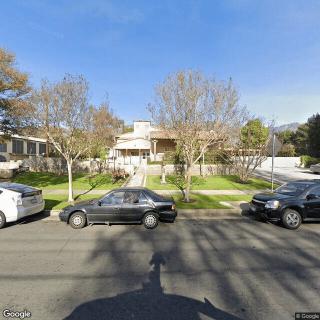
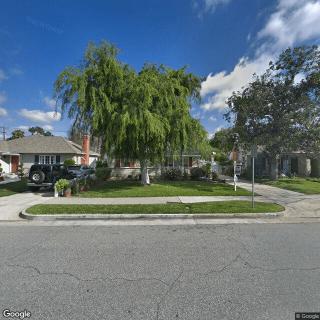
2212 El Molino, Altadena, CA 91001
For more information about senior living options: (866) 208-4318
Overall Review of Montecedro
Pros
 It is a wonderful senior community with friendly staff and a great environment for seniors to live.
- Monte Cedro is an upscale retirement community with terrific facilities, two dining areas, and various levels of care, well worth exploring.
- The staff, the fire department, and the sheriffs did an amazing job under pressure during the evacuation.
- Every resident of Monte Cedro is safe, reflecting effective crisis response.
- The facility is run by a non-profit organization, which is a positive aspect.
- The building’s Type 1 construction provides resilience and time to evacuate safely.
- Residents can enjoy dancing in their gowns.
Cons
 A reviewer claims staff left a 100-year-old resident by herself during the evacuation.
- Several reviews allege the facility failed to evacuate all residents, putting vulnerable people at risk.
- Memory care and activities staff are described as unfriendly.
- One reviewer urges that MonteCedro be shut down and that the ownership be investigated to protect loved ones.
- Critics complain that evacuation warnings were not issued for hours, endangering residents.
- An additional reviewer warns others not to bring anyone near MonteCedro and hopes it is shut down.
Review
Monte Cedro in Altadena is best suited for affluent, socially oriented retirees who want an upscale, campus-style living experience with a full range of care options on site. The community delivers a polished environment, strong maintenance, and a calendar filled with activities that appeal to residents who value vitality and social connection. Families drawn to a non-profit governance model and a facility that signals stability and investment in care will find alignment here. The tradeoff is steep: a substantial entrance fee, around the half-million mark, plus ongoing monthly costs, which makes this option most viable for those who can justify premium living as part of long-term planning. Alternatives should be on the radar for budget-conscious families or those seeking a firmer, more transparent track record on safety and staffing.
On balance, the major pros are substantive. The property reads as neat, clean, organized, and designed to feel safe for daily living. Staff are repeatedly described as friendly in the peer narrative, and the campus supports seniors with a genuine sense of community, two dining venues, diverse activities, and a plan that covers independent living and expanding care levels as needs evolve. The architecture and grounds project a refined, inviting ambiance that can help residents maintain independence longer while staying connected to peers. The non-profit framework adds a perceived layer of mission-driven accountability that can be reassuring for families seeking governance beyond simple profitability.
Yet the main cons cannot be ignored, and they are consequential enough to influence a decision. The financial barrier is outsized: the entrance fee is a major hurdle that will limit access to a narrower pool of potential residents, even among those who can afford ongoing costs. Care experience is not uniformly praised; memory care and activities staff receive mixed feedback, with some residents reporting unfriendly interactions that can erode everyday quality of life for those who depend on dedicated, compassionate support. Most weighty is the evacuation controversy sparked by the Eaton Fire, which has left a fissure in trust for some families. While supporters credit staff and first responders for handling a dangerous crisis under pressure, allegations that not all residents were accounted for during evacuation create a real, lasting concern about crisis preparedness.
The pros partially offset the cons when viewed through a practical lens. The campus’s resilience in design (Type 1 construction) and the presence of on-site, multi-level care can provide a smoother transition if needs intensify, reducing the chaos of relocation later. The high-end facilities and social programming deliver tangible quality of life benefits that are hard to replicate in lower-cost settings. The non-profit governance and the sense of community can matter greatly to families seeking continuity and a values-driven environment. Still, the discrepancy between positive resident impressions and the stark evacuation criticisms means that safety and trust should be probed directly, with current staff, residents, and families, before committing.
Alternatives are worth serious consideration for households prioritizing cost control or fire-safety transparency. For those who cannot tolerate a six-figure entrance investment or ongoing fees, smaller, lower-cost communities in or near Altadena may offer comparable social vitality and more predictable pricing. Families who are especially concerned about crisis readiness should seek options with clear, audited evacuation procedures, regular drills, and demonstrably steady staffing in memory care and activities. If staying in this geographic niche is important, ask for recent safety audits, incident logs, and a direct tour that includes a crisis-simulation walkthrough to gauge how the facility would actually respond in a real emergency.
In the end, Monte Cedro stands as a compelling choice for the right buyer: a financially prepared senior who prizes luxury, community, and on-site care flexibility, and who is willing to navigate questions about emergency preparedness in exchange for a strong culture of care and an aesthetically exceptional environment. The price of admission is high, the social and physical offerings are attractive, and the safety narrative is mixed enough to demand due diligence. Prospective families should pursue a candid, in-depth discussion with leadership, insist on current safety statistics and staffing patterns, and supplement that with unfiltered conversations with current residents and their families to determine whether Monte Cedro’s promise aligns with their risk tolerance and long-term care expectations.
 300 resident community capacity
 Continuing Care Retirement Community (CCRC)
 Respite Care
 Air-conditioning
 Beauty salon
 Cable or satellite TV
 Computer center
 Dining room
 Fitness room
 Fully furnished
 Gaming room
 Garden
 Housekeeping services
 Kitchenette
 Move-in coordination
 Outdoor patio
 Outdoor space
 Private bathrooms
 Restaurant-style dining
 Small library
 Telephone
 Wellness center
 Wi-Fi/high-speed internet available
 Burbank-Glendale-Pasadena (13 miles away)
 Community operated transportation
 24-hour call system
 Activities of daily living assistance
 Assistance with bathing
 Assistance with dressing
 Assistance with transfers
 Diabetes diet
 Medication management
 Special dietary restrictions
 Concierge services
 Planned day trips



 Home Health Care Demystified: A Comprehensive Guide for Families and Caregivers
 Seniors and Modern Transportation: Exploring Uber, Lyft, and Other Ride-Hailing Options
 Comprehensive Guide to Qualifying for Home Health Care Services