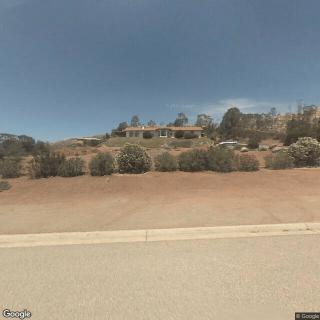
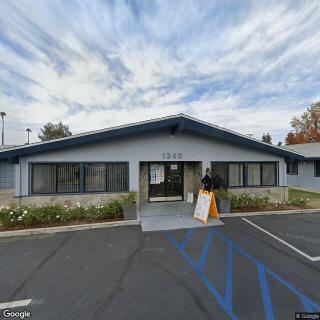
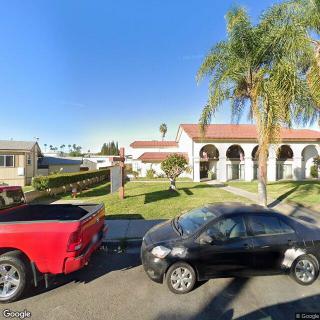
Alpine View Lodge in Alpine, CA

Save
Alpine View Lodge Alpine View Lodge Alpine View Lodge

Alpine View Lodge in Alpine, CA

Information last verified:

973 Arnold Way, Alpine, CA 91901

For more information about senior living options: (844) 490-3973

5 from 21 reviews
5 stars
20
4 stars
1
3 stars
0
2 stars
0
1 stars
0

Alpine View Lodge Costs & Pricing

Alpine View Lodge offers competitive pricing for its residents, particularly when compared to broader market averages in San Diego County and the state of California. For a semi-private room, Alpine View Lodge charges $2,850 per month, significantly lower than the county average of $3,518 and the state average of $3,333. Similarly, their studio accommodation is priced at $3,550 per month, which is also more affordable than the county's $4,217 and California's average of $4,145. These cost advantages make Alpine View Lodge an appealing choice for those seeking quality care without the elevated price tag often associated with similar facilities in the region.

Floor plansAlpine View LodgeSan Diego CountyCalifornia
Semi-Private$2,850$3,518$3,333
Studio$3,550$4,217$4,145

Overall Review of Alpine View Lodge

Pros

  • pro Alpine View Lodge is a very caring place that is affordable and clean.
  • pro The staff at Alpine View Lodge are friendly, attentive, and genuinely care about residents.
  • pro Alpine View Lodge offers a warm, home-like atmosphere with compassionate, professional care.
  • pro The staff's compassion, empathy, and attention to detail are evident every day at Alpine View Lodge.
  • pro Families highly recommend Alpine View Lodge for the care of their loved ones.
  • pro The facility is kept exceptionally clean and well maintained.
  • pro Residents at Alpine View Lodge enjoy personalized care and meaningful moments, including staff who sing along to residents’ songs.
  • pro The leadership and team at Alpine View Lodge are described as going above and beyond in service.
  • pro Alpine View Lodge is a smaller, intimate setting that provides excellent care.
  • pro Reviewers describe Alpine View Lodge staff as angels on earth for their kindness and dedication.

Cons

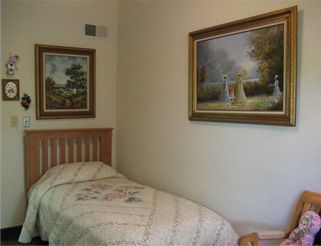
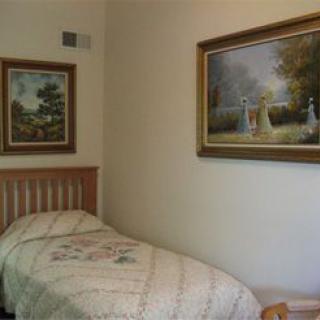
  • pro The rooms were too small to accommodate the mom comfortably.
  • pro It is a very old facility, though it was clean.
  • pro More than half the residents there are at the point of being bedridden.
  • pro They had moved their mom from a larger facility with questionable care.

Review

Alpine View Lodge is best suited for families seeking an intimate, home-like setting where a loved one with memory impairment or significant care needs can receive highly personal, consistently attentive supervision. The community operates as a small, tightly knit home rather than a large campus, which translates into caregivers who know residents well, respond quickly, and partner closely with families. Cleanliness and dignity are not afterthoughts here; they are everyday commitments backed by a staff that visibly cares. The model shines when daily routines, comfort, and gentle, relationship-driven care take priority over spectacle or breadth of programming. This makes it an excellent match for families who want warmth, reliability, and a stable caregiving presence, especially for residents who benefit from routines, memory-support features, and a caregiver-to-resident culture that treats people as individuals. Those who need expansive activity calendars, larger private rooms, or cutting-edge medical amenities should consider alternatives.

The strongest elements lie in the caliber of caregiving and the environment surrounding it. Residents benefit from a consistently compassionate staff that treats care tasks as a daily ethic rather than a checkbox. The facility’s staff are attentive to needs, with concrete measures to prevent common complications of immobility, such as bedsores, through frequent repositioning and careful hygiene. Families repeatedly note genuine warmth, ethical conduct, and professionalism, paired with a sense that staff members take ownership of residents’ well-being. Cleanliness and a home-like atmosphere are recurring themes, reinforcing the impression that Alpine View Lodge prioritizes comfort and dignity alongside safety. The involvement of the owner in daily operations, plus a culture of staff going the extra mile, contributes to trust and long-term satisfaction, especially for families navigating dementia care or end-of-life transitions.

On the other hand, some realities of a smaller, older facility present potential drawbacks. The rooms tend to be modest in size, which can be a practical concern for families seeking more spacious accommodations or for residents who require roomier personal space. A sizeable portion of residents being bedbound or near-bedbound is mentioned in some reviews, which implies a care regime oriented toward intensive daily support rather than broad, activity-rich engagement. While the care staff excel at safety and routine, the environment may not offer the same breadth of recreational programming or architectural modernization found in larger campuses. For families who prize expansive common areas, resort-style amenities, or a campus designed for high-energy activities, Alpine View Lodge may feel constrained.

These pros offset the cons in meaningful, decision-relevant ways for the right resident. The intimate scale and high caregiver engagement mean fewer gaps in supervision and more nuanced, person-centered care. When a resident’s daily life benefits from consistent routines, familiar staff, and a culture that celebrates personal connections, evidenced by moments like music and language-compatible interactions, the benefits can outweigh the limitations of room size or facility age. The ability of staff to form genuine bonds, deliver home-cooked meals, and maintain a secure, non-institutional atmosphere translates into lower distress for residents and clearer communication for families. In dementia care, where emotional safety and predictable routines matter as much as medical oversight, Alpine View Lodge delivers value that larger, more impersonal settings often struggle to match.

Families who should consider alternatives are those prioritizing broader activity programming, larger private or semi-private living spaces, or more advanced medical and rehabilitative services. If a loved one requires frequent physical therapy, expansive social calendars, or rapid access to a wide spectrum of medical specialists, a larger campus with newer infrastructure may better align with expectations. Those seeking highly modernized interiors or a facility with more robust opportunities for independence before transitioning to higher levels of care might find the constraints of a smaller, older building less compatible with their goals. Additionally, if proximity to specialized respite care or multiple campuses is a deciding factor, exploring comparable options in a broader network could be prudent. The key is matching the care ethos, compassionate, attentive, familial, with the logistical preferences and future care trajectory of the resident.

Practical next steps guide families toward an informed choice. Schedule a frontline tour and observe how staff interact with residents throughout a typical day. Pay particular attention to how aides handle transitions for bedbound residents, how meals are prepared and served, and whether the owner’s leadership translates into consistent staffing patterns and accountability. Probe room dimensions and storage options, and assess whether the resident’s current and anticipated needs can be comfortably accommodated within the space. Ask about dementia-specific programming, musical or language-therapy elements, and how personalized rituals are integrated into daily life. Clarify emergency procedures, hospice collaboration if applicable, and the transparency of billing. For families drawn to a warm, caregiving-centric environment where residents are treated with extraordinary kindness and daily care is delivered with real heart, Alpine View Lodge stands out as a strong, practical choice, especially when the emphasis is on comfort, dignity, and ongoing, attentive companionship.

Features

Housing

  • 38 resident community capacity 38 resident community capacity

Types of Care

  • Assisted Living Assisted LivingAssisted living facilities provide crucial support and care for seniors who may need help with daily tasks such as medication management, bathing, and meal preparation. These communities offer a safe and comfortable environment where seniors can maintain their independence while receiving the assistance they need to thrive in their golden years.
  • Memory Care Memory CareMemory care is crucial for seniors as it provides specialized support and services for individuals with dementia or Alzheimer's disease. These programs offer a safe and secure environment where residents receive personalized care, cognitive stimulation, and help with daily activities. Memory care helps seniors maintain their independence, quality of life, and dignity while also providing peace of mind for their families.

Pets

  • Cats allowed Cats allowed"Pet friendly" senior living communities are important for seniors because pets provide companionship, reduce feelings of loneliness and depression, promote physical activity and mental stimulation, and offer a sense of purpose and responsibility. Pets can improve overall well-being and quality of life for seniors in many ways.
  • Dogs allowed Dogs allowed"Pet friendly" senior living communities are important for seniors because pets provide companionship, reduce feelings of loneliness and depression, promote physical activity and mental stimulation, and offer a sense of purpose and responsibility. Pets can improve overall well-being and quality of life for seniors in many ways.

Amenities

  • Beauty salon Beauty salonBeauty salons are important for seniors because they provide a space for them to feel pampered, socialize, and maintain their personal grooming and hygiene. Regular visits to a beauty salon can help boost seniors' self-esteem and overall well-being.
  • Cable or satellite TV Cable or satellite TVCable or satellite TV is important for seniors because it provides entertainment, news, and companionship, helping to combat loneliness and boredom. It also offers a wide range of programming options tailored to different interests and preferences.
  • Dining room Dining roomDining rooms are important for seniors as they provide a space for socialization, connection, and nutritious meals. They offer opportunities for residents to bond over shared meals, foster a sense of community, and promote healthy eating habits. Dining rooms also ensure that seniors have access to well-balanced meals tailored to their dietary needs and preferences.
  • Fully furnished Fully furnishedFully furnished senior living communities are important for seniors because they provide convenience, comfort, and a hassle-free moving experience. Seniors can easily settle into their new living space without the stress of having to buy and move furniture. This allows them to focus on enjoying their new home and community.
  • Garden GardenGardens are important for seniors as they provide a peaceful and therapeutic environment for relaxation, physical activity, and socialization. Being in nature has been shown to reduce stress, improve mood, and promote overall well-being. Gardens also offer opportunities for seniors to engage in gardening activities, which can improve mobility, flexibility, and cognitive function. Additionally, gardens create a sense of community and connection with others who share a passion for plants and outdoor spaces.
  • Housekeeping services Housekeeping servicesHousekeeping services are important for seniors because they help maintain a clean and safe living environment, promote independence, and reduce the risk of accidents or illnesses. Additionally, having assistance with household chores can alleviate physical strain and allow seniors to focus on other aspects of their well-being.
  • Kitchenette KitchenetteKitchenettes are important for seniors living in senior living communities because they provide the convenience and independence of being able to prepare simple meals and snacks in the comfort of their own living space. This can help promote a sense of autonomy and well-being for seniors, allowing them to maintain some level of control over their dietary choices and daily routines.
  • Move-in coordination Move-in coordinationMove-in coordination is important for seniors because it helps ease the transition into their new living environment. It ensures that all logistics, such as packing, organizing movers, and setting up utilities are taken care of, allowing seniors to focus on settling in and adjusting to their new home. Having a smooth move-in process can alleviate stress and anxiety, making the transition smoother and more enjoyable for seniors.
  • Outdoor space Outdoor spaceOutdoor spaces are important for seniors as they provide opportunities for physical activity, social interaction, exposure to natural light and fresh air, and a sense of connection to nature. Having access to outdoor spaces can improve overall well-being and quality of life for older adults living in senior communities.
  • Restaurant-style dining Restaurant-style diningRestaurant-style dining is important for seniors because it allows them to enjoy delicious, nutritious meals in a social and upscale setting. This enhances their dining experience, promotes healthy eating habits, and fosters socialization with fellow residents, ultimately contributing to their overall well-being and quality of life.
  • Small library Small librarySmall libraries are important for seniors as they provide access to a variety of reading materials, including books, newspapers, and magazines. This can help stimulate their minds, keep them engaged, and provide a sense of community through book clubs and other social activities. Additionally, reading has been shown to improve cognitive function and overall mental well-being in older adults.
  • Telephone TelephoneTelephones are important for seniors as they provide a lifeline for communication with loved ones, emergency services, and healthcare providers. They offer a sense of security and independence, enabling seniors to stay connected and access assistance when needed.
  • Wi-Fi/high-speed internet available Wi-Fi/high-speed internet availableWi-Fi/high-speed internet is important for seniors to stay connected with loved ones, access online resources, and participate in virtual activities to combat feelings of loneliness and isolation. It also allows them to easily manage healthcare needs, access entertainment, and engage in lifelong learning opportunities.

Transportation

  • San Diego International-Lindbergh (24 miles away) San Diego International-Lindbergh (24 miles away)

Care Services

  • 24-hour call system 24-hour call system24-hour call systems are important for seniors because they provide peace of mind and immediate assistance in case of emergencies. This technology ensures that help is always available, promoting safety and security for elderly individuals living alone or in assisted living facilities.
  • 24-hour supervision 24-hour supervision24-hour supervision is important for seniors to ensure their safety, well-being, and access to immediate assistance in case of emergencies or health issues. This constant support provides peace of mind for both seniors and their loved ones, allowing them to age in place with dignity and security.
  • Activities of daily living assistance Activities of daily living assistanceActivities of daily living assistance are important for seniors because they provide essential support with tasks such as eating, bathing, dressing, and mobility. This assistance helps seniors maintain their independence, dignity, and overall quality of life as they age.
  • Assistance with bathing Assistance with bathingAssistance with bathing is crucial for seniors as it helps maintain personal hygiene, prevents infections, and ensures their overall well-being and comfort. It also provides a sense of dignity and independence for seniors who may struggle with this task on their own.
  • Assistance with dressing Assistance with dressingAssistance with dressing is important for seniors because it helps maintain their independence, promotes personal hygiene, prevents accidents and injuries, and improves overall quality of life. This service ensures that seniors can continue to dress comfortably and confidently, despite any physical limitations they may have.
  • Assistance with transfers Assistance with transfersAssistance with transfers is crucial for seniors as it helps prevent falls and injuries, maintains their independence, and ensures they can safely navigate their living environment. It also provides peace of mind for both seniors and their loved ones.
  • Diabetes diet Diabetes dietA diabetes diet is crucial for seniors as it helps manage blood sugar levels, reduce risks of complications, and improve overall health and well-being. By following a balanced and nutritious diet tailored to their specific needs, seniors can better control their diabetes and enhance their quality of life.
  • Meal preparation and service Meal preparation and serviceMeal preparation and service are crucial for seniors as they may have limited mobility or energy to cook nutritious meals. Having access to healthy and convenient food options can ensure they are getting the proper nutrition needed to maintain their overall health and well-being.
  • Medication management Medication managementMedication management is crucial for seniors to ensure they are taking the right medications at the correct dosages and times. This helps prevent adverse drug interactions, reduces the risk of medication errors, and promotes overall health and well-being. Proactive management also allows for adjustments as needed based on changing health conditions or new prescriptions.
  • Mental wellness program Mental wellness programMental wellness programs are essential for seniors as they promote cognitive stimulation, emotional support, and social engagement. These programs help prevent isolation, depression, and cognitive decline, ultimately enhancing the overall quality of life for older adults.
  • Special dietary restrictions Special dietary restrictionsSpecial dietary restrictions are important for seniors because age-related changes in metabolism and health conditions can make it difficult for their bodies to process certain foods. By following a diet tailored to their specific needs, seniors can maintain their overall health and well-being, manage chronic conditions, and reduce the risk of complications such as malnutrition or food interactions with medications.

Dining

  • Diabetes diet Diabetes dietA diabetes diet is crucial for seniors as it helps manage blood sugar levels, reduce risks of complications, and improve overall health and well-being. By following a balanced and nutritious diet tailored to their specific needs, seniors can better control their diabetes and enhance their quality of life.
  • Special dietary restrictions Special dietary restrictionsSpecial dietary restrictions are important for seniors because age-related changes in metabolism and health conditions can make it difficult for their bodies to process certain foods. By following a diet tailored to their specific needs, seniors can maintain their overall health and well-being, manage chronic conditions, and reduce the risk of complications such as malnutrition or food interactions with medications.

Activities

  • Community-sponsored activities Community-sponsored activitiesCommunity-sponsored activities are important for seniors as they provide opportunities for social interaction, mental stimulation, and physical activity. These activities can help improve overall well-being, combat loneliness and isolation, and promote a sense of belonging and purpose among older adults.
  • Resident-run activities Resident-run activitiesResident-run activities are important for seniors as they encourage social interaction, creativity, and a sense of autonomy. These activities empower seniors to stay engaged and active in their community while fostering meaningful connections with their peers.
  • Scheduled daily activities Scheduled daily activitiesScheduled daily activities are important for seniors because they provide structure, socialization, mental stimulation, and physical activity. Engaging in regular activities can improve overall well-being and quality of life for seniors living in a community setting.

Description

Alpine View Lodge in Alpine, CA is an assisted living community specialized in memory care. Situated in a tranquil environment, this community offers a range of amenities and care services to enhance the comfort and quality of life for its residents.

The lodge provides fully furnished accommodations with cable or satellite TV for entertainment. Residents can enjoy delicious meals in the dining room or have the option to prepare their own meals in the kitchenette provided. The restaurant-style dining ensures that residents receive nutritious and satisfying meals tailored to their special dietary restrictions.

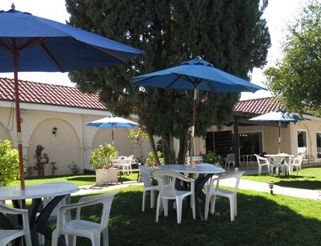
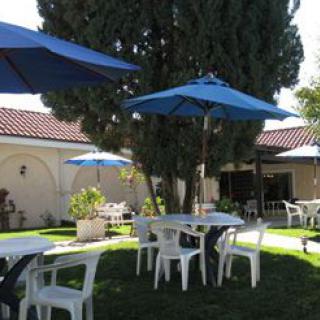
To encourage socialization and relaxation, Alpine View Lodge offers various communal spaces such as a garden and outdoor area where residents can enjoy fresh air and take part in activities. There is also a small library where residents can indulge in reading and engage in mental wellness programs.

The community provides 24-hour supervision to ensure the safety and well-being of all residents. Trained staff are available to provide assistance with daily living activities such as bathing, dressing, and transfers. Medication management is also provided to ensure that residents receive the appropriate medications at the right time.

Residents can participate in resident-run activities as well as scheduled daily activities organized by the community. This encourages engagement and socialization among residents, promoting an active lifestyle within a supportive environment.

Located conveniently near cafes, pharmacies, physicians, and restaurants, Alpine View Lodge ensures that residents have access to essential services without any inconvenience.

Overall, Alpine View Lodge is an assisted living community that prioritizes memory care while providing a comfortable living environment with various amenities and care services to meet the unique needs of its residents.

Nearby Places of Interest

Alpine, California is a serene and peaceful town located in the heart of San Diego County. With a variety of healthcare options nearby including West Coast Eye Care & Acuity Eye Group, Southern Indian Health Council, and several pharmacies such as CVS and Walgreens, residents can rest assured that their medical needs will be met. The diverse culinary scene offers restaurants like Janet's Montana Cafe and Saray Restaurant, while cafes like CroBean and Starbucks provide cozy spots to enjoy a cup of coffee. Places of worship like Our Lady Of Perpetual Help Catholic Church and Foothills Christian Church cater to spiritual needs, while parks such as Shadow Hill Park and Mount Helix Park offer scenic outdoor spaces for leisurely walks. In case of emergencies, Stanford Court Nursing and Sharp Grossmont Hospital are easily accessible. For those who rely on public transportation, Grossmont Transit Center is conveniently located. Overall, Alpine provides a well-rounded community with amenities tailored to meet the needs of seniors looking for a comfortable and convenient place to call home.

Physicians

  • West Coast Eye Care & Acuity Eye Group - Alpine (0.9 miles)
  • Southern Indian Health Council (4 miles)
  • Pushpanjalie Wijeratne, MD (7.7 miles)
  • Elahe Toulouie, MD (8.3 miles)
  • Dr Dominguez And Dr Ancona-Young Office (9.4 miles)
  • Fereshteh Jahanpanah Medical Clinic (9.9 miles)
  • Dr Susan Homesley's Office (14.7 miles)

Pharmacies

  • CVS Pharmacy (1.1 miles)
  • Walmart Pharmacy (6.3 miles)
  • Health Mart Pharmacy (7.5 miles)
  • Rite Aid (8 miles)
  • CVS Pharmacy (8.5 miles)
  • Walgreens (8.6 miles)
  • Rite Aid (10 miles)

Restaurants

  • Janet's Montana Cafe (2 miles)
  • Sycuan Casino Resort (4 miles)
  • Jack In The Box (5.1 miles)
  • Jack In The Box (8.5 miles)
  • Saray Restaurant (8.6 miles)
  • Jack In The Box (9.8 miles)
  • Mal Al Sham (9.8 miles)

Cafes

  • CroBean (2.4 miles)
  • Starbucks (2.6 miles)
  • Starbucks (5 miles)
  • Starbucks (10.1 miles)
  • Starbucks (11.4 miles)
  • The Simple Coffee House (14.6 miles)
  • Starbucks (15.7 miles)

Places of Worship

  • Our Lady Of Perpetual Help Cathollc Church (6.8 miles)
  • Foothills Christian Church (10 miles)
  • El Camino Grace Church (10.6 miles)
  • Skyline Church (11.2 miles)
  • Corpus Christi Church (17 miles)
  • Saint Gregory The Great Catholic Church (17.6 miles)

Parks

  • Shadow Hill Park (9.3 miles)
  • Town Center Community Park (10.7 miles)
  • Mount Helix Park (11.9 miles)
  • Iron Mountain Trailhead (14.3 miles)
  • Old Poway Park (16.8 miles)
  • Semillon Boulevard. Mini Park (17 miles)
  • Otay Ranch Town Center Dog Park (17.9 miles)

Hospitals

  • Stanford Court Nursing (11.1 miles)
  • Sharp Grossmont Hospital Brier Patch (12.7 miles)
  • Kaiser Permanente San Diego Medical Center/Kaiser Foundation Hospital (17.7 miles)

Transportation

  • Grossmont Transit Center (13.1 miles)

Theaters

  • AMC DINE-IN Poway 1 (16.4 miles)

Frequently Asked Questions

How much does it cost to live at Alpine View Lodge in Alpine, CA?
Where is Alpine View Lodge?
Does Alpine View Lodge provide care for residents with dementia or Alzheimer's disease?
Does Alpine View Lodge allow residents to have pets?
What photos are available for Alpine View Lodge in Alpine, California?

Nearby Communities

  • Alpine Hills

    Alpine Hills

    Alpine, CA

    4.6 from 92 reviews
     

    pro Small, home-like setting with personalized care and on-site meals.


  • Alpine Terrace Board & Care

    Alpine Terrace Board & Care

    Alpine, CA


    pro Personalized, around-the-clock care with convenient nearby amenities (cafes, pharmacy, physicians, restaurants).

  • Kasitz Kastle

    Kasitz Kastle

    Alpine, CA

    3.9 from 7 reviews
     

    pro Full range of services with meals, medication management, ADL support, transportation, and furnished rooms.

  • Alpine Mobile Home Estates

    Alpine Mobile Home Estates

    Alpine, CA

    4.8 from 12 reviews
     

    pro Quiet mobile-home community with nearby cafes, pharmacy, doctors, and a restaurant.

  • Marsell Guest Homes

    Marsell Guest Homes

    El Cajon, CA

    2.5 from 2 reviews
    $4,045 to $9,095 / month

    pro Convenient access to nearby cafes, pharmacies, physicians, and restaurants for an enriched lifestyle.

  • Suncrest Residential Senior

    Suncrest Residential Senior

    El Cajon, CA

     
    $3,400 / month

    pro Affordable private rooms with convenient access to nearby amenities.

  • Granite Hills Convalescent Hos

    Granite Hills Convalescent Hos

    El Cajon, CA


    pro Nearby parks, cafes, pharmacies, clinics, and hospitals provide convenient access to services.

  • Casa El Cajon

    Casa El Cajon

    El Cajon, CA

    3.5 from 11 reviews
    $1,100 / month

    pro Affordable pricing with ample amenities and varied care options; generally friendly initial staff and a pleasant campus.

  • Good Samaritan Retirement Home

    Good Samaritan Retirement Home

    El Cajon, CA

    4.4 from 20 reviews
    $3,200 to $3,500 / month

    pro Beautiful, tranquil setting with caring staff and engaging activities.

Related Resources

  • when to move from assisted living to nursing home8 Key Indicators That Suggest It May Be Time to Transition from Assisted Living to Skilled Nursing Care

    The transition from assisted living to skilled nursing care is often prompted by complex medical needs that assisted living cannot meet, with key indicators including frequent health declines, increased falls, severe memory issues, and caregiver burnout. Families should recognize these signs early to discuss options with healthcare providers and prepare for the emotional and logistical aspects of moving to a facility that offers comprehensive medical support.

  • best foods for dementia patients to eatNourishing the Mind: Essential Dietary Approaches for Dementia

    Dementia is characterized by cognitive decline, with nutrition playing a vital role in brain health; while no specific diet can prevent or reverse it, a nutrient-dense diet rich in antioxidants and healthy fats may support cognitive function. The MIND diet, which emphasizes beneficial foods and limits processed items, along with proper hydration and individualized meal strategies, can enhance the well-being of dementia patients.

  • dementia behaviorsUnderstanding Dementia Behaviors: Practical Insights and Strategies for Caregivers
    Dementia affects memory and cognitive function in older adults, presenting challenges for caregivers due to behavioral changes such as confusion and mood swings. Compassionate, person-centered care that considers individual history and preferences, along with effective communication and environmental modifications, is essential for supporting both patients and their caregivers.