

317 W Commercial St, Ozark, AR 72949
To contact a resident: (479) 667-4870
For more information about senior living options: (866) 208-4318
Overall Review of Area Agency On Aging
Pros
 Area Agency on Aging provides exceptional home health, hospice, and personal care services.
- Their staff consistently demonstrates compassion, professionalism, and a genuine understanding of the needs of clients and families.
- The quality of care is outstanding, and the team goes above and beyond to ensure comfort, dignity, and support at every stage.
- The organization is an ethical, top-notch nonprofit that provides many needed services to the community and earns strong recommendations.
- The team includes amazing people who truly care for patients, as illustrated when a nurse stabilized a mother during a medical emergency, allowing grandchildren to share time with their grandmother.
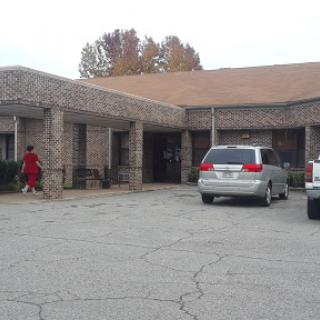
- The facility is described as a very nice building.
Cons
 They falsely accused an employee of wrongdoing and are seeking legal help to challenge the corporation.
- They couldn't find a driver, causing the daughter to miss appointments and her special needs school.
- They haven't sent needed information to the insurance company and haven't returned calls.
- They don't always show up, and the scheduling staff is rude.
- The aid randomly doesn't show up, leaving the family frustrated and causing missed days.
- They provide terrible service; they don't provide car seats for children and are extremely rude.
Review
Area Agency On Aging in Ozark, AR is best suited for families that want in-home care anchored by compassionate professionals and a nonprofit ethos. The service mix, home health, hospice, and personal care, fits seniors who prefer to stay at home but need skilled nursing, daily assistance, and end-of-life support. Across the narratives, the strongest signal is staff empathy, professionalism, and a genuine commitment to addressing both client and family needs. When care quality is measured by a caregiver who can soothe anxiety, manage comfort, and maintain dignity during difficult moments, this provider earns credibility. For households prioritizing a client-centered approach delivered by a mission-driven team, the Area Agency On Aging offers a solid, caring foundation for ongoing in-home support. The nonprofit status and emphasis on community service also matter for families weighing long-term partnerships over profit-driven motives.
Those who may want alternatives are immediately evident in the consistency of logistics. A recurring theme is reliability in scheduling and transportation, areas where promises do not always translate into on-time visits or available drivers. Several reviews recount missed appointments, late pickups, and driver shortages that disrupt routines and complicate plans, such as hospital visits or school commitments for younger beneficiaries. Communication gaps and getting insurance information to the right place add friction, suggesting administrative processes can undermine the clinical strengths. For families needing unwavering punctuality, guaranteed visit windows, and predictable transportation, this agency may require contingency planning or an alternative that can demonstrate explicit service-level guarantees. A nonprofit label, while admirable, does not by itself resolve the practical realities of daily scheduling.
The strongest positives, clinical strength in home health and hospice, do meaningful work in real life. Care teams can recognize emergencies, keep patients stable, and guide families through challenging moments with a steady hand. This clinical competence is not theoretical; it translates into tangible comfort and safety at home. The nonprofit framework adds a layer of trust for many families evaluating cost and care continuity over time. When the priority is comfort, dignity, and competent medical support in the home setting, these elements often tip the balance toward proceeding with care. In the best cases, strong clinical execution compensates for some administrative friction, enabling families to focus on the human aspects of caregiving rather than on coordinating every detail from scratch.
Yet the drawbacks carry real weight and cannot be brushed aside. The most destabilizing issues center on scheduling and transportation. Reports of late arrivals, missed visits, or inconsistent caregiver presence create ongoing uncertainty and force families to reorganize daily life around the service schedule. Administrative hiccups, missing or delayed information to insurers, unreturned calls, and general difficulty obtaining timely responses, amplify the sense that reliability is uneven. The net effect is a risk that outstanding clinical care can be undermined by routine service failures. For decision-makers, this means demanding safeguards: a dedicated care coordinator, a stable caregiver assignment, and clear backup plans for transportation. Without explicit accountability for timeliness, the overall experience can tilt from relief to frustration in a short span of days.
Operational variability shadows the overall impression. Some accounts celebrate a strong leadership presence and teams that truly go the extra mile, with caregivers who appear devoted to keeping loved ones engaged and comfortable. Other accounts paint a bleaker picture: rude phone interactions, slow or unhelpful responses, and repeated scheduling disappointments. The reality for families is that outcomes depend heavily on which local team is assigned and how effectively the office manages logistics on a given week. This means prospective clients should probe the current caregiver roster, request consistency in scheduling, and seek a written commitment for visit windows and backup coverage. The 3.1 rating across 27 reviews is not a single verdict, it reflects a spectrum of experiences that hinges on day-to-day operations as much as on clinical skill.
Bottom-line decision guidance centers on aligning priorities with risk tolerance. If high-quality in-home clinical care and a nonprofit partner’s ethos are non-negotiable, Area Agency On Aging remains a credible option in Ozark. The caregivers can deliver compassionate, competent support that keeps loved ones comfortable at home and can handle urgent medical needs with poise. However, reliability concerns are not cosmetic and directly impact daily routines, safety, and access to essential services. For families where timeliness, predictable transportation, and transparent communication are essential, exploring alternatives with formal visit guarantees or more centralized scheduling may be prudent. When choosing this agency, insist on a concrete service-level agreement that codifies visit times, guarantees on-time arrivals, and a clear process for reporting delays. Assign a single point of contact and seek a stable, rotating caregiver model to minimize disruptions. In the end, this community can be a strong fit for the right family, one that is prepared to tolerate some administrative friction in exchange for genuinely compassionate, capable care at the bed side.








 Seniors and Modern Transportation: Exploring Uber, Lyft, and Other Ride-Hailing Options
 Comprehensive Guide to Qualifying for Home Health Care Services
 Powerful Realities of Elder Abuse and the Most Effective Ways to Report It