
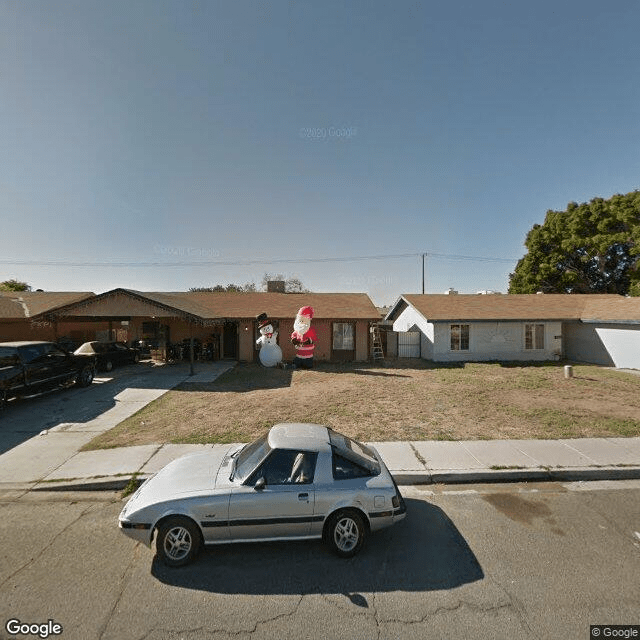
1843 W 25th St, Yuma, AZ 85364
To contact a resident: (928) 344-4932
For more information about senior living options: (866) 208-4318
Beehive Homes Costs & Pricing
Beehive Homes offers competitive pricing for its residential services, particularly when compared to the broader market in Yuma County and across Arizona. For a semi-private room, residents pay $2,500 per month at Beehive Homes, which is notably lower than both the county's average of $2,920 and the state average of $2,820. Similarly, while a studio apartment at Beehive Homes is priced at $3,800 monthly, it remains closely aligned with Arizona's overall average of $3,829 but slightly exceeds the county's rate of $2,901. This positioning not only reflects Beehive Homes' commitment to affordability but also its dedication to providing quality care and living arrangements in a nurturing environment.
| Floor plans | Beehive Homes | Yuma County | Arizona |
|---|---|---|---|
| Semi-Private | $2,500 | $2,920 | $2,820 |
| Studio | $3,800 | $2,901 | $3,829 |
Overall Review of Beehive Homes
Pros
 The Bee Hive is very clean and has a warm environment.
- The staff is great; caregivers are gentle, caring, attentive, and wonderful.
- The rooms are nice and include a half bath, TV, and a comfortable living room and dining area.
- Meals are nutritious and taste great.
- The staff at Beehive has cared for a 97-year-old mother-in-law for almost two years and has done an amazing job; they are pleasant, professional, kind, and patient.
- Beehive Homes restores faith in assisted living, with staff going above and beyond to meet residents' needs and exceeding standards of care and individual attention.
- The place is a God-send.
- The staff is excellent, the facility is very clean, and the people are friendly and fun.
Cons
 The staff do not help residents eat or ask if they need help eating.
- There are no locks on residents' doors, which can lead to moments when residents have no privacy.
- The reviewer regrets having to leave the facility so her husband could pass away at home.
Review
Beehive Homes in Yuma, AZ is best suited for families seeking a warm, clean, home-like assisted living where staff consistently deliver personal attention and residents enjoy solid meals and approachable, pleasant surroundings. This community shines for seniors who are relatively independent but benefit from daily companionship, gentle help with routine activities, and a staff culture that prioritizes kindness and patience. It is not the right match for families needing stringent privacy protections or for residents who require constant, proactive feeding assistance or highly structured daily oversight. Those who insist on locked doors for privacy or security, or who want rigorous, around-the-clock help with eating and ADLs, may want to consider alternatives with stronger safeguards and more intensive staff intervention.
From the resident experience side, the most compelling advantages are hard to overlook. The environment consistently comes across as clean and welcoming, with a genuine sense of warmth in the common areas. Families repeatedly note staff as a standout feature, caring, gentle, attentive, and professional in their approach. Residents often form strong bonds with the caregivers, and management is depicted as responsive and dedicated to individual needs. The rooms and shared spaces are described as pleasant, with functional layouts that include a half bath and comfortable gathering areas, which translates into a lived-in, home-like feel that reduces the clinical impression many fear in senior living. Most importantly, meals receive high marks for both nutritional value and taste, presenting a critical quality-of-life driver for residents who want to enjoy dining as part of daily life.
Yet the picture is not without its caveats. A recurring concern centers on whether staff consistently assist with eating when needed, with some reviewers flagging gaps in this area. For families assessing Beehive Homes, that potential inconsistency matters deeply: meals and hydration are foundational for comfort and health, and any lapse can quickly erode confidence in the care plan. Another notable caveat is privacy, tied to a specific safety design issue: there are no locked doors, which some families interpret as a risk to privacy and a potential safeguard gap. While this may be intentional for ease of staff oversight and resident freedom, it creates a red flag for those prioritizing confidential, barrier-free personal space and predictable security. Adding to the nuance, there are a couple of low-rated reviews that hint at dissatisfaction, suggesting that experiences can diverge and that not every resident will see the same benefits despite strong overall praise.
When weighing the positives against these drawbacks, the pros often carry the day for many families. The consistent warmth of the staff, combined with professional, patient handling of challenging behaviors, tends to create a stable, reassuring daily rhythm for residents. The cleanliness and the inviting social spaces reinforce a sense of belonging, which can be crucial for mood, engagement, and overall well-being. Nutritious meals that families praise for taste help reduce anxiety about dietary needs, especially for residents who rely on the kitchen team to provide meals they will actually enjoy. In a setting where staff routinely go above and beyond, the risk of occasional gaps in feeding assistance or privacy concerns can feel manageable, particularly for residents who are social, emotionally resilient, and not requiring intensive medical oversight.
This community is a strong fit for two particular profiles: first, seniors who prize staff reliability and a welcoming, home-like atmosphere above all else, and second, families who can monitor a flexible care plan and advocate for clear guidance on eating assistance and privacy preferences. For residents who require more structured, frequent feeding support, or whose safety and privacy needs demand locked doors and heightened supervision, alternatives may be the prudent path. Look for facilities with explicit protocols for mealtime assistance, clearly defined privacy safeguards, and a more visible commitment to individualized feeding plans. Likewise, families seeking robust security measures and tighter control over daily routines may want to compare options with more formalized safety features and higher staff-to-resident ratios.
For families seriously evaluating Beehive Homes, a practical approach is essential before making a commitment. Visit in person during peak activity times to observe how staff interact with residents around meals, how privacy is respected in common areas, and whether doors are monitored in a way that aligns with personal comfort levels. Ask how the facility handles mealtime assistance, what triggers a staff intervention, and how dining can be tailored to individual dietary needs and preferences. Inquire about privacy safeguards, including any opportunities for residents to lock doors or create private spaces, and request transparent examples of how concerns have been addressed for other residents. If these elements align with priorities, warmth, attentiveness, and reliable nutrition, Beehive Homes presents a compelling value. If not, exploring alternatives with stronger privacy controls and more hands-on feeding support will likely yield a more suitable match.
 Assisted Living
 Activities on-site
 Devotional services off-site
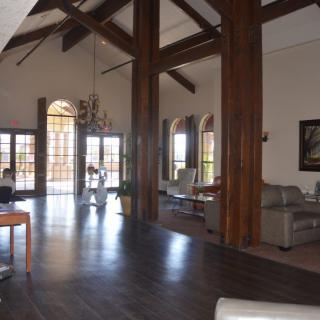
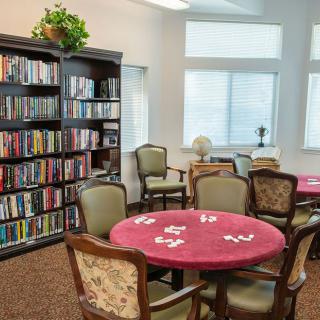
 Indoor common areas
 Yuma MCAS-Yuma International (3 miles away)
 Ambulatory care
 Diabetic care
 High acuity care
 Incontinence care
 Medication management
 Meals provided



 Comprehensive Insights into Activities of Daily Living (ADLs) and Their Assessment
 Medicare Coverage for Assisted Living: An In-Depth Exploration
 Your Comprehensive Guide to Luxury Assisted Living: Elevated Facilities, Amenities, and Costs