


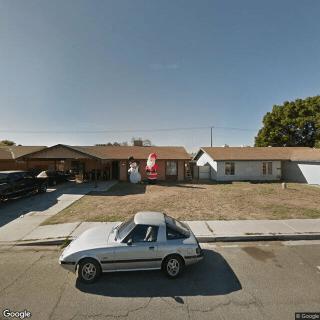
1839 West 25Th Street, Yuma, AZ 85364
For more information about senior living options: (866) 208-4318
Bee Hive Homes Costs & Pricing
At Bee Hive Homes, the cost for a studio room is set at $4,000 per month, which is notably above the average rates in Yuma County, where the typical monthly cost is approximately $2,901. When considering the broader context of Arizona's state averages, which hover around $3,829, Bee Hive Homes positions itself at a premium within the local market. This pricing reflects not only the quality of care and services provided but also an environment designed to foster comfort and community. Potential residents should weigh these costs against the value of personalized care and amenities that contribute to an enriched living experience.
| Floor plans | Bee Hive Homes | Yuma County | Arizona |
|---|---|---|---|
| Studio | $4,000 | $2,901 | $3,829 |
Overall Review of Bee Hive Homes
Pros
 The staff is great.
- Caregivers are gentle, caring, attentive, and wonderful.
- The rooms are nice, including a half bath, TV, and a living/dining area.
- Meals are nutritious and taste great.
- The facility is very clean and residents are happy, pleasant, and eager to help.
- Residents receive excellent care.
- Caregivers are well trained.
- Caregivers encourage participation in activities and respect personal limits.
- Residents are well loved and cared for.
- The staff goes above and beyond, exceeding the standards of care.
- Beehive Homes restored the reviewer’s faith in assisted living.
- The owner and staff are awesome; residents are happy and well cared for.
Cons
 The architecture and building maintenance of BeeHive Homes of Yuma were not impressive and needed improvement.
- There were privacy concerns because there are no locks on residents’ doors.
- The 2017 manager was described as cruel and having an agenda not in the residents’ best interests.
- After being sold in 2017, the facility allegedly declined due to dishonest and incompetent management.
- The staff on duty or managers were not friendly and not very helpful when questions were asked.
- One reviewer stated they would not recommend either facility.
- There has been a high turnover of caregivers and residents, suggesting instability.
- Three people warned the reviewer to move their mother out, indicating serious concerns about safety or care.
Review
Bee Hive Homes in Yuma is best suited for families seeking a small, home-like assisted living where caregivers know residents by name and daily routines feel truly personalized. The community excels for seniors who value tangible warmth, consistent hands-on attention, and a setting that isn’t clinical or impersonal. Residents typically find comfort in private rooms with convenient half baths, welcoming living and dining spaces, and meals that blend nutrition with good taste. For loved ones who need regular help with daily activities but do not require hospital-level medical care, Bee Hive Homes offers a reassuring, steady rhythm that supports both independence and safety.
That said, certain realities make alternatives worth considering. The property’s smaller, house-style footprint may not satisfy those who crave the polish of a newer, more expansive campus. Funding will be a decisive factor for many families: Bee Hive Homes does not consistently accept state-funded or Medicaid arrangements, which can trigger a shift to other providers as financial circumstances change. In addition, several reviews point to periods of leadership turnover and caregiver shifts, creating moments of uncertainty about consistency in management and day-to-day operations. For families prioritizing highly structured memory care, or requiring a fully locked, medically supervised setting, other options may offer clearer pathways.
The strongest pros pivot on the care culture. Staff members are repeatedly described as gentle, attentive, and well-trained, with many residents feeling the care goes beyond basic tasks to deliver genuine kindness and respect. Cleanliness is consistently praised, and the dining experience earns compliments for both nutrition and flavor. Activities are not only plentiful but encouraged, with meaningful opportunities for social engagement, exercise, and even family-friendly events. The combination of a warm staff ethos, resident dignity, and opportunities for family participation often translates into residents feeling safe, engaged, and genuinely cared for, which helps offset the limitations of a smaller, older-looking building.
Privacy and facility aspects present more nuanced drawbacks. Several reviews flag that there are no locks on resident doors, a note that raises legitimate concerns about private space and safety planning. The physical plant is not architecturally striking and maintenance needs can reflect age rather than polish. Leadership changes in the past have colored some experiences, with comments about inconsistent answers to questions and fluctuating levels of staff friendliness at the managerial level. Waitlists can also complicate timing for families in urgent need, and the lack of Medicaid acceptance means some prospective residents may need to pivot to other providers with broader funding options.
For decision-making, it pays to go in with a clear checklist. Verify the current ownership situation and ask for specifics on staffing levels and memory-care capabilities, including how care plans are created and updated. Inquire about Medicaid acceptance and any potential pathways for private-pay transitions if funding shifts. Inspect privacy practices firsthand, do doors truly lock when needed, and are there quiet spaces for family visits? Review the activity calendar and ask about opportunities for family involvement in celebrations and daily routines. Compare with nearby facilities that offer Medicaid options, more modern interiors, or larger campuses to determine which trade-offs best align with a loved one’s needs and the family’s resources.
Overall, Bee Hive Homes stands out as a pragmatic, dependable choice for families prioritizing compassionate, hands-on care within a close-knit, home-like setting. The staff’s dedication, the clean and welcoming atmosphere, the quality of meals, and the emphasis on meaningful resident engagement frequently outweigh the downsides for those who thrive in a small, intimate community where staff know residents well and families remain involved. It is less suitable for residents requiring Medicaid assistance, absolute privacy controls, or a modern, facility-wide upgrade, or for families seeking a highly structured memory-care environment. In the right circumstances, Bee Hive Homes delivers a comforting, capable option that can keep a loved one safe, engaged, and cherished.
 13 resident community capacity
 Assisted Living
 Board and Care Home
 Activities on-site
 Cable or satellite TV
 Devotional services off-site
 Dining room
 Fully furnished
 Garden
 Housekeeping services
 Indoor common areas
 Move-in coordination
 Outdoor space
 Telephone
 Wi-Fi/high-speed internet available
 Yuma MCAS-Yuma International (3 miles away)
 24-hour supervision
 Ambulatory care
 Assistance with bathing
 Assistance with dressing
 Assistance with transfers
 Diabetes diet
 Diabetic care
 High acuity care
 Incontinence care
 Meal preparation and service
 Medication management
 Special dietary restrictions
 Transportation arrangement (medical)
 Transportation to doctors appointments







 Exploring the Path to Senior Living: A Comprehensive Look at Independent Living and Assisted Living
 Is Assisted Living Deductible on Your Taxes? Understanding the Complexities of Assisted Living Expenses and Deductions
 Assisted Living Support for Veterans: A Complete and Detailed Overview