
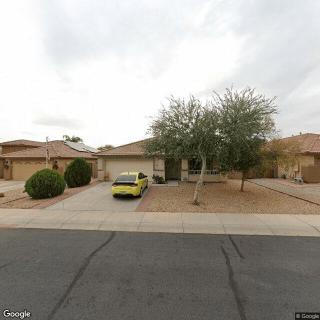
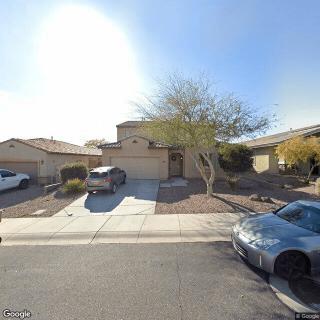
28428 North Rambling Rock Court, Wittmann, AZ 85361
For more information about senior living options: (866) 208-4318
Overall Review of Caring Angels Assisted Living Home
Pros
 The sanctuary is in a beautiful quiet location that supports the health and wellbeing of the elderly community.
- The facility offers five bedrooms with full baths.
- There are 24/7 loving staff on site who prepare fresh meals daily.
- It is highly recommended for the healthcare of parents and grandparents.
- Caring Angles Assisted Living is highly recommended.
- The staff are truly caring, and Linda has curated a great space.
- The home-cooked meals are exceptional, creating a warm and comforting atmosphere.
- The living spaces feel like a true home, contributing to a sense of belonging and wellbeing.
- Linda is very kind.
- The Caring Angels organization offers solicitous care with a cheerful environment, delicious food, and timely medications.
Cons
 The reviewer notes that the facility threatened to throw their 66-year-old mother with Alzheimer's out because one of her bank accounts was on hold, before POA had been granted.
- The toilet in the reviewer’s mother's room was gross.
Review
Caring Angels Assisted Living Home in Wittmann, AZ is best suited for families seeking a small, homelike setting where seniors receive attentive, on-site care from a stable, compassionate team. The home emphasizes a quiet, residential atmosphere with five bedrooms, each featuring a full bath, and a layout that reinforces a sense of belonging rather than institutional distance. On-site staff are described as loving and present around the clock, meals are prepared fresh daily, and the setting lends itself to individualized, relationship-based care rather than a busy, impersonal routine. For families prioritizing warmth, personal attention, and a true home feel, this community offers undeniable appeal.
Nevertheless, several families may want to consider alternatives. The strongest caveat is for elders with higher medical needs or complex behavioral requirements that demand formal memory care programs or more intensive oversight than a small home can provide. Additionally, governance and housekeeping quality appear to be potential blind spots in at least one report, signaling that careful due diligence is required. For memory care-intensive cases, or for those who insist on a robust, documented safety and cleanliness track record, a larger, more regulated facility may deliver greater reassurance. Those who require frequent, transparent incident reporting and well-established procedures for POA-related decisions will likely want to compare options.
The compelling pros, home-like ambiance, consistent staff presence, and high-quality, comforting meals, largely offset most day-to-day concerns. The small scale allows staff to know residents well, tailor routines, and foster genuine connections, which can translate into better mood, reduced agitation, and greater overall wellbeing. The long tenure of caregivers, including leadership noted for kindness and reliability, reinforces trust that loved ones will be treated with personal attention rather than generic care. A quiet, peaceful location supports routines that promote rest and stability, particularly for residents who flourish in predictable environments. In these respects, the positives directly counterbalance the appeal of a more clinical, impersonal setting.
Yet the main red flags require serious consideration. A single review recounted a concerning incident involving a discharge threat tied to a financial hold on a bank account, raising questions about responsiveness, boundaries, and how residents’ rights are protected when POA or financial matters are involved. Another account highlighted a cleanliness issue in a resident’s bathroom, suggesting gaps in housekeeping oversight. While these may reflect a single episode or an isolated lapse, they point to governance and quality-control vulnerabilities that can have real consequences in daily living. Families should demand clear policies on incident reporting, POA handling, and quality assurance before committing.
To evaluate this option thoroughly, prospective families should schedule time for direct observation and candid conversations. Visit during mealtimes to gauge the consistency and quality of meals, observe staff interactions with residents, and assess the level of privacy and dignity in daily routines. Ask for written details on housekeeping schedules, room cleanliness standards, and how issues are tracked and resolved. Inquire about the leadership structure, the training provided to staff, and how transitions in care plans are communicated to families. It is also wise to verify licensing, inquire about any recent violations, and speak with other families about their experiences to illuminate how concerns are handled in practice.
The verdict is clear: Caring Angels excels for families seeking a warm, intimate home atmosphere with daily, home-cooked meals and a devoted caregiving team. It is less ideal for those requiring high-level medical oversight or rigorous safety governance, where a larger, more formal facility with transparent incident management and memory-care programming may be a safer fit. For the right resident, someone who thrives on routine, personal attention, and a true sense of belonging, this community can deliver outstanding quality of life. The key is to engage in thorough due diligence, demand clarity on governance and housekeeping, and align expectations with the realities of a small, homelike operation.
 9 resident community capacity
 Assisted Living
 Board and Care Home
 Respite Care
 Cable or satellite TV
 Dining room
 Fully furnished
 Garden
 Housekeeping services
 Move-in coordination
 Outdoor space
 Telephone
 Wi-Fi/high-speed internet available
 24-hour supervision
 Activities of daily living assistance
 Assistance with bathing
 Assistance with dressing
 Assistance with transfers
 Diabetes diet
 Meal preparation and service
 Medication management
 Special dietary restrictions
 Transportation arrangement (medical)
 Transportation to doctors appointments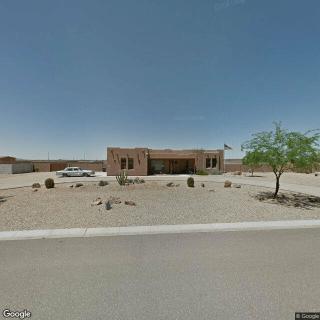

 Assisted Living and Memory Care: Understanding Their Core Differences
 Beyond the Bingo Hall: 50+ Enriching Activities for Seniors in Assisted Living
 Understanding the Distinctions: Assisted Living and Memory Care Explained