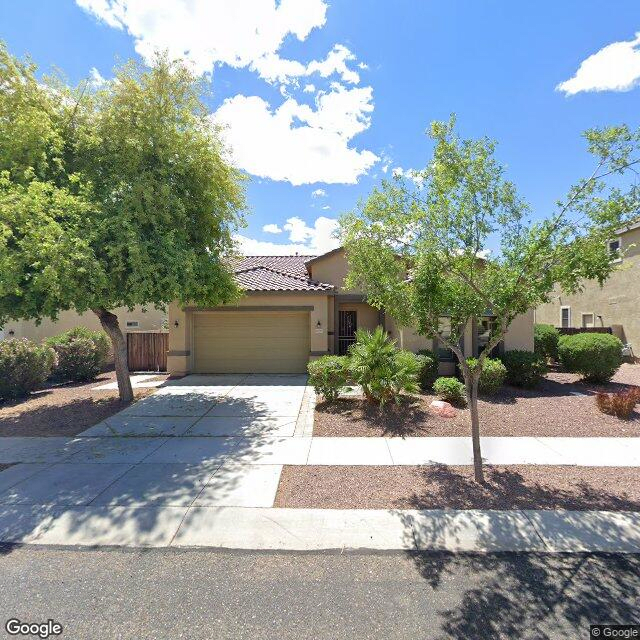
Elmer Place For Parents

Save
Elmer Place For Parents

Elmer Place For Parents

25968 N Sandstone Way, Surprise, AZ 85387

For more information about senior living options: (844) 490-3973

4 from 1 review
Board and Care Home Day Program Memory Care

Elmer Place For Parents Costs & Pricing

Elmer Place For Parents offers competitive pricing for its residents compared to the broader market in Maricopa County and the state of Arizona. The facility charges $2,000 per month for a semi-private room, significantly lower than the county average of $2,801 and the state average of $2,820. For those seeking more privacy, Elmer Place provides private rooms at a rate of $2,500 per month, again undercutting both Maricopa County's average of $3,318 and Arizona's overall average of $3,345. These rates reflect Elmer Place's commitment to affordability while maintaining a supportive environment for parents.

Floor plansElmer Place For ParentsMaricopa CountyArizona
Semi-Private$2,000$2,801$2,820
Private$2,500$3,318$3,345

What level of care are you interested in?

Assisted Living

Memory Care

Independent Living

Skilled Nursing Facility

Continuing Care Retirement Community (CCRC)CCRC

Other


Request a tour at Elmer Place For Parents

    Overall Review of Elmer Place For Parents

    Pros

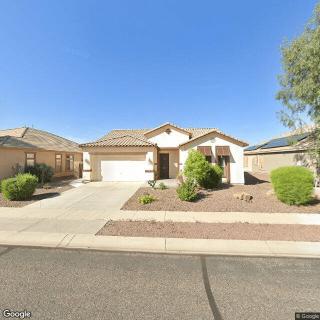
    • pro The facility is described as a beautiful home in Surprise.
    • pro It provides full access to television and daily newspaper delivery, with exceptional staff.
    • pro It offers activities such as noon walks, bingo, socializing, and exercise.
    • pro The letter-writing sessions were emotionally moving and meaningful to the reviewer.
    • pro Noble focuses on each person, treating residents as people rather than numbers.
    • pro The reviewer would recommend this home to anybody.

    Review

    A personal journey through dementia care began with a quiet, stubborn ache of anticipation. My father-in-law, newly diagnosed with onset dementia, spoke in his own careful terms about the future - about "one of these days" needing some additional care, and about a concept he used the word direction to describe. It wasn't fear so much as a sense that the road ahead would require more hands, more steadiness, more companionship. As his wife had recently passed away from cancer, he returned to the valley in Arizona to be near his children, including me, his daughter-in-law. In those early days, he could still manage a part-time job, take care of five cats, and handle the basics of daily life, but the cracks were beginning to show, and we - my husband, his two other children, and I - read the signs and listened to what he wasn't saying aloud.

    We knew something needed to shift, and we approached it delicately. The goal was to introduce more intervention in a way that would not provoke stress or anxiety for him. So we began visiting facilities near his home, speaking with staff, and getting a feel for how care was delivered. It was a new world for all of us, full of unfamiliar protocols and careful assurances about safety and dignity. Among the options we explored, one place stood out not just for its picturesque setting but for the atmosphere we encountered: Noble, a home in Surprise that welcomed us with a warmth that felt more like hospitality than institutional oversight.

    The moment we stepped inside the Noble home, it was easy to see why we felt drawn to it. It wasn't a sterile environment; it was a house that radiated comfort and familiarity. The space offered full access to television and daily newspapers, which mattered to him and to us because staying engaged with the world can be particularly comforting for someone navigating memory challenges. The staff appeared exceptional from the start - attentive, approachable, and genuinely present with the residents. The daily rhythm included activities that encouraged movement and social connection: noon walks that opened up possibilities for conversation and fresh air, opportunities for socializing that didn't feel forced, and gentle exercise that kept bodies active without becoming a burden. It wasn't just custodial care; it felt like living with intention.

    What I remember most, though, were the small, meaningful rituals that brought a sense of purpose and warmth to the day. The letter-writing sessions stood out in a way that feels almost sacred in hindsight. It might have been a simple activity, but it carried a weight of humanity and memory. Watching residents compose notes and letters - perhaps to family members or friends, perhaps to future selves - felt like an act of dignity in motion. For me, it brought tears; it was a vivid reminder that this place valued more than just routines or safety. It honored personhood - the belief that these are people first, with histories, personalities, and dreams, not merely patients or numbers.

    That sense of person-centered care - the idea that "we aren't numbers. We aren't patients waiting to die. We're people, mental discrepancies or not" - was the compass of Noble's approach in my eyes. The staff's ability to see and respond to each individual, to recognize who they are beneath the condition, made an impression that went beyond the amenities or the schedule. The facility's philosophy felt authentic, and it showed in the way the day unfolded: attentive care that respected dignity, opportunities for meaningful engagement, and a community atmosphere that did not feel clinical or distant. It was clear that Noble understood the emotional pull of dementia care - the importance of continuity, familiarity, and genuine connection.

    By the time we settled into our tour of the place, it wasn't just about choosing a home; it was about choosing a frame for his next chapter. The environment, the routines, the staff's philosophy, and the atmosphere of care aligned with what we were hoping to provide him as he faced the next steps of his journey. We walked away with a sense of confidence that this wasn't merely a facility; it felt like a home - one that would respect his character, preserve his dignity, and offer him the steady support he needed. In a moment when choices felt almost overwhelming, Noble stood out as a place that could honor the person we were trying to protect.

    Ultimately, the concluding sentiment was clear and heartfelt: I would recommend this home to anybody. It wasn't about the label of "facility" versus "home" in that moment; it was about finding a living space that treated him with the care, respect, and humanity he deserved. The decision to consider Noble wasn't just about meeting his practical needs; it was about preserving his sense of personhood and ensuring that his days could be navigated with compassion, familiarity, and a gentle sense of direction. In the face of dementia's uncertain path, discovering a place that can offer such steadfast, person-focused care felt like a meaningful gift to him, to us, and to the memory of the life he has lived.

    Features

    Types of Care

    • Board and Care Home Board and Care HomeBoard and care homes provide a smaller, more intimate setting for seniors who require assistance with daily tasks but do not need the level of care offered by a nursing home. They offer personalized care, meals, and social activities in a homelike environment, ensuring that seniors receive individualized attention and support in their golden years.
    • Day Program Day ProgramDay programs are important for seniors because they provide a safe and supportive environment where older adults can socialize, engage in activities, receive assistance with daily tasks, and access valuable resources and services. These programs help prevent isolation and loneliness, promote mental and physical well-being, and offer a sense of purpose and community for seniors.
    • Memory Care Memory CareMemory care is crucial for seniors as it provides specialized support and services for individuals with dementia or Alzheimer's disease. These programs offer a safe and secure environment where residents receive personalized care, cognitive stimulation, and help with daily activities. Memory care helps seniors maintain their independence, quality of life, and dignity while also providing peace of mind for their families.

    Amenities

    • Activities off-site Activities off-siteEngaging in off-site activities is crucial for seniors to maintain social connections, stay active, and stimulate their minds. It promotes overall well-being and helps combat feelings of isolation and loneliness.
    • Activities on-site Activities on-siteActivities on-site are important for seniors because they provide opportunities for socialization, mental stimulation, physical activity, and overall well-being. Engaging in activities can help seniors stay active, maintain their independence, and improve their quality of life.
    • Bath tubs Bath tubsBath tubs are important for seniors because they provide a safe and relaxing way to bathe, helping to prevent slips and falls while promoting independence and overall well-being.
    • Devotional services on-site Devotional services on-siteDevotional services on-site provide seniors with spiritual support and a sense of community, as well as an opportunity for reflection and guidance during their senior living experience. This can promote emotional well-being and connection to others, leading to a more fulfilling and enriching lifestyle in their later years.
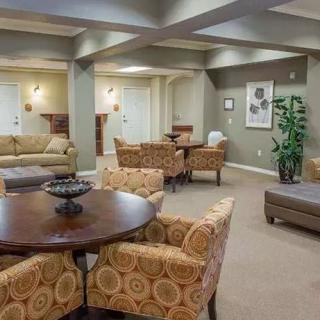
    • Indoor common areas Indoor common areasIndoor common areas are crucial for seniors as they provide a space for socialization, recreation, and community engagement, promoting overall well-being and reducing feelings of isolation and loneliness.
    • Outdoor common areas Outdoor common areasOutdoor common areas are important for seniors as they provide a space for socialization, physical activity, and relaxation. Being outside in nature can improve mood and overall well-being, while also encouraging movement and engagement with others. These spaces can help combat feelings of isolation and promote a sense of community among residents.
    • Private PrivatePrivacy is important for seniors as it allows them to maintain their independence, dignity, and sense of control over their own lives. It also gives them the space and freedom to relax, reflect, and engage in activities that bring them joy and fulfillment. Creating private spaces within senior living facilities is crucial for promoting overall well-being and quality of life.
    • Private bathrooms Private bathroomsPrivate bathrooms are important for seniors in senior living communities because they provide independence, dignity, and comfort. Having a private bathroom allows seniors to maintain their personal hygiene routines without the need for assistance, promoting a sense of autonomy and privacy. Additionally, private bathrooms help prevent the spread of infections and provide a safe and clean environment for seniors to navigate safely.
    • Respite or short term stays offered Respite or short term stays offeredRespite or short term stays provide seniors with a temporary solution when their regular caregiver is unavailable, offering them the opportunity to receive additional care and support during times of need, while also giving caregivers a chance to rest and recharge.
    • Wheelchair accessible showers Wheelchair accessible showersWheelchair accessible showers are crucial for seniors as they provide a safe and independent bathing option for those with mobility challenges. These showers help prevent falls and allow seniors to maintain their dignity and autonomy while ensuring they can bathe comfortably.

    Care Services

    • Ambulatory care Ambulatory care"Ambulatory care services provide essential medical support and treatment to seniors without requiring hospitalization, allowing them to maintain their independence and quality of life while managing chronic conditions or receiving routine medical care."
    • Diabetic care Diabetic careDiabetic care is crucial for seniors as they are more susceptible to developing diabetes due to aging and other health conditions. Proper management of diabetes can help prevent complications such as heart disease, vision loss, and nerve damage, improving the overall quality of life for seniors in senior living communities.
    • High acuity care High acuity careHigh acuity care is important for seniors because it provides specialized medical attention and support for individuals with complex medical needs. This level of care ensures that seniors receive the appropriate treatment and assistance to maintain their health and quality of life as they age.
    • Incontinence care Incontinence careIncontinence care is essential for seniors to maintain their dignity, hygiene, and overall quality of life. By addressing incontinence issues promptly and effectively, seniors can enjoy a sense of independence and comfort in their daily activities.

    Dining

    • Kosher KosherKosher options are important for seniors because they adhere to dietary laws that are significant to many Jewish individuals, providing them with peace of mind and an opportunity to maintain their cultural traditions and beliefs while living in a senior living community.
    • Meals provided Meals provided"Meals provided" are crucial for seniors in assisted living communities as it ensures they have access to nutritious, balanced meals without the stress of meal planning and preparation. This can help promote overall health and well-being for seniors who may have limited mobility or cognitive abilities.
    • Vegetarian VegetarianA vegetarian diet is important for seniors because it can help lower the risk of chronic diseases, maintain a healthy weight, and provide essential nutrients needed for aging bodies. Additionally, plant-based diets are often easier on digestive systems and can contribute to overall well-being in older adults.

    Activities

    • Activities off-site Activities off-siteEngaging in off-site activities is crucial for seniors to maintain social connections, stay active, and stimulate their minds. It promotes overall well-being and helps combat feelings of isolation and loneliness.
    • Activities on-site Activities on-siteActivities on-site are important for seniors because they provide opportunities for socialization, mental stimulation, physical activity, and overall well-being. Engaging in activities can help seniors stay active, maintain their independence, and improve their quality of life.
    • Devotional activities on-site Devotional activities on-siteDevotional activities on-site provide seniors with a sense of community, spiritual fulfillment, and emotional support, promoting overall well-being and a positive sense of purpose in their lives.

    Description

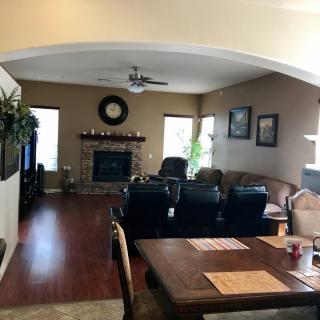
    Elmer Place is an assisted living community located in Surprise, AZ that caters to parents needing day program and memory care services. The facility offers a range of amenities to ensure the comfort and well-being of residents. These include activities on-site for entertainment and social engagement, as well as indoor and outdoor common areas where residents can relax or spend time with others. Each resident has a private room and bathroom for privacy and convenience, with wheelchair accessible showers available for those in need.

    Elmer Place provides specialized care services such as diabetic care, high acuity care, and incontinence care to meet individual needs. Meals are provided to residents with vegetarian options available to suit personal preferences or dietary restrictions. Devotional services are offered on-site for spiritual support.

    In terms of location, Elmer Place benefits from its proximity to various amenities. There are cafes nearby for residents to visit and enjoy a cup of coffee or a meal outside the community. Additionally, parks are nearby where residents can take walks or participate in outdoor recreational activities. Pharmacies are also conveniently located nearby for easy access to medication, while several physicians and hospitals in the vicinity ensure prompt medical attention when needed.

    Overall, Elmer Place is a welcoming assisted living community that strives to provide high-quality care services along with a comfortable lifestyle for parents requiring assistance with daily activities or memory-related issues.

    Nearby Places of Interest

    This part of Surprise, Arizona offers a variety of amenities and services that may appeal to seniors looking for a comfortable and convenient living environment. With several parks nearby, such as Asante Park and Surprise Community Park, residents can enjoy the outdoors and stay active. There are also plenty of cafes like The Grand Cafe and various Starbucks locations for socializing or grabbing a quick bite to eat. For healthcare needs, there are several pharmacies within a short distance, along with physicians' offices like Andre Hagevik, MD and Nally Family Practice: Adam Nally, DO. Additionally, there is easy access to hospitals like Apricus Medical Group for any medical emergencies. Overall, this area provides a well-rounded community with options for recreation, dining, healthcare, and spiritual fulfillment at places of worship like St Clare of Assisi Catholic Church.

    Parks

    • Asante Park (1.7 miles)
    • Pet Park Sun City Grand (4.2 miles)
    • Westland Park (5.5 miles)
    • Kingswood Parke HOA Park (5.8 miles)
    • Surprise Community Park (6.8 miles)
    • Indoor Playgrounds International (6.9 miles)

    Cafes

    • The Grand Cafe (4.3 miles)
    • Starbucks (5.2 miles)
    • Starbucks (5.7 miles)
    • Sumo Snow (5.7 miles)
    • Starbucks (5.9 miles)
    • Starbucks (7.9 miles)
    • Starbucks (8.4 miles)

    Pharmacies

    • CVS Pharmacy (4.6 miles)
    • Sunrise Valley Pharmacy (5 miles)
    • Walgreens (5.5 miles)
    • Walgreens (5.6 miles)
    • Fry's Pharmacy (5.7 miles)
    • Walgreens (5.8 miles)
    • Walgreens (5.8 miles)

    Physicians

    • Andre Hagevik, MD (4.8 miles)
    • The CORE Institute - Sun City West Physical Therapy (4.8 miles)
    • Beatrice Keller Clinic (4.9 miles)
    • Granite Valley Medical Offices (4.9 miles)
    • Nally Family Practice: Adam Nally, DO (5 miles)
    • Arizona Dermatology Specialists (5 miles)
    • Banner Health Center: Gastrointestinal & Digestive Disorders (5.1 miles)

    Hospitals

    • Apricus Medical Group (4.9 miles)
    • HonorHealth Health Center (8.1 miles)

    Restaurants

    • Crooked Putter (5.2 miles)
    • Fuzzy's Southwest Sports Grill (5.2 miles)
    • The Toast Craft Kitchen & Cocktails (5.6 miles)
    • Jack In The Box (5.6 miles)
    • Oregano's Pizza Bistro (5.6 miles)
    • Great Eagle Bar & Grill (5.7 miles)
    • Wendy's (5.7 miles)

    Places of Worship

    • St Clare of Assisi Catholic Church (5.7 miles)

    Frequently Asked Questions

    How much does it cost to live at Elmer Place For Parents in Surprise, AZ?
    Where is Elmer Place For Parents?
    Does Elmer Place For Parents provide care for residents with dementia or Alzheimer's disease?

    Nearby Communities

    Related Resources

    • list of drugs linked to dementiaA Thorough Discussion of Medications Potentially Linked to Dementia Risk

      Dementia, influenced by aging and certain medications, may be exacerbated by drug classes such as anticholinergics, benzodiazepines, and antipsychotics, which are associated with cognitive impairment. Regular medication reviews by healthcare professionals are crucial for older adults to manage risks and optimize cognitive health.

    • do dementia patients sleep a lotWhy Do Dementia Patients Sleep So Much? Understanding Oversleeping, Stages, and Care Approaches

      Dementia often results in disrupted sleep patterns, leading to excessive daytime sleeping due to factors like brain damage affecting circadian rhythms, medication side effects, and lack of structure in daily activities. Caregivers must monitor these changes closely, as oversleeping can increase risks such as malnutrition or dehydration, and provide necessary support and routines to enhance patient engagement and well-being.

    • when to move from assisted living to nursing home8 Key Indicators That Suggest It May Be Time to Transition from Assisted Living to Skilled Nursing Care

      The transition from assisted living to skilled nursing care is often prompted by complex medical needs that assisted living cannot meet, with key indicators including frequent health declines, increased falls, severe memory issues, and caregiver burnout. Families should recognize these signs early to discuss options with healthcare providers and prepare for the emotional and logistical aspects of moving to a facility that offers comprehensive medical support.


    Get Pricing Ask A Question Schedule A Tour Contact Senior Advisor