
5260 W. Greenock Dr., Tucson, AZ 85742
To contact a resident: (520) 744-8229
For more information about senior living options: (866) 208-4318
Desert Oasis Costs & Pricing
At Desert Oasis, the monthly cost for a semi-private room is $2,750, which positions it as a competitively priced option compared to both Pima County and the broader state of Arizona. In Pima County, similar accommodations average around $2,805, while the overall state figures are slightly higher at approximately $2,820. This pricing reflects Desert Oasis's commitment to offering quality care while maintaining accessibility for residents seeking comfortable living arrangements. By remaining below both county and state averages, Desert Oasis not only enhances its appeal but also demonstrates its dedication to providing value without compromising on service or community standards.
| Floor plans | Desert Oasis | Pima County | Arizona |
|---|---|---|---|
| Semi-Private | $2,750 | $2,805 | $2,820 |
Senior living communities with a similar price nearby
-
About the same
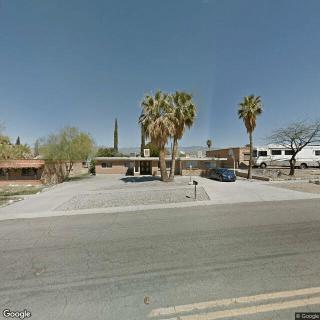
Abella Manor Senior Care, LLC
$2,800 to $3,200 / month19.8 miles away -
from +$400 / mo
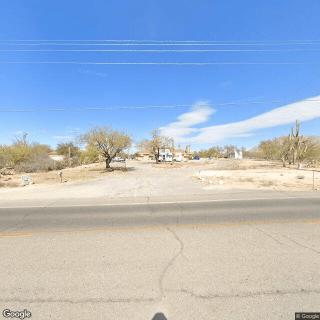
Casa De Buena Vida
$3,150 to $3,450 / month7.2 miles away -
from -$450 / mo
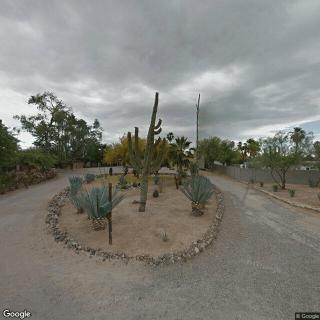
Northwest Assisted Living
$2,300 to $2,500 / month5.9 miles away -
from -$250 / mo
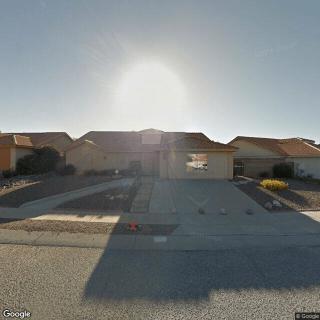
Grace Home I
$2,500 to $3,200 / month20.7 miles away -
from +$250 / mo
Lisa's Loft
$3,000 to $4,000 / month21.7 miles away
Overall Review of Desert Oasis
Pros
 The home and the manager are very nice.
Cons
 He is not liking Desert Oasis very much.
- He is a taller guy and the shower cord isn't long enough.
- His bed is too small and they promised they would provide a larger bed to him.
- His first caregiver there left all the doors and windows open when he quit and stole his iPad.
- He's had nothing but problems here.
Review
Desert Oasis is best suited for seniors who want a small, home-like setting led by a capable, approachable manager and who can tolerate a bit of distance from family. The reviews describe a warm, “very nice home” atmosphere where daily routines feel personal and manageable when a hands-on supervisor is present. This community appears to reward residents who prefer a intimate, neighborly environment over a large campus, and who value clear communication with a manager who is accessible and engaged. It is not the right fit for those seeking extensive medical programming, high-security settings, or a campus with broad on-site resources; the emphasis here is on home-style care backed by direct oversight.
The strongest positives center on the character of the home and its leadership. Residents and families who prize a calm, welcoming environment will find comfort in a setting that feels like a caregiver-led residence rather than a facility. The manager’s presence is repeatedly highlighted as a stabilizing factor, suggesting responsive problem-solving and relationship-building with families. However, the two favorable notes also flag a trade-off: the location can be a deterrent for frequent visits if family members live far away. That distance factor may erode the sense of connection that makes a small, home-like setting most effective, even when the day-to-day atmosphere is otherwise appealing.
Yet the most consequential concerns are hard to overlook. One review details a troubling incident where a caregiver left doors and windows unsecured and stole an iPad after quitting, signaling potential gaps in staff oversight and safety controls. Bed size and bathroom equipment also emerge as practical irritants: the resident found the bed too small and the shower cord insufficiently long, with promises of a larger bed left unfulfilled. These issues translate into tangible discomfort and concerns about a resident’s ability to function safely and comfortably in the space. Such red flags cannot be dismissed, especially for families weighing long-term suitability.
When the pros and cons are weighed, the key question becomes whether the positives can truly offset the significant reliability and safety drawbacks. A well-managed, homelike setting can be a genuine lifeline for seniors who value personal attention, predictable routines, and straightforward communication with staff. If Desert Oasis can demonstrate steady staffing, enforce strict safety protocols, and deliver the promised equipment upgrades, the positive elements may carry substantial weight. Without that follow-through, however, the safety and comfort benefits risk being undercut by recurring concerns about security, equipment adequacy, and caregiver accountability.
Families considering Desert Oasis should have a clear plan for due diligence. Prospective residents and their supporters should request a detailed staffing schedule, turnover rates, and the facility’s safety policies, particularly regarding how doors and windows are secured and how incidents of theft or misplacement are investigated and resolved. Specifically verify bed dimensions and confirm availability of a larger bed, along with an updated shower setup or alternative solutions for mobility needs. Inquire about the process for requesting equipment changes, and ask to meet the current caregiving team to assess compatibility and communication style. A trial stay or a careful, staged move-in can help determine whether the home-like charm translates into dependable daily care.
In short, Desert Oasis offers a warm, manager-driven environment that can work beautifully for residents who prioritize personal attention and a home atmosphere, and who live within reasonable visiting distance or are prepared for longer travel to see loved ones. For families whose essential criteria include robust safety protocols, consistent staffing, and reliable equipment, alternatives deserve serious consideration. The decision hinges on whether the anticipated quality of daily life can be safeguarded by concrete assurances from leadership and staff, and whether the resident’s needs, including bed size and bathroom accessibility, can be met without compromise.
 Board and Care Home
 Activities on-site
 Bath tubs
 Indoor common areas
 Outdoor common areas
 Wheelchair accessible showers
 Tucson International (21 miles away)
 Diabetic care
 High acuity care
 Meals provided
 Powerful Realities of Elder Abuse and the Most Effective Ways to Report It
 Ten Vital Duties of a Senior Caregiver: A Comprehensive Guide
 9 Stimulating Memory Activities for Seniors: Puzzles, Cards, and Much More