
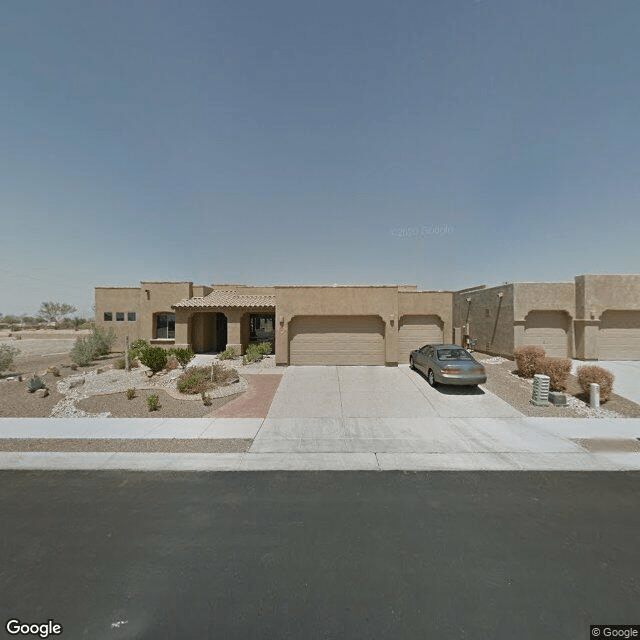
10363 E Camino La Joya Pantano, Tucson, AZ 85730
To contact a resident: (520) 721-6641
For more information about senior living options: (866) 208-4318
Cherry's Assisted Living Home Costs & Pricing
Cherry's Assisted Living Home offers a private room at a monthly cost of $3,800, which positions it above the average rates for both Pima County and the state of Arizona - where the typical costs are approximately $3,332 and $3,345, respectively. This pricing reflects not only the quality of care provided but also the amenities and personalized services that residents experience at Cherry's. While slightly on the higher end compared to local and state averages, many potential residents may find that the additional investment translates into enhanced comfort and support within a nurturing community environment.
| Floor plans | Cherry's Assisted Living Home | Pima County | Arizona |
|---|---|---|---|
| Private | $3,800 | $3,332 | $3,345 |
Assisted Living communities with a similar price nearby
-
from -$650 / mo

Casa De Buena Vida
$3,150 to $3,450 / month16.2 miles away -
from -$600 / mo

Academy Villas
$3,200 to $7,000 / month6.3 miles away -
from +$700 / mo
Desert Gardens Assisted Living and Memory Care
$4,500 / month8.2 miles away -
from -$200 / mo

The Ranch Estates of Tucson
$3,600 to $4,840 / month17.6 miles away -
from -$655 / mo

The Watermark at Oro Valley
$3,145 to $4,995 / month17.6 miles away
Overall Review of Cherry's Assisted Living Home
Pros
 They are incredibly happy with the decision to move their mother to Cherry's Assisted Living Home.
- The home features a spacious open floor plan and festive holiday décor, described as beautiful.
- The mother is doing well and feels safe, with staff described as friendly and nice.
- The care level is much improved over the larger facility, bringing relief to the family.
- The family is glad the decision worked out and praises Robert and Myrna for their excellent care and compassion.
- Cherry's Assisted Living is a lovely residential care home with a spacious open floor plan and elegant holiday décor.
- The staff is professional and cheerful, providing kind and compassionate senior care and making visitors feel like family.
- The owners are actively involved in day-to-day operations and regularly host events, creating a loving environment.
Review
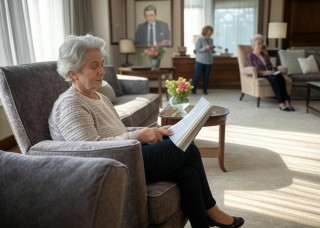
Cherry's Assisted Living Home in Tucson is best suited for families seeking a warm, home-like setting where seniors receive attentive, personalized care in a small, tightly supervised community. This is the kind of place that feels more like a home than a facility, with an expansive open floor plan and holiday-ready décor that elevates everyday living. It works particularly well for residents moving from large corporate campuses who want a safer, friendlier environment and a sense that caregivers know them by name. For seniors who prize predictable routines, frequent direct interaction, and hands-on oversight from owners who manage day-to-day operations, this community delivers.
Those with heavier clinical demands should consider whether this setting can keep up at all times. The emphasis here is on personal attention and safety rather than a vast clinical footprint, so families should explore options if a loved one requires substantial on-site medical therapies, complex equipment, or highly specialized care teams that a larger campus might routinely provide. The presence of a 1-star review among otherwise positive feedback is a reminder that expectations vary, and any potential resident should directly assess whether the care model aligns with medical and social needs.
Proponents point to a suite of strengths: a generous, open interior that supports easy supervision and social interaction; staff who document ADLs and medications with formal nursing protocols; and caregivers who are consistently cheerful and welcoming to visitors. The environment feels safe and homey, with owners who are visibly involved in daily operations, translating into reliable care and accountability. The home leans into community life too, with seasonal decorating and live music during holidays that create meaningful engagement and a sense of belonging for residents.
On the downside, a residential home’s limited scale means resources are leaner than in a large facility. While the staff is described as capable and friendly, the small team can be stretched during busy periods, and this is a dimension families should verify during tours. The lone negative rating underscores that not every experience will align perfectly with expectations, reinforcing the need to review care plans, meet the caregiving team, and ask for concrete examples of how medical and daily needs are met.
Yet the key advantages offset many potential drawbacks. The improved care levels reported versus a larger facility, combined with clear nursing practices and meticulous med management, deliver tangible daily benefits: residents feel safer, more engaged, and better supported. The owners’ hands-on approach ensures oversight, accountability, and continuity of care, which can be harder to secure in sprawling campuses. Social programming and a family-like atmosphere directly address isolation and help sustain mood and motivation, offering a practical counterbalance to the limitations of a smaller operation.
For families prioritizing a home-style setting with direct caregiver relationships and strong daily oversight, Cherry's Assisted Living Home emerges as a compelling Tucson option. If a resident’s needs include high levels of medical complexity, extensive on-site therapy, or a demand for a larger, more resource-rich campus, exploring alternatives is prudent. Prospective residents should tour with a focused checklist: staffing ratios, how med management is executed, how care plans are updated, what daily activities look like, and how responsive the team is to changing needs. Taken together, the case for Cherry's is clear: warmth, accountability, and personal attention are the core strengths that most families will value highly.
 5 resident community capacity
 Assisted Living
 Board and Care Home
 Activities on-site
 Bath tubs
 Cable or satellite TV
 Dining room
 Fully furnished
 Garden
 Housekeeping services
 Indoor common areas
 Move-in coordination
 Outdoor common areas
 Private
 Respite or short term stays offered
 Telephone
 Wi-Fi/high-speed internet available
 Tucson International (11 miles away)
 24-hour supervision
 Ambulatory care
 Assistance with bathing
 Assistance with dressing
 Assistance with transfers
 Diabetes diet
 High acuity care
 Incontinence care
 Meal preparation and service
 Medication management
 Special dietary restrictions
 Transportation arrangement (medical)
 Transportation to doctors appointments




 Understanding the Distinctions: Assisted Living and Memory Care Explained
 Guiding Elderly Parents Who Refuse Assisted Living: 6 Practical Steps
 Your Comprehensive Guide to Luxury Assisted Living: Elevated Facilities, Amenities, and Costs