
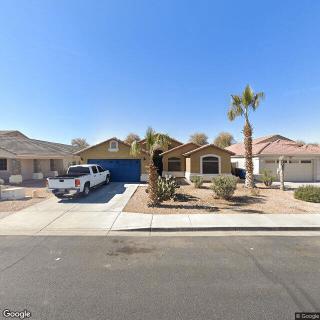
10008 West Bloch Road, Tolleson, AZ 85353
For more information about senior living options: (866) 208-4318
Overall Review of Mary's Group Home
Pros
 Group homes are a lot better than sober living because they feed residents.
- They are described as providing meals to those staying in the homes.
- The reviewer views group homes as a preferable option for recovery over sober living.
Cons
 Mary Group Home has ABSOLUTELY no structure.
- The owner allows anything and everything to happen at his two homes.
- Clients are allowed to drink alcohol, use drugs, and bring weapons into the houses.
- The owner does not provide decent meals and makes clients cook meals from various food banks.
- The air conditioning was not working in the middle of summertime while housing at least eight clients.
- The place is not a safe shelter or place to help with recovery.
Review
Mary’s Group Home in Tolleson, AZ is best suited for adults who want a bare-bones housing option with meals and little to no programming or formal recovery support. The arrangement appears to deliver basic shelter and food but offers virtually no structure or accountability. That combination may appeal to someone who prioritizes affordability and autonomy over supervision, but it is not appropriate for anyone actively seeking recovery support, safety, or a predictable daily routine. In short, this community serves as a low-cost housing stop, not a reliable step in a recovery or long-term care plan.
Families considering alternatives will want to pause and assess the priorities that matter most. If the goal is ongoing recovery, medication management, or a protected environment with clear rules and oversight, Mary’s Group Home should be ruled out in favor of licensed facilities or programs that provide structured schedules, staffed supervision, and evidence-based supports. The strongest red flag from family experiences is the absence of consistent boundaries and safeguards, coupled with claims of drug and weapon access and a lack of reliable meals. For seniors or adults with medical needs, these deficiencies can translate into immediate safety concerns and avoidable crises.
On the upside, one dimension labeled as a positive is practical provision of meals without the burden of cooking or meal planning for someone who cannot manage it. The absence of formal programming or classes may reduce stress for individuals who resist structured activities or who simply need a low-key living arrangement. However, these perceived conveniences do not meaningfully compensate for the core risks: a purportedly unstructured environment, people freely engaging in alcohol or drug use, and facilities that have been described as unsafe. When safety and consistent care are nonnegotiable, the small benefit of meals does not offset the fundamental drawbacks.
From a due-diligence standpoint, families should demand concrete assurances before placing a loved one here. Verify licensing status and whether the home's operation complies with local care standards, including safety inspections and staff qualifications. Inquire about staff presence, hours, and supervision capabilities, as well as policies that restrict access to drugs or weapons and procedures for emergencies. Request a transparent meal plan, dietary accommodations, and evidence of stable climate control and general maintenance. Most critically, interview current residents or recent former residents about daily routines, responsiveness of management, and any witnessed safety concerns. The lack of consensus in reviews means careful, firsthand verification is essential.
The decision comes down to a clear trade-off: minimal programming and low-cost shelter versus reliable safety, structure, and recovery-oriented supports. If the priority is rapid placement with someone to cook and provide meals and the individual can tolerate a lax atmosphere without medical or psychological supervision, Mary’s Group Home might be tolerable as a temporary stopgap. For families that must shield a vulnerable adult from unsafe conditions, or who require ongoing recovery services, licensed assisted living, or a well-run sober living option with verifiable oversight, is the prudent path. The recommended action is to visit in person, insist on written policies, and gather multiple independent references before deciding. This is not a venue to entrust with recovery, daily safety, or long-term care without significant improvements and assurances.
 5 resident community capacity
 Assisted Living
 Board and Care Home
 Cable or satellite TV
 Dining room
 Fully furnished
 Garden
 Housekeeping services
 Move-in coordination
 Outdoor space
 Telephone
 Wi-Fi/high-speed internet available
 Phoenix Sky Harbor International (16 miles away)
 24-hour supervision
 Activities of daily living assistance
 Assistance with bathing
 Assistance with dressing
 Assistance with transfers
 Diabetes diet
 Meal preparation and service
 Medication management
 Special dietary restrictions
 Transportation arrangement (medical)
 Transportation to doctors appointments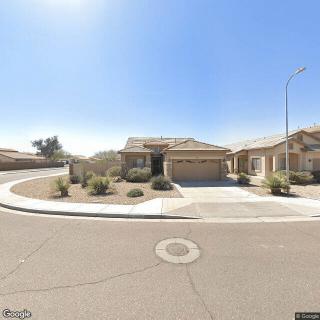






 Comprehensive Supportive Living Arrangements for Adults with Disabilities
 Funding and Affording Assisted Living: A Thorough Overview
 Assisted Living Expenses and Long-Term Care Insurance: A Comprehensive Exploration