
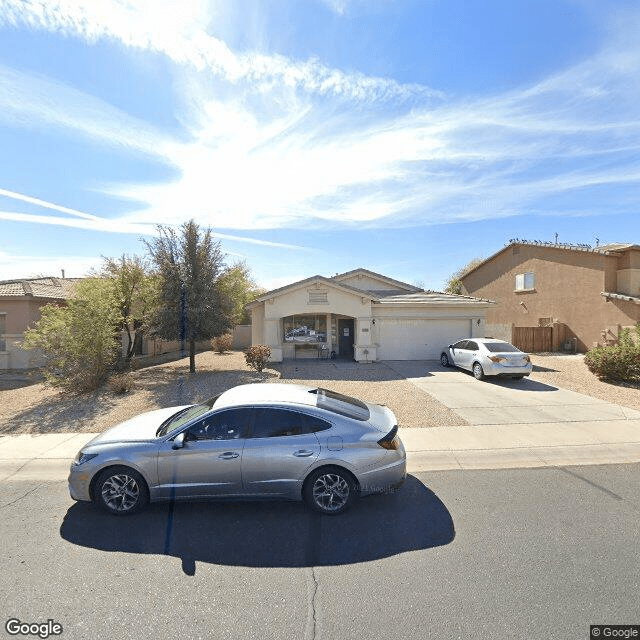
14785 West Windrose Drive, Surprise, AZ 85379
For more information about senior living options: (866) 208-4318
Ortiz Sunnyside Assisted Living Costs & Pricing
Ortiz Sunnyside Assisted Living offers competitive pricing relative to both Maricopa County and the broader state of Arizona. For semi-private rooms, Ortiz stands out with a cost of $2,000 per month, significantly lower than the county average of $2,801 and the state average of $2,820. The facility's private room rates range from $2,800 to $6,395, which provides flexibility for residents while still being more affordable than the county's average of $3,318 and the state's average of $3,345. When it comes to studio apartments, Ortiz is priced at $4,295 - a bit higher than Maricopa County's average of $3,960 but above Arizona's state average of $3,829. For one-bedroom and two-bedroom options, Ortiz charges $5,295 and $7,495 respectively; these figures are notably higher than both county and state averages ($3,473 and $4,112 for one- and two-bedrooms). Overall, while some costs may exceed local averages for larger units or specialized accommodations at Ortiz Sunnyside Assisted Living, their semi-private room offering remains particularly attractive within the market landscape.
| Floor plans | Ortiz Sunnyside Assisted Living | Maricopa County | Arizona |
|---|---|---|---|
| Semi-Private | $2,000 | $2,801 | $2,820 |
| Private | $2,800 to $6,395 | $3,318 | $3,345 |
| Studio | $4,295 | $3,960 | $3,829 |
| 1 Bedroom | $5,295 | $3,473 | $3,532 |
| 2 Bedrooms | $7,495 | $4,112 | $4,106 |
Assisted Living communities with a similar price nearby
-
About the same
All Stars Assisted Living
$2,000 to $2,500 / month2.2 miles away -
from -$125 / mo
Marybela's Loyal Care
$1,875 to $3,010 / month3.5 miles away -
from +$255 / mo

Windsor Luxury Assisted Living, LLC
$2,255 to $5,950 / month24.2 miles away -
About the same
Desert Breeze Care Home
$2,000 / month15.4 miles away -
from +$200 / mo
Adelina Care Home
$2,200 to $2,500 / month3.4 miles away
Overall Review of Ortiz Sunnyside Assisted Living
Pros
 The facility is a very nice place.
- The owners and caregivers created a quality, loving family environment where residents are treated with respect and dignity.
- They display infinite patience and use humor to diffuse difficult behaviors, resulting in smiles and laughter.
- They listen to residents’ concerns with graciousness and goodwill.
- The care provided is exceptional.
- Residents are treated as family and are made comfortable and happy under their care.
- The facility offers a nice backyard and daily activities that encourage participation and outdoor time.
Cons
 The care was minimal, with residents largely left unattended between activities.
- Residents fell frequently due to lack of supervision and footwear not being kept on.
- Staff were often in the front room watching TV or on their phones, away from patients.
- Dietary requests and dislikes were ignored; residents were served foods they did not want.
- The cleaning solutions produced a strong odor and floors were slippery, creating safety hazards.
- PRN medications were not administered when needed, leaving symptoms unmanaged.
- Lighting was inadequate after sunset and residents were kept in dim, cold conditions.
- An aide was observed sitting in a back room away from residents.
- Refund policies promised after a resident’s death were not honored, described as unethical.
Review
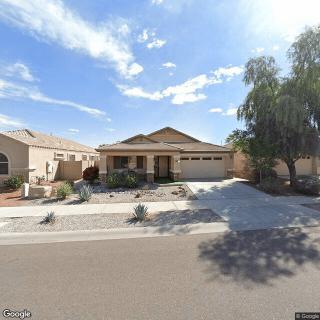
Ortiz Sunnyside Assisted Living is best suited for families seeking a very intimate, home-like setting where residents can be treated like family and where the owners are visibly involved in daily care. The positives consistently highlighted are a warm, personal atmosphere created by John and Dana, and a caregiving approach that emphasizes respect, dignity, and patience. This environment can be particularly comforting for someone with dementia who benefits from a familiar, affectionate touch and a setting that feels less institutional than larger facilities. For families prioritizing a nurturing, low-key domestic rhythm, Ortiz Sunnyside can feel supportive and reassuring.
However, this community may not be the right fit for residents who require strong, ongoing clinical oversight, highly structured supervision, or robust safety protocols. Multiple accounts describe gaps in supervision, with residents left unattended, footwear and safety issues unaddressed, and concerns about turning, wandering, or timely response to needs. There are also troubling anecdotes about inconsistency in care delivery, including gaps in medication handling, delayed or missing care tasks, and a general sense that daily activities and engagement may not be reliably provided. For families needing rigorous risk management and verifiable, objective quality measures, alternatives with larger staff teams and formal clinical oversight are worth considering.
The core pros, an evident family ethos, patient, personable staff, and a willingness to accommodate reasonable requests, do not consistently offset the notable drawbacks. When the owners’ approach aligns with a resident’s temperament and needs, the care feels responsive and compassionate, and families often describe remarkable moments of kindness and personalized attention. Yet the same sources recount times when care felt minimal, with residents left to entertain themselves or to meals and routines without meaningful interaction. The contrast between the warmth of the setting and episodes of inattentive supervision creates a tension that can be decisive for families evaluating whether the culture is enough to outweigh safety and reliability concerns.
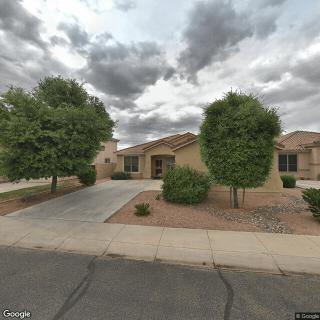
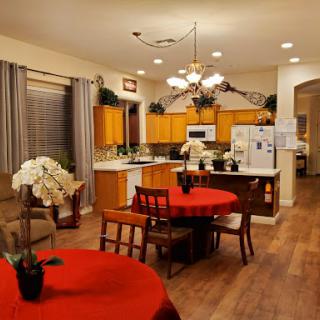
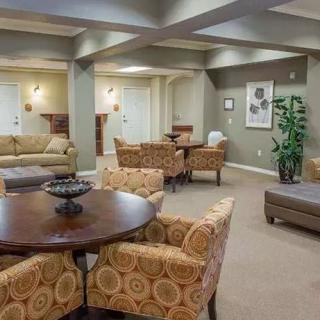
Environmentally, Ortiz Sunnyside presents as neat, with appealing features such as a backyard and a home-like layout that initially persuades families to believe in a comfortable daily life. The reality, however, reveals vulnerabilities: odors from cleaners, inconsistent lighting after dark, and slippery floors tied to cleaning routines. These details matter in daily life and can compound risk for a population prone to confusion, agitation, or falls. The disconnect between promises of daily activities and what is actually delivered, where programs seem intermittent and staff may be distracted, further complicates the decision for families balancing autonomy, engagement, and safety.
Financial and governance aspects also weigh in, and not all families will be at ease with what is described as a lack of transparency around refunds and contractual terms. A single, highly concerning complaint about a refund after a resident’s death underscores the need for clear, written policies and trustworthy administration. Prospective residents must verify the contract terms, understand what triggers refunds, and confirm how financial settlements are handled in end-of-life scenarios. This is a non-trivial risk factor that can influence the overall perception of value and trust.
In the end, Ortiz Sunnyside is a meaningful option for those who prioritize a truly home-centered vibe and who plan to be actively involved in monitoring care. It can work well when staff are attentive, engaged, and aligned with family expectations, and when the resident’s needs fit a small, less clinical model. For families that require consistent daily programming, rigorous supervision, proven safety protocols, transparent financial practices, and measurable accountability, it is prudent to explore other communities first. The decision should hinge on the resident’s dementia stage, the family’s capacity to supervise and advocate, and the clarity of the facility’s commitments to safety, activity, and dependable care.
 8 resident community capacity
 Assisted Living
 Board and Care Home
 Cats allowed
 Dogs allowed
 Activities on-site
 Bath tubs
 Beautician on-site
 Cable or satellite TV
 Dining room
 Fully furnished
 Garden
 Housekeeping services
 Indoor common areas
 Move-in coordination
 Outdoor common areas
 Private
 Private bathrooms
 Respite or short term stays offered
 Telephone
 Wheelchair accessible showers
 Wi-Fi/high-speed internet available
 Phoenix Sky Harbor International (24 miles away)
 24-hour supervision
 Ambulatory care
 Assistance with bathing
 Assistance with dressing
 Assistance with transfers
 Diabetes diet
 Diabetic care
 High acuity care
 Incontinence care
 Meal preparation and service
 Medication management
 Special dietary restrictions
 Transportation arrangement (medical)
 Transportation to doctors appointments

 Understanding Medicaid Coverage for Assisted Living: A Comprehensive Guide
 How and When Medicaid May Cover Assisted Living Costs
 A Detailed Exploration of Assisted Living Medicaid Waivers Across the United States