
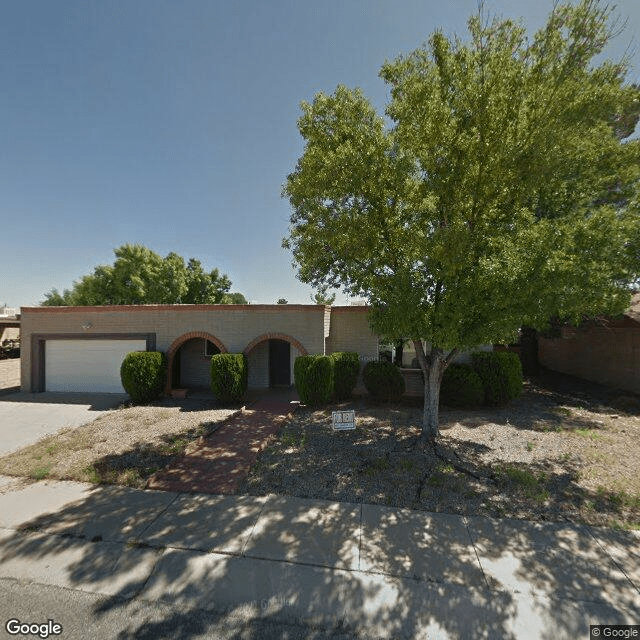
425 North Bernini Avenue, Sierra Vista, AZ 85635
To contact a resident: (520) 820-8147
For more information about senior living options: (866) 208-4318
Overall Review of Jr Caring Hearts
Pros
 The staff are absolutely amazing and provide a high level of care.
- The staff demonstrate compassion and kindness toward all residents and their families.
- Healing Hearts offers five-star level care for loved ones who can no longer live independently.
- The home is clean and operates like a regular home, with meals home-cooked from scratch.
- Friends and family are welcome to visit at any time.
- Healing Hearts is the only facility of its kind in Sierra Vista, with a very reasonable private-pay cost.
- The staff honor and dignify residents during the final stages of life.
- The facility is highly recommended to anyone needing care.
Review
Healing Hearts Assisted Living in Sierra Vista is best suited for families seeking a genuinely home-like environment where caregiving is personal, consistent, and clearly prioritized. The community shines for seniors who no longer can safely live alone and for whom dignity, companionship, and steady daily rhythms matter most. It stands out for residents navigating dementia progression, where a calm, familiar setting and attentive, patient staff can make a meaningful difference in daily life. This is a reliable fit for families who welcome hands-on involvement, open dining spaces, and meals that feel prepared with care rather than by a sterile, institutional kitchen. In short, it is the right choice for those who value warmth, closeness, and cost-effective private-pay care over grand scale or glossy amenities.
Those weighing alternatives should consider options that offer more extensive clinical oversight or larger campuses. Families needing robust 24/7 nursing presence, complex medical management, or highly structured memory-care programming may want to explore communities with deeper medical and rehabilitative capabilities. If the priority is aggressive specialty care, frequent on-site physician rounds, or more expansive activity schedules and transportation services, a bigger or more medically oriented community could be a better match. For residents who require intensive skilled nursing or post-acute rehabilitation, the current model may not deliver the level of clinical infrastructure some families expect.
The strongest pros center on people and atmosphere. Staff consistently convey compassion and dedication, creating a sense of trust and security that can ease difficult transitions. The home-like feel, clean, cozy, and intimate, makes residents appear and feel more at ease than in larger, impersonal facilities. Home-cooked meals and the flexibility to involve family in mealtime reinforce a sense of belonging and normalcy, with the dining experience described as warm and socially inviting rather than clinical. End-of-life moments are handled with dignity and respect, and families can be present and engaged, which matters profoundly when navigating progressive decline. The combination of respectful care and a reasonable private-pay cost strengthens the overall value proposition for most families.
Yet the reviews do not spell out a full clinical services map. There is limited detail about on-site nursing depth, medication management protocols, or the availability of medical specialists beyond caregiving staff. The size of the community naturally implies a smaller pool of on-site services and potential limits on rehabilitative programs or rapid access to skilled care if health needs escalate. While dementia care is highlighted as a strength, the lack of explicit, formalized memory-care programming or surge capacity for cognitive support could matter for families with higher acuity needs. These gaps do not negate the lived experience of warmth and attentiveness, but they do提醒 prospective residents to verify the degree of medical oversight and the exact scope of services before committing.
Overall, the pros largely offset the potential drawbacks for most seniors who prioritize comfort, personal attention, and emotional well-being over institutional scale. For residents who thrive on a steady, family-like routine, the hands-on staff engagement and the homey atmosphere can translate into meaningful daily quality of life. The appealing cost profile for private-pay arrangements further strengthens the appeal, especially for families seeking steady, predictable expenses without the premium charged by larger networks. The risk-to-reward balance tilts in favor of choosing this community when the resident’s needs align with warmth, dignity, and personalized care rather than advanced medical complexity.
For families ready to decide, practical next steps are essential. Schedule a visit to observe daily interactions and to meet caregivers who would become a steady presence in the loved one’s life. Ask direct questions about staff-to-resident ratios, how medication management is handled, and how care plans are updated as needs evolve. Inquire about the availability of on-site nursing, visiting physicians, and any rehabilitation services; request to speak with current families about response times and consistency of care. Clarify cost inclusions and what, if any, services would require additional private payments. If memory care needs are particular, obtain detailed information on how dementia-related symptoms are managed and what happens if a resident’s condition progresses. With clear expectations and firsthand observations, this community can be the right home where compassion and daily life feel truly lived.
 6 resident community capacity
 Assisted Living
 Activities on-site
 Cable or satellite TV
 Devotional services off-site
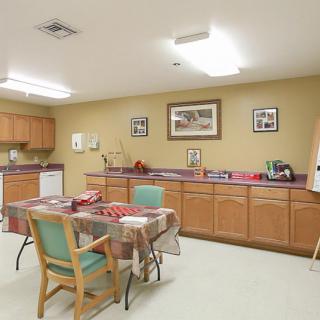
 Dining room
 Fully furnished
 Garden
 Housekeeping services
 Indoor common areas
 Move-in coordination
 Outdoor space
 Telephone
 Wi-Fi/high-speed internet available
 24-hour supervision
 Ambulatory care
 Assistance with bathing
 Assistance with dressing
 Assistance with transfers
 Diabetes diet
 Diabetic care
 Meal preparation and service
 Medication management
 Special dietary restrictions
 Transportation arrangement (medical)
 Transportation to doctors appointments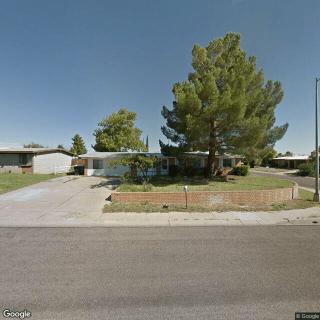


 Exploring the Contrasts Between Assisted Living and Skilled Nursing
 8 Key Indicators That Suggest It May Be Time to Transition from Assisted Living to Skilled Nursing Care
 Vibrant Senior Living: A Comprehensive Guide for Active Older Adults