Residents and families repeatedly describe staff as compassionate, attentive, and helpful.
Across many reviews, residents and families thank specific nurses, CNAs, therapy staff, and front-desk or management personnel for being kind, responsive, and supportive during rehab stays. Several reviewers mention staff helping with comfort needs, explaining care, and making a difficult transition feel easier. A few reviews also raise concerns about communication, dismissiveness, or staffing pressures, but even those tend to distinguish between people who were helpful and moments when care fell short.
differentiator
Physical and occupational therapy praised
Many reviewers say therapy teams helped them make meaningful recovery progress.
Reviews frequently single out physical therapy (and sometimes occupational therapy) as a key part of the experience, with people describing encouragement, knowledge, and hands-on support. Some reviewers describe reaching improved mobility goals and feeling more confident for discharge after PT and related coordination. A smaller number of reviews express drawbacks, including therapy schedules or gym crowding, but the dominant theme is that therapy staff were a standout part of rehab.
caveat
Food is a mixed experience
Dining receives both praise for quality and criticism for variety and taste.
Many reviews describe meals as good, even mentioning vegetarian-friendly experiences and alternate menu choices. Others complain that food quality was poor, cold, or limited in options like sides or desserts, and some mention trouble getting snacks or drinks. Because the comments are polarized, dining appears dependable for some residents while being a recurring frustration for others.
common
Clean, presentable facility earns trust
Multiple reviews highlight a clean environment and well-kept rooms.
A consistent theme in the reviews is that the facility looks clean and rooms feel maintained, with housekeeping staff sometimes called out by name. Several reviewers connect the cleanliness to a more reassuring experience during recovery. A few negative reviews dispute cleanliness and cite odors, but overall the cleanliness theme is strongly positive.
common
Activities help keep residents engaged
Residents and visitors describe organized activities that keep people social and occupied.
Some reviews mention games, projects, and community activities that helped residents stay busy and even laugh during visits. Activity staff are repeatedly thanked for spending time with residents and helping create a welcoming atmosphere. While activities are praised, a few negative reviews focus more on care breakdowns than engagement.
caveat
Short staffing and delays show up
Some reviewers report understaffing and care delays that affected medication and attention.
A subset of reviews describe understaffing or overwork, with examples like delayed pain medication, missed medication rounds, or slow response to calls for help. Others mention problems coordinating wound care, water, showers, or medical needs, sometimes alongside dismissive responses. These reviews often contrast with the many positive comments about care, suggesting the experience may vary by shift, circumstance, or staffing level.
How we summarize
We summarize when many written reviews mention each theme; a review can touch several themes, and only frequently mentioned themes are displayed.
Features
Housing
5 resident community capacity
Types of Care
Assisted Living
Board and Care Home
Respite Care
Amenities
Cable or satellite TV
Dining room
Fully furnished
Garden
Housekeeping services
Move-in coordination
Outdoor space
Telephone
Wi-Fi/high-speed internet available
Care Services
24-hour supervision
Activities of daily living assistance
Assistance with bathing
Assistance with dressing
Assistance with transfers
Coordination with health care providers
Diabetes diet
Meal preparation and service
Medication management
Special dietary restrictions
Transportation arrangement (medical)
Transportation to doctors appointments
Dining
Diabetes diet
Special dietary restrictions
Activities
Community-sponsored activities
Scheduled daily activities
Nearby Places of Interest
Pharmacies
Associated Food Stores (0.2 miles)
CVS Pharmacy (5.7 miles)
Walgreens (5.9 miles)
Ascend Hemp Oil (5.9 miles)
CVS Pharmacy (13.9 miles)
Cafes
Red Rock Cafe (0.2 miles)
Firecreek Coffee Company (0.3 miles)
Blue Water Café (0.4 miles)
The Chai Spot (5.6 miles)
Starbucks (5.9 miles)
Berry Divine Acai Bowls (6.1 miles)
Bochas Cafe (13.9 miles)
Restaurants
Oak Creek Espresso (0.2 miles)
Subway (0.3 miles)
Tortas De Fuego (0.4 miles)
Mulligan's Grille on the Green (0.4 miles)
The Grill At Shodowrock (0.4 miles)
The Grille At Shadowrock (0.4 miles)
Cucina Rustica (0.5 miles)
Parks
Kiwanis Park (0.4 miles)
Red Rock State Park (4.3 miles)
Crescent Moon Ranch (4.4 miles)
Cultural Park (6.1 miles)
V Bar V Petroglyphs (8.5 miles)
Montezuma Well National Monument (9.1 miles)
Windmill Park (9.6 miles)
Places of Worship
Chapel of the Holy Cross (3.5 miles)
Sacred Light of Sedona (4.6 miles)
Church of the Red Rocks (4.8 miles)
Christ Lutheran Church (8.1 miles)
Beaver Creek Baptist Church (9.4 miles)
Beaver Creek Baptist Church (9.5 miles)
Ashram of Enlightenment (9.8 miles)
Transportation
Sedona Airport (SEZ) (SDX) (5 miles)
Airport Vortex (5.2 miles)
Fare Price Livery Vehicle For Hire (14 miles)
Physicians
Westervelt Family Dentistry (5.7 miles)
Red Rock Dental (5.7 miles)
Choices Integrative Healthcare of Sedona (5.8 miles)
Valley of The Sun Institute for Pain Management (5.8 miles)
Sedona Surgery Center (5.8 miles)
Prow Dionna Erin - Prow, Dionna Erin (5.9 miles)
Steven M. Johnson (5.9 miles)
Hospitals
Verde Valley Medical Center Sedona Campus Lab (6.1 miles)
Assisted living provides moderate support for seniors seeking independence, while memory care offers specialized support for individuals with dementia or cognitive impairments through structured routines and trained staff. Key differences include care approaches, environment security measures, staff training levels, activity types, and cost considerations.
Assisted living communities offer diverse activities beyond traditional games to enhance seniors' physical health, cognitive well-being, emotional enrichment, and social connections, including fitness classes, creative expression, and intergenerational interactions. These enriching programs foster community bonds and support residents' independence and happiness.
The article differentiates between assisted living and memory care, explaining that assisted living supports seniors with daily activities while promoting independence, whereas memory care provides specialized services for individuals with dementia, focusing on secure environments and cognitive support. It also addresses staff training, safety considerations, costs, family involvement, and transition strategies for families navigating these care options.
Get PricingAsk A QuestionSchedule A TourContact Senior Advisor
By clicking submit, you agree to our Partner's Terms of Use. You
also consent to receive calls and texts, which may be autodialed, from our Partner. Your consent is not a condition to
using our Partner's service. Please visit our Partner's Privacy Policy for information about their privacy practices.

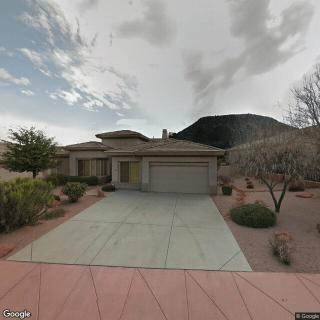
 5 resident community capacity
 Assisted Living
 Board and Care Home
 Respite Care
 Cable or satellite TV
 Dining room
 Fully furnished
 Garden
 Housekeeping services
 Move-in coordination
 Outdoor space
 Telephone
 Wi-Fi/high-speed internet available
 24-hour supervision
 Activities of daily living assistance
 Assistance with bathing
 Assistance with dressing
 Assistance with transfers
 Diabetes diet
 Meal preparation and service
 Medication management
 Special dietary restrictions
 Transportation arrangement (medical)
 Transportation to doctors appointments
 Welcoming atmosphere with attentive staff, strong dining and activity options.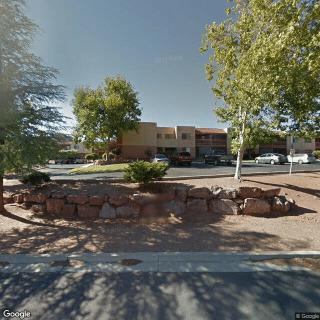

 Assisted Living and Memory Care: Understanding Their Core Differences
 Beyond the Bingo Hall: 50+ Enriching Activities for Seniors in Assisted Living
 Understanding the Distinctions: Assisted Living and Memory Care Explained