For more information about senior living options: (866) 208-4318
4.5 from 119 reviews
5 stars
84
4 stars
19
3 stars
11
2 stars
2
1 stars
3
The Pavilion Costs & Pricing
The Pavilion offers competitive pricing for its accommodations, particularly when compared to the average costs in Maricopa County and across Arizona. For semi-private rooms, The Pavilion charges $2,300 per month, which is significantly lower than the county's average of $2,801 and the state average of $2,820. Similarly, in terms of private rooms, The Pavilion's rate of $2,700 stands out as more economical compared to Maricopa County's average of $3,318 and Arizona's overall average of $3,345. This positioning not only underscores The Pavilion's commitment to providing quality care at accessible prices but also highlights its appeal as a cost-effective option for those seeking assisted living solutions in the region.
Floor plans
The Pavilion
Maricopa County
Arizona
Semi-Private
$2,300
$2,801
$2,820
Private
$2,700
$3,318
$3,345
Senior living communities with a similar price nearby
from -$355 / mo
Home Instead - Fountain Hills, AZ
5 from 98 reviews
$1,945 to $3,525 / month
10.3 miles away
from -$439 / mo
Endeavor Senior In-Home - Mesa
5 from 77 reviews
$1,861 / month
15.9 miles away
from +$325 / mo
The Eldercare Home Of Tempe
5 from 44 reviews
$2,625 to $3,412 / month
15.9 miles away
from -$300 / mo
Garcia's Assisted Living Home LLC
5 from 38 reviews
$2,000 / month
15.3 miles away
from +$200 / mo
La Bella Vita ALH
5 from 31 reviews
$2,500 to $7,000 / month
20.1 miles away
Overall Review of The Pavilion
differentiator
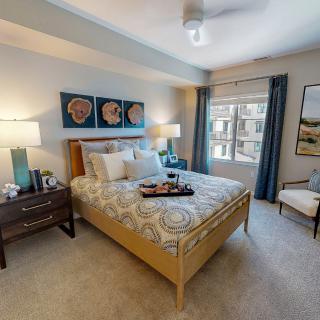
Private arrangement is offered
The community offers private arrangements within its board-and-care setup.
The listing indicates a private arrangement option, alongside its board-and-care home classification. This can matter for people who want a more self-contained living arrangement rather than a shared setup.
common
Nearby dining and cafes
There are multiple nearby restaurants and cafes close by.
Nearby options include both sit-down dining and casual cafes, giving residents more choices for meals and outings. The listing also places several common dining stops within about 1–1.5 miles.
common
Medical offices are nearby
Physician offices and a major medical center are within a few miles.
The surrounding area includes multiple physician offices and a hospital option within roughly 2–5 miles. That can make it easier to schedule appointments without relying on long travel times.
common
Entertainment and outdoor options nearby
Outdoor areas and entertainment venues are close by.
The listing shows nearby parks plus a movie-theater option within the area, which can support regular outings. Several parks are also included at around 2–4 miles.
How we summarize
We summarize when many written reviews mention each theme; a review can touch several themes, and only frequently mentioned themes are displayed.
Features
Types of Care
Board and Care Home
Amenities
Private
Transportation
Phoenix Sky Harbor International (13 miles away)
Nearby Places of Interest
This section of Scottsdale, Arizona is a vibrant and diverse community with convenient access to medical facilities such as the Arizona Asthma & Allergy Institute and the Mayo Clinic, providing top-notch healthcare options for seniors. There are also a variety of dining options nearby, including SugarJam and Loco Patron, as well as popular cafes like Butters Pancakes & Cafe and Starbucks for socializing and enjoying meals. For transportation needs, the Scottsdale Municipal Airport and Enterprise Rent-A-Car are easily accessible. Additionally, there are several places of worship in the area, such as Impact Church and Shepherd of the Desert Lutheran Church, catering to spiritual needs. Overall, this part of Scottsdale offers a mix of healthcare services, amenities, and recreational opportunities at parks like Kierland Park and Thompson Peak Park for seniors to enjoy a fulfilling lifestyle in a welcoming community.
Physicians
Arizona Asthma & Allergy Institute (0.7 miles)
Arizona Allergy Associates (0.8 miles)
Associated Retina Consultants (0.9 miles)
Mayo Clinic (1.5 miles)
Scottsdale Endocrinology (1.8 miles)
Ironwood Cancer & Research Centers (1.8 miles)
HonorHealth Virginia G. Piper Cancer Care Network - 10460 N. 92nd St (2.3 miles)
Restaurants
SugarJam (1 miles)
Volanti Restaurant & Lounge (1 miles)
Loco Patron (1.1 miles)
Pei Wei Asian Diner (1.1 miles)
Chick-Fil-A (1.3 miles)
Wendy's (1.6 miles)
The Cheesecake Factory (1.6 miles)
Cafes
Butters Pancakes & Cafe (1 miles)
Panera Bread (1.2 miles)
Dutch Bros Coffee (1.5 miles)
Starbucks (1.5 miles)
Starbucks (1.8 miles)
Dutch Bros Coffee (3 miles)
Dutch Bros Coffee (4.8 miles)
Transportation
Scottsdale Municipal Airport (SDL) (1.1 miles)
Enterprise Rent-A-Car (1.7 miles)
Places of Worship
Impact Church (1.2 miles)
Shepherd of the Desert Lutheran Church (2.6 miles)
St Bernadette Catholic Church (3.1 miles)
New Vision Center for Spiritual Living (5 miles)
Saint Bernard of Clairvaux Catholic Church (5.7 miles)
The Pavilion offers competitive pricing for its accommodations, particularly when compared to the average costs in Maricopa County and across Arizona. For semi-private rooms, The Pavilion charges $2,300 per month, which is significantly lower than the county's average of $2,801 and the state average of $2,820. Similarly, in terms of private rooms, The Pavilion's rate of $2,700 stands out as more economical compared to Maricopa County's average of $3,318 and Arizona's overall average of $3,345. This positioning not only underscores The Pavilion's commitment to providing quality care at accessible prices but also highlights its appeal as a cost-effective option for those seeking assisted living solutions in the region.
Hospice care at home provides specialized end-of-life support that focuses on comfort and dignity for individuals with life-limiting illnesses, offering a range of services including medical management, emotional and spiritual support, and logistical assistance tailored to the family's needs. It involves collaboration to create individualized care plans and extends to bereavement support after a loved one's passing.
The guide outlines the rising costs of 24/7 in-home care, ranging from $10,000 to over $20,000 monthly, driven by factors such as location and caregiver qualifications. It discusses the limited coverage by Medicare and private insurance, potential Medicaid support, and the emotional and living condition considerations influencing families' decisions on care arrangements.
Home health nursing is an expanding field where licensed professionals provide specialized medical care in patients' homes, addressing the needs of an aging population through personalized services like assessments and medication management. Effective collaboration with healthcare teams, cultural sensitivity, and quality assurance measures are essential for fostering trust and ensuring positive patient outcomes.
Get PricingAsk A QuestionSchedule A TourContact Senior Advisor
By clicking submit, you agree to our Partner's Terms of Use. You
also consent to receive calls and texts, which may be autodialed, from our Partner. Your consent is not a condition to
using our Partner's service. Please visit our Partner's Privacy Policy for information about their privacy practices.



 Board and Care Home
 Private
 Phoenix Sky Harbor International (13 miles away)
 Exceptional, compassionate care with proactive communication and on-site medical support.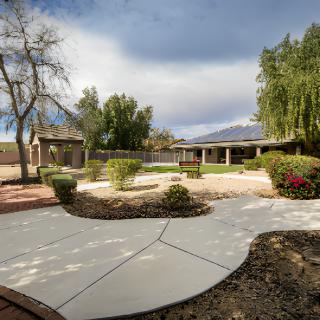
 Understanding Hospice Care at Home: Comprehensive Services, Key Benefits, and Eligibility
 Understanding the Full Cost of 24/7 In-Home Care: A Detailed Overview
 Exploring the World of Home Health Nurses: Qualifications, Roles, and Hiring Tips