
7480 East Camino Santo, Scottsdale, AZ 85260
For more information about senior living options: (866) 208-4318
Overall Review of Neuro Rebahcarescottsdale
Pros
 The mother wholeheartedly recommends the facility and is grateful to the staff for taking care of her son.
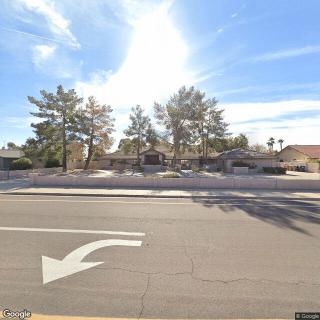
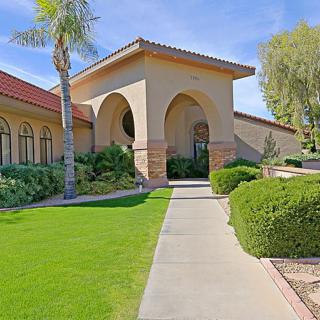
- The facility is described as a beautiful home with caring staff.
- Evgenia is compassionate and helps coordinate appointments and transportation for residents.
- The patient received some of the best care, with staff who were supportive and made them feel at home.
- NRC gives families confidence and peace of mind that their loved ones can live close to family as they age.
- NRC focuses on transitional living and meets nuanced needs in a warm, home-like environment.
- The staff provide genuine personal attention that fosters belonging.
- The facility is clean, efficient, and well staffed.
Cons
 The Peoria location is a terrible rehab facility.
- The staff couldn’t perform basic care tasks for the patient, and the management was horrible.
- They charged $2,000 per day while the patient largely received only assessments and frequent changes in therapists.
- They were not equipped to care for a patient of his size or spinal cord injuries.
- The staff are described as scam artists who do not deliver on promises.
- Kristen, the management, was a nightmare to deal with; she was unprofessional and reportedly withheld medication.
- Steer clear of this facility—it is a nice building but the level of care is lacking.
- They could not answer the phones reliably and would hang up, reflecting poor communication.
Review
Neuro Rehab Care Scottsdale is best suited for families seeking a neuro-focused, transitional rehab environment that feels like a home and prioritizes personalized, proactive care. The community shines for residents who need intensive therapy (physical, occupational, speech) and crave a warm, family-like atmosphere where staff coordinate appointments, transportation, and day-to-day needs with genuine attentiveness. It works well for survivors of traumatic brain injury or spinal cord injury who want to stay close to family in the Phoenix area while continuing meaningful rehabilitation and social engagement. The vibe is welcoming, and families consistently point to care teams that make residents feel truly cared for and part of a community.
Those who should consider alternatives include families prioritizing flawless administrative reliability and absolute consistency in communication and billing. The Scottsdale experience, while frequently praised for staff compassion and proactive support, exists alongside a history of mixed administrative feedback in the broader organization. Several reviews from other locations raise red flags about management practices, responsiveness, and billing ethics. For families where the certainty of administrative processes, answering calls promptly, transparent billing, and clear care plans, cannot be compromised, it is prudent to compare other options in the Scottsdale-Phoenix corridor.
The strongest positives at Neuro Rehab Care Scottsdale revolve around people and purpose. Families describe a beautiful, homey setting and a team that feels genuinely compassionate. Caregivers are highlighted for being responsive and proactive, not merely reactive to concerns but anticipating needs to maximize quality of life. The facility’s collaborative posture, therapy staff coordinating with families, assisting with transportation, and scheduling appointments, creates a sense of momentum in recovery and daily life. Residents benefit from a therapy-centric approach integrated with a supportive management presence, and the environment often feels like a professional family living under one roof.
Where the concerns land is in the realm of administration and consistency. Some reviewers point to experiences outside the Scottsdale locale, where management was criticized for professionalism, communication gaps, or billing practices, serving as a cautionary note that not every unit within the broader organization delivers identically. In addition, a recurring practical friction cited by families elsewhere is difficulty getting through on the phone or delays in routine administrative tasks. These issues do not erase the tangible strengths of care and rehabilitation, but they do temper the overall reliability a family might expect when planning long-term residency and financial commitments.
For decision-making, the key question comes down to what matters most: a resident who benefits from aggressive, ongoing therapy in a compassionate, home-like setting, with a care team that acts with foresight and warmth? If yes, Neuro Rehab Care Scottsdale offers a compelling mix of therapy intensity, staff engagement, and a family-centered atmosphere that can support meaningful recovery and long-term well-being near home. If, however, the priority is a consistently flawless front-office experience, unwavering administrative transparency, and highly uniform care decisions day after day, it is essential to compare other providers and request concrete, written assurances about communication protocols, billing practices, and care plan governance before committing.
A practical next step is to arrange a comprehensive visit that mirrors the resident’s daily routine: sit in on therapy sessions, meet the care coordinators, and ask to review a detailed, written care plan and schedule. Request a candid conversation with the nurse manager or admissions director about what a typical week looks like, how emergencies are handled, and how family input is incorporated into ongoing programming. Confirm transportation routines, medication management procedures, and how long-term activity planning is developed, especially for residents who may stay beyond an initial rehab window. With these checks in place, families can determine whether the Scottsdale location’s strengths align with their expectations for stability, responsiveness, and rehabilitative momentum.
 10 resident community capacity
 Assisted Living
 Cable or satellite TV
 Dining room
 Fully furnished
 Garden
 Housekeeping services
 Move-in coordination
 Outdoor space
 Telephone
 Wi-Fi/high-speed internet available
 Phoenix Sky Harbor International (13 miles away)
 24-hour supervision
 Activities of daily living assistance
 Assistance with bathing
 Assistance with dressing
 Assistance with transfers
 Diabetes diet
 Meal preparation and service
 Medication management
 Special dietary restrictions
 Transportation arrangement (medical)
 Transportation to doctors appointments





 Beyond the Bingo Hall: 50+ Enriching Activities for Seniors in Assisted Living
 Understanding the Distinctions: Assisted Living and Memory Care Explained
 Guiding Elderly Parents Who Refuse Assisted Living: 6 Practical Steps