
17245 North 56Th Way, Scottsdale, AZ 85254
For more information about senior living options: (866) 208-4318
Overall Review of Sun Valley Manor Assisted Living Home
Pros
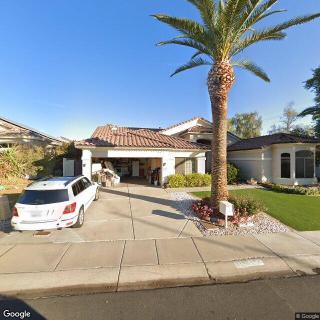
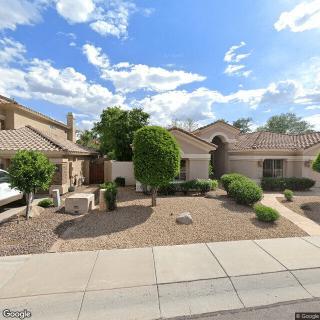
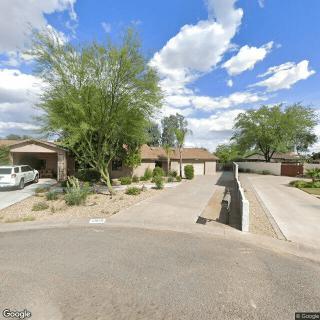
 The facility is a private home care assisted living with nicely maintained grounds and greenery, including a patio, BBQ area, two pools, and a putting green.
- Housekeeping and laundry are provided.
- Rooms are private or semi-private and all are handicap-equipped.
- Home-cooked meals with three meals and snacks are offered, with variety and good-tasting food.
- A house doctor and a nurse practitioner are on call; all caregivers are certified; the staff is caring.
- Transportation to appointments is available.
- A wide range of activities (bingo, parties, movies with popcorn, daily exercise) plus connections to a nearby senior center, across two houses with visits between them.
- It is described as a good place with good staff.
Review
Sun Valley Manor Assisted Living Home in Scottsdale is best suited for seniors who want a intimate, home-like setting with hands-on daily support, strong housekeeping, and a schedule of engaging activities delivered by caring, certified staff. This community’s private home atmosphere, with option for private or semi-private rooms, appeals to families seeking a low-key, neighborly environment where meals, cleaning, and basic medical touchpoints are integrated into daily life. The grounds, greenery, patio, BBQ area, two pools, and a putting green, support an active, sociable routine for residents who value an outdoor-rich, low-ritual living arrangement without the rigidity of a larger campus.
Those who may want to consider alternatives are seniors requiring high-acuity medical supervision on site around the clock, or residents needing specialized memory care or a more robust continuum of care. The model here centers on on-call medical input from a house doctor and a nurse practitioner, with caregivers who are certified and available for daily support; however, there is no indication of 24/7 on-site nursing or a formal memory-care program. For families prioritizing around-the-clock clinical oversight, structured dementia care, or more expansive clinical resources, a larger assisted living campus or a dedicated memory-care community would be a clearer fit.
The strongest pros hinge on practical daily living support that directly lightens family responsibilities and enhances resident independence. Housekeeping and laundry are included, reducing logistical burdens and creating more time for residents to enjoy activities. Meals are family-style in approach, three meals plus snacks, with an emphasis on variety and home cooking, which often translates into better appetite and satisfaction for residents who prefer familiar, homestyle fare. The presence of on-call clinicians and a team of certified caregivers tends to translate into reliable daily care, timely assistance, and a sense of safety during routine errands or appointments, especially when coupled with transport to medical visits. The activity lineup, bingo, parties, movies, daily exercise, along with connections to a nearby senior center and inter-house visits between the two properties, supports social engagement and a feeling of ongoing purpose.
Yet, the model’s limitations should be weighed against these benefits. The medical footprint relies on visiting professionals rather than full-time, on-site clinical staff, which can influence response times during urgent needs or after-hours scenarios. The two-house arrangement, while potentially offering variety and a broader circle of acquaintances, can introduce coordination challenges for families and residents moving between spaces, including transportation scheduling and continuity of care as needs evolve. The lack of a clearly defined, on-site memory-care track or higher-acuity medical services means certain residents may outgrow the environment as care requirements intensify, requiring a transition to a more comprehensive setting.
For families evaluating options, key questions sharpen the fit: Is there 24/7 nursing available on site, or strictly as on-call coverage? How are care plans updated, and who supervises that process? What are the exact transportation schedules and how flexible is them when appointments run late or reschedule? What does the meal program look like in practice, are there specialized diets or restrictions accommodated without fuss? How seamless is the transition between the two houses, and what guarantees exist for consistent staffing and social engagement across both sites? Attendance at several meal periods and activity sessions during a trial visit can reveal real-world dynamics beyond advertised strengths.
In the end, Sun Valley Manor stands out for families seeking a compact, homey assisted-living experience with solid daily living support, accessible medical input, and a lively, outdoorsy lifestyle. It delivers tangible advantages in cleanliness, personal care, meal quality, and social activity, all delivered in a setting that feels like a well-kept private residence rather than a sterile campus. For those whose priorities align with intimate scale, individualized attention, and easy access to outdoor amenities, this community offers a pragmatic, comfortable path. For residents needing constant on-site medical oversight, dementia-specific programming, or a larger, more formal care ecosystem, alternatives in the Scottsdale area will likely provide a clearer match. A thoughtful visit, focusing on staffing rhythms, medical coverage, and the logistics of navigating two homes, will crystallize whether Sun Valley Manor is the best practical choice.
 5 resident community capacity
 Assisted Living
 Board and Care Home
 Memory Care
 Cable or satellite TV
 Dining room
 Fully furnished
 Garden
 Housekeeping services
 Laundry
 Move-in coordination
 Outdoor space
 Telephone
 VA Benefits Consultation
 Wi-Fi/high-speed internet available
 Phoenix Sky Harbor International (15 miles away)
 24-hour supervision
 Activities of daily living assistance
 Assistance with bathing
 Assistance with dressing
 Assistance with transfers
 Diabetes diet
 Meal preparation and service
 Medication management
 Special dietary restrictions
 Transportation arrangement (medical)
 Transportation to doctors appointments
 Fitness programs
 English



 Exploring the Power of Reminiscence Therapy for Individuals With Dementia
 An In-Depth Look at Reminiscence Therapy in Dementia Care
 Dementia-Related Hallucinations: Causes, Experiences, and Practical Approaches