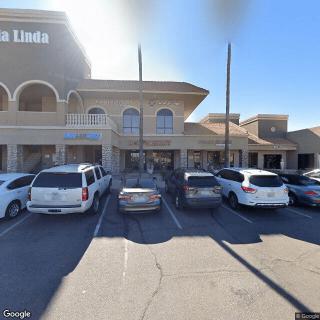
Legacy Village Of Salt River in Scottsdale, AZ

Information last verified:

8170 North 90th Street, Scottsdale, AZ 85258

For more information about senior living options: (844) 490-3973

4.5 from 79 reviews
5 stars
62
4 stars
7
3 stars
2
2 stars
4
1 stars
4

Overall Review of Legacy Village Of Salt River

Pros

  • pro Residents enjoy participating in activities and events organized by the Recreation Team.
  • pro Outing events provide good exposure to every resident.
  • pro Activities and outings to malls, restaurants, and historical locations inspire residents.
  • pro The weekly and special-occasion entertainment is entertaining.
  • pro The move-in experience at Legacy Village is smooth, with a welcoming staff.
  • pro The facility offers beautiful views, pristine apartments, and friendly residents.
  • pro The team (Steve, Bethany, and Lara) is outstanding, with kindness and professionalism.
  • pro Legacy Village is highly recommended to friends and family.

Cons

  • pro The facility is not equipped to handle severe sundowning, with families repeatedly called to intervene when residents show aggression or frustration.
  • pro A loved one suffered dehydration, UTIs, an undiagnosed fracture, and death soon after moving in, indicating serious care lapses.
  • pro The dining services and food quality are described as unbelievably bad, with shortages and inconsistent meals.
  • pro Management is criticized for poor communication and high staff turnover, creating a hostile or unresponsive environment for residents and staff.
  • pro Parking for visitors is horrible, with insufficient spaces requiring long walks in heat.
  • pro The location and decor are portrayed as remote and depressing, lacking ambiance and certain expected amenities.
  • pro Some staff are accused of unprofessional, disrespectful treatment of employees, raising concerns about overall care standards.

Review

Legacy Village of Salt River is best suited for active seniors who want a resort-like living environment with abundant social programming and a clear progression of care options, from independent living through assisted living to memory care. The community thrives on engagement: an energetic recreation team, frequent outings to malls, restaurants, and historic sites, and a calendar packed with performances and presentations. For families prioritizing a lively campus where residents are welcomed into a wide network of activities, Legacy Village offers a compelling match. The setting, newer construction, mountain views, and upscale apartment layouts, appeals to those who expect elegance without surrendering everyday practicality.

The strongest draws are immediately visible in the programming and the people delivering it. Residents consistently praise the Recreation Team for creating meaningful outings and events, with feedback highlighting not just entertainment but opportunities for public speaking and personal storytelling. The facility itself earns praise for its beauty, cleanliness, and the sunny ambiance that pervades common areas and living spaces. Staff across roles, front desk, dining, housekeeping, maintenance, and care, are repeatedly described as courteous, respectful, and helpful, and critics of the resident experience point to the same empathetic spirit that tends to elevate daily life. The memory care unit carries a particular strength in staffing structure, with a noted specialized focus and a higher ratio of staff to residents, which can ease the pressures of providing attentive care in that setting. Leadership has shown momentum too, with new management teams and associates bringing visible energy and a sense of momentum to continuous improvement.

However, several substantive concerns temper the otherwise strong profile. On the safety and wellness front, there are persistent red flags raised by family members about responses to medical issues and incidents of neglect or delayed care by some staff, including occasions of dehydration, urinary tract issues, and fragility around fracture management. Reports point to lapses in proactive communication with families, high staff turnover, and inconsistent follow-through on care plans, which can leave loved ones feeling out of the loop and vulnerable. Dining experiences, while improving over time, have been cited as uneven, with instances of missing menu items, slower service during peak times, and perceptions that food quality or consistency does not always meet expectations for an all-inclusive senior living setting. Parking access and the isolation of the site have also emerged as practical inconveniences for visitors, highlighting how location-specific logistics can affect daily routines and ease of family involvement.

These positives and negatives do not cancel each other out; they intersect in meaningful, decision-shaping ways. The robust activity program and the evident dedication of many staff members create a powerful offset for families seeking an engaging, social environment where residents can stay mentally and physically active. The improvements under new leadership, along with praise for specific team members and the consistently appealing physical campus, provide a credible signal that challenges are being addressed rather than ignored. Yet the most serious concerns, care consistency, proactive family communication, and the reliability of dining and nursing services, have a direct impact on daily security and long-term trust. In practical terms, the empathetic tone and visible effort of the staff can make Legacy Village a very good choice for residents who enter with realistic expectations, a stable health profile, and a willingness to participate in the program while monitoring care closely and maintaining open lines with administration.

Given the mixture of strengths and warnings, some families will want to consider alternatives. Those whose priorities center on rock-solid 24/7 medical oversight, consistently dependable care for advanced memory impairment, or absolute reliability in daily hygiene, bathing, dressing, and incontinence support may find the more variable experiences here unacceptable. Families who need a more centralized dining operation with consistently high-menu predictability, or who require a setting with guaranteed walkable access to everyday shopping and services, may opt for other communities that offer heightened operational consistency or a more urban footprint. Additionally, if proximity to family caregivers and ease of visitation are paramount, the site’s relative isolation and parking limitations could tilt the decision toward options with easier family access and transportation arrangements.

For families deciding to pursue Legacy Village, the prudent path is a rigorous, up-front assessment combined with ongoing, candid dialogue. Prioritize a detailed tour that includes a direct conversation with the Assisted Living Director and the Wellness Director, and request current care plans for residents with comparable needs to your loved one. Probe the dining operation: how menus are developed, how substitutions are handled when items run out, and how service levels respond during peak hours. Ask for concrete examples of timely family communication, incident resolution, and staff responsiveness to concerns. If memory care will be utilized, verify the staff-to-resident ratios during shifts, confirm recent turnover rates, and tour the memory care spaces to observe noise levels, cueing, and safety protocols. Finally, test the practicalities: schedule a meal, review parking logistics, and speak with several residents about daily life, not just the glossy highlights.

In the end, Legacy Village of Salt River offers a compelling blend of beauty, activity, and genuinely caring personnel that can deliver a vibrant, socially rich senior living experience. It is a strong fit for independent-minded seniors who want an upscale, active lifestyle with ready access to assisted services and memory-care options as needs evolve. Families should move forward with clear expectations, documented care plans, and a plan for ongoing communication with the leadership team. If those elements align and the resident’s health trajectory remains within the community’s capable range, Legacy Village stands as a meaningful, well-supported choice. If not, there are alternatives that promise tighter operational consistency and a more predictable daily rhythm; still, Legacy Village remains a viable candidate worth a thorough, discerning evaluation.

Features

Housing

  • 21 resident community capacity 21 resident community capacity

Types of Care

  • Assisted Living Assisted LivingAssisted living facilities provide crucial support and care for seniors who may need help with daily tasks such as medication management, bathing, and meal preparation. These communities offer a safe and comfortable environment where seniors can maintain their independence while receiving the assistance they need to thrive in their golden years.
  • Independent Living Independent LivingIndependent living communities are important for seniors because they offer a safe and supportive environment where older adults can live independently while still having access to amenities and services that enhance their quality of life. These communities provide social opportunities, recreational activities, and assistance with daily tasks, promoting overall well-being and allowing seniors to maintain their independence for as long as possible.
  • Memory Care Memory CareMemory care is crucial for seniors as it provides specialized support and services for individuals with dementia or Alzheimer's disease. These programs offer a safe and secure environment where residents receive personalized care, cognitive stimulation, and help with daily activities. Memory care helps seniors maintain their independence, quality of life, and dignity while also providing peace of mind for their families.

Amenities

  • Air-conditioning Air-conditioningAir conditioning is important for seniors as they are more vulnerable to heat-related illnesses and may have underlying health conditions that make it difficult for them to regulate their body temperature. It helps to keep them comfortable, safe, and healthy in hot weather.
  • Beauty salon Beauty salonBeauty salons are important for seniors because they provide a space for them to feel pampered, socialize, and maintain their personal grooming and hygiene. Regular visits to a beauty salon can help boost seniors' self-esteem and overall well-being.
  • Cable or satellite TV Cable or satellite TVCable or satellite TV is important for seniors because it provides entertainment, news, and companionship, helping to combat loneliness and boredom. It also offers a wide range of programming options tailored to different interests and preferences.
  • Dining room Dining roomDining rooms are important for seniors as they provide a space for socialization, connection, and nutritious meals. They offer opportunities for residents to bond over shared meals, foster a sense of community, and promote healthy eating habits. Dining rooms also ensure that seniors have access to well-balanced meals tailored to their dietary needs and preferences.
  • Fitness room Fitness roomHaving a fitness room in a senior living community is essential for seniors to stay active, maintain their physical health, and improve their overall well-being. Regular exercise can help prevent falls, reduce the risk of chronic diseases, and promote mental sharpness. It also provides social opportunities for residents to connect with others and enjoy a sense of community.
  • Fully furnished Fully furnishedFully furnished senior living communities are important for seniors because they provide convenience, comfort, and a hassle-free moving experience. Seniors can easily settle into their new living space without the stress of having to buy and move furniture. This allows them to focus on enjoying their new home and community.
  • Gaming room Gaming roomGaming rooms are important for seniors as they provide a fun and engaging environment for socializing, cognitive stimulation, and physical activity. Games can improve memory, problem-solving skills, and overall mental well-being while fostering friendships and reducing feelings of isolation.
  • Garden GardenGardens are important for seniors as they provide a peaceful and therapeutic environment for relaxation, physical activity, and socialization. Being in nature has been shown to reduce stress, improve mood, and promote overall well-being. Gardens also offer opportunities for seniors to engage in gardening activities, which can improve mobility, flexibility, and cognitive function. Additionally, gardens create a sense of community and connection with others who share a passion for plants and outdoor spaces.
  • Housekeeping services Housekeeping servicesHousekeeping services are important for seniors because they help maintain a clean and safe living environment, promote independence, and reduce the risk of accidents or illnesses. Additionally, having assistance with household chores can alleviate physical strain and allow seniors to focus on other aspects of their well-being.
  • Kitchenette KitchenetteKitchenettes are important for seniors living in senior living communities because they provide the convenience and independence of being able to prepare simple meals and snacks in the comfort of their own living space. This can help promote a sense of autonomy and well-being for seniors, allowing them to maintain some level of control over their dietary choices and daily routines.
  • Located close to restaurants Located close to restaurantsBeing located close to restaurants is important for seniors because it offers convenience, social opportunities, and the ability to maintain a healthy and varied diet. Easy access to dining options allows seniors to enjoy meals with friends or family, try new cuisines, and support their overall well-being.
  • Located close to shopping centers Located close to shopping centersBeing located close to shopping centers is important for seniors because it provides easy access to daily necessities, social interaction, and recreational activities. This convenience can enhance their quality of life and independence, making it a desirable feature for senior living communities.
  • Move-in coordination Move-in coordinationMove-in coordination is important for seniors because it helps ease the transition into their new living environment. It ensures that all logistics, such as packing, organizing movers, and setting up utilities are taken care of, allowing seniors to focus on settling in and adjusting to their new home. Having a smooth move-in process can alleviate stress and anxiety, making the transition smoother and more enjoyable for seniors.
  • Outdoor patio Outdoor patioOutdoor patios are essential for seniors as they provide a safe and peaceful space for them to enjoy the outdoors, socialize with friends and family, engage in physical activity, and soak up natural sunlight which promotes overall well-being and mental health.
  • Outdoor space Outdoor spaceOutdoor spaces are important for seniors as they provide opportunities for physical activity, social interaction, exposure to natural light and fresh air, and a sense of connection to nature. Having access to outdoor spaces can improve overall well-being and quality of life for older adults living in senior communities.
  • Private bathrooms Private bathroomsPrivate bathrooms are important for seniors in senior living communities because they provide independence, dignity, and comfort. Having a private bathroom allows seniors to maintain their personal hygiene routines without the need for assistance, promoting a sense of autonomy and privacy. Additionally, private bathrooms help prevent the spread of infections and provide a safe and clean environment for seniors to navigate safely.
  • Restaurant-style dining Restaurant-style diningRestaurant-style dining is important for seniors because it allows them to enjoy delicious, nutritious meals in a social and upscale setting. This enhances their dining experience, promotes healthy eating habits, and fosters socialization with fellow residents, ultimately contributing to their overall well-being and quality of life.
  • Swimming pool Swimming poolSwimming pools are important for seniors as they provide a low-impact form of exercise that can improve cardiovascular health, increase muscle strength and flexibility, and help maintain mental well-being. Additionally, swimming can relieve joint pain and stiffness associated with conditions such as arthritis, making it an ideal activity for older adults looking to stay active and healthy.
  • Telephone TelephoneTelephones are important for seniors as they provide a lifeline for communication with loved ones, emergency services, and healthcare providers. They offer a sense of security and independence, enabling seniors to stay connected and access assistance when needed.
  • Wi-Fi/high-speed internet available Wi-Fi/high-speed internet availableWi-Fi/high-speed internet is important for seniors to stay connected with loved ones, access online resources, and participate in virtual activities to combat feelings of loneliness and isolation. It also allows them to easily manage healthcare needs, access entertainment, and engage in lifelong learning opportunities.

Transportation

  • Phoenix Sky Harbor International (11 miles away) Phoenix Sky Harbor International (11 miles away)
  • Community operated transportation Community operated transportationCommunity operated transportation is crucial for seniors as it provides them with the means to access essential services, social activities, and medical appointments. It allows seniors to maintain their independence and quality of life by ensuring they can participate in activities outside of their homes. Additionally, community-operated transportation services offer a safe and reliable way for seniors to travel without having to rely on family or friends for assistance.

Care Services

  • 24-hour call system 24-hour call system24-hour call systems are important for seniors because they provide peace of mind and immediate assistance in case of emergencies. This technology ensures that help is always available, promoting safety and security for elderly individuals living alone or in assisted living facilities.
  • 24-hour supervision 24-hour supervision24-hour supervision is important for seniors to ensure their safety, well-being, and access to immediate assistance in case of emergencies or health issues. This constant support provides peace of mind for both seniors and their loved ones, allowing them to age in place with dignity and security.
  • Activities of daily living assistance Activities of daily living assistanceActivities of daily living assistance are important for seniors because they provide essential support with tasks such as eating, bathing, dressing, and mobility. This assistance helps seniors maintain their independence, dignity, and overall quality of life as they age.
  • Assistance with bathing Assistance with bathingAssistance with bathing is crucial for seniors as it helps maintain personal hygiene, prevents infections, and ensures their overall well-being and comfort. It also provides a sense of dignity and independence for seniors who may struggle with this task on their own.
  • Assistance with dressing Assistance with dressingAssistance with dressing is important for seniors because it helps maintain their independence, promotes personal hygiene, prevents accidents and injuries, and improves overall quality of life. This service ensures that seniors can continue to dress comfortably and confidently, despite any physical limitations they may have.
  • Assistance with transfers Assistance with transfersAssistance with transfers is crucial for seniors as it helps prevent falls and injuries, maintains their independence, and ensures they can safely navigate their living environment. It also provides peace of mind for both seniors and their loved ones.
  • Coordination with health care providers Coordination with health care providersCoordination with health care providers is crucial for seniors to ensure proper medical care, medication management, and overall well-being. This collaboration helps prevent overlapping treatments, track progress more effectively, and provide comprehensive support tailored to individual needs.
  • Diabetes diet Diabetes dietA diabetes diet is crucial for seniors as it helps manage blood sugar levels, reduce risks of complications, and improve overall health and well-being. By following a balanced and nutritious diet tailored to their specific needs, seniors can better control their diabetes and enhance their quality of life.
  • Meal preparation and service Meal preparation and serviceMeal preparation and service are crucial for seniors as they may have limited mobility or energy to cook nutritious meals. Having access to healthy and convenient food options can ensure they are getting the proper nutrition needed to maintain their overall health and well-being.
  • Medication management Medication managementMedication management is crucial for seniors to ensure they are taking the right medications at the correct dosages and times. This helps prevent adverse drug interactions, reduces the risk of medication errors, and promotes overall health and well-being. Proactive management also allows for adjustments as needed based on changing health conditions or new prescriptions.
  • Mental wellness program Mental wellness programMental wellness programs are essential for seniors as they promote cognitive stimulation, emotional support, and social engagement. These programs help prevent isolation, depression, and cognitive decline, ultimately enhancing the overall quality of life for older adults.
  • Mild cognitive impairment Mild cognitive impairment"Mild cognitive impairment" is important for seniors because it is an early stage of cognitive decline that can potentially progress to more severe conditions such as dementia. Recognizing and addressing mild cognitive impairment can help seniors receive appropriate care and support to maintain their quality of life and independence for as long as possible.
  • Respite program Respite programRespite programs provide short-term relief for family caregivers and allow seniors to receive temporary care in a safe and supportive environment. These programs help prevent burnout among caregivers, promote socialization for seniors, and offer a break from the challenges of daily caregiving responsibilities.
  • Special dietary restrictions Special dietary restrictionsSpecial dietary restrictions are important for seniors because age-related changes in metabolism and health conditions can make it difficult for their bodies to process certain foods. By following a diet tailored to their specific needs, seniors can maintain their overall health and well-being, manage chronic conditions, and reduce the risk of complications such as malnutrition or food interactions with medications.
  • Specialized memory care programming Specialized memory care programmingSpecialized memory care programming is crucial for seniors with cognitive impairments such as dementia or Alzheimer's disease. These programs provide a safe and supportive environment tailored to the unique needs of individuals with memory loss, helping them maintain their independence, dignity, and quality of life.
  • Transportation arrangement (medical) Transportation arrangement (medical)Transportation arrangements for medical purposes are essential for seniors as they may have difficulty driving themselves to appointments or accessing public transportation. Having reliable and safe transportation options ensures that seniors can receive timely medical care and maintain their health and well-being.
  • Transportation to doctors appointments Transportation to doctors appointmentsTransportation to doctors' appointments is crucial for seniors as it ensures they have access to necessary medical care and support for their health needs. Without reliable transportation, seniors may struggle to attend important appointments, leading to potential delays in treatment and health complications. Providing transportation services helps seniors maintain their overall well-being and quality of life.

Dining

  • Diabetes diet Diabetes dietA diabetes diet is crucial for seniors as it helps manage blood sugar levels, reduce risks of complications, and improve overall health and well-being. By following a balanced and nutritious diet tailored to their specific needs, seniors can better control their diabetes and enhance their quality of life.
  • Special dietary restrictions Special dietary restrictionsSpecial dietary restrictions are important for seniors because age-related changes in metabolism and health conditions can make it difficult for their bodies to process certain foods. By following a diet tailored to their specific needs, seniors can maintain their overall health and well-being, manage chronic conditions, and reduce the risk of complications such as malnutrition or food interactions with medications.

Activities

  • Community-sponsored activities Community-sponsored activitiesCommunity-sponsored activities are important for seniors as they provide opportunities for social interaction, mental stimulation, and physical activity. These activities can help improve overall well-being, combat loneliness and isolation, and promote a sense of belonging and purpose among older adults.
  • Concierge services Concierge servicesConcierge services are essential for seniors as they provide assistance with daily tasks and errands, enhance their quality of life by offering convenience and personalized care, and promote a sense of safety and security.
  • Fitness programs Fitness programsFitness programs are crucial for seniors as they help improve strength, flexibility, balance, and overall well-being. Staying active can reduce the risk of chronic diseases, improve mental health, and enhance quality of life in older adults.
  • Planned day trips Planned day tripsPlanned day trips are important for seniors because they offer opportunities for socialization, mental stimulation, and physical activity. They provide a change of scenery and help seniors stay engaged and connected to their community, promoting overall well-being and quality of life.
  • Resident-run activities Resident-run activitiesResident-run activities are important for seniors as they encourage social interaction, creativity, and a sense of autonomy. These activities empower seniors to stay engaged and active in their community while fostering meaningful connections with their peers.
  • Scheduled daily activities Scheduled daily activitiesScheduled daily activities are important for seniors because they provide structure, socialization, mental stimulation, and physical activity. Engaging in regular activities can improve overall well-being and quality of life for seniors living in a community setting.

Description

Legacy Village of Salt River in Scottsdale, AZ is a vibrant assisted living community offering a range of care services and amenities to suit the needs and preferences of its residents. With options for independent living and memory care, Legacy Village provides personalized assistance with activities of daily living such as bathing, dressing, and transfers.

Residents can enjoy their own fully furnished private apartments with the convenience of housekeeping services and access to cable or satellite TV and Wi-Fi/high-speed internet. The community offers various spaces for socializing and recreation, including a beauty salon, gaming room, fitness room, outdoor patio, and swimming pool.

The dining experience at Legacy Village is exceptional, with restaurant-style dining that caters to special dietary restrictions. A team of dedicated professionals coordinates meal preparation and service according to individual needs.

Maintaining mental wellness is prioritized through specialized memory care programming for those with mild cognitive impairment. Additionally, transportation arrangements are available for medical appointments.

Residents can participate in a variety of activities designed to stimulate their physical and mental well-being. Scheduled daily activities, resident-run activities, fitness programs, and planned day trips ensure there is always something engaging to do.

Located in Scottsdale, Legacy Village benefits from its proximity to numerous amenities such as cafes, pharmacies, physicians' offices, restaurants, places of worship, hospitals, and transportation options.

At Legacy Village of Salt River in Scottsdale, AZ residents receive the highest quality care in an inviting community where their comfort and well-being are the top priority.

Nearby Places of Interest

Restaurants

  • White Castle (0.5 miles)
  • Zipps Sports Grill (0.7 miles)
  • The Vig McCormick (1.2 miles)
  • Portillo's Hot Dogs (1.9 miles)
  • Chick-Fil-A (2 miles)
  • Goldie's Neighborhood Sports Cafe (2 miles)
  • McDonald's (2.2 miles)

Cafes

  • Dutch Bros Coffee (0.9 miles)
  • Panera Bread (4.5 miles)
  • Butters Pancakes & Cafe (4.6 miles)
  • Starbucks (4.9 miles)
  • Dutch Bros Coffee (5.1 miles)
  • Starbucks (5.2 miles)
  • Starbucks (5.3 miles)

Physicians

  • Valley Sleep Center - Scottsdale Center (1.4 miles)
  • Advanced Fertility Care (1.7 miles)
  • Medical Plaza 1 (1.9 miles)
  • HonorHealth Virginia G. Piper Cancer Care Network - 10460 N. 92nd St (1.9 miles)
  • Ironwood Cancer & Research Centers (2.2 miles)
  • Arizona Allergy Associates (3.1 miles)
  • NeuroHealth Solutions (3.7 miles)

Hospitals

  • Piper Surgery Center (1.9 miles)
  • Greenbaum Surgery Center (5 miles)
  • Mayo Clinic Hematology/Oncology (5.9 miles)

Places of Worship

  • Shepherd of the Desert Lutheran Church (2.2 miles)
  • Impact Church (4.7 miles)
  • Saint Bernard of Clairvaux Catholic Church (4.9 miles)
  • Salt River Assembly of God (5.8 miles)
  • Christ Church of the Ascension (6.3 miles)
  • St Bernadette Catholic Church (6.7 miles)

Pharmacies

  • Walgreens (2.2 miles)
  • CVS Pharmacy (2.7 miles)
  • CVS Pharmacy (2.9 miles)
  • Walgreens (3.1 miles)
  • CVS Pharmacy (4.5 miles)
  • Walgreens (4.7 miles)
  • Walgreens (5.1 miles)

Transportation

  • Scottsdale Municipal Airport (SDL) (4.9 miles)
  • Enterprise Rent-A-Car (5.6 miles)

Parks

  • Kierland Park (6.2 miles)
  • Desert Horizon Park (6.8 miles)

Frequently Asked Questions

Where is Legacy Village Of Salt River?
Does Legacy Village Of Salt River provide care for residents with dementia or Alzheimer's disease?

Nearby Communities

  • Legacy Village of Salt River

    Legacy Village of Salt River

    Scottsdale, AZ

    4.5 from 103 reviews
    $3,390 to $4,825 / month

    pro Friendly staff and a welcoming, active community in a modern, well-maintained setting.


  • La Jardin

    La Jardin

    Scottsdale, AZ

     
    $3,000 to $3,700 / month

    pro Specializes in incontinence care with private rooms and a convenient Scottsdale location near medical services and amenities.

  • Liann's Homes 1

    Liann's Homes 1

    Scottsdale, AZ


    pro 24-hour supervision with ADL support, meal service, transportation to appointments, and coordinated care, plus pleasant amenities.

  • CareMinders Home Care Phoenix

    CareMinders Home Care Phoenix

    Scottsdale, AZ

    5 from 16 reviews
     

  • Encanto Place

    Encanto Place

    Scottsdale, AZ

     
    $2,500 to $3,000 / month

    pro Affordable, pet-friendly assisted living with convenient access to cafes, pharmacies, doctors, restaurants, worship, and hospitals.

  • Calini's Adult Care Home

    Calini's Adult Care Home

    Scottsdale, AZ

    4.3 from 4 reviews
    $2,200 to $2,500 / month

    pro Compassionate staff, clean environment, and affordable rates.

  • The Ranch Estates at Scottsdale

    The Ranch Estates at Scottsdale

    Scottsdale, AZ

    4.7 from 120 reviews
    $3,300 to $4,920 / month

    pro Caring, responsive staff; clean, engaging activities, and convenient dining.

  • Acoya Shea (Opening 2023)

    Acoya Shea (Opening 2023)

    Scottsdale, AZ

    4.9 from 45 reviews
     

    pro Extensive amenities and services supporting independent living.

  • Barton House I and II

    Barton House I and II

    Scottsdale, AZ

    4.6 from 23 reviews
    $5,600 / month

    pro Caring, knowledgeable staff with a favorable caregiver ratio; homelike atmosphere; clean facilities; diverse daily activities; and on-site amenities (barber/beauty salon) with memory-care focus.

Related Resources

  • how to talk to someone with dementiaHow to Communicate with a Loved One Living with Dementia: 10 Supportive Strategies

    The article outlines effective communication strategies for interacting with loved ones with dementia, highlighting the need for empathy, patience, and understanding while emphasizing supportive approaches like using simple language, minimizing distractions, and focusing on feelings over facts to maintain dignity and foster connection. It also suggests seeking professional guidance when needed as communication challenges evolve.

  • va nursing homeComprehensive Guide to VA Nursing Homes: A Crucial Long-Term Care Resource for Veterans

    VA nursing homes, or Community Living Centers (CLCs), offer tailored long-term care for veterans, featuring medical attention and rehabilitation in a supportive environment. The guide covers facility types, eligibility criteria, financial assistance options, quality of care standards, and alternatives to full-time nursing home placement.

  • in home dementia care costsEstimating the Expenses of At-Home Dementia Care: A Detailed Exploration

    At-home dementia care expenses vary widely based on care levels, location, and caregiver expertise, with monthly costs for home health aides exceeding $4,500 and specialized care potentially surpassing $100,000 annually. While families favor in-home care for its comfort and personalized attention, they must consider financial planning and the challenges of caregiver fatigue.