

13614 North 89Th Street, Scottsdale, AZ 85260
For more information about senior living options: (866) 208-4318
Horizon Manor I Costs & Pricing
Horizon Manor I offers competitive pricing for assisted living compared to both Maricopa County and the broader state of Arizona. For a semi-private room, residents pay $2,200 per month, which is significantly lower than the county average of $2,801 and the state average of $2,820. This presents a substantial savings for those seeking shared accommodations. When it comes to private rooms, Horizon Manor I's monthly fee is set at $4,000 - although this is higher than both Maricopa County's average of $3,318 and Arizona's average of $3,345, it still reflects the premium services and personalized care that residents receive. Overall, Horizon Manor I provides an appealing balance of affordability in semi-private arrangements while ensuring high-quality amenities for those who choose private living options.
| Floor plans | Horizon Manor I | Maricopa County | Arizona |
|---|---|---|---|
| Semi-Private | $2,200 | $2,801 | $2,820 |
| Private | $4,000 | $3,318 | $3,345 |
Assisted Living communities with a similar price nearby
-
from +$425 / mo

The Eldercare Home Of Tempe
$2,625 to $3,412 / month16.1 miles away -
from +$200 / mo
Arabian Views Assisted Living One
$2,400 to $3,200 / month4.7 miles away -
from +$300 / mo
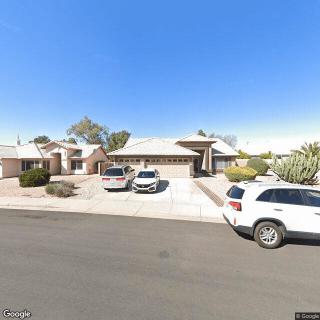
Bella Vista Assisted Living Home
$2,500 to $3,000 / month19.3 miles away -
from +$300 / mo

Northlands Assisted Living Home
$2,500 / month23.7 miles away -
from +$300 / mo
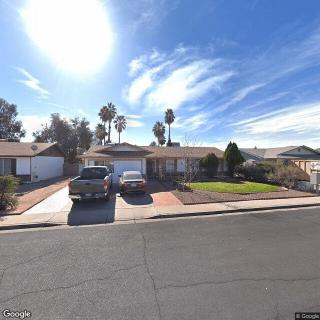
Coming Home Assisted Living Home
$2,500 to $3,000 / month16.0 miles away
Overall Review of Horizon Manor I
Cons
 The reviewer would have difficulty recommending this community based on their experience with the staff on behalf of a parent.
- The primary contact is very difficult to work with and seems not to care.
- There have been several issues, including a lack of communication.
- The restaurant-style dining leaves much to be desired.
- The reviewer cautions that anyone seeking assisted living should evaluate all options.
Review
Horizon Manor I in Scottsdale is best suited for families that need a local assisted-living option but can tolerate uneven service quality, relying on active family involvement to fill coordination gaps rather than expecting flawless daily operation from the staff.
Those who demand consistently clear communication and top-tier dining should look elsewhere. The single experience here centers on a primary staff contact who is described as difficult to work with and seemingly uncaring, paired with a broader pattern of poor communication. That combination makes it hard to feel confident about care planning, updates, or timely problem resolution, which is a nonstarter for families managing medical or daily-living needs.
In terms of positives, the most tangible one is simply that the resident remains in place within the community, signaling a basic level of stability and availability of care resources for now. Yet this should not be mistaken for an operational strength. There are no strong, clearly articulated advantages that counterbalance the significant drawbacks noted in the review. The absence of reliable staff responsiveness and engaging dining experiences weighs much more heavily in a decision.
The main cons are concrete and pressing. The staff dynamic appears hampered by a difficult primary contact and a perceived lack of care or accountability. Communication gaps compound those issues, leaving families in the dark about scheduling, care planning, and day-to-day adjustments. Dining is described in less-than-enthusiastic terms, with the implication that the restaurant-style approach does not meet expectations for nutrition, variety, or satisfaction. Together, these factors undermine trust in the care coordination process and daily resident well-being.
For families weighing Horizon Manor I, a practical playbook matters. Arrange a direct conversation with a dedicated care coordinator and request a clear chain of communication, including regular updates and written summaries of care plans. Observe the dining program firsthand, ask to see meal service during different times of day and request a review of menus and nutrition options. If possible, meet with the administrator and tour care areas during a typical day to gauge staff engagement and resident interaction. Have a candid plan for escalation: know the process to request changes, and have a backup facility in mind in case issues persist after a defined trial period.
Ultimately, Horizon Manor I should be approached as a cautious choice rather than a first pick. It may work for families who can stay closely involved, monitor progress, and tolerate service variability without compromising safety or comfort. For anyone who cannot accept ongoing communication gaps or subpar dining, alternatives with stronger administrative responsiveness and a more engaging dining program deserve serious consideration. The decision hinges on the family’s tolerance for hands-on oversight and the weight given to daily meal quality and proactive care coordination.
 10 resident community capacity
 Assisted Living
 Board and Care Home
 Respite Care
 Cable or satellite TV
 Dining room
 Fully furnished
 Garden
 Housekeeping services
 Move-in coordination
 Outdoor space
 Private
 Telephone
 Wi-Fi/high-speed internet available
 Phoenix Sky Harbor International (14 miles away)
 24-hour supervision
 Activities of daily living assistance
 Assistance with bathing
 Assistance with dressing
 Assistance with transfers
 Diabetes diet
 Meal preparation and service
 Medication management
 Special dietary restrictions
 Transportation arrangement (medical)
 Transportation to doctors appointments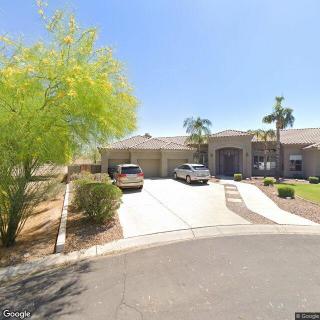
 Small, personalized setting with fully furnished rooms and comprehensive daily living support.





 Exploring the Contrasts Between Assisted Living and Skilled Nursing
 8 Key Indicators That Suggest It May Be Time to Transition from Assisted Living to Skilled Nursing Care
 Vibrant Senior Living: A Comprehensive Guide for Active Older Adults