
11648 East Shea Boulevard # 101, Scottsdale, AZ 85259
For more information about senior living options: (866) 208-4318
Overall Review of Avenir Memory Care at Scottsdale
Pros
 The reviewer praises Avenue for its kindness and assistance.
- Avenue is described as a wonderful company that truly cares about its employees and residents.
- Avenue is noted for quality construction with unique features, supported by wonderful sales and executive directors.
Cons
 Kristie Chadwick is truly one of the worst people I have ever encountered.
- She is incompetent and extremely manipulative.
- She lacks the formal education, experience and expertise that would be expected of someone in her position.
- She repeatedly displayed poor judgment in areas that seriously impacted the lives of my mother and other residents.
- There were almost no activities for the residents; they would eat and then spend most of the day in bed with minimal physical or mental stimulation.
- My mother lost her ability to walk during her time there.
- The casino outing for memory-impaired residents was inappropriate and mismanaged.
- Ms. Chadwick tried to blame everything on the residents or their families and blamed the incident on others rather than taking responsibility.
- Ms. Chadwick didn’t give a damn and still did nothing about it.
- The bottom line is I would seriously think twice before putting your loved one in Ms. Chadwick’s care.
- The staff were the most rude, bossy, condescending people I have ever met.
- They treated me like I was the stupidest person alive.
Review
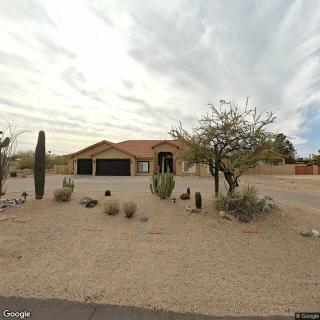
Avenir Memory Care at Scottsdale is best suited for families seeking a solid, well‑kept memory‑care campus and who are prepared to be highly involved in oversight. The property itself projects quality and purpose, and at times leadership appears to care about residents and staff. It can appeal to families who value a professional intake and a campus that presents a credible, stable front. Yet this is not a facility where minimal involvement will suffice; the decisive factor will be leadership credibility and ongoing governance of care. Those who cannot tolerate questions about the administrator’s background, training, or the consistency of programming should look at alternatives with clearer accountability and demonstrably safer care records.
On the upside, the environment offers tangible strengths. The campus is described as quality‑built with features designed to support memory care and safety, and reviewers note a perception that the company prioritizes people, residents and staff alike. There is also recognition that the sales and executive leadership can project competence at the interface with families, which creates a baseline level of trust during tours and early interactions. For families prioritizing a facility that feels organized and professional in its initial impression, these elements can deliver comfort and confidence, at least until the realities of daily care are tested beyond the lobby.
Reality checks emerge quickly through several pointed concerns. The most serious risk centers on management quality. One reviewer portrays regional leadership as incompetent and manipulative, alleging an administrator lacks relevant education and experience for memory care and makes questionable decisions that harm residents’ daily lives. Allegations include minimal activity programming, a focus on resource savings at resident expense, and troubling responses to a nighttime assault by a caregiver, including refusal to share surveillance evidence. If accurate, these claims signal a fundamental governance breakdown and safety deficit that directly contradict the core expectations of a memory‑care community. When leadership credibility is in doubt, the ability to deliver reliable, compassionate care erodes.
Further concerns center on everyday care culture. A separate account from a caregiver shift describes rude, condescending treatment by staff, fostering an uncomfortable workplace climate. In memory care, such dynamics translate quickly into disengagement and heightened risk for residents who rely on consistent daily interactions. Limited activity offerings compound the issue, and perceived managerial indifference magnifies the risk that residents’ cognitive and physical well‑being decline due to inattention. Even a well‑designed physical plant cannot compensate for a care culture that feels dismissive or chaotic, leaving families to question whether true engagement and safety can be sustained over time.
Which way the balance tilts depends on the ability to secure reliable leadership and robust programming. The favorable attributes, a clean, thoughtfully designed space and a perception of care‑minded leadership, do not reliably offset ongoing governance concerns and safety questions. Memory‑care residents require steady routines, vigilant supervision, and meaningful stimulation; when those elements are uncertain, the risk of decline or harm rises. In short, the positive attributes approve a setting for families who can insist on rigorous oversight, transparent reporting, and measurable improvements. For most families, however, the cons, unclear accountability, safety questions, and inconsistent programming, outweigh the positives and point toward exploring other Scottsdale options with stronger track records.
Practical steps for families considering this community are concrete. Demand a comprehensive, written care plan that outlines daily activities, therapy, and engagement goals, plus a transparent staffing framework with ratios and on‑duty roles. Request access to incident logs, safety protocols, and any internal review processes; insist on meeting the administrator, the clinical leadership, and several frontline caregivers to gauge responsiveness and warmth. Observe tours at different times to see how programming unfolds outside the sales moment, and verify references with other families in the area. Given the documented leadership and care concerns, alternatives with proven safety records and consistent engagement should be actively evaluated for memory‑care needs in Scottsdale, ensuring the chosen community can deliver reliable, compassionate care day after day.
 Assisted Living
 Memory Care
 Cable or satellite TV
 Fully furnished
 Garden
 Housekeeping services
 Move-in coordination
 Outdoor space
 Phoenix Sky Harbor International (15 miles away)
 24-hour supervision
 Activities of daily living assistance
 Assistance with bathing
 Assistance with dressing
 Assistance with transfers
 Diabetes diet
 Meal preparation and service
 Medication management
 Mental wellness program
 Special dietary restrictions





 Engaging Memory Care Activities That Enhance Quality of Life
 When to Transition from Assisted Living to Memory Care: Key Indicators, Steps, and Finding the Right Community
 Understanding the Distinctions: Assisted Living and Memory Care Explained