
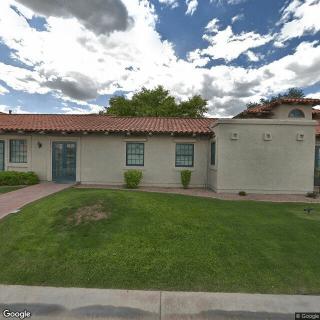
7208 East Solano Drive, Scottsdale, AZ 85250
For more information about senior living options: (866) 208-4318
All Seasons Adult Care Costs & Pricing
All Seasons Adult Care positions itself at a premium within the local market, offering a range of living accommodations tailored to meet diverse needs. The costs for private rooms range from $4,500 to $6,872 per month, significantly exceeding the averages for Maricopa County ($3,318) and the broader state of Arizona ($3,345). For those considering semi-private rooms, the monthly fee is set at $5,727, which is notably higher than the county average of $2,801 and the state average of $2,820. Additionally, studio apartments are priced at $7,445 per month - a substantial mark-up compared to Maricopa County's average of $3,960 and Arizona's overall average of $3,829. This pricing reflects All Seasons Adult Care's commitment to providing high-quality services and amenities in a supportive environment for its residents.
| Floor plans | All Seasons Adult Care | Maricopa County | Arizona |
|---|---|---|---|
| Private | $4,500 to $6,872 | $3,318 | $3,345 |
| Semi-Private | $5,727 | $2,801 | $2,820 |
| Studio | $7,445 | $3,960 | $3,829 |
Assisted Living communities with a similar price nearby
-
from +$500 / mo
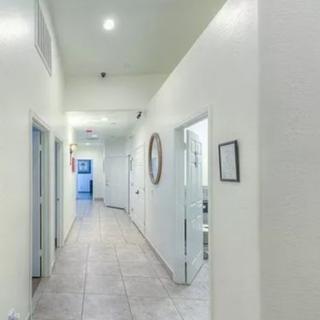
American Dream Home
$5,000 / month8.2 miles away -
from -$660 / mo

Elite Senior Living
$3,840 to $4,992 / month17.6 miles away -
from -$500 / mo
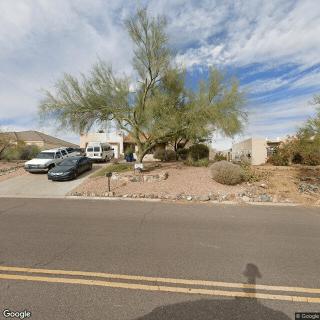
Sunrise Assisted Living Facility
$4,000 to $5,000 / month14.1 miles away -
from -$500 / mo
Desert Joy Assisted Living
$4,000 / month24.1 miles away -
from -$500 / mo
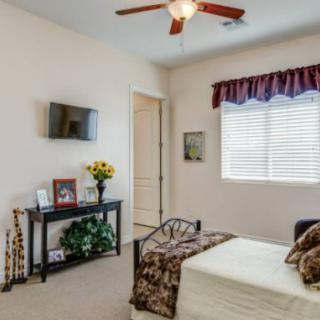
Quail Manor Assisted Living
$4,000 to $4,900 / month17.0 miles away
Overall Review of All Seasons Adult Care
Pros
 The resident is very pleased with the quality of care they have received.
- The food is described as superior and home-cooked.
- The facility smells pleasant and lacks strong cleaning odors.
- The resident loved to draw, which helped her cope with her disability.
- The caregivers were pleasant and the family could leave their loved one without worry.
- Melody promptly addressed concerns and resolved issues.
- The reviewers highly recommend the facility.
- The facility is described as the best adult care facility the reviewer has seen.
- Elders who had not spoken for years began calling their adult children again.
Cons
 The facility is not suitable for Alzheimer’s patients who are confused or require routine scheduling or medication assistance, as staff cannot spend the needed time.
 - The food is atrocious and nutrition content is poorly managed, with a consistent lack of protein.
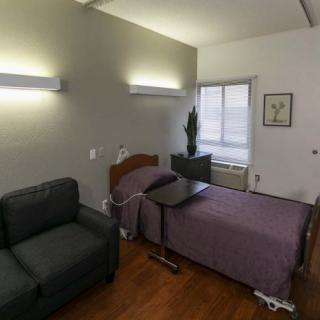
- The shared bedroom has a funky smell and is depressing.
- Residents are kept in a communal great room all day with minimal activities or interaction.
- The deposit and care fees are kept despite a resident staying only a few months.
- Staff are described as pleasant but difficult to understand due to thick accents, indicating communication barriers.
- Reviews warn to be cautious of ownership-written accounts that may misrepresent the true experience.
Review
All Seasons Adult Care in Scottsdale is best suited for seniors who are relatively independent or require only light to moderate assistance, and for paralyzed non-demand, bedridden clients who still do not have complex cognitive needs. The setting tends to work best when a resident can maintain routine without intensive daily medical oversight, and when a home-like atmosphere, pleasant caregivers, and predictable meals are the priority. It is not designed to be a memory-care or high-acuity environment. Families seeking robust supervision, specialized dementia programs, or frequent med administration for someone with significant confusion should look elsewhere.
Careful readers will note a clear split between the strongest positives and the most consequential cautions. On the plus side, several families describe meaningful improvements in comfort and quality of life, bed sores resolved, home-cooked meals that smell inviting, and caregivers who can be consistently relied upon while families are away. The environment is frequently described as welcoming and homelike, with fewer “institutional” smells and a quieter, more residential feel. For residents who fit the lighter-care profile, these elements translate into tangible daily relief and personal reassurance.
Yet the negative threads are hard to ignore for decision-makers weighing risk against reward. A recurring concern centers on consistency and transparency: deposits and care fees reported as kept despite relatively short stays, and accounts that imply uneven attention to medication management or escalation to hospital-level care that might have been preventable with steadier routine and oversight. Several reviews warn against enrolling someone who requires memory support, complex schedules, or reliable, proactive nursing intervention. In addition, concerns about dining quality, nutritional balance, and limited, sometimes under-stimulating activity options temper the otherwise positive impressions.
These contrasts matter most for families facing memory challenges, aggressive medical needs, or high staffing expectations. For a resident with chronic or unpredictable medication requirements, or for a person who benefits from structured BR routines or enhanced cognitive engagement, alternatives with stronger medical oversight and dedicated memory-care programming will likely deliver more predictable outcomes. The facility’s strengths, careful attention to comfort, a home-like ambiance, and attentive, pleasant staff, may fall short when the need is for consistent, proactive clinical management and robust activity planning across the day.
For families evaluating a move, the practical takeaway is to visit with a focused checklist. Assess the actual living spaces and odors in person, observe dining service and protein variety, and request a frank, written rundown of how medications are administered and what happens when a health issue arises. Talk to current residents and family members about responsiveness to concerns, including how conflicts or complaints are handled. Inquire about staffing ratios during day and night shifts, and ask for recent examples of care plans that address mobility, daily routines, and social engagement. Seek clarity on fees, deposits, and contract terms before making a commitment.
In the end, All Seasons Adult Care stands out for those who prize a warm, homey environment and dependable daily care for relatively independent or low-acute residents. It is not the natural fit for memory care, heavy medical supervision, or families needing ironclad transparency about billing and clinical oversight. The right match hinges on the degree of independence a resident retains, the predictability of medical needs, and a family’s comfort with the facility’s ability to deliver consistent med administration and engaged activity within a welcoming but quieter setting. When those criteria align, this community can offer meaningful improvements in daily living and peace of mind for relatives.
 5 resident community capacity
 Assisted Living
 Board and Care Home
 Activities off-site
 Bath tubs
 Beautician on-site
 Cable or satellite TV
 Devotional services off-site
 Dining room
 Fully furnished
 Garden
 Housekeeping services
 Indoor common areas
 Move-in coordination
 Outdoor common areas
 Private
 Private bathrooms
 Respite or short term stays offered
 Telephone
 Wheelchair accessible showers
 Wi-Fi/high-speed internet available
 Phoenix Sky Harbor International (8 miles away)
 24-hour supervision
 Assistance with bathing
 Assistance with dressing
 Assistance with transfers
 Diabetes diet
 Diabetic care
 High acuity care
 Meal preparation and service
 Medication management
 Special dietary restrictions
 Transportation arrangement (medical)
 Transportation to doctors appointments
 Christian services



 Exploring the Contrasts Between Assisted Living and Skilled Nursing
 8 Key Indicators That Suggest It May Be Time to Transition from Assisted Living to Skilled Nursing Care
 Vibrant Senior Living: A Comprehensive Guide for Active Older Adults