

8628 N 7th Ave, Phoenix, AZ 85021
To contact a resident: (602) 678-2281
For more information about senior living options: (866) 208-4318
Orchid Care Park Home Costs & Pricing
Orchid Care Park Home offers competitive pricing for its residents, providing a welcoming environment at a cost-effective rate. For semi-private rooms, the monthly fee is set at $2,500, which is notably lower than the Maricopa County average of $2,801 and the state average of $2,820. On the other hand, private rooms are available for $3,000 per month, also presenting significant savings compared to Maricopa County's average of $3,318 and Arizona's state average of $3,345. These rates reflect Orchid Care Park Home's commitment to delivering high-quality care while maintaining affordability in an increasingly challenging market for senior living options.
| Floor plans | Orchid Care Park Home | Maricopa County | Arizona |
|---|---|---|---|
| Semi-Private | $2,500 | $2,801 | $2,820 |
| Private | $3,000 | $3,318 | $3,345 |
Senior living communities with a similar price nearby
-
from +$300 / mo
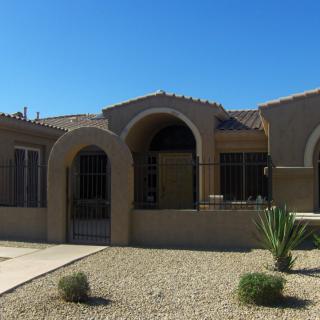
Pinnacle Peak Assisted Living
$2,800 to $3,100 / month13.6 miles away -
from +$125 / mo

The Eldercare Home Of Tempe
$2,625 to $3,412 / month16.5 miles away -
from +$450 / mo
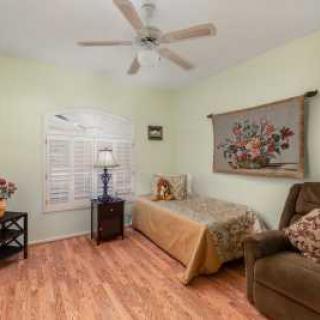
Endeavor AL I
$2,950 to $4,200 / month8.6 miles away -
from +$400 / mo
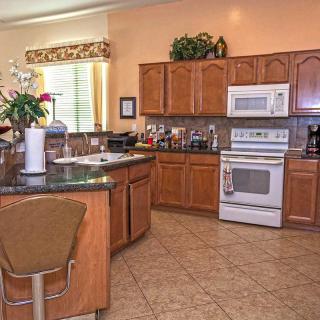
Royal Paradise Care
$2,900 to $3,800 / month16.0 miles away -
from -$100 / mo
Golden Touch One Adult Care Home
$2,400 to $5,800 / month20.8 miles away
Overall Review of Orchid Care Park Home
Pros
 It is described as the best private nursing home.
- It provides great care for everyone, and the staff are very sweet and caring.
- The staff are very welcoming and friendly to residents.
- Orchid Park care home is highly recommended for keeping loved ones safe.
- The owner is understanding and cooperative, and so is the staff.
- The community is recommended by families for its care and value.
- The sister is doing very well in this community, with nice staff and engaging activities.
Cons
 They warned others not to let any loved one reside there.
- They found their brother unbathed with food stains and urine stains, and without a walker.
- They observed no bottled water and found empty alcohol and drug pipes.
- They heard horror stories from many residents.
- His room was trashed and lacked a walker; they had to supply one.
- He could barely walk and was told he had fallen, with no caregiver helping.
- There were only excuses for not being cared for.
- They felt ripped off at $2,400 a month and believe their brother died shortly after arrival.
- The room was like a big closet.
- There was a urine bottle on the ground.
- They suspected Medicaid/Medicare fraud.
- The head person refused to pass on owners' and attorneys' information after a request.
Review
Orchid Care Park Home in Phoenix is best suited for families seeking a small, home-like environment where daily companionship and direct, hands-on care can be delivered with high personal attention. It is a place that can function well for residents with relatively lower medical needs who rely on frequent caregiver contact, routine, and a warm, familiar staff presence. When the goal is consistently high-level medical oversight, memory-care specialization, or highly regulated operations, this community tends to fall short in ways that make alternatives worth exploring.
Owners and operators come into sharp relief in decisions about suitability. Families with residents who require robust clinical management, persistent medical monitoring, or clear, accountable governance should consider alternatives with proven licensing, transparent ownership, and escalated incident reporting. Review patterns here include strong praise from a subset of families about kindness and communication, but also repeated, grave concerns about neglect, safety lapses, and unresponsiveness from leadership. For those prioritizing risk reduction and verifiable quality assurance, other options may offer clearer pathways to peace of mind.
On the plus side, when care teams are present and engaged, the benefit of a small, intimate setting shines through. Several reviewers highlight compassionate staff, welcoming personnel, and genuine effort from leadership to accommodate families. In at least one case, a caregiver was described as an effective communicator who kept family members updated and listened closely, a quality that can transform daily life for a resident with dementia or escalating needs. The sense that meals are varied and that activities exist in a smaller community can translate into meaningful daily structure and a sense of belonging for residents who respond to personal interaction and consistent staff attention.
The most troubling themes, however, cast a long shadow over the overall experience. Multiple accounts describe severe lapses in basic care: unbathed residents, food or urine-related odors, and a room described as cramped or inadequate. There are accusations of unsafe conditions, lack of equipment like walkers, delays in medication or nausea management, and questions about hospice care coordination and billing. Management and administration are repeatedly singled out as unresponsive or opaque, with reports of missing owner contact information and delayed or absent communication during crises. These patterns raise red flags about safety, accountability, and the consistency necessary to sustain trust over time.
Practically, prospective families should approach a decision with a rigorous checklist before committing. Verify the facility’s current licensing status and inspection history, and review any open or closed enforcement actions. Schedule tours at different times and days to observe staffing levels, responsiveness, and cleanliness; request to meet direct care staff, the administrator, and the owner or manager. Ask for the current care plan, emergency procedures, and specifics around hospice or palliative care, if applicable. Request a transparent, written agreement that itemizes rates, services, and any potential add-ons, and insist on a trial stay or clearly defined settling-in period to assess fit. Above all, insist on direct conversations with frontline caregivers and current residents.
In the end, Orchid Care Park Home may work for families who can tolerate a degree of ambiguity in oversight and who highly value a small, personable setting with accessible staff. For others, especially those with significant medical or behavioral needs, or those requiring rigorous governance and consistent, evidence-based care, alternatives should be on the short list. The prudent choice is to pursue facilities with strong licensing records, proven safety histories, and transparent ownership, paired with hands-on visits that confirm daily life aligns with established care expectations. If this community is pursued, couple it with vigilant oversight, clear performance expectations, and an explicit plan for escalation should concerns arise.
 Board and Care Home
 Private
 Phoenix Sky Harbor International (10 miles away)
 Ambulatory care
 Diabetic care
 Incontinence care



 Exploring Nonmedical Home Care: Understanding Services, Costs, and Financial Approaches
 Engaging Brain Games and Innovative Apps to Keep Senior Minds Active
 Effective Strategies for Keeping Seniors' Minds Active: A Deep Dive into Brain Games and Apps