10601 S 42nd St, Phoenix, AZ 85044
To contact a resident: (480) 249-6143
For more information about senior living options: (866) 208-4318
Latin's Home Assisted Living Costs & Pricing
Latin's Home Assisted Living offers competitive pricing for its residents, with monthly costs that are notably lower than both the county and state averages. For a semi-private room, residents pay $2,000, which is significantly less than the Maricopa County average of $2,801 and the Arizona state average of $2,820. Similarly, for private rooms, Latin's rate of $3,000 stands in contrast to the county's average of $3,318 and the state's average of $3,345. This pricing structure makes Latin's Home an appealing choice for those seeking quality assisted living care without compromising their financial well-being.
| Floor plans | Latin's Home Assisted Living | Maricopa County | Arizona |
|---|---|---|---|
| Semi-Private | $2,000 | $2,801 | $2,820 |
| Private | $3,000 | $3,318 | $3,345 |
Assisted Living communities with a similar price nearby
-
About the same
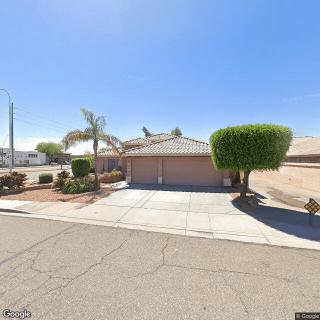
Angel's Adult Group Home
$2,000 to $3,000 / month3.1 miles away -
About the same
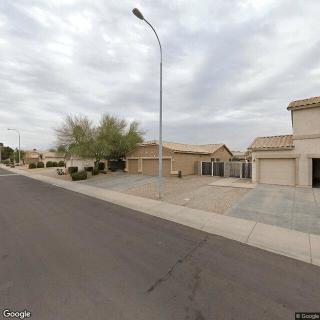
Divine Mercy Assisted Living Home
$2,005 to $3,110 / month12.6 miles away -
from +$255 / mo

Windsor Luxury Assisted Living, LLC
$2,255 to $5,950 / month12.2 miles away -
from +$225 / mo
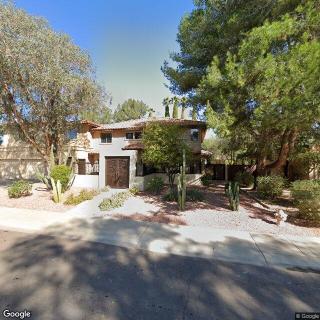
Harts Home - Exceptional Elder Care
$2,225 to $5,500 / month16.6 miles away -
from -$200 / mo
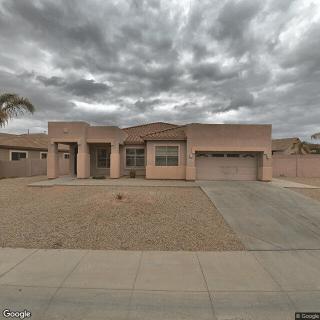
Divine Grace Assisted Living Home
$1,800 to $2,500 / month22.5 miles away
Overall Review of Latin's Home Assisted Living
Pros
 Latin Home is a good, peaceful home.
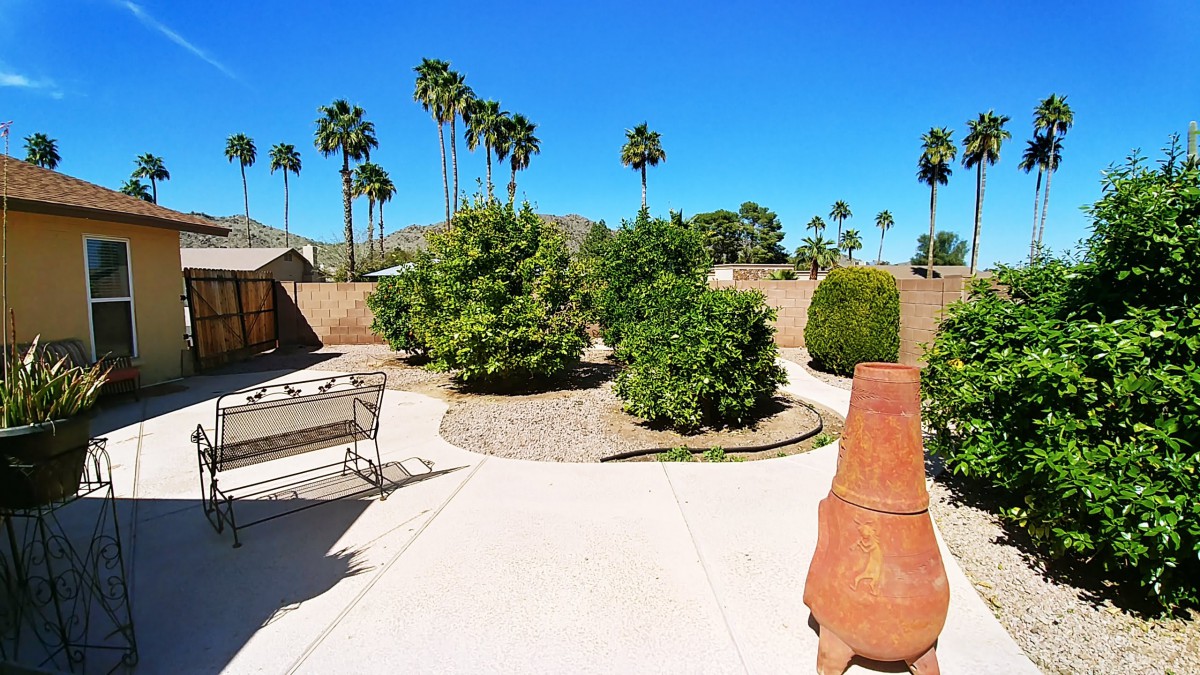
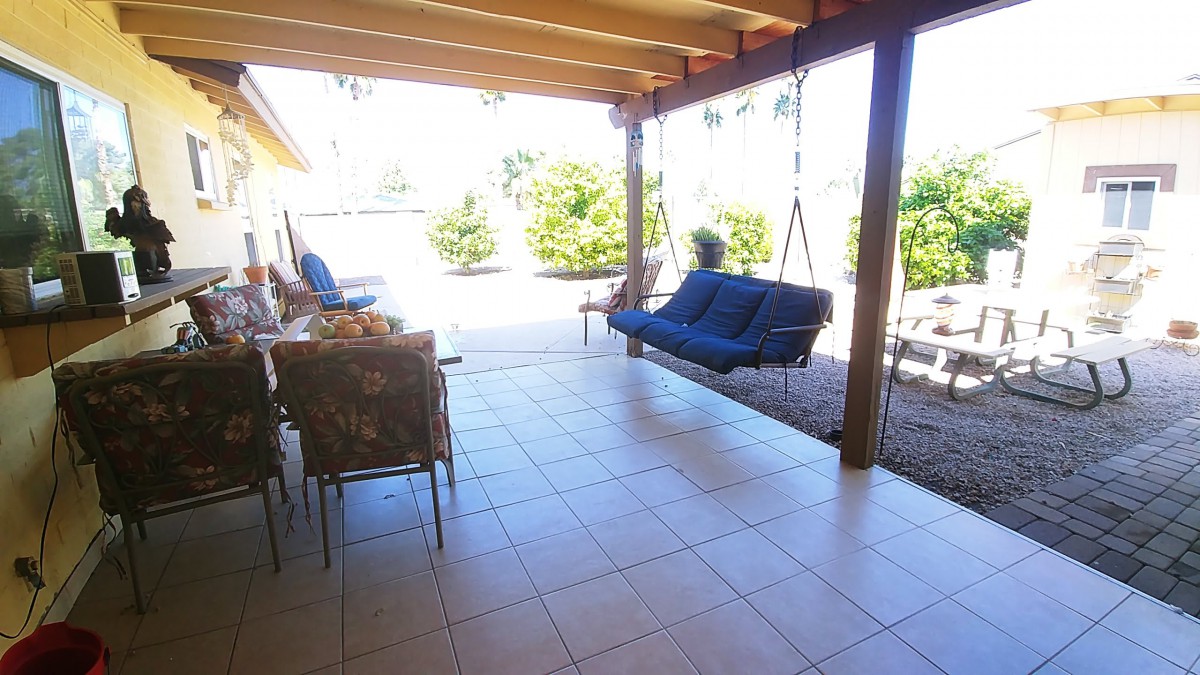
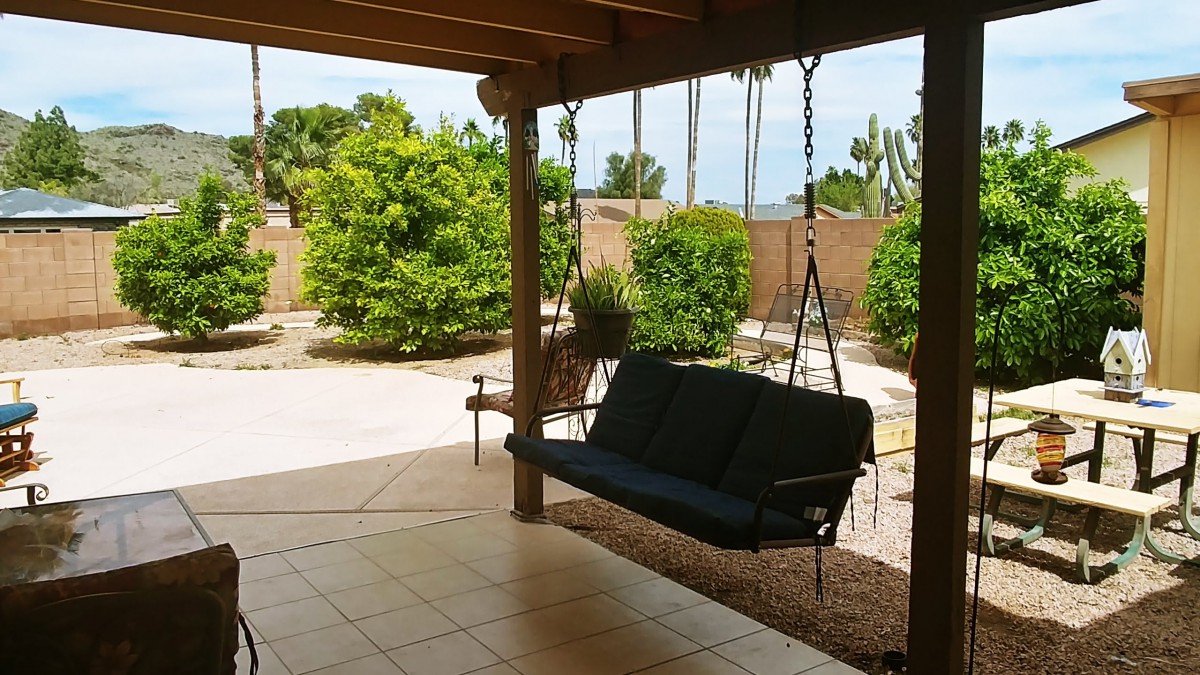
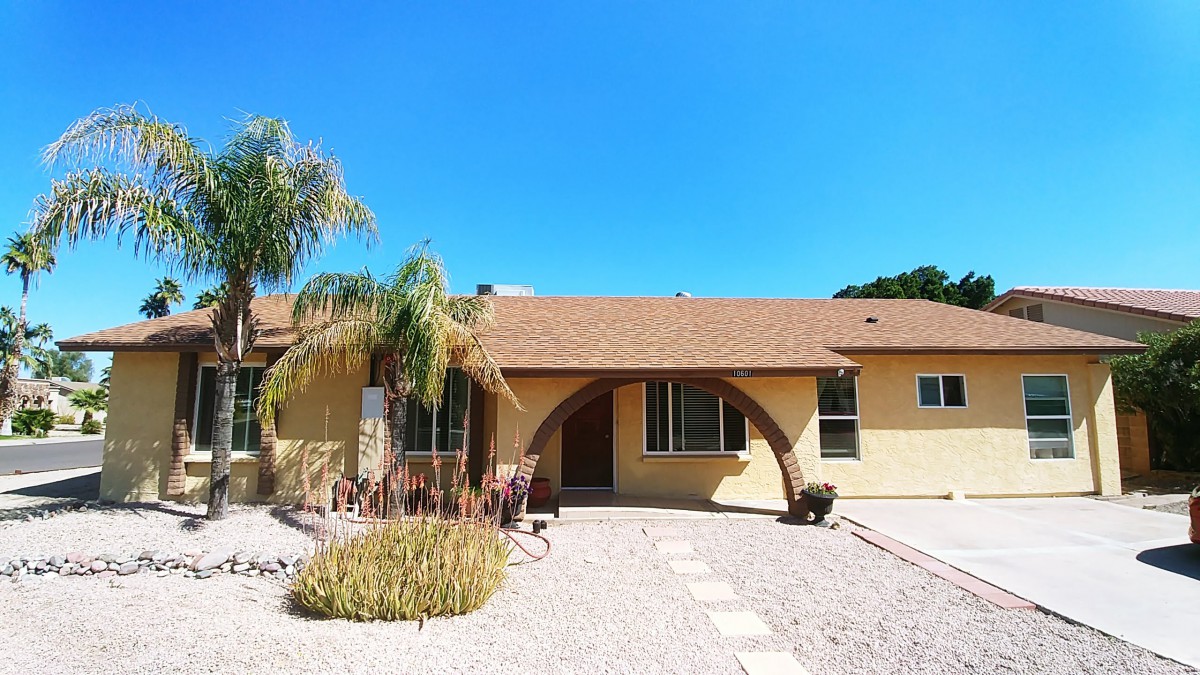
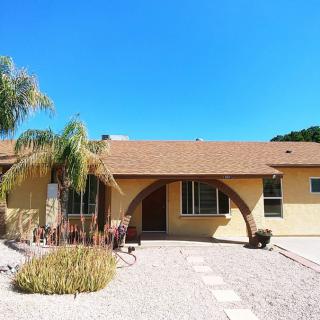
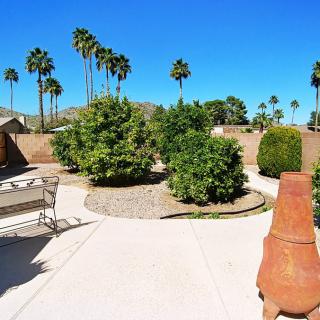
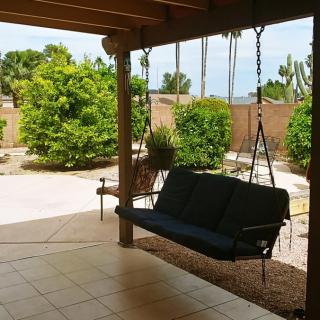
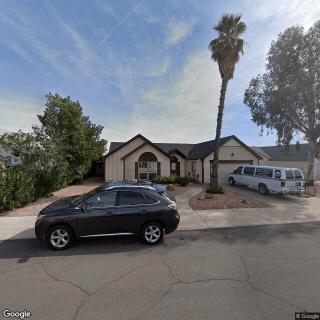
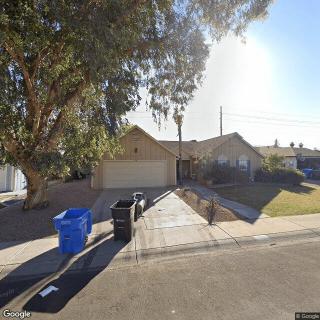
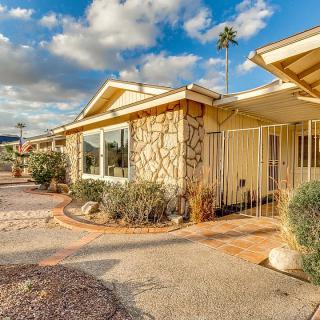
- The grounds are five stars.
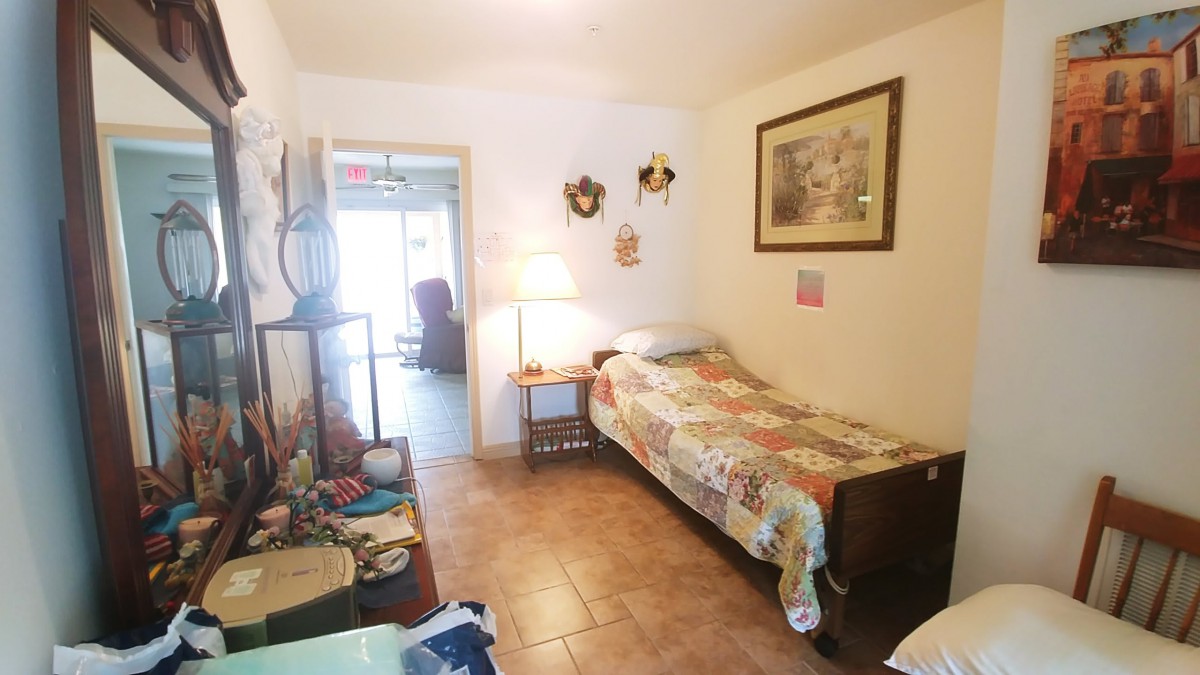
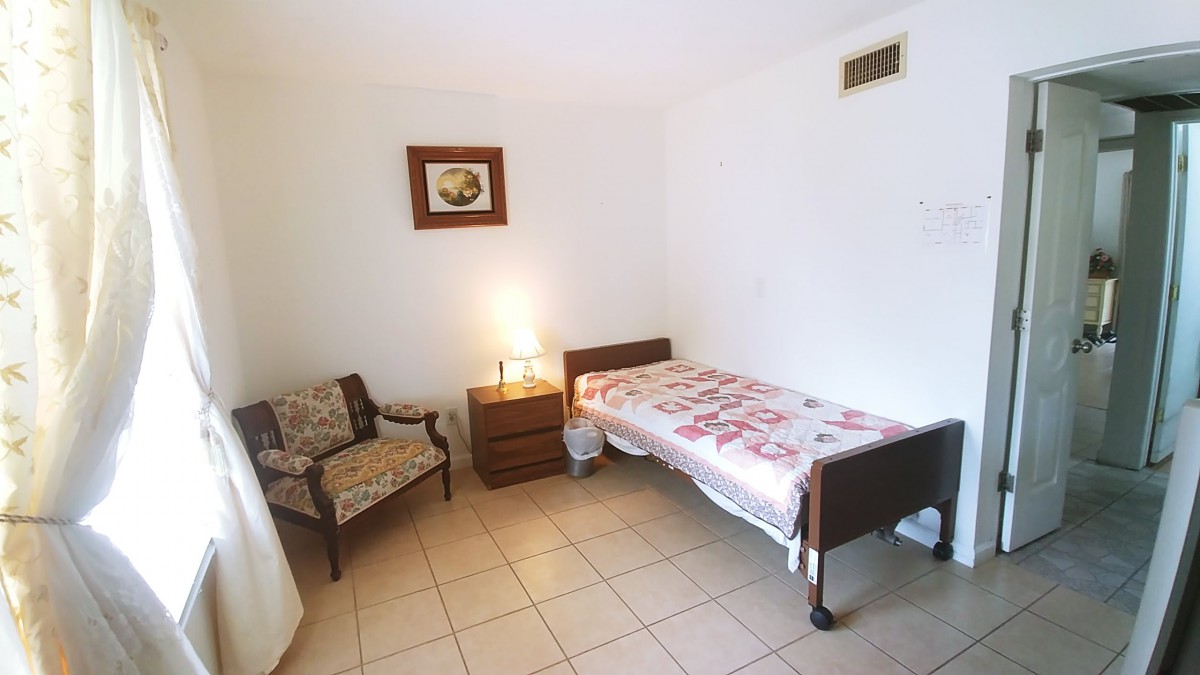
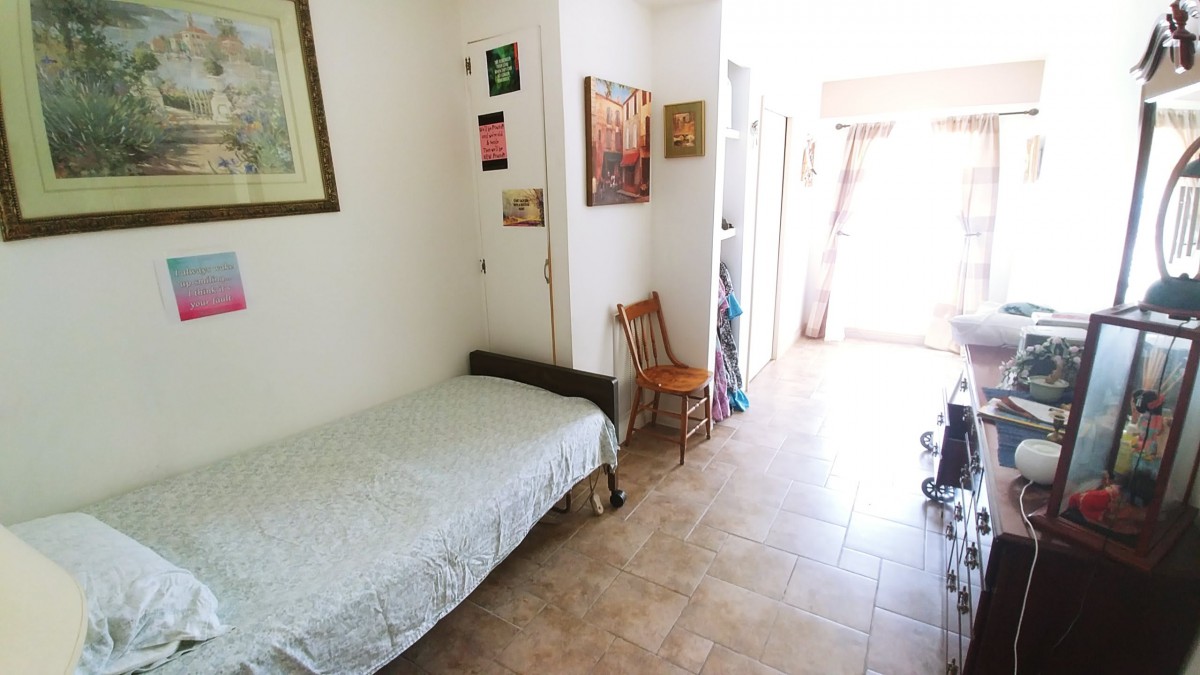
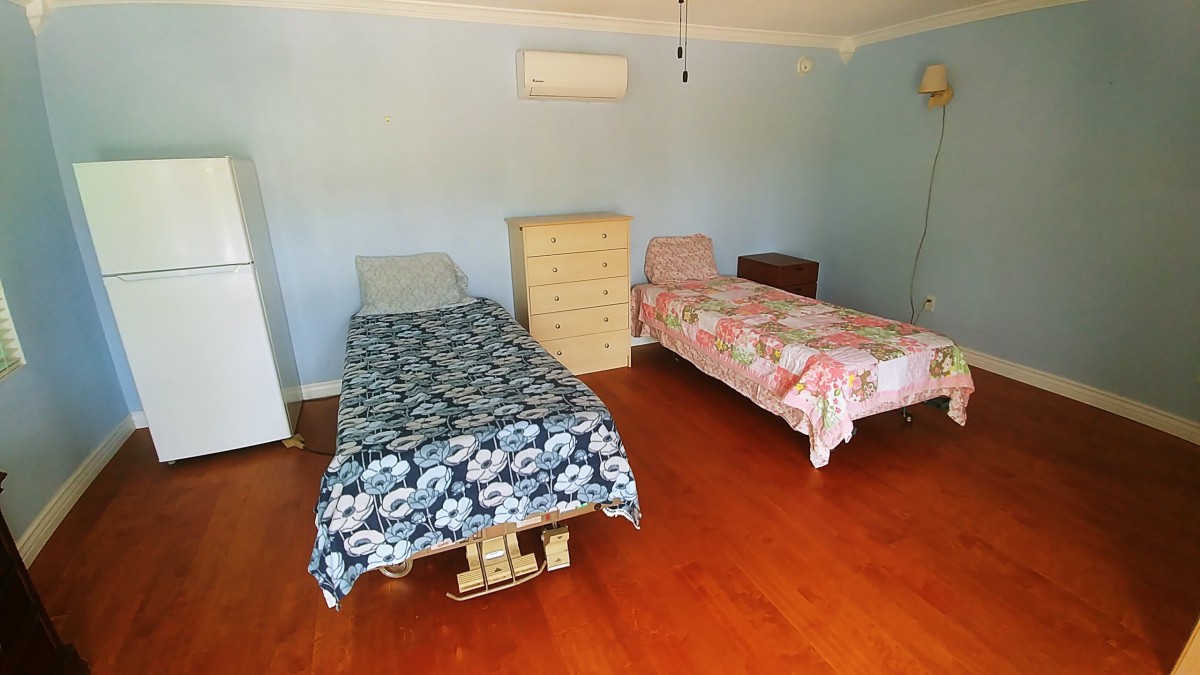
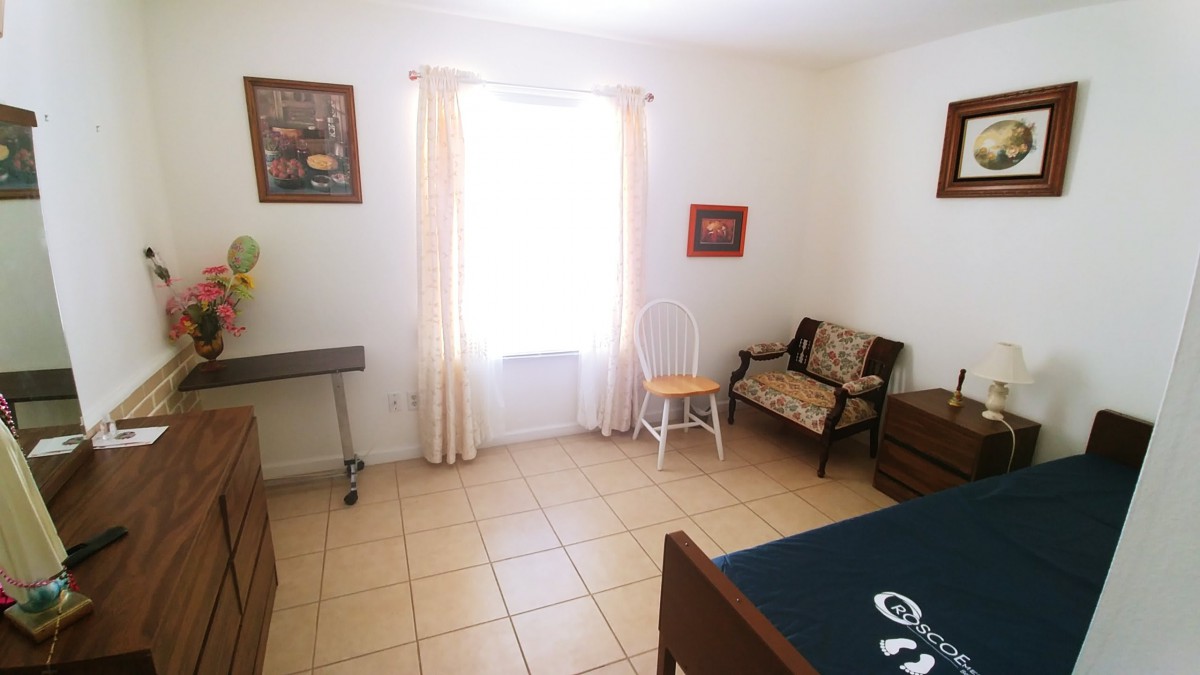
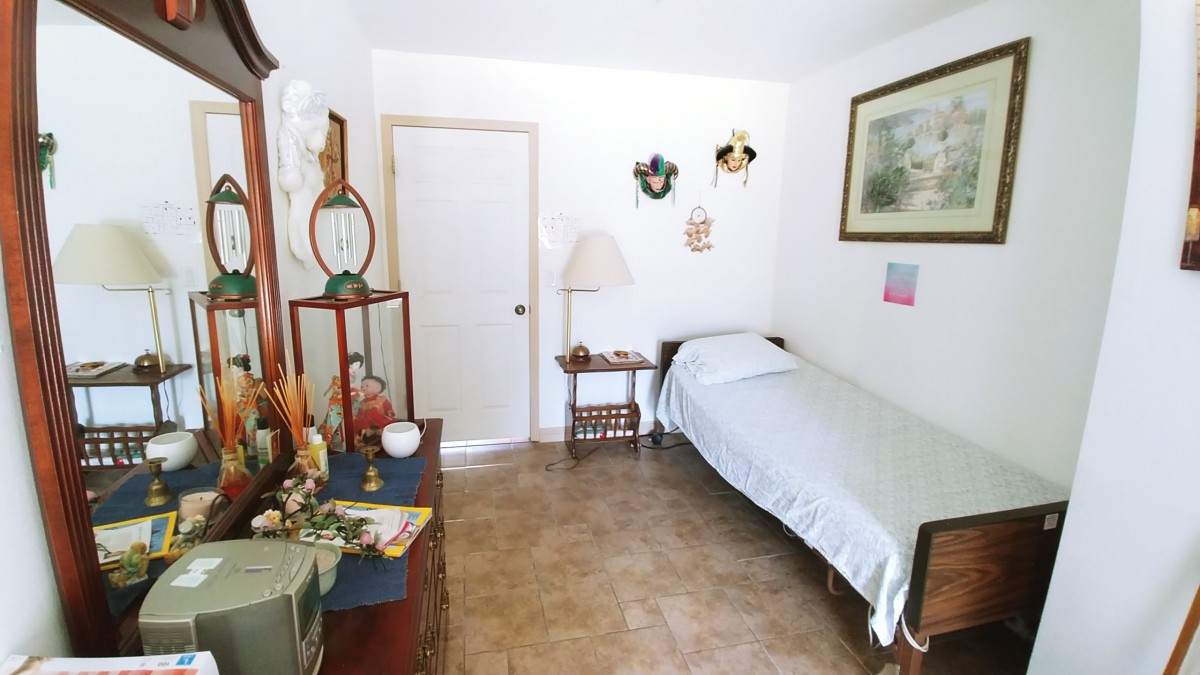
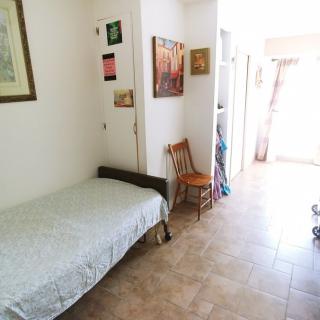
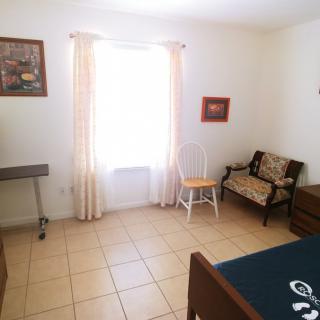
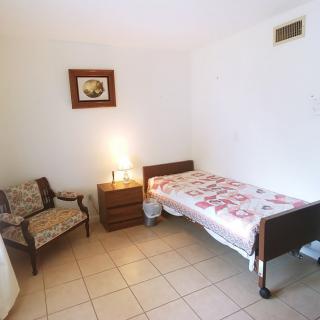
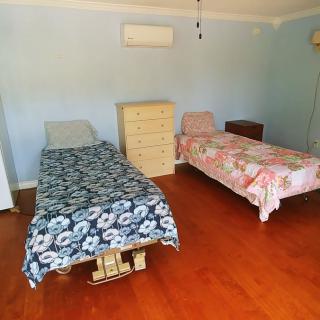
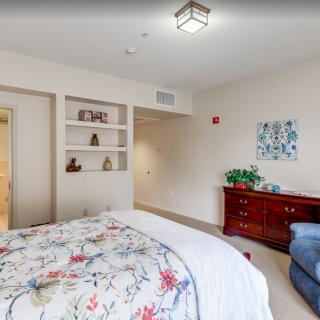
- The residents' rooms are spacious.
- The owners are caring caregivers who have the heart to care for seniors.
Cons
 The reviewer would not recommend Latin Home to everyone.
- The reviewer noted the home was licensed for only four residents and could not handle a busy patient.
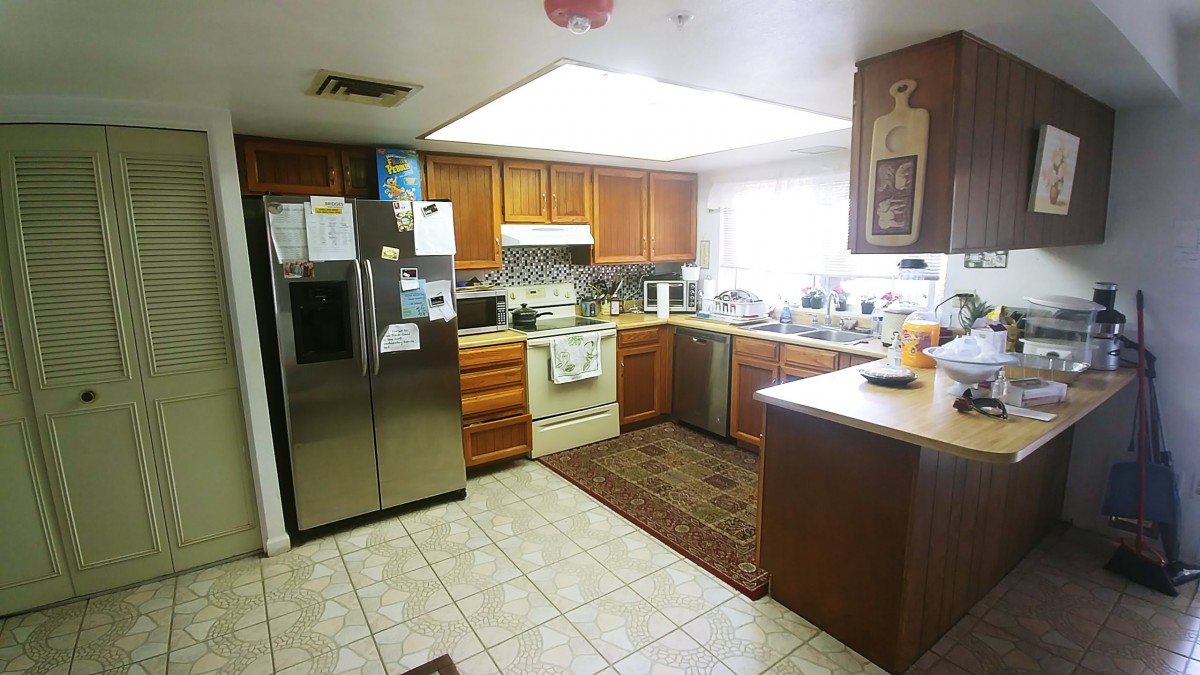
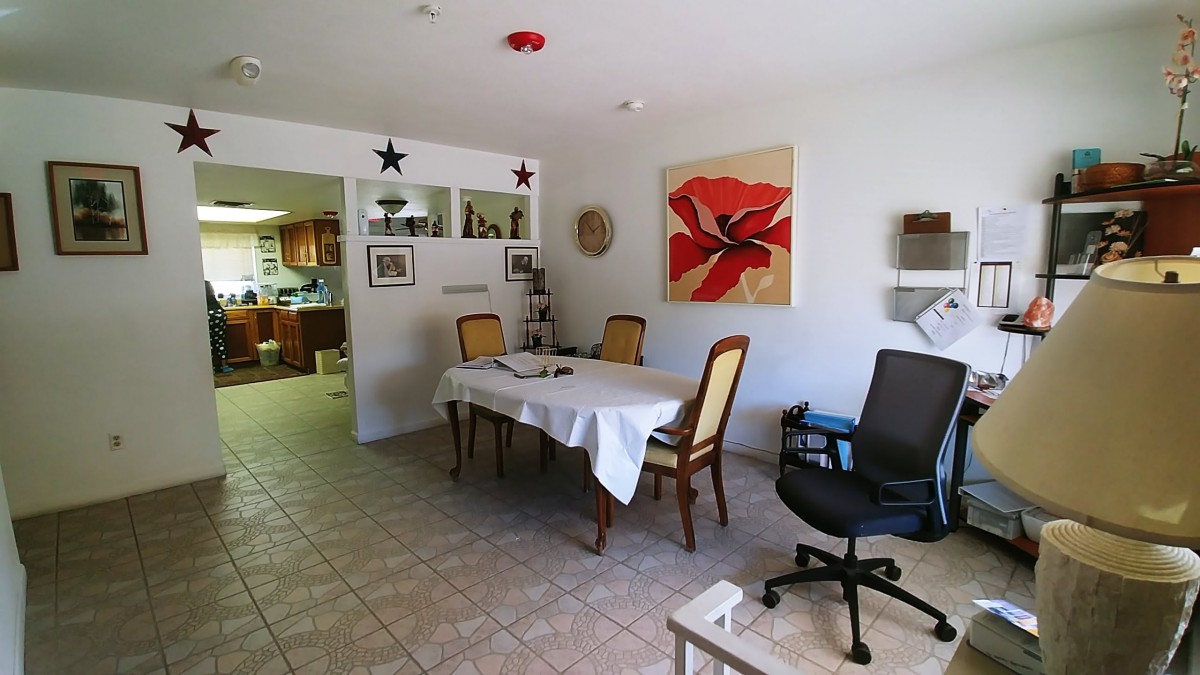
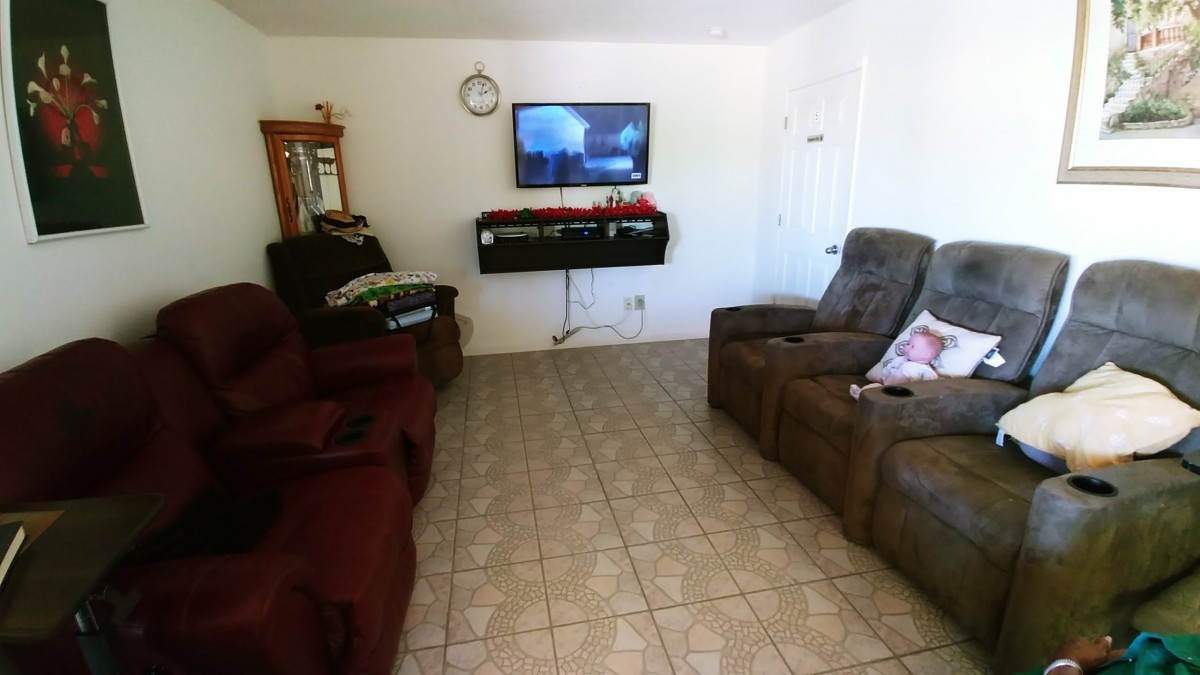
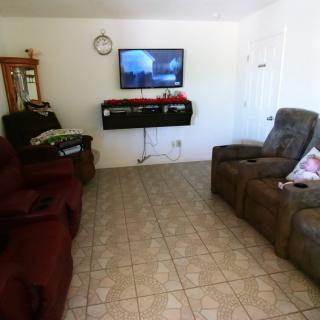
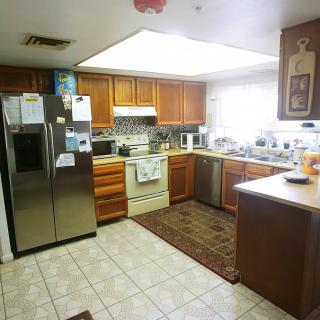
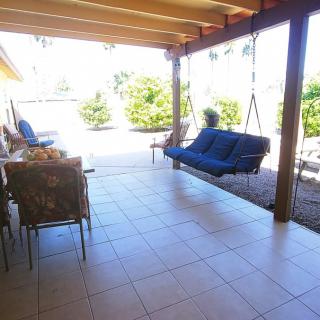
- The reviewer indicated the common areas were rated low because the home was personalized for the owners, not for the residents.
- The reviewer described the residents' rooms as spacious but dark.
- The reviewer rated the staff and the quality of care as only average.
Review
Latin’s Home Assisted Living in Phoenix is best suited for seniors who are largely ambulatory but need help with activities of daily living and have mild memory challenges. The environment functions as a small, peaceful, home-like setting rather than a large, institutional campus. It works well for families seeking a cozy, personally attended atmosphere where care comes from the people living in the home, not from a large, impersonal staff. In short, residents who can navigate a simple routine, tolerate a quieter schedule, and value intimate, caregiver-led attention will likely feel comfortable here.
That said, the same small scale that creates warmth also creates risk for those with greater needs. The facility has demonstrated capacity constraints, historically licensed for just four residents, which becomes a critical limitation as memory issues worsen or behavioral challenges arise. One account from years past described a resident with behaviors who overwhelmed the home’s ability to manage daily demands, highlighting that the owner/caregiver could struggle when days become busy. Families facing moderate-to-severe dementia, high supervision requirements, or the need for structured, robust monitoring should consider alternatives with larger staffing pools and formalized memory-care programming.
On balance, the pros here carry meaningful weight for the right resident. The grounds are frequently praised as a standout feature, well-kept and welcoming, while the resident rooms are described as spacious, contributing to a sense of homey comfort. The core advantage is the heartfelt, hands-on care provided by owners who have chosen caregiving as a vocation. That level of dedication can translate into attentive daily routines, personal touches, and a calm, predictable environment that reduces agitation for some elders. However, the overall care environment is capped by mid-range staffing and a common areas experience that doesn’t consistently feel purpose-built for ongoing resident engagement, which can limit opportunities for social interaction and structured activities.
A primary risk remains the home’s tendency to be highly personalized to the owners rather than to residents. This dynamic can translate into living patterns, routines, and amenities that do not fully align with individual preferences or evolving caregiver expectations. Rooms may be comfortable and spacious but can appear dark, and common spaces, while adequate, don’t always convey a bustling, activity-rich atmosphere. For families budget-conscious about care quality, this combination can create a mismatch between what a resident needs in terms of daily stimulation, safety features, and social contact, and what the setting consistently delivers.
For families pursuing this option, concrete steps will help ensure decisions align with a resident’s needs. Schedule a thorough, multi-mealtime visit to observe how staff interact with residents, how care plans are communicated, and how daily routines are structured. Ask to review the current licensing status, any recent inspections, and the facility’s plan if memory or behavioral issues intensify. Request a direct discussion with the owner about caregiving philosophy, staffing levels, and backup coverage, and inquire whether a trial stay or a short-term placement is possible to test fit. Clarify safety measures, medication management practices, and how activities are organized, as well as potential expansions of capacity if the resident’s needs increase.
Ultimately, Latin’s Home Assisted Living offers a compelling fit for a narrowly defined group: seniors who are largely independent in daily tasks but require gentle assistance and mild memory supports, and who prize a quiet, homey ambiance with devoted, personal caregiving. It is not well suited for those needing extensive supervision, complex memory care, or robust programming delivered at scale. Families should weigh the warmth and sincerity of the caregiving approach against the realities of limited capacity and resident-centered design. If these latter factors are non-negotiable, greener pastures in larger assisted-living communities or dedicated memory-care settings will typically deliver greater safety, activity options, and predictable staffing support. The right choice will hinge on matching the resident’s current needs and future trajectory with a setting that can sustain both the daily rhythms and the evolving care requirements.
 5 resident community capacity
 Assisted Living
 Board and Care Home
 Respite Care
 Cats allowed
 Dogs allowed
 Activities off-site
 Air-conditioning
 Beautician on-site
 Cable or satellite TV
 Devotional services off-site
 Dining room
 Financial aid
 Fully furnished
 Garden
 Housekeeping services
 Indoor common areas
 Move-in coordination
 Outdoor common areas
 Private
 Telephone
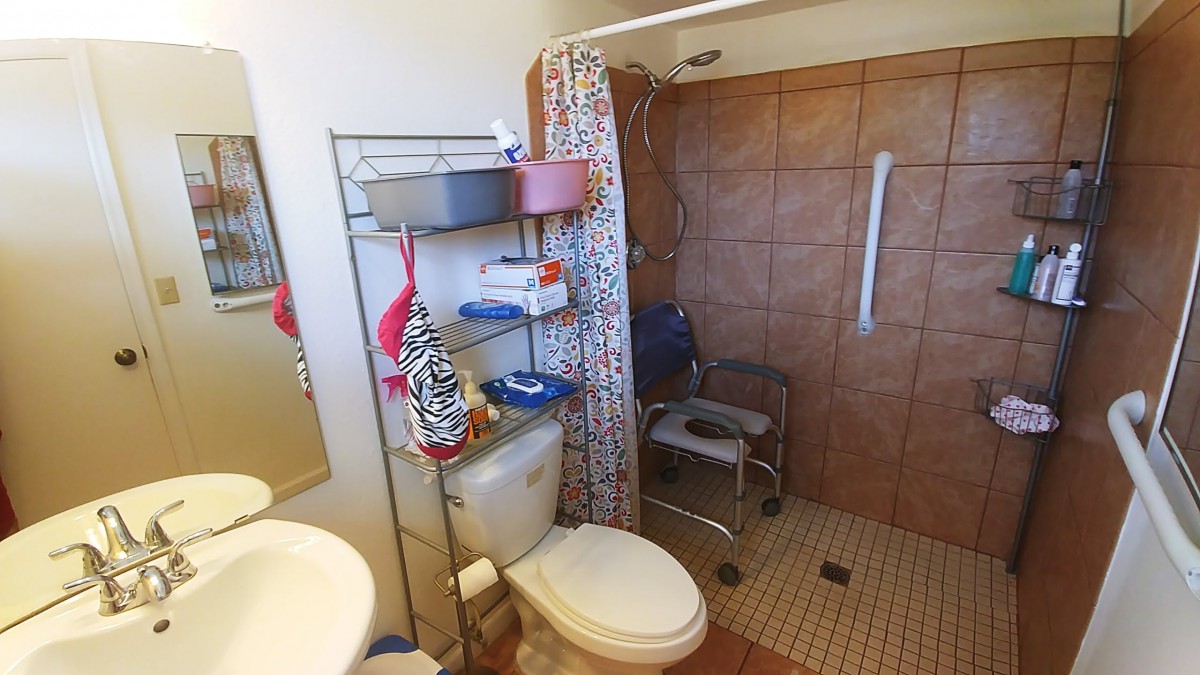
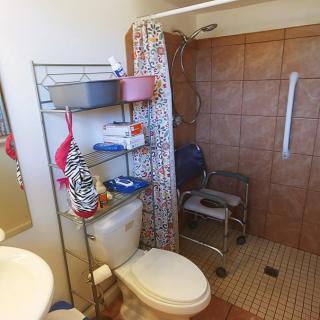
 Wheelchair accessible showers
 Wi-Fi/high-speed internet available
 Phoenix Sky Harbor International (6 miles away)
 24-hour supervision
 Ambulatory care
 Assistance with bathing
 Assistance with dressing
 Assistance with transfers
 Diabetes diet
 Diabetic care
 High acuity care
 Incontinence care
 Meal preparation and service
 Medication management
 Special dietary restrictions
 Transportation arrangement (medical)
 Transportation to doctors appointments
 Visiting Rabbi
 Visiting chaplain or priest
 English


 Choosing the Right Senior Care: A Detailed Exploration of Assisted Living and Nursing Homes
 Understanding the True Cost of Assisted Living in 2025: A Comprehensive Guide
 Understanding Medicaid Coverage for Assisted Living: A Comprehensive Guide