Ahwatukee Retirement Village is a senior community in Phoenix, AZ.
Information last verified:
5001 East Cheyenne Drive, Phoenix, AZ 85044
For more information about senior living options: (866) 208-4318
4.5 from 105 reviews
5 stars
75
4 stars
18
3 stars
4
2 stars
4
1 stars
4
Overall Review of Ahwatukee Retirement Village
differentiator29 reviews mention this
Activities and events are everywhere
Residents highlight a nonstop mix of activities and events at the community.
Reviews repeatedly describe a wide variety of things to do, from regular gatherings to classes, games, and entertainment nights. Residents also mention specific event types like band performances and monthly dances, along with amenities that support day-to-day recreation. Even when some visitors were there briefly for meetings or to inquire, they still came away noticing the breadth of programming and use of the facilities.
common18 reviews mention this
Pools, fitness, and courts get praise
The community’s recreation setup—pools and fitness spaces—shows up often in reviews.
Several residents describe indoor and outdoor pool space, along with heated water features and water exercise offerings. Others mention gym workouts and equipment, plus sports like pickleball. Across reviews, the recreation facilities are treated as a core reason people spend time there and return for activities.
common6 reviews mention this
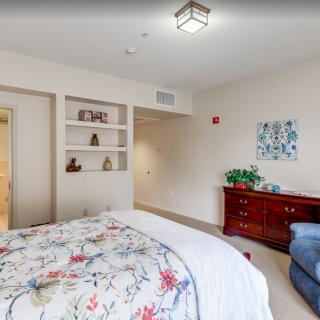
Clean facilities and good upkeep
Residents frequently comment on how clean and well-kept the facilities feel.
Many reviews praise cleanliness and general appearance, including comments about a tidy building and a well-maintained look. Others specifically call out a clean gym setup and good landscaping. There are also a couple of negative remarks tied to cleaning concerns, including dust, but the overall pattern is that upkeep is noticed and discussed.
caveat5 reviews mention this
Fees and restrictions draw criticism
Some residents say membership costs and amenity limits can be hard to justify.
A recurring concern is affordability, with one reviewer saying membership has become unaffordable. Others describe restrictive rules around using amenities and note they are less likely to renew as a result. A separate set of comments focuses on how fees work, including HOA-related charges and complaints about handling of fee requests during unused months.
How we summarize
Counts show how many written reviews mention each theme; a review can touch several themes, and only frequently mentioned themes are displayed.
Features
Housing
6 resident community capacity
Types of Care
Active Adult Communities (55+)
Amenities
Housekeeping services
Telephone
Wi-Fi/high-speed internet available
Transportation
Phoenix Sky Harbor International (6 miles away)
Care Services
Assistance with dressing
Meal preparation and service
Medication management
Dining
Diabetes diet
Special dietary restrictions
Nearby Places of Interest
Pharmacies
Walgreens (0.3 miles)
Express Scripts (1.4 miles)
CVS Pharmacy (1.8 miles)
CVS Pharmacy (2.5 miles)
Walgreens (2.7 miles)
CVS Pharmacy (2.8 miles)
Walgreens (2.9 miles)
Restaurants
Whataburger (0.7 miles)
Andy's Frozen Custard (1 miles)
Olive Garden (1.3 miles)
Chick-Fil-A (1.8 miles)
In-N-Out Burger (1.8 miles)
In-N-Out Burger (2.3 miles)
Gallagher's (3.1 miles)
Cafes
Starbucks (0.9 miles)
Black Rock Coffee Bar (1.8 miles)
Starbucks (3.1 miles)
Starbucks (3.4 miles)
Starbucks (3.9 miles)
Dutch Bros Coffee (4 miles)
Starbucks (5.4 miles)
Physicians
Centre For Contemporary Dental Concepts (2 miles)
English Dermatology Ahwatukee (2.5 miles)
Step By Step Pediatrics (3.4 miles)
East Valley Family Medical (3.5 miles)
TLC Pediatrics (3.6 miles)
HonorHealth Medical Group - South Tempe - Primary Care (3.8 miles)
20/20 Image Eye Centers (4.1 miles)
Theaters
Arizona Mills 18 w/ IMAX (2.9 miles)
Alamo Drafthouse Tempe (3.9 miles)
Chandler Fashion 20 (5.5 miles)
Places of Worship
Temple Emanuel (3.4 miles)
Esperanza Lutheran Church (3.9 miles)
Church of Jesus Christ of Latter Day Saints (4.1 miles)
Medicare provides limited coverage for skilled nursing home care, covering full benefits for the first 20 days and partial benefits up to 100 days under certain conditions, after which families must explore alternative funding options like Medicaid or long-term care insurance to manage potentially high costs. Proactive planning is essential to navigate the complexities of financing ongoing care once Medicare coverage ends.
Geriatric care managers create personalized care plans for older adults, addressing their medical, social, financial, and psychological needs while coordinating services and advocating for their well-being. They help families navigate caregiving challenges but may be hindered by high costs and a shortage of qualified professionals.
The article highlights the importance of empathy and open communication when comforting someone who is grieving, noting that grief is unique to each individual and emphasizing the need for sincere expressions of condolence, active listening, and ongoing support. It also addresses cultural differences in mourning practices and encourages tailored approaches to provide effective comfort.
Get PricingAsk A QuestionSchedule A TourContact Senior Advisor
By clicking submit, you agree to our Partner's Terms of Use. You
also consent to receive calls and texts, which may be autodialed, from our Partner. Your consent is not a condition to
using our Partner's service. Please visit our Partner's Privacy Policy for information about their privacy practices.

 6 resident community capacity
 Active Adult Communities (55+)
 Housekeeping services
 Telephone
 Wi-Fi/high-speed internet available
 Phoenix Sky Harbor International (6 miles away)
 Assistance with dressing
 Meal preparation and service
 Medication management
 Diabetes diet
 Special dietary restrictions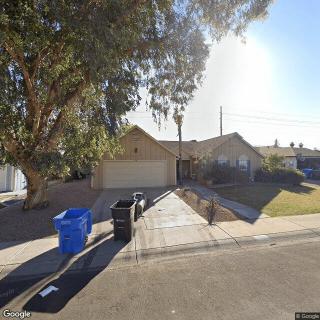
 Caring staff, clean environment, and engaging activities with good meals.


 Managing Nursing Home Expenses After Medicare Coverage Ends
 Is a Geriatric Care Manager the Right Choice for Your Family?
 Compassionate Conversations: How to Comfort Someone Who Is Grieving