

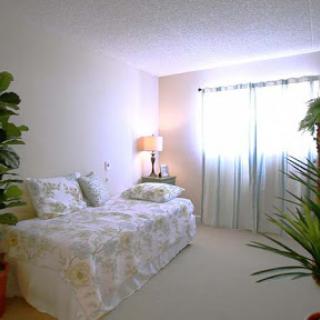


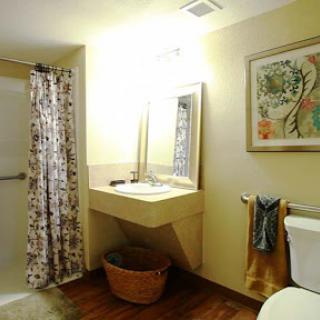

6128 West Gambit Trail, Phoenix, AZ 85083
For more information about senior living options: (866) 208-4318
Iocam Assisted Living Home Costs & Pricing
Iocam Assisted Living Home offers competitive pricing for its services compared to the broader market in Maricopa County and the state of Arizona. For a semi-private room, residents can expect a monthly cost of $2,300, which is significantly lower than the county average of $2,801 and the state average of $2,820. When considering private accommodations, Iocam's rate of $2,800 also reflects considerable savings against Maricopa County's average of $3,318 and Arizona's statewide figure of $3,345. Furthermore, for those seeking a one-bedroom unit, Iocam's fee of $3,000 remains more economical than both regional ($3,473) and state averages ($3,532). Overall, Iocam Assisted Living Home positions itself as a cost-effective option without compromising on quality care.
| Floor plans | Iocam Assisted Living Home | Maricopa County | Arizona |
|---|---|---|---|
| Semi-Private | $2,300 | $2,801 | $2,820 |
| Private | $2,800 | $3,318 | $3,345 |
| 1 Bedroom | $3,000 | $3,473 | $3,532 |
Memory care communities with a similar price nearby
-
from +$200 / mo

Anc Assisted Living Homes I
$2,500 to $3,500 / month17.0 miles away -
from +$400 / mo

Caring Hearts Senior Care
$2,700 to $3,500 / month13.1 miles away -
from +$200 / mo

Northlands Assisted Living Home
$2,500 / month4.9 miles away -
from -$300 / mo

Tatum Ranch Assisted Living
$2,000 to $3,000 / month12.7 miles away -
About the same

Windsor Luxury Assisted Living, LLC
$2,255 to $5,950 / month19.5 miles away
Overall Review of Iocam Assisted Living Home
Pros
 The caregivers who conducted the tour were nice.
- The care home seemed clean.
Cons
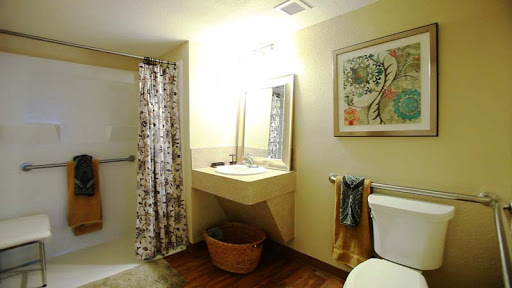
 They did not like that the residents shared a restroom.
Review
Iocam Assisted Living Home in Phoenix operates as a compact, home‑like community. It is best suited for seniors who prize a clean, well‑kept environment and staff who convey warmth during tours and daily contact. The available review describes a tidy house and caregivers who are easy to talk to, suggesting a low‑stress atmosphere where residents are treated with courtesy. Families seeking a small, personal feel rather than a large, institutional setting will likely find value in the straightforward, neighborly vibe. In short, it is a practical option for someone who wants dependable basic care in a comfortable, easily navigable space.
That practicality comes with clear limits. Those who require strong privacy protections or more robust medical oversight may want to consider alternatives. The single review notes a shared restroom, a factor that can be a dealbreaker for residents who prioritize private bathroom access and discretion. With just one perspective, there is uncertainty about how care levels, activities, and responsiveness hold up over time. If private bathrooms and predictable, structured medical support are non‑negotiables, other options with private facilities and documented care standards deserve serious consideration.
On the plus side, the tour experience described in the review highlights friendly caregivers and a clean environment. Cleanliness matters in assisted living, supporting a comfortable daily routine and reducing health risks. The impression of approachable staff translates into easier communication for families and less stress for residents during onboarding. For families who value warmth and personal attention, these attributes constitute a meaningful advantage that can compensate for more limited programming or bigger, more resource‑rich communities.
Yet the shared‑bath reality tends to linger as the primary drawback. Privacy and independence can be compromised in a setting where residents must divide restroom time. This can overshadow otherwise positive traits if the resident places a high premium on personal space during routines, dressing, or nighttime needs. In a smaller home, however, attentive supervision and consistent cleanliness are possible, which helps mitigate some concerns. The decisive question becomes whether the perceived intimacy and ease of access outweigh the privacy trade‑offs for the individual.
For families evaluating this option, a disciplined visit plan is essential. Probe beyond first impressions by asking to see a room with a bathroom and to learn whether any accommodations exist for private en suites. Inquire about staff ratios, overnight coverage, and how caregiving tasks are distributed. Request a sample daily schedule, details on meals, and activity options to gauge engagement levels. Clarify emergency procedures, medication management, and communication protocols with families when health status changes. If possible, speak with current residents or their families to gauge consistency and responsiveness firsthand.
Bottom line: Iocam Assisted Living Home is a solid choice for families seeking a clean, person‑centered, smaller‑scale community where caregivers are approachable and daily life feels manageable. It serves well those who prioritize warmth and a low‑stress environment and are comfortable with shared bathroom arrangements. For anyone who places a premium on privacy or requires higher levels of medical oversight, or who wants a broader slate of activities and guaranteed private bathing facilities, alternatives should be explored. Given the single‑review snapshot, a thorough in‑person assessment is prudent to verify consistency and ensure the care plan aligns with long‑term needs.
 5 resident community capacity
 Assisted Living
 Board and Care Home
 Memory Care
 Respite Care
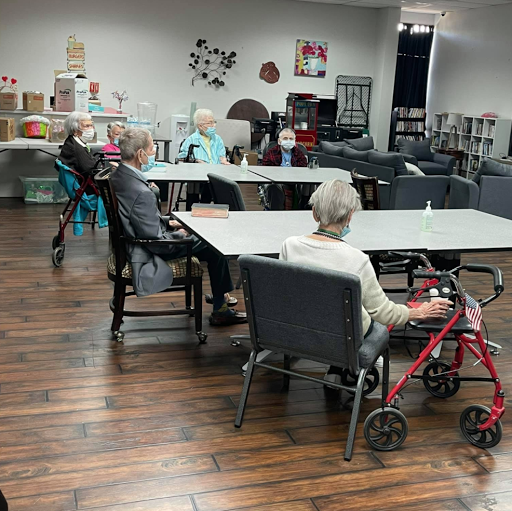
 Activities on-site
 Bath tubs
 Cable or satellite TV
 Devotional services on-site
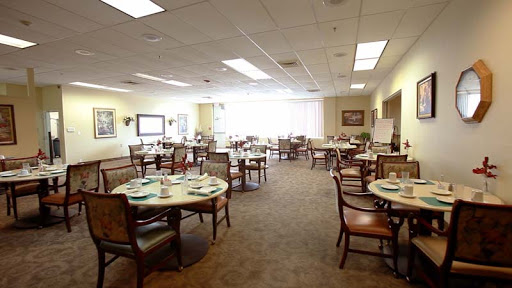
 Dining room
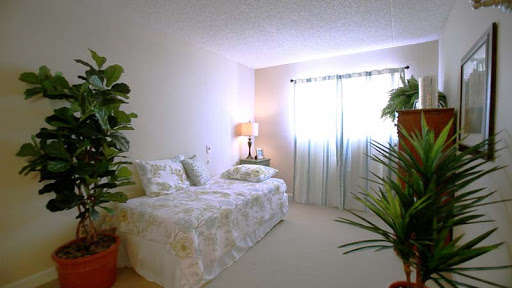
 Fully furnished
 Garden
 Housekeeping services
 Indoor common areas
 Move-in coordination
 Outdoor common areas
 Private
 Telephone
 Wheelchair accessible showers
 Wi-Fi/high-speed internet available
 Phoenix Sky Harbor International (23 miles away)
 24-hour supervision
 Ambulatory care
 Assistance with bathing
 Assistance with dressing
 Assistance with transfers
 Diabetes diet
 Diabetic care
 High acuity care
 Incontinence care
 Meal preparation and service
 Medication management
 Special dietary restrictions
 Transportation arrangement (medical)
 Transportation to doctors appointments






 Nourishing the Mind: Essential Dietary Approaches for Dementia
 Understanding Dementia Behaviors: Practical Insights and Strategies for Caregivers
 When Dementia Sparks Anger and Aggression: Understanding the Connection and Ways to Cope