
16024 North 17Th Way, Phoenix, AZ 85022
For more information about senior living options: (866) 208-4318
Hummingbird Gardens Costs & Pricing
When evaluating the costs associated with living at Hummingbird Gardens, it is evident that their pricing is competitive in comparison to both Maricopa County and the wider state of Arizona. For a semi-private room, Hummingbird Gardens charges $2,200 per month, which is significantly lower than the county average of $2,801 and the state average of $2,820. Similarly, for private accommodations, residents can expect to pay $3,000 monthly at Hummingbird Gardens - again more affordable than the county's $3,318 and the state's $3,345 rates. This favorable pricing not only highlights Hummingbird Gardens' commitment to providing quality care at accessible rates but also positions it as an attractive option for individuals seeking comfortable living arrangements within a supportive community.
| Floor plans | Hummingbird Gardens | Maricopa County | Arizona |
|---|---|---|---|
| Semi-Private | $2,200 | $2,801 | $2,820 |
| Private | $3,000 | $3,318 | $3,345 |
Overall Review of Hummingbird Gardens
Pros
 Mom seems to be adapting well.
- Lynn is good at keeping contact with family.
- They accommodate Mom's dinner to a later time and sit with her so she isn't alone.
- The community is really clean, and all the residents are cheerful and friendly.
- The care and staff are on top of things.
- Mom feels very comfortable there.
- The staff loves, hugs, and understands the needs of patients who can't express themselves well.
- The staff is the most caring the reviewers have seen, and they love, care, hug, and have a sense of humor with the residents.
Review
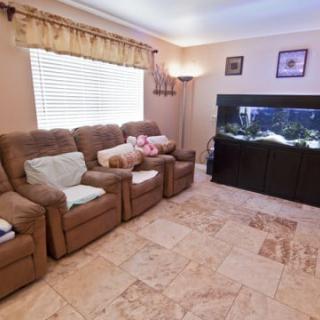
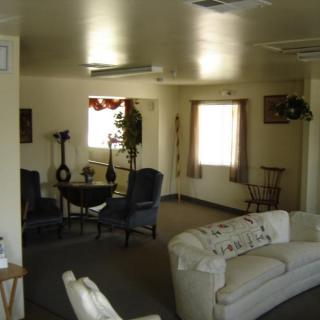
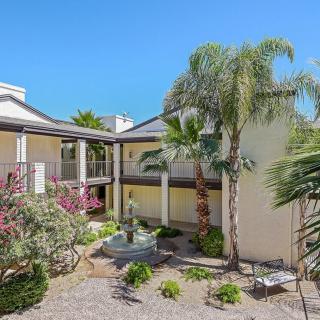
Hummingbird Gardens in Phoenix is best suited for seniors who thrive in a small, people‑centered setting where staff form real connections with residents and families stay closely involved. The community shines for those who value responsive, attentive care delivered with warmth, and who want transparent, ongoing family communication. Reviewers repeatedly note flexible routines that honor a loved one’s preferences, like accommodating later dinners and staff who sit with residents to prevent isolation. The atmosphere is bright, the hallways are clean, and residents come across as cheerful and engaged. This is a place where comfort and trust come from personal attention, not from a glossy brochure.
Families weighing options will want to consider alternatives if medical oversight or a broader continuum of care is essential. Hummingbird Gardens excels in daily care, companionship, and a genuinely caring staff, but the notes do not describe heavy on‑site nursing, advanced dementia programming, or a large campus with extensive clinical services. For someone whose needs require frequent skilled interventions, specialized memory‑care design, or structured clinical routines, other communities with a stronger clinical footprint may be a better match.
On the upside, the core strengths are striking: cleanliness that persists day after day, a resident population that appears cheerful and social, and staff who genuinely hug, love, and understand residents who can’t express themselves well. Caregivers are described as having a sense of humor and a calm, professional presence, "on top of things" and attentive to even small details. The ability to tailor mealtimes, dinners later in the day and staff sharing a moment with each resident, reduces anxiety and helps a loved one stay engaged rather than drift toward isolation. Family communication, particularly through attentive staff, adds a layer of reassurance that is hard to match.
These strengths, however, exist within the reality of a boutique setting rather than a large care campus. The intimate scale means powerful social energy and close staff relationships, but it can translate into fewer layers of clinical structure than some families expect. For those who want aggressive monitoring, rapid escalation protocols, or a clinic‑style cadence of care, this may feel like a trade‑off. Yet the flip side is that the very warmth and attentiveness praised by families can offset those concerns by creating a proactive, supportive environment where issues are addressed quickly and with empathy.
Practical guidance emerges from the feedback: lean on the designated family liaison (Lynn) who keeps relatives connected and informed. Request consistent caregivers to build familiarity with routines and preferences, and insist on opportunities for social engagement that match the resident’s interests. Pay attention to how staff interact with residents, hands‑on care, affectionate language, and a willingness to engage with humor all signal a team that values dignity and joy. If these dynamics align with what matters most, this community becomes less of a choice and more of a resonance with the family’s caregiving philosophy.
Bottom line: Hummingbird Gardens is a compelling option for families seeking a warm, clean, and socially vibrant assisted living where staff demonstrate clear devotion to residents. It is especially strong for those who prioritize everyday companionship, flexible routines, and straightforward family communication. Alternatives should be explored when medical complexity, specialized memory care, or a larger, more clinically oriented campus is non‑negotiable. For the right family, this Phoenix community represents not just a place to live, but a reliable partner in daily well‑being and peace of mind.
 10 resident community capacity
 Assisted Living
 Board and Care Home
 Respite Care
 Activities on-site
 Bath tubs
 Beautician on-site
 Cable or satellite TV
 Devotional services on-site
 Dining room
 Fully furnished
 Garden
 Housekeeping services
 Indoor common areas
 Move-in coordination
 Outdoor common areas
 Private
 Telephone
 Wi-Fi/high-speed internet available
 Phoenix Sky Harbor International (14 miles away)
 24-hour supervision
 Ambulatory care
 Assistance with bathing
 Assistance with dressing
 Assistance with transfers
 Diabetes diet
 Diabetic care
 High acuity care
 Incontinence care
 Meal preparation and service
 Medication management
 Special dietary restrictions
 Transportation arrangement (medical)
 Transportation to doctors appointments
 Christian services

 Comprehensive Insights into Activities of Daily Living (ADLs) and Their Assessment
 Medicare Coverage for Assisted Living: An In-Depth Exploration
 Choosing the Right Senior Care: A Detailed Exploration of Assisted Living and Nursing Homes