
1402 East South Mountain Avenue, Mesa, AZ 85042
For more information about senior living options: (866) 208-4318
Overall Review of Hacienda Nursing Facility
Pros
 It is the best facility of its type in the state.
- The staff are attentive, kind, and patient with residents.
- The care is skilled, professional, and compassionate.
- Staff have built positive relationships with residents, evident in their smiles and engagement.
- Families feel relieved knowing their loved ones are in safe, reliable, and attentive hands.
- The facility feels like family to patients and their families.
Cons
 It needs to be totally shut down.
- There were despicable traumas and abuses that happened at this facility.
- It is a thankless and stressful job.
Review
Hacienda Nursing Facility in Mesa is best suited for families caring for residents with substantial medical or developmental needs who require around-the-clock nursing and a caregiving team that can build lasting relationships with both residents and families. The clearest value proposition is found in the day-to-day reality described by families: staff who are attentive, patient, and genuinely connected to residents, with proactive communication when concerns arise. For nonverbal or highly dependent residents, and for those with complex care needs, the facility’s consistency in staffing and in-family updates becomes a decisive factor in choosing care away from home.
Those weighing alternatives should recognize that this community is not the obvious choice for families with intense safety anxieties or rigorous governance expectations. A subset of reviewers signals serious concerns about safety, oversight, and accountability, including references to past incidents and a call for transparent, society-facing accountability. If a family requires a spotless safety record, unblemished governance, and immediate, public-facing responses to allegations, other facilities with a more conservative risk profile may be a better fit. In short, high scrutiny of administration and culture should drive the decision for these families.
On the positive side, the standout pro is consistently strong bedside care paired with clear, regular family communication. Several accounts describe staff who treat residents with dignity, respect, and personal attention, preserving a sense of emotional well-being even when medical needs are high. Families report that caregivers respond to bedsores and health concerns quickly, and that the team goes the extra mile to keep relatives informed about changes in condition. In particular, stories from families of long-term residents emphasize reliable caregiving that feels more like a supportive relationship than mere task completion, with staff who know residents well enough to interpret small cues in behavior and mood.
Yet the most troubling dimension revealed by the reviews centers on safety and governance concerns. A troubling past allegation about abuse by a male nurse, and the subsequent discussions about how the facility has addressed or communicated about such incidents, casts a long shadow. Some reviewers insist the facility should be subject to heightened scrutiny and external accountability, arguing that public confidence hinges on transparent disclosures, tangible reforms, and demonstrable improvement since any traumatic event. This reality is not easily dismissed, and it challenges the sense of security that many families seek when entrusting a loved one to long-term care.
The core pros and the cons do not simply cancel each other out; they shape a nuanced risk-benefit calculus. The proven strength of compassionate, continuous care, and the reliable family updates, can offset a great deal of day-to-day strain for residents who require intense supervision and frequent clinical oversight. When staff develop meaningful relationships with residents, families experience tangible peace of mind about daily quality of life and responsiveness. However, when questions about safety, staff conduct, and governance persist, those advantages may be undermined by lingering doubts about the facility’s overall integrity and safety culture. The balance tilts toward confidence only if management can demonstrate concrete improvements, transparency, and accountability.
For families ready to act, the decision comes down to risk tolerance and information precision. If the priority is sustained, loving care with attentive communication for residents who need constant nursing support, Hacienda offers a compelling, lived reality: a community where staff appear dependable, empathetic, and connected to families. Those who cannot tolerate unresolved safety questions or who require an unassailable track record should investigate alternatives or demand a detailed, current transparency package from leadership. The recommended path is a thorough on-site visit paired with targeted questions: what steps have been taken to address past incidents, what monitoring mechanisms exist now, what are staffing ratios and turnover, and how is family input incorporated into care planning? Ask to meet front-line caregivers and leadership, review the latest state inspection reports, and seek current families’ candid experiences. In the end, Hacienda can be a strong fit for the right family, one that prioritizes intimate, consistent care and is prepared to push for continued safety and governance improvements.
 74 resident community capacity
 Assisted Living
 Skilled Nursing Facility
 Air-conditioning
 Beauty salon
 Cable or satellite TV
 Computer center
 Dining room
 Fitness room
 Fully furnished
 Gaming room
 Garden
 Housekeeping services
 Kitchenette
 Move-in coordination
 Outdoor space
 Private bathrooms
 Restaurant-style dining
 Small library
 Telephone
 Wellness center
 Wi-Fi/high-speed internet available
 Phoenix Sky Harbor International (5 miles away)
 Community operated transportation
 24-hour call system
 Activities of daily living assistance
 Assistance with bathing
 Assistance with dressing
 Assistance with transfers
 Diabetes diet
 Medication management
 Special dietary restrictions
 Concierge services
 Planned day trips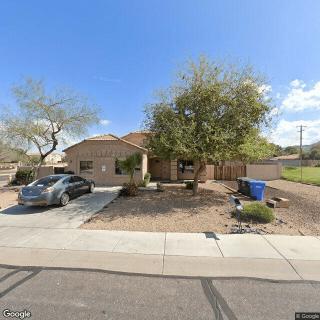





 Comprehensive Insights into Activities of Daily Living (ADLs) and Their Assessment
 Medicare Coverage for Assisted Living: An In-Depth Exploration
 Choosing the Right Senior Care: A Detailed Exploration of Assisted Living and Nursing Homes