
1841 E Hartford Ave, Phoenix, AZ 85022
To contact a resident: (602) 476-9354
For more information about senior living options: (866) 208-4318
Grace Assisted Living Home Costs & Pricing
Grace Assisted Living Home offers competitive pricing for its services, particularly when compared to both Maricopa County and the broader state of Arizona. For a semi-private room, residents can expect to pay $2,200 per month, which is significantly lower than the county average of $2,801 and the state average of $2,820. Similarly, for those seeking a private room, Grace provides a rate of $2,800, contrasting favorably with the county's average of $3,318 and Arizona's state average of $3,345. This pricing structure not only makes Grace Assisted Living Home an appealing option for families seeking quality care but also reflects a commitment to affordability in an industry where costs can often be prohibitively high.
| Floor plans | Grace Assisted Living Home | Maricopa County | Arizona |
|---|---|---|---|
| Semi-Private | $2,200 | $2,801 | $2,820 |
| Private | $2,800 | $3,318 | $3,345 |
Senior living communities with a similar price nearby
-
from -$255 / mo

Home Instead - Fountain Hills, AZ
$1,945 to $3,525 / month18.1 miles away -
from -$339 / mo

Endeavor Senior In-Home - Mesa
$1,861 / month22.3 miles away -
from +$425 / mo
The Eldercare Home Of Tempe
$2,625 to $3,412 / month20.0 miles away -
from -$200 / mo

Garcia's Assisted Living Home LLC
$2,000 / month16.2 miles away -
from +$200 / mo

Golden Touch One Adult Care Home
$2,400 to $5,800 / month23.6 miles away
Overall Review of Grace Assisted Living Home
Pros
 The customer had a wonderful experience with this plumbing service; the team was responsive and provided valuable maintenance advice.
- The plumber arrived the next day to fix the leak, repaired it without issues, and was described as excellent, competent, and reasonably priced.
- The local plumber did a great job cleaning out the drain, helped with a major blockage, and demonstrated professionalism and skill.
- The local plumber was highly appreciated for saving the day with drain cleaning and for their knowledge and commitment to the profession.
- The customer reported a rapid response for a water heater issue, with a plumber sent within an hour.
- The plumbing service exceeded expectations; the technicians were friendly and skilled, resolved the issue quickly, and the customer would use their services again.
Review
Grace Assisted Living Home in Phoenix is best suited for seniors who want a homelike, low-friction setting with dependable upkeep and clear, predictable service. A resident profile likely includes those who value straightforward daily support, help with chores, meals, and mobility assistance, paired with maintenance responsiveness and a stable, familiar environment. Families facing a transition from independent living or a traditional home should consider Grace when the priority is a well-kept residence where staff anticipate common repair or housekeeping needs and minimize the upheaval of moving into a new place. The facility’s appeal is less about high-intensity clinical care and more about reliable operations, safe surroundings, and a cooperative, approachable staff culture.
However, this is not the option for residents requiring robust medical supervision or specialized dementia care. Alternatives with on-site licensed nursing teams, 24/7 medical oversight, and more extensive programming may be preferable for those with complex health conditions or significant memory care needs. If daily medical monitoring, medication management, or emergency response capabilities are non-negotiable, families should widen the search to ensure a care level that matches health realities and risk profiles.
From a decision-evaluation perspective, the strongest advantages align with a maintenance-forward service ethic: issues are addressed promptly, staff interactions come across as professional, and service costs appear predictable and reasonable. The referenced service experiences, though not about senior housing, underscore a key truth for aging-in-place settings: maintenance reliability reduces disruption to routines, preserves independence, and lowers stress for residents and families. When a community can deliver quick-turnaround repairs, clean facilities, and courteous, skilled staff, it underpins daily life in meaningful, tangible ways and contributes to a sense of security and trust.
Where potential drawbacks often show up in communities like this are the gaps around clinical depth and program variety. If medical needs intensify, passable assistance fades without on-site nurses or contracted care partners. Similarly, programming breadth, beyond meals, housekeeping, and light socialization, can influence overall quality of life, particularly for residents seeking purposeful engagement. If Grace’s calendar leans toward routine but minimal wellness activities, that could be a shortfall for some. The offset comes when the core daily living needs are met consistently, but the balance shifts if health needs escalate and access to robust clinical support remains uncertain.
Families evaluating Grace should pursue a disciplined decision framework. Request a detailed tour at different times, observe maintenance response times in action, and ask about typical timelines for plumbing, electrical, and housekeeping requests, assuming the analogies from the service reviews apply to facility operations. Inquire about staff-to-resident ratios, night-shift coverage, and the process for escalating medical concerns. Demand a clear outline of what is included in the base rate versus add-on services, meal plans, transportation options, and safety features. Finally, verify whether there are partner organizations for memory care or rehab services and what the transition path looks like if needs evolve, so the plan remains coherent as health and independence shift.
Bottom line: Grace Assisted Living Home can be a strong fit for seniors who prize a dependable, clean, and approachable home with predictable service and straightforward daily support. The strengths, responsive upkeep, professional staff, and clear pricing, tend to offset the absence of intensive medical programming for residents with relatively stable health and modest care needs. Families deciding between Grace and alternatives should align the facility’s strengths with the resident’s health trajectory and social preferences, ensuring medical support, programming depth, and family goals are harmonized. When maintenance reliability and a homelike, non-institutional vibe take precedence, Grace stands out as a practical, well-considered choice in the Phoenix market.
 Board and Care Home
 Activities off-site
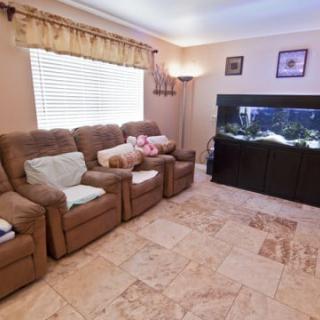
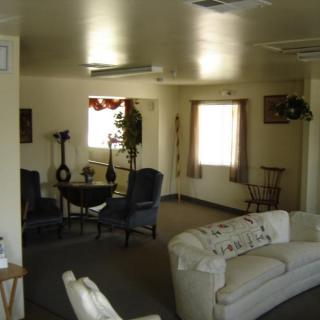
 Indoor common areas
 Outdoor common areas
 Private
 Phoenix Sky Harbor International (15 miles away)
 Diabetic care
 High acuity care
 Meals provided



 Nurturing Our Elders: Linda's Journey of Supporting Her Mother
 A Comprehensive Exploration of Common Misunderstandings about Powers of Attorney
 Senior Move Management: Understanding the Role, Value, and Associated Costs