
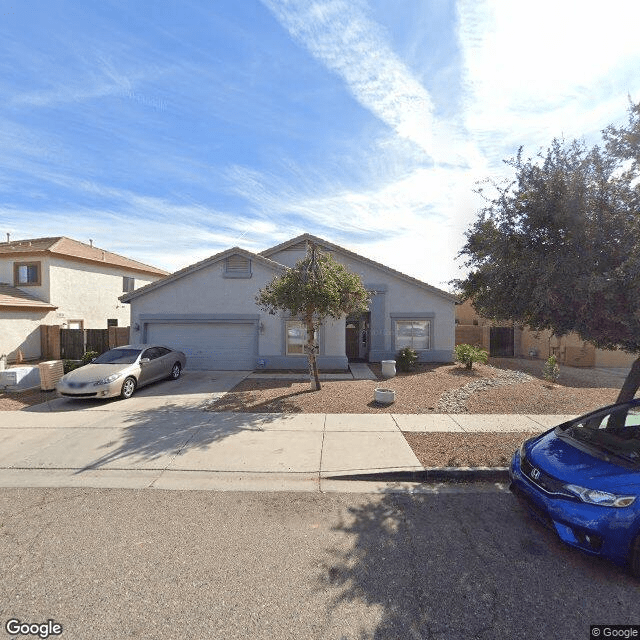
8011 West Gibson Lane, Phoenix, AZ 85043
For more information about senior living options: (866) 208-4318
Overall Review of Gibson Lane Assisted Living Care
Pros
 The new owner is described as great.
- She is actively working on insurance matters and aims to have them resolved by January.
- She plans to fix up the facility and provide activities for residents.
Cons
 The place is unsafe for elderly clients.
- Since the new owners arrived, it smells strongly of urine throughout the home.
- They placed younger residents with mental disabilities among the elderly, making it extremely unsafe.
- Residents were forced to move out after only four weeks.
- The facility is not licensed with any insurance companies.
- They took a deposit and the monthly rent, and residents could not stay there because the provider wouldn’t pay.
- They did not refund money owed and claimed licensing and insurance compliance when that was not true.
Review
Gibson Lane Assisted Living Care in Phoenix is best suited for families that absolutely must stretch a limited budget and are prepared to engage in meticulous, hands-on oversight. This is not a setting for seniors who rely on licensed operation, consistent insurance participation, or dependable safety systems. It may only make sense as a short-term, stopgap option if prospective purchasers are ready to demand full transparency, verify every claim, and move quickly if conditions fail to improve. In practice, the facility demands an aggressive information-gathering posture and a readiness to pivot away if promises don’t translate into verifiable, stable care.
The most troubling themes across the feedback cluster around licensing, insurance, and on-the-ground safety. Residents’ safety is called into question by reports of strong urine odor persisting in the home and the problematic mixing of younger, mentally challenged individuals with elderly residents. Those concerns are not cosmetic; they strike at the core of risk management for vulnerable adults. Compounding the risk is a pattern of messaging that alleged the facility was licensed and insured when, in at least some accounts, that alignment was not in place. The implications are severe: if care contracts are entered under false pretenses or without insurer protections, families face abrupt relocations, disrupted care, and emotional distress, often with financial consequences that linger long after a move.
On the upside, there are signs of present leadership attempting to turn the situation around. A newly empowered owner is described as actively addressing insurance arrangements and promising improved facilities and more resident activities. These efforts, if sustained and proven with independent verification, could translate into actual operational upgrades that raise safety standards and resident engagement. However, the mere intention to “fix it up” cannot undo accumulated harm or restore trust without transparent documentation, third-party confirmations, and demonstrable progress over a meaningful period. For families weighing options, these positive signals must be weighed against a track record that currently reads as unreliable and inconsistent.
From a decision-making standpoint, the prudent course is to demand concrete, verifiable evidence before considering continued occupancy. Prospective residents and their families should insist on current licensing status from the Arizona Department of Health Services, a written list of active insurance contracts accepted by the facility, and copies of all resident agreements clearly showing what services are covered and what costs fall outside coverage. Tour the building with questions about staffing levels, staff training, and how safety and emergency procedures are managed. Speak with current residents and their families about daily life, incident reporting, and responsiveness to concerns. If any of these elements are not readily verifiable or fail to meet basic standards, alternatives deserve serious consideration.
The balance of risks versus potential gains remains heavily tilted toward caution. The most persistent, high-stakes cons, unverified licensing and insurer relationships, safety and odor concerns, and the abrupt, emotionally taxing experiences of families and residents, outweigh the promise of new ownership and added activities. Until verifiable improvements are in place, Gibson Lane should be treated as a facility to approach only after thorough verification of credentials and with a clear exit plan if conditions do not meet the expected standards. Families that insist on stable licensing, predictable charging, and a consistently safe environment are strongly advised to look at other Phoenix-area options with stronger, evidence-backed track records.
In closing, this community is not recommended for seniors who need reliable professional oversight, clear insurer participation, and a consistently safe living environment. For those who pursue it anyway, approach with a rigorous due-diligence checklist: confirm current license status, secure copy of contracts with insurers, obtain a transparent cost breakdown, request independent safety audits if available, and insist on an in-person, layered tour with direct conversations with staff and residents. If these verifications cannot be produced, or if the facility cannot demonstrate sustained, measurable improvements, families are better served by redirecting to alternatives that offer confirmed licensure, stable funding arrangements, and documented safety standards.
 10 resident community capacity
 Assisted Living
 Activities on-site
 Cable or satellite TV
 Devotional services off-site
 Dining room
 Fully furnished
 Garden
 Housekeeping services
 Indoor common areas
 Move-in coordination
 Outdoor space
 Telephone
 Wi-Fi/high-speed internet available
 Phoenix Sky Harbor International (13 miles away)
 24-hour supervision
 Ambulatory care
 Assistance with bathing
 Assistance with dressing
 Assistance with transfers
 Diabetes diet
 Diabetic care
 Meal preparation and service
 Medication management
 Special dietary restrictions
 Transportation arrangement (medical)
 Transportation to doctors appointments




 Exploring the Contrasts Between Assisted Living and Skilled Nursing
 8 Key Indicators That Suggest It May Be Time to Transition from Assisted Living to Skilled Nursing Care
 Vibrant Senior Living: A Comprehensive Guide for Active Older Adults