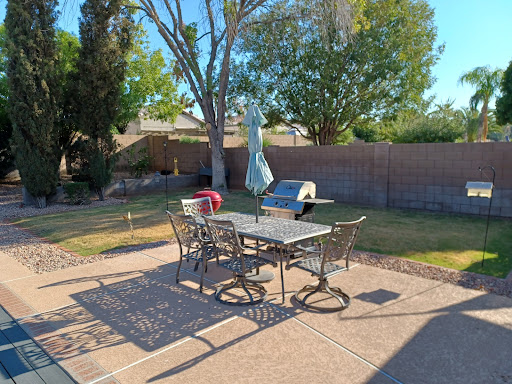
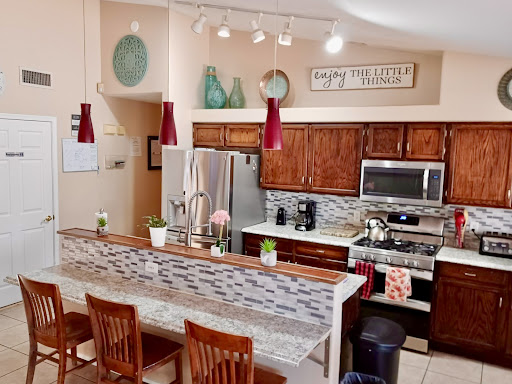
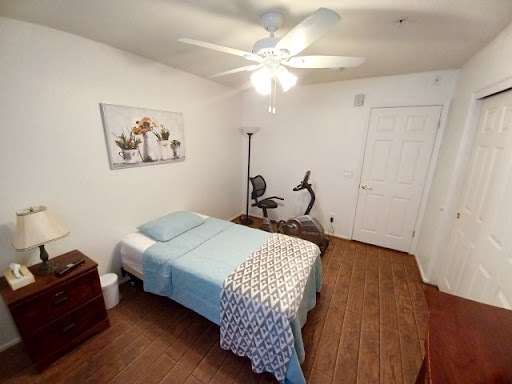
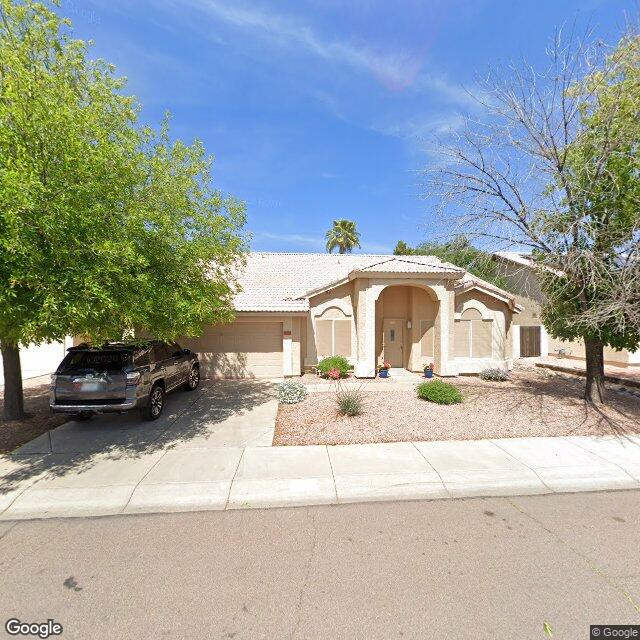
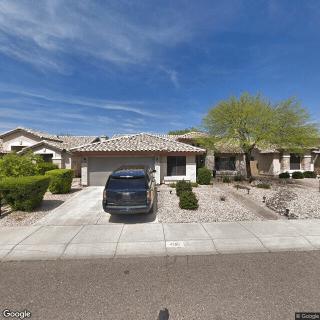
4526 East Campo Bello Drive, Phoenix, AZ 85032
For more information about senior living options: (866) 208-4318
Danbury Adult Care Home Costs & Pricing
At Danbury Adult Care Home, the monthly costs for care reflect a commitment to quality and personalized support. For a semi-private room, residents can expect to pay $2,950, which is slightly higher than the average rates in Maricopa County at $2,801 and in Arizona at $2,820. When considering private accommodations, the rate at Danbury is $3,700 - above both the county's average of $3,318 and the state's average of $3,345. These figures suggest that while Danbury may carry a premium compared to its regional counterparts, this difference may be indicative of a higher level of service or enhanced amenities that contribute to overall resident satisfaction.
| Floor plans | Danbury Adult Care Home | Maricopa County | Arizona |
|---|---|---|---|
| Semi-Private | $2,950 | $2,801 | $2,820 |
| Private | $3,700 | $3,318 | $3,345 |
Assisted Living communities with a similar price nearby
-
from -$150 / mo

Pinnacle Peak Assisted Living
$2,800 to $3,100 / month5.5 miles away -
from -$325 / mo

The Eldercare Home Of Tempe
$2,625 to $3,412 / month19.1 miles away -
About the same
Royal Paradise Care
$2,900 to $3,800 / month21.2 miles away -
About the same

Bella Amore Assisted Living
$3,000 / month9.2 miles away -
from -$100 / mo
Covenant Care Assisted Living Home
$2,850 to $3,705 / month24.8 miles away
Overall Review of Danbury Adult Care Home
Pros
 Residents are treated with the best care.
- Lilianna and her caring staff ensure residents' needs are met every day.
- The home is highly recommended for those seeking the best care.
- Danbury Adult Care Home is extremely clean.
- The staff take very good care of residents.
- The owner/operator really cares for the individuals.
- The home offers a variety of activities, including events like a Valentine’s party.
- Residents are eating very well and are assisted as needed.
Cons
 They are not sure about the activities.
- The reviewer notes that his mother had just lost her husband.
Review
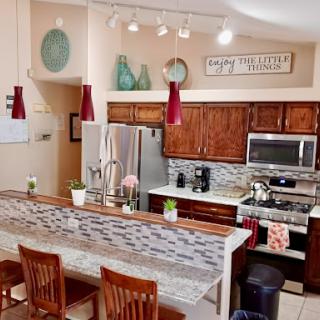
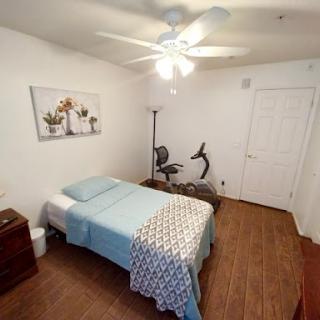
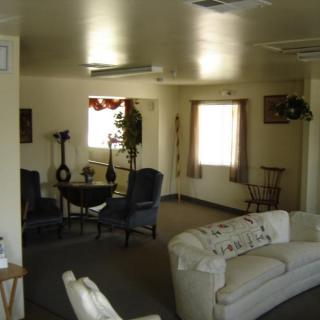
Danbury Adult Care Home in Phoenix, AZ, is best suited for families seeking a small, home-like setting where seniors receive highly personalized, hands-on care. With a six-resident capacity, the operation prioritizes intimate relationships and rapid response to daily needs. The owner-operator and a steady staff team appear consistently involved, delivering attentiveness, meticulous cleanliness, and routines that feel respectful and unhurried. Residents seem well-fed, engaged, and supervised, with care touching practical tasks, medication reminders, feeding assistance, mobility support, without sacrificing warmth. This environment works best for loved ones who value dependable, familiar faces and a family-like support network over the bustle and breadth of larger congregate settings.
However, this setting may not be ideal for every senior. If a resident requires advanced medical oversight, complex wound care, or highly structured programming, a larger community with on-site clinical staff and dementia-specific wings may be a better fit. The small-scale model naturally limits the breadth of activities and the depth of clinical capabilities. Families evaluating Danbury should assess whether their loved one needs more than companionship and daily task support, or whether a more conventional, facility-style environment with formal schedules and memory-care plans would better accommodate evolving health needs.
Among the strongest advantages are exceptional cleanliness, consistent care, and visible caregiver commitment. Reviews portray a clean home where staff reliably meet daily needs and monitor well-being, with the owner-operator personally engaged in residents’ welfare. The caregiving team is praised for addressing dietary preferences, offering a varied mix of fruits and vegetables, and providing activities that include social events such as a Valentine’s party. The overall impression is that care is thoughtful and tailored, not routine, with a small, stable resident group that supports close relationships, easier supervision, and prompt attention when changes occur.
Reality checks are modest but worth noting. One reviewer expressed uncertainty about how robust the activity calendar truly is, while the six-resident format could mean fewer peers and potentially less social variety than larger facilities offer. For families seeking ongoing professional memory-care programming or more formalized activity structures, this environment may feel understated. There is also an implicit caveat about continuity of leadership and coverage, though the owner-operator’s involvement is a clear strength, questions about what happens during vacations or staffing gaps are legitimate considerations for long-term planning.
Yet the positives largely offset these trade-offs. The intimate setting accelerates personalized attention and allows staff to notice subtle shifts in mood, appetite, or mobility that larger homes may overlook. Cleanliness and daily routines create safety and predictability, crucial for seniors who rely on steady patterns. The caregiver team’s demonstrated dedication translates into reliable daily care, timely meals, and meaningful engagement, often easing the burden on family members who need trustworthy oversight. The visible, hands-on leadership from the owner-operator provides accountability and direct lines of communication, a meaningful advantage when decisions hinge on trust and transparent reporting.
In sum, Danbury Adult Care Home represents a compelling choice for families prioritizing warmth, cleanliness, and highly individualized attention within a small, closely watched setting. It is best for seniors who do not require intensive clinical supervision or dementia-specific programming and who benefit from a home-like daily rhythm with accessible staff. Alternatives should be considered for those needing stronger medical oversight, broader social opportunities, or specialized memory care. Prospective families should visit with questions about staffing ratios, daily schedules, dietary options, and how care plans are updated, and should meet Lilianna and the caregiving team to gauge whether the personal connection and practical safeguards align with the loved one’s needs.
 10 resident community capacity
 Assisted Living
 Board and Care Home
 Respite Care
 Cable or satellite TV
 Dining room
 Fully furnished
 Garden
 Housekeeping services
 Move-in coordination
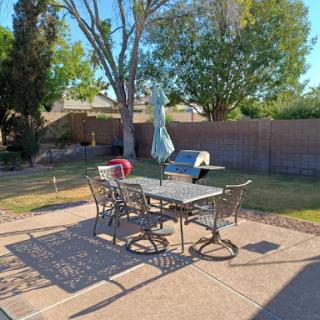
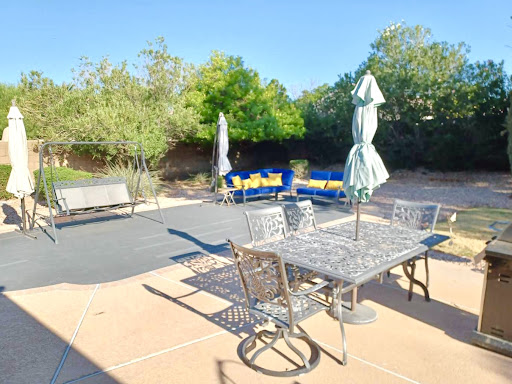
 Outdoor space
 Private
 Telephone
 Wi-Fi/high-speed internet available
 Phoenix Sky Harbor International (15 miles away)
 24-hour supervision
 Activities of daily living assistance
 Assistance with bathing
 Assistance with dressing
 Assistance with transfers
 Diabetes diet
 Diabetic care
 High acuity care
 Meal preparation and service
 Medication management
 Special dietary restrictions
 Transportation arrangement (medical)
 Transportation to doctors appointments
 Christian services


 How and When Medicaid May Cover Assisted Living Costs
 A Detailed Exploration of Assisted Living Medicaid Waivers Across the United States
 Comprehensive Residential Support and Assisted Living Solutions for Individuals with Disabilities