
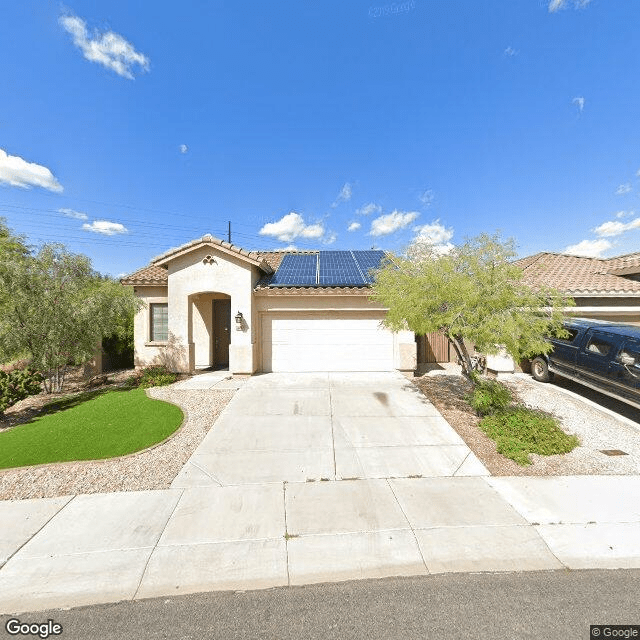
4010 Plymoth Drive, Anthem, AZ 85086
To contact a resident: (623) 312-5635
For more information about senior living options: (866) 208-4318
Blessing Home ALH Costs & Pricing
Blessing Home ALH offers a private room at a monthly cost of $4,000, which is notably higher than the average rates in Maricopa County at $3,318 and across Arizona at $3,345. While this pricing may seem elevated compared to local averages, it's essential to consider factors such as the quality of care, amenities, and personalized services that Blessing Home ALH provides. Families seeking specialized attention or a more intimate living environment for their loved ones might find that the additional investment aligns with their expectations for care and comfort.
| Floor plans | Blessing Home ALH | Maricopa County | Arizona |
|---|---|---|---|
| Private | $4,000 | $3,318 | $3,345 |
Senior living communities with a similar price nearby
-
from -$350 / mo
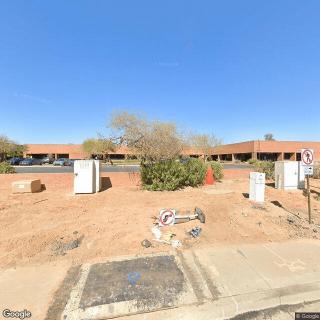
SeniorBridge - Scottsdale, AZ
$3,650 / month24.2 miles away -
from -$300 / mo
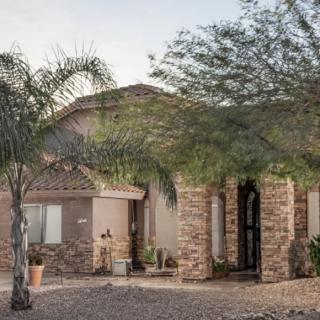
Endeavor AL III
$3,700 to $4,000 / month19.1 miles away -
from -$500 / mo
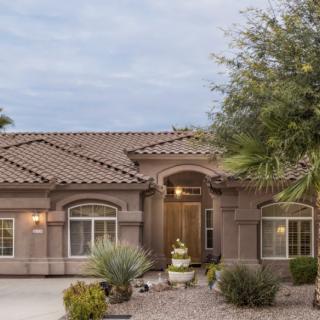
Endeavor AL II
$3,500 to $4,000 / month19.2 miles away -
About the same
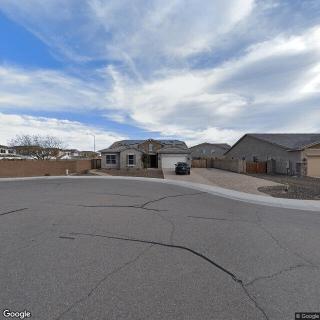
AZ Life Assisted Living Home II
$4,000 / month16.3 miles away -
from -$500 / mo
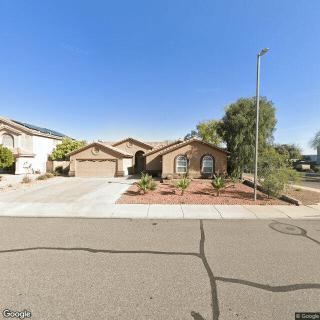
Legends Senior Living 2
$3,500 / month14.6 miles away
Overall Review of Blessing Home ALH
Pros
 The staff treat residents like family.
- The home is great with amazing staff.
- The facility upholds high standards and delivers care in every aspect.
- Families feel their loved ones are in a good, loving place.
Review
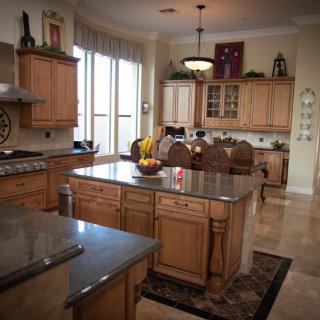
Blessing Home ALH in Anthem, AZ is best suited for families that prize a warm, home-like setting where residents are treated as family and daily care is delivered with visible warmth and attention. The community shines when the priority is intimate, personal caregiving rather than a large, impersonal campus. From the testimonials, the environment feels like a true household, not a institution, with staff who approach residents with genuine kindness and familiarity. For families with nurses or healthcare professionals in the mix, the alignment between high standards and day-to-day operations appears especially strong, as one reviewer notes a consistently loving, well-supported home for an elderly relative.
Caregivers who want to see their loved ones treated with consistent respect and affection will find Blessing Home ALH particularly compelling. The feedback emphasizes staff who treat residents like family and a culture built on kindness and attentiveness. This is not a facility built on transactional care; it operates like a close-knit household where caregivers know residents’ preferences, routines, and histories. In such an environment, families often gain reassurance that their loved one is not merely supervised but cherished, which translates into calmer days, better mood, and a sense of belonging for residents.
Because the reviews come from a family of nurses and healthcare providers, the perceived care quality carries additional weight. The endorsement that high standards are not just promised but delivered adds a practical layer of credibility for decision-makers who weigh clinical competence alongside emotional warmth. The combination of professional rigor and compassionate daily interactions suggests a level of reliability that reduces the fear of neglect or disengagement, a common worry when transitioning to assisted living. The bottom line is clear: the staff and leadership are expected to maintain a standard that aligns with medical-trained expectations while preserving a homey atmosphere.
The main downsides are not spelled out in the available impressions, which means the strongest offset is the very absence of caveats. The consistent praise for staff as “amazing” and residents being treated like family implies that known pain points, staff turnover, miscommunication, or chilly care, are minimized in practice. In decision terms, the pros offset typical concerns about impersonal care or neglect by offering continuous, personable attention and a stable caregiving team. For families who fear their relatives becoming anonymous within a larger facility, Blessing Home ALH presents a practical antidote: intimate scale, steady relationships, and care delivered with heart.
For families evaluating options, several concrete steps can help translate these advantages into a confident choice. During visits, observe how staff interact with residents on a typical day, note whether residents’ routines feel respected and preserved, and ask about caregiver ratios and consistency of assignments. Inquire about how nutritional needs are handled, the availability of medical oversight on a practical basis, and how family communication is structured. If a loved one requires more formalized memory-care programming or more expansive medical resources, explore how a smaller home environment might adapt or whether a larger, specialized setting would better meet those needs.
Ultimately, Blessing Home ALH stands out as a compelling match for families seeking an intimate, family-centered living experience where care excellence is paired with genuine warmth. It is particularly well-suited for seniors who flourish with personalized attention, staff who know them by name, and families that value being treated as partners in daily caregiving. Those prioritizing scale, formal clinical programs, or highly specialized memory-care offerings may want to compare against larger communities. Still, for many families, the decision will come down to whether the emotional and relational rewards of a home-like setting justify any trade-offs in intensity or breadth of programming.
 Board and Care Home
 Private



 Encouraging Participation in Adult Day Care: A Guide to Supporting a Hesitant Parent
 Comprehensive Exploration of Living Wills and Other Advance Directives
 A Detailed Exploration of Living Wills and Advance Directives