
3539 East Ahwatukee Court, Phoenix, AZ 85044
For more information about senior living options: (866) 208-4318

Overall Review of Ahwatukee Manor Assisted Living
Pros
 The Hawthorn Court staff are caring and supportive of the residents.
- The community is well-maintained, clean, comfortable, and offers plenty of activities to keep residents happy and engaged.
- The staff genuinely cares about each resident and goes above and beyond to ensure everyone feels at home and well-cared for.
- Loved ones feel right at home there, make friends, and have a strong support system in place.
- Hawthorn Court prioritizes quality of life, focusing on physical, mental, and social well-being.
- It is a wonderful place for memory care and dementia care.
- The Montessori-inspired dementia community helps residents make friends and have daily purpose in a secured environment.
- The medical staff are top-notch and accommodate patients’ needs as they go through the various stages.
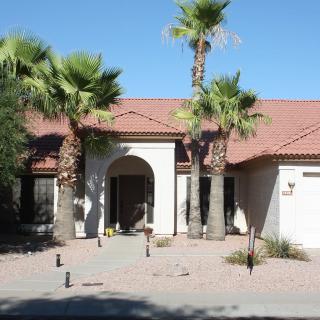
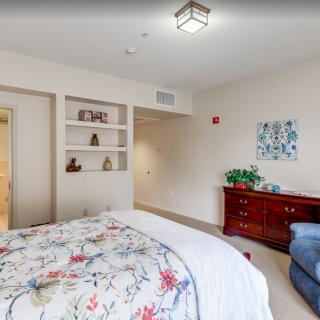
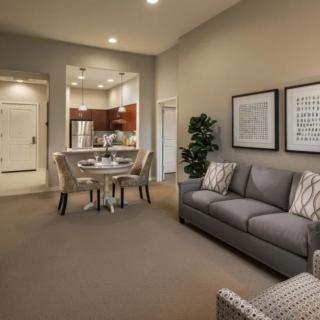
- The facility is bright, clean, homey, and comfortable, with rooms of good size and plenty of sunlight.
Cons
 There was a ridiculously long waiting time in the tickets section.
Review
This community is best suited for families seeking a memory-care oriented assisted living option in the Phoenix area that feels intimate, homey, and genuinely attentive. It excels when a loved one with dementia benefits from a smaller, structured setting where daily routines, social engagement, and purposeful activities are designed to preserve dignity and independence. The environment prioritizes warmth, safety, and consistent relationships with staff who treat residents like family, making it an especially strong fit for families who want hands-on attention, regular family involvement, and a calm, orderly atmosphere.
Those weighing alternatives should consider what happens if memory care is not the primary need, or if a larger campus with more expansive programming and a broader medical footprint is desired. For seniors who require less dementia-specific structure, or who want a more clinical, hospital-like setting with a wider range of on-site services, a bigger community may feel more appropriate. Families with residents who have complex medical conditions beyond the scope of memory care or who insist on a broader network of specialists might also explore options that operate at a larger scale or with different care models.
The strongest advantages stem from the staff and the culture the community cultivates. Reviews consistently highlight a warm, professional team that genuinely cares about each resident, going above and beyond to ensure comfort, safety, and daily involvement. The setting itself reinforces these strengths: clean, well-maintained spaces, abundant light, and a home-like ambiance that helps residents settle in quickly and feel valued. The memory-care program stands out as Montessori-inspired and secured, designed to give residents daily purpose, opportunities to make friends, and an environment where staff monitor needs with nuance and care.
Program design and medical responsiveness further separate this option from many peers. The community’s dementia-focused approach emphasizes meaningful activity, family engagement, and continuity of care across the progression of Alzheimer’s and related conditions. Medical staff, including nurses and care professionals, are described as knowledgeable and responsive, comfortable adjusting to changing needs and coordinating around glucose or other chronic requirements. The smaller, intimate setting supports individualized attention, while the on-site culinary team and caregivers create a reliable daily rhythm that sustains nutrition, mood, and engagement.
Potential drawbacks exist, but they are typically manageable within the overall value. Administrative bottlenecks, such as longer-than-desired wait times in some scheduling or ticketing processes, can cause friction in the short term and warrant proactive follow-up. Yet these hiccups rarely overshadow the overarching quality of care, as frontline staff frequently demonstrate accessibility, courtesy, and efficiency in person. The smaller size, while a clear strength for personalized care, may offer a narrower slate of programming compared with larger campuses, so families should confirm the current activity calendar aligns with a loved one’s interests and energy levels.
In practical terms, this community is a strong recommendation for families prioritizing memory care with a high-touch, respectful culture. Prospective residents should evaluate staff-to-resident ratios, ask to observe a typical day of activities, and inquire about how the program adapts to evolving dementia stages. Cost and transition logistics should be clarified, including how medical needs are coordinated and what support exists for families during the adjustment. For families seeking a vibrant, intimate environment where a loved one can remain engaged, cherished, and well cared for, this option stands out as a prudent, confidently managed choice.
 5 resident community capacity
 Assisted Living
 Cable or satellite TV
 Dining room
 Fully furnished
 Garden
 Housekeeping services
 Move-in coordination
 Outdoor space
 Telephone
 Wi-Fi/high-speed internet available
 Phoenix Sky Harbor International (7 miles away)
 24-hour supervision
 Activities of daily living assistance
 Assistance with bathing
 Assistance with dressing
 Assistance with transfers
 Diabetes diet
 Meal preparation and service
 Medication management
 Special dietary restrictions
 Transportation arrangement (medical)
 Transportation to doctors appointments


 Exploring the Path to Senior Living: A Comprehensive Look at Independent Living and Assisted Living
 Is Assisted Living Deductible on Your Taxes? Understanding the Complexities of Assisted Living Expenses and Deductions
 Assisted Living Support for Veterans: A Complete and Detailed Overview