
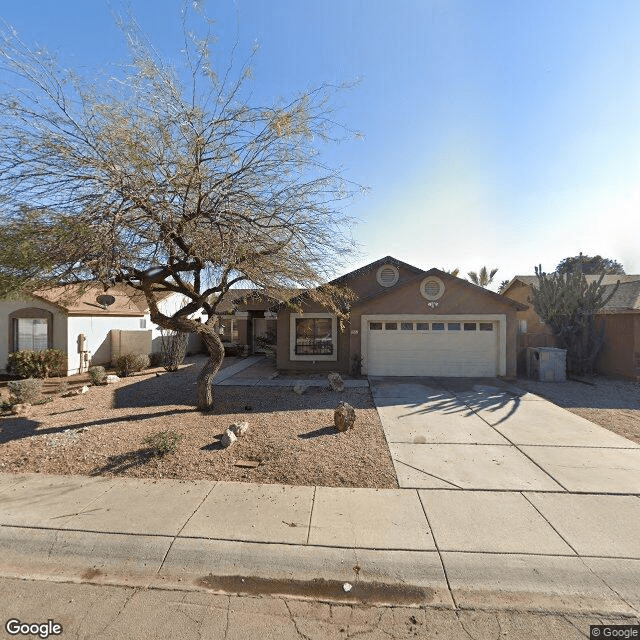
9011 W Granada Road, Phoenix, AZ 85037
To contact a resident: (623) 847-4415
For more information about senior living options: (866) 208-4318
Agape Assisted Living Home Costs & Pricing
Agape Assisted Living Home presents a cost-effective option for seniors seeking care in a supportive environment, particularly when compared to the broader market in Maricopa County and the state of Arizona. For a semi-private room, Agape charges $2,000 per month, significantly lower than the county average of $2,801 and the state average of $2,820. Similarly, their private rooms are priced at $2,500 - again more affordable than both the county's average of $3,318 and Arizona's overall average of $3,345. This pricing strategy not only underscores Agape's commitment to providing accessible care but also positions it as an attractive choice for families exploring assisted living options in the region.
| Floor plans | Agape Assisted Living Home | Maricopa County | Arizona |
|---|---|---|---|
| Semi-Private | $2,000 | $2,801 | $2,820 |
| Private | $2,500 | $3,318 | $3,345 |
Senior living communities with a similar price nearby
-
About the same
Garcia's Assisted Living Home LLC
$2,000 / month13.9 miles away -
About the same
Martha Bonilla Care Loving Home
$2,000 to $2,200 / month24.3 miles away -
About the same
All Stars Assisted Living
$2,000 to $2,500 / month12.4 miles away -
from +$200 / mo

Bent Tree Assisted Living
$2,200 to $3,200 / month18.3 miles away -
from +$300 / mo
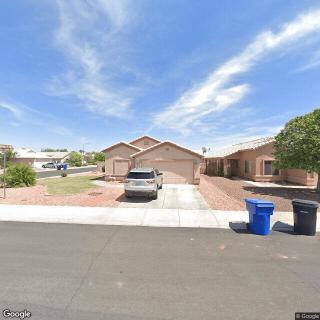
Crystal Rose Assisted Living Home
$2,300 / month13.9 miles away
Overall Review of Agape Assisted Living Home
Pros
 The home is truly lovely.
- The caregivers are wonderful, especially Priscilla, who truly cares for the people who live there.
- Priscilla does a great job listening and learning.
- The home is loved.
Review
Agape Assisted Living Home in Phoenix is best suited for families seeking an intimate, relationship-driven care setting where residents are treated as individuals and staff can respond with personalized attention. It fits seniors who value a small-home atmosphere, where daily routines can be shaped around preferences and known needs, rather than a large, highly structured campus. This community is a strong match for those who want hands-on, compassionate caregiving and are comfortable with a setting that prioritizes intimate connections over expansive programming. Families considering alternatives should look for options with more extensive medical oversight, broader memory-care supports, or larger activity calendars if those elements are non-negotiable.
The most compelling takeaway from the available feedback is clear: the people behind Agape Assisted Living Home make a meaningful, positive difference. The home is described as truly lovely, with caregivers perceived as wonderful across the board. A standout caregiver, Priscilla, exemplifies the level of personal investment that characterizes daily care: genuine warmth, steadfast reliability, and a talent for listening and learning resident preferences. That blend of empathy and attentiveness can translate into calmer days for residents, smoother daily routines, and fewer friction points in personal care, which matters greatly for peace of mind for families.
That strength, however, comes with a natural caveat given the limited public input. The single-voice review provides no explicit data on staffing ratios, shift coverage, or the breadth of medical services offered on-site. Likewise, there is no detail about the range of activities, dietary options, transportation, or how memory-related needs are managed in practice. Prospective families should verify these specifics directly with the community: what levels of medical oversight are available, how medications are supervised, whether on-call clinicians can be accessed, and how emergency care is coordinated. The absence of this information means any decision should be tempered with targeted questions during visits.
The positive caregiving culture at Agape can meaningfully offset several typical concerns associated with small, home-like settings. When staff invest in knowing residents, their routines, preferences, and subtle changes, the result is a safer, more comfortable living environment where residents feel seen and respected. That relational depth often translates into fewer behavioral challenges, better adherence to routines, and earlier problem detection. In essence, the strengths here lie not in flashy programming but in the quality of interpersonal care; for families prioritizing dignity, calmness, and consistent companionship, these attributes can outweigh the downsides of a smaller operation.
Still, practical decision-making demands balancing these strengths against potential gaps. Families should assess whether the home can accommodate evolving medical needs or more intensive assistance, and whether the social calendar aligns with a residentā€™s interests. If a loved one requires frequent rehabilitation services, specialized memory care, or a robust, wide-ranging activity slate, those needs might be better met in a larger community with more resources. Finances also deserve careful review: inquire about all fees, what is included in the base rate, and the terms around level-of-care changes to avoid surprises later.
In the end, Agape Assisted Living Home offers a compelling option for Phoenix-area families who prize intimate, person-centered care delivered by dedicated, attentive staff. The experience described points to a setting where residents are known well and cared for with empathy, and where listening deeply to individual needs is standard practice. Those prioritizing warmth, continuity, and a homelike environment will likely find this community very satisfying. For families prioritizing advanced medical oversight, expansive programming, or heavy-duty memory-care supports, it is prudent to explore alternatives that explicitly document those capabilities and reassure ongoing clinical access.
 Board and Care Home
 Activities off-site
 Bath tubs
 Private
 Private bathrooms
 Respite or short term stays offered
 Phoenix Sky Harbor International (14 miles away)
 Diabetic care
 High acuity care
 Incontinence care
 Meals provided



 Exploring Palliative Care in the Home: A Comprehensive Overview
 Comprehensive Insights into Palliative Home Care: What It Is and What to Expect
 Skilled Nursing Facilities vs. Nursing Homes: Making Sense of the Differences