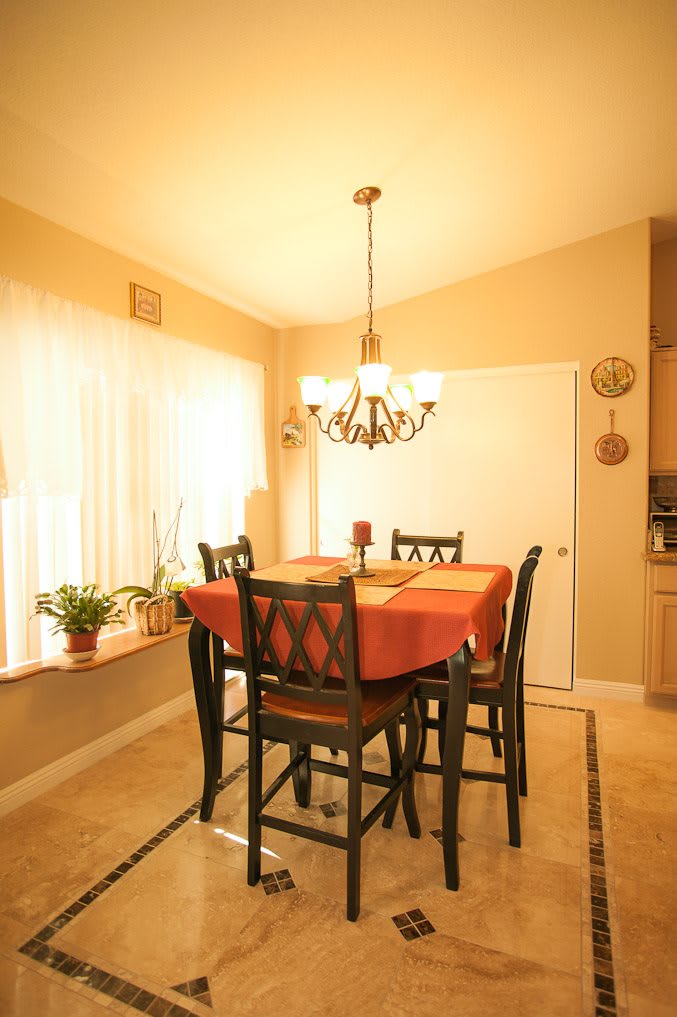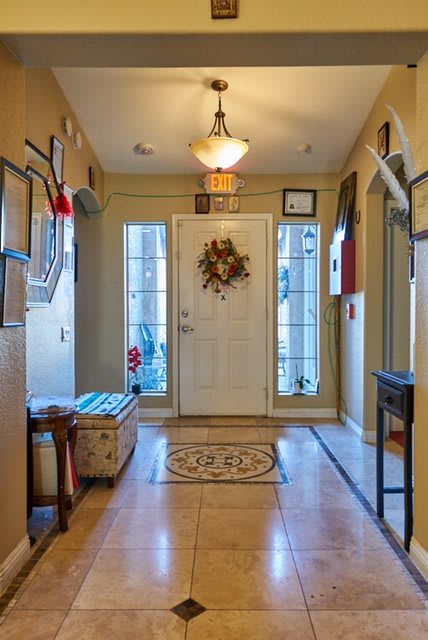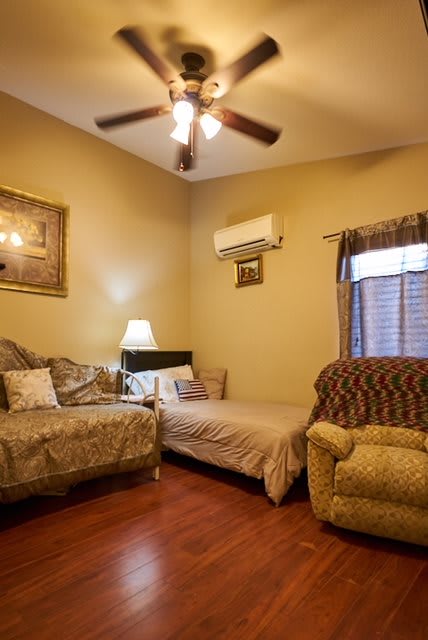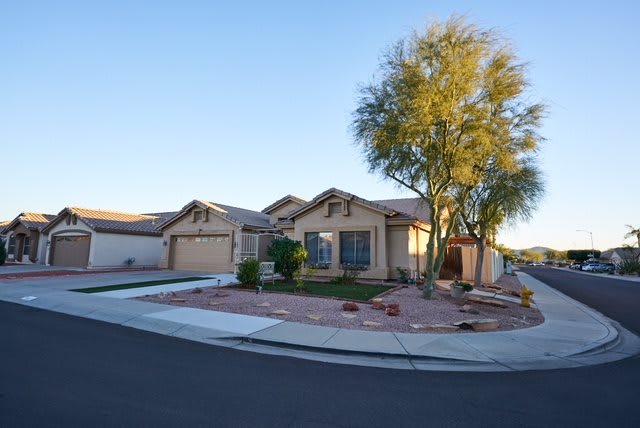






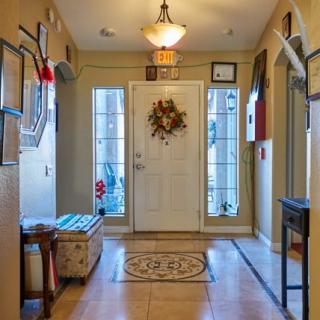


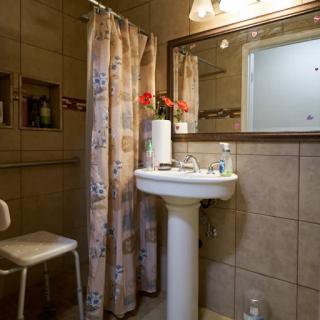
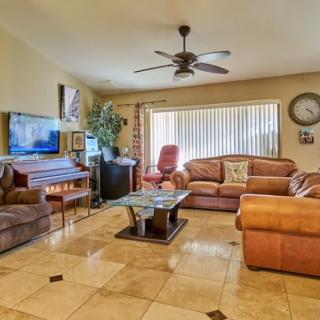
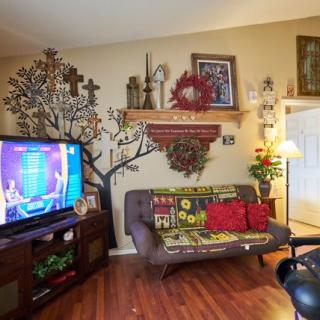
607 West Villa Rita Drive, Phoenix, AZ 85023
For more information about senior living options: (866) 208-4318
Adrian Assisted Living Costs & Pricing
Adrian Assisted Living offers competitive pricing for its services compared to both Maricopa County and the broader Arizona state averages. For semi-private rooms, residents at Adrian can expect to pay $2,200 per month, significantly lower than the county average of $2,801 and the state average of $2,820. Private rooms are similarly priced at $2,500, in contrast to the county's average of $3,318 and the state's average of $3,345. The value continues with one-bedroom accommodations and studio suites priced at $2,500 and $2,750 respectively - both below the county averages of $3,473 and $3,960. These figures highlight Adrian Assisted Living as a cost-effective option for those seeking high-quality assisted living without sacrificing comfort or care in Maricopa County and beyond.
| Floor plans | Adrian Assisted Living | Maricopa County | Arizona |
|---|---|---|---|
| Semi-Private | $2,200 | $2,801 | $2,820 |
| Private | $2,500 | $3,318 | $3,345 |
| 1 Bedroom | $2,500 | $3,473 | $3,532 |
| Studio | $2,750 | $3,960 | $3,829 |
Memory care communities with a similar price nearby
-
from +$300 / mo
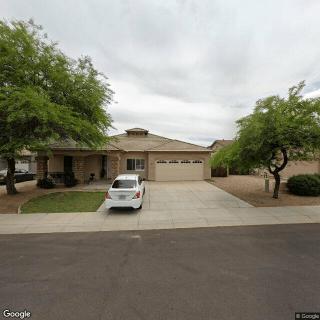
Anc Assisted Living Homes I
$2,500 to $3,500 / month21.6 miles away -
from +$300 / mo
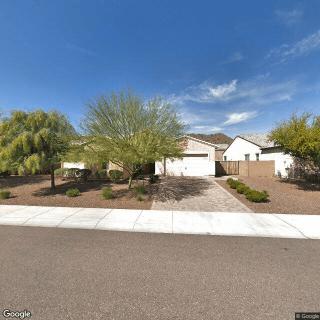
Northlands Assisted Living Home
$2,500 / month12.4 miles away -
from -$200 / mo
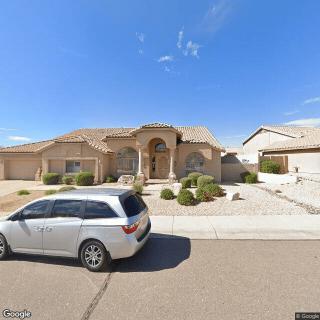
Tatum Ranch Assisted Living
$2,000 to $3,000 / month9.8 miles away -
from -$200 / mo
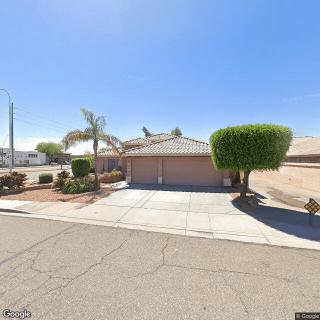
Angel's Adult Group Home
$2,000 to $3,000 / month24.5 miles away -
About the same

Windsor Luxury Assisted Living, LLC
$2,255 to $5,950 / month10.9 miles away
Overall Review of Adrian Assisted Living
Pros
 The environment is welcoming and family-owned, operated with care and compassion.
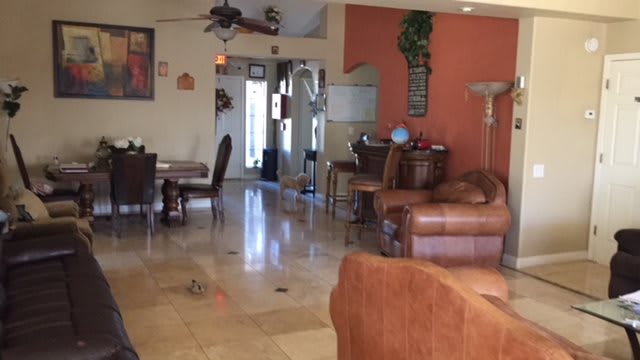
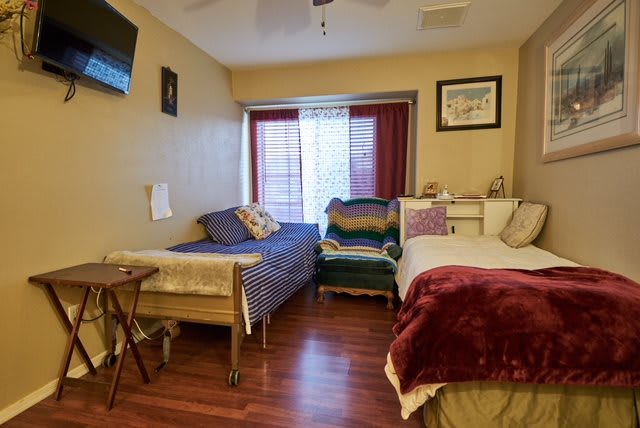
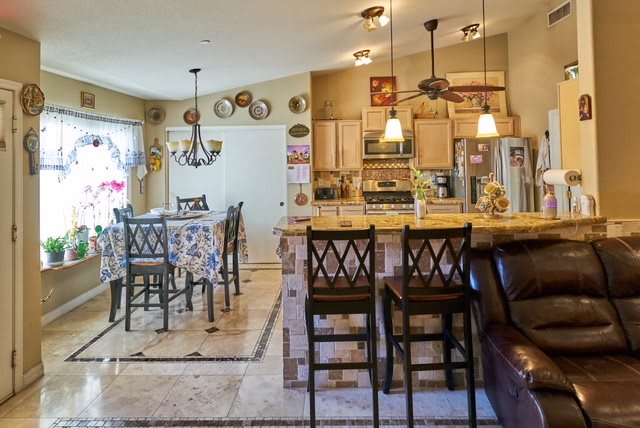
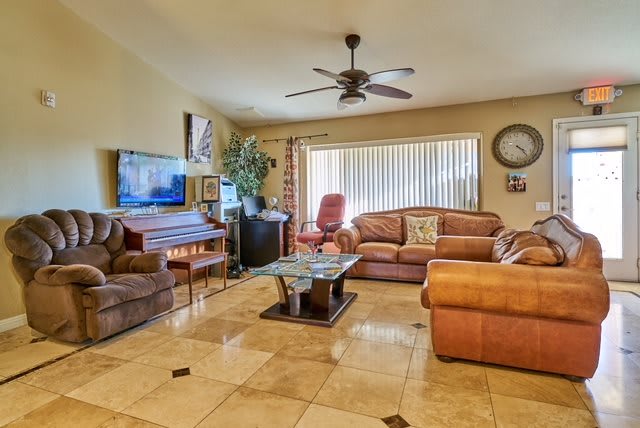
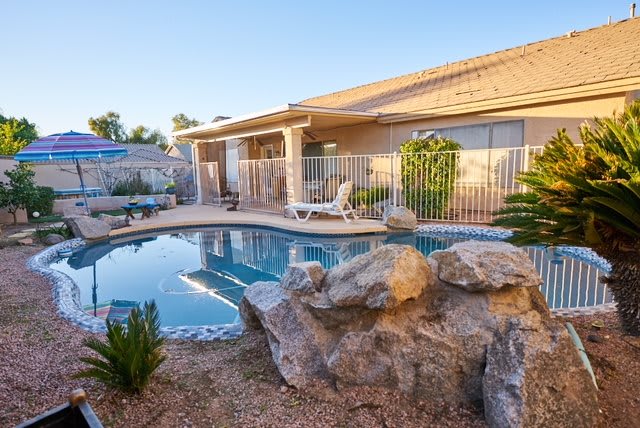
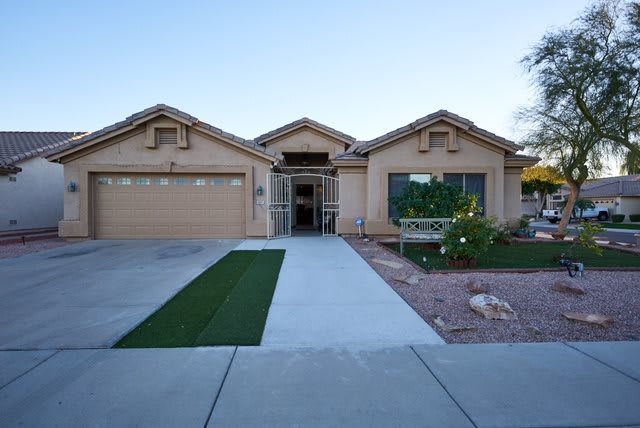
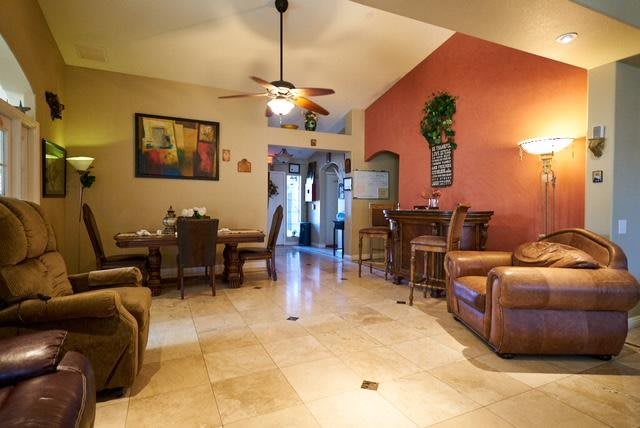
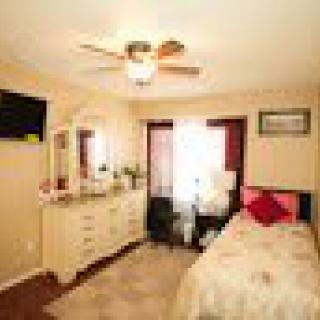
- The facility is absolutely gorgeous—vibrant, peaceful, and comfy with a modern twist and spacious, luxurious bedrooms.
- The homecare setting exudes beauty and a modern yet homey feel, with owners who have a big heart for the elderly.
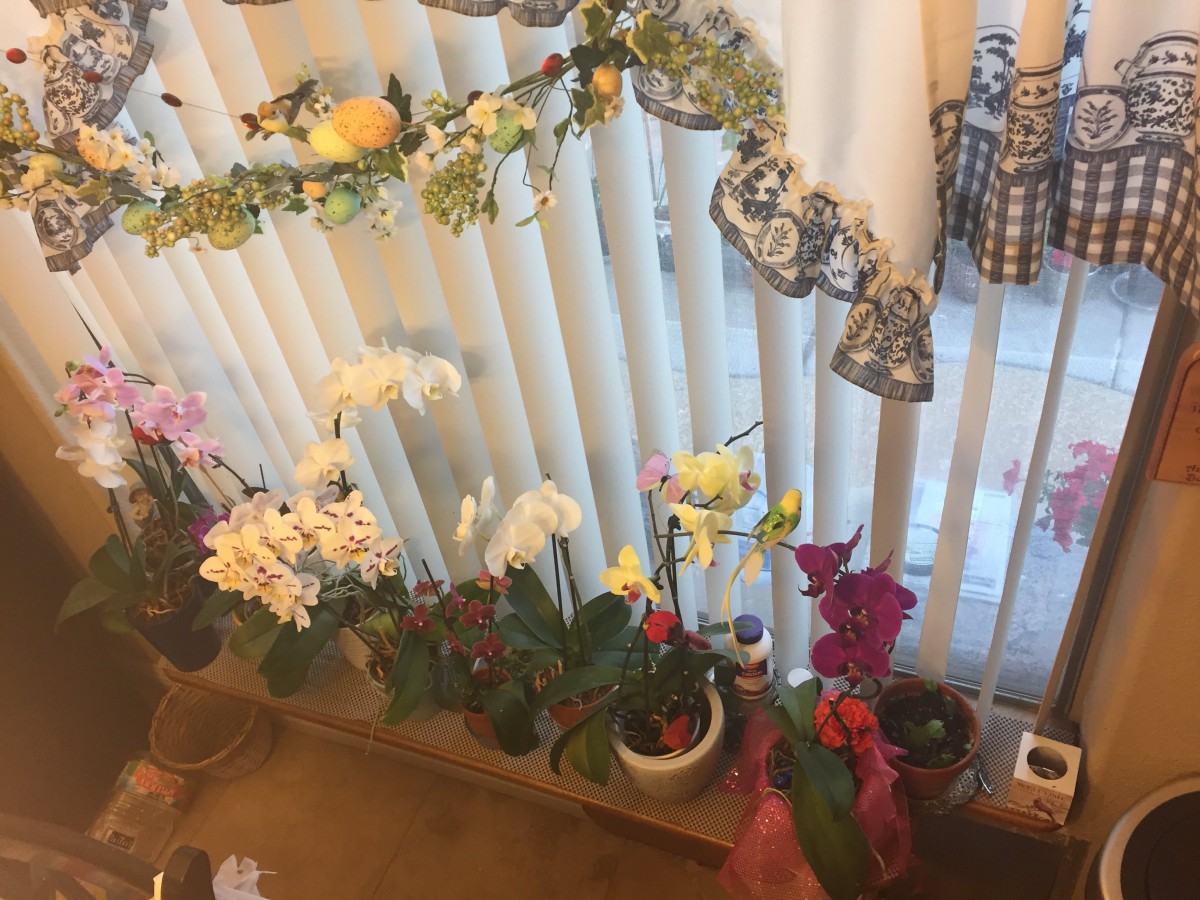
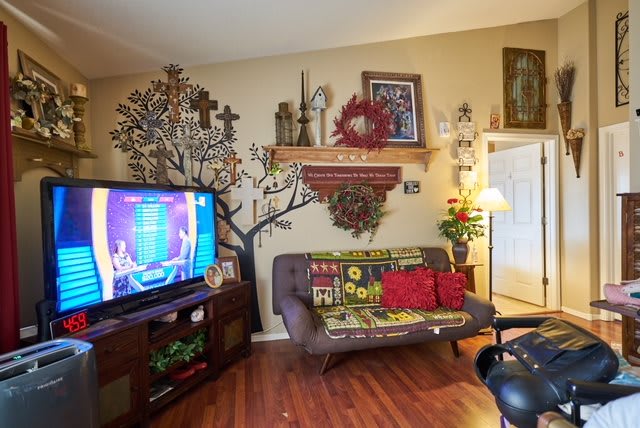
- The home is cozy, well-maintained, and radiates love, dignity, and professionalism.
- The owners are exceptionally kind and provide thorough, friendly tours of the home.
- The facility offers a great location, friendly staff, and abundant amenities.
Review
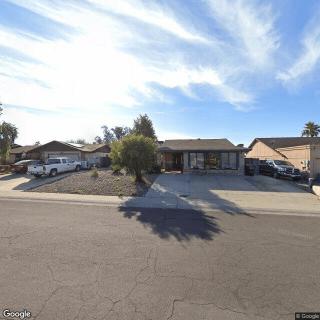
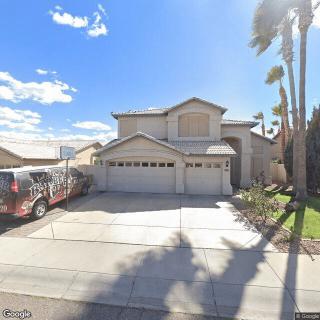
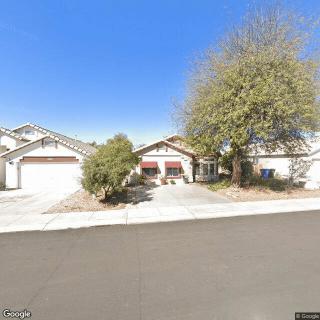
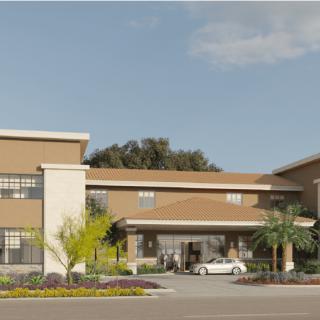
Adrian Assisted Living in Phoenix is best suited for families seeking a small, family-owned, care-centric setting where residents are treated as members of a loving household. It appeals to seniors who value warmth, dignity, and a home environment over a clinical, corporate atmosphere, and who appreciate well-appointed spaces, modern comforts, and the feeling that staff will go the extra mile. The emphasis on personal attention and a welcoming culture makes it a natural fit for residents who respond well to a close-knit staff, regular personal interactions, and an environment that feels more like a well-tended private residence than a large facility.
For families weighing options, this community may not be the ideal match for residents with complex medical needs requiring frequent on-site nursing, specialized memory care, or highly structured medical programming. Those seeking a large campus with extensive activities, clubs, and formal transport options might prefer a bigger operator with deeper clinical resources. If cost containment or a more standardized, policy-driven environment is important, other options with scale and centralized governance could offer different assurances. In short, those needing robust clinical oversight or expansive programming should explore other avenues.
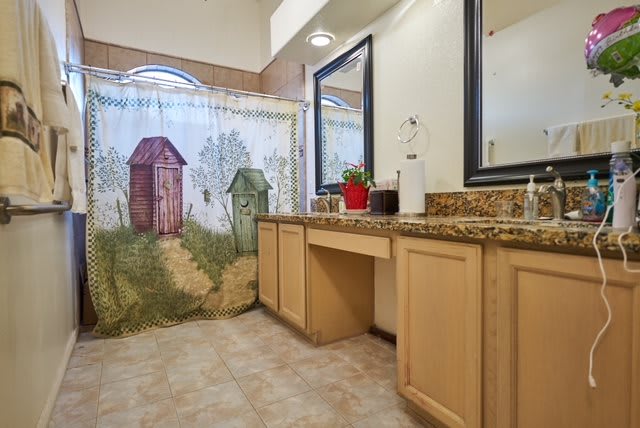
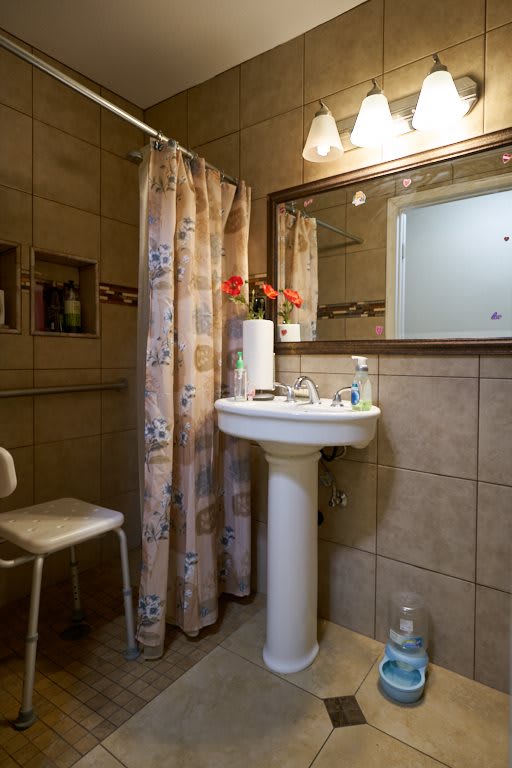
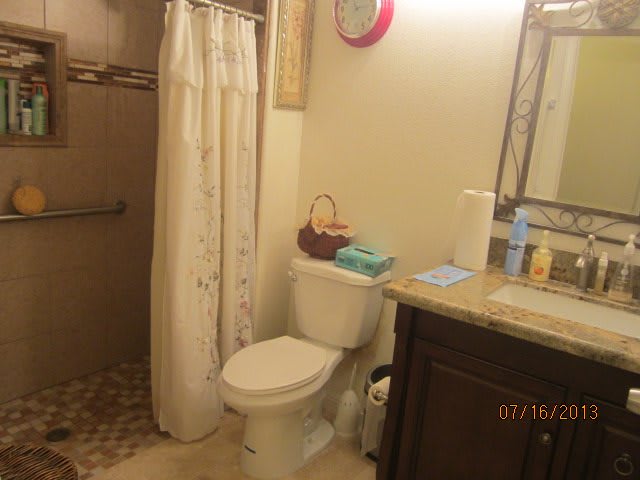
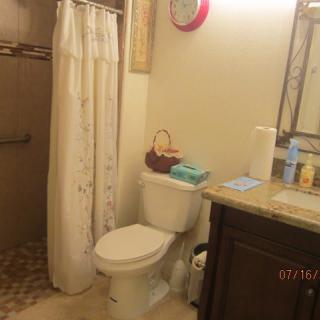
The strongest asset is the personal, family-owned approach. Reviews consistently highlight ownership’s dedication and a care ethos that treats residents like their own grandparents, supported by a staff culture built on warmth, respect, and hands-on attention. That depth of engagement compensates for a smaller footprint by delivering a sense of security, dignity, and belonging that can be hard to find in larger communities. The facility’s beauty, modern, spacious bedrooms, a spa-like area for personal grooming, and an especially large senior bathroom, translates into daily comfort that lowers the psychological burden of aging and makes routines feel less clinical. This intimacy often yields higher satisfaction for residents who thrive on meaningful, daily connections.
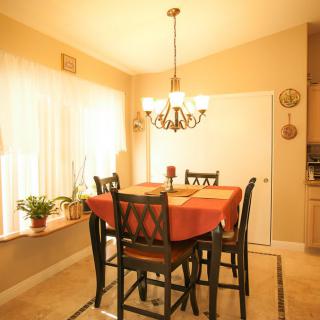
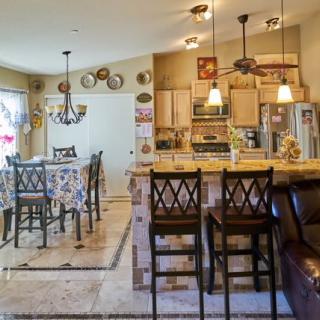
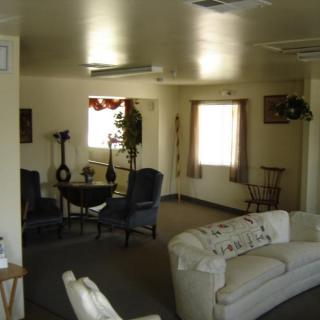
Beyond care philosophy, the tangible amenities and atmosphere reinforce the value proposition. The environment is described as vibrant yet peaceful, with a clean, well-organized setting and consistently friendly staff across a broad range of tasks. Aesthetic touches matter: a gorgeous, contemporary design, comfortable common areas, and a convenient location contribute to a quality of life that supports independence while providing visible support. Families seeking a home-like, respectful experience will appreciate how care is woven into everyday life rather than confined to scheduled hours. The dedication to dignity, paired with an inviting living space, helps residents feel valued rather than monitored.
Potential trade-offs are worth noting. The public conversations around Adrian Assisted Living do not state explicitly whether on-site nursing, medication management, or memory-care programming are guaranteed, so prospective families should verify clinical capabilities directly. For residents who depend on regular clinical oversight, this requires careful confirmation. Yet the evident commitment of owners and staff to hands-on, compassionate care often translates into thorough daily supervision and rapid response in emergencies. If those assurances align with the resident’s needs, the advantages, personalized attention, elevated living spaces, and a warm community, clearly outweigh the risks tied to a smaller operational footprint.
Bottom line: Adrian Assisted Living is best chosen by families prioritizing a heartfelt, high-touch care experience within a stylish, comfortable home. The combination of a family-run atmosphere, generous living spaces, and thoughtful amenities creates a compelling alternative to larger, more impersonal communities. Those who require robust clinical services or extensive memory-care infrastructure should verify offerings before committing. A visit should focus on meeting the owners, assessing the staff-to-resident dynamics, reviewing day-to-day routines, and confirming access to needed medical supports. When alignment exists, this community stands out as a practical, trustworthy choice that delivers dignity and everyday quality of life.
 10 resident community capacity
 Assisted Living
 Board and Care Home
 Day Program
 Memory Care
 Respite Care
 Air-conditioning
 Bath tubs
 Beautician on-site
 Cable or satellite TV
 Devotional services off-site
 Dining room
 Full kitchen
 Fully furnished
 Garden
 Housekeeping services
 Indoor common areas
 Move-in coordination
 Outdoor space
 Private
 Private bathrooms
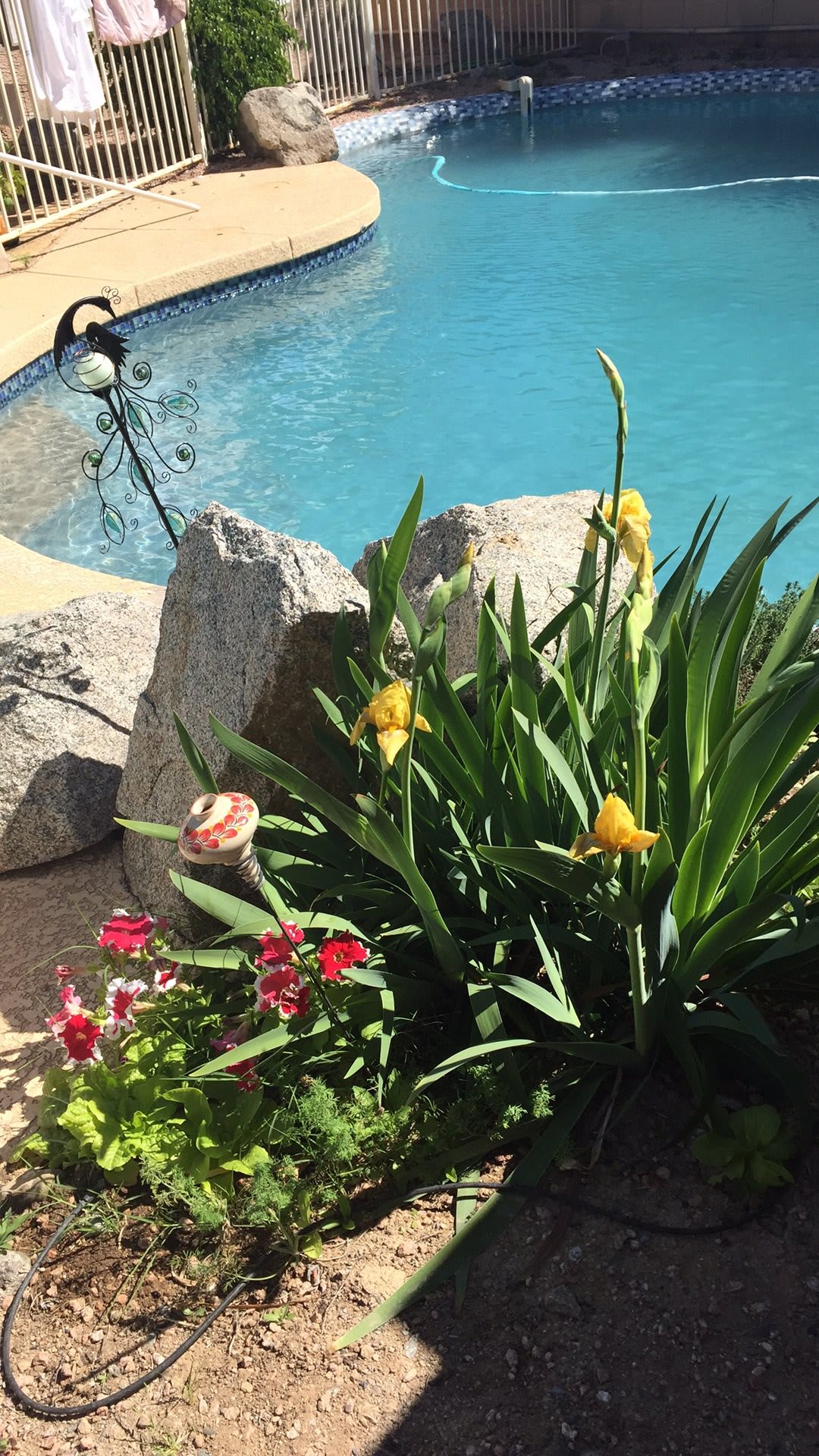
 Swimming pool / hot tub
 Telephone
 Wheelchair accessible showers
 Wi-Fi/high-speed internet available
 Phoenix Sky Harbor International (16 miles away)
 24-hour supervision
 Assistance with bathing
 Assistance with dressing
 Assistance with transfers
 Diabetes diet
 Diabetic care
 High acuity care
 Incontinence care
 Meal preparation and service
 Medication management
 Special dietary restrictions
 Transportation arrangement (medical)
 Transportation to doctors appointments
 BBQs or picnics
 Birthday parties
 Cooking classes
 Educational speakers / life long learning
 Live dance or theater performances
 Live musical performances

 A Thorough Discussion of Medications Potentially Linked to Dementia Risk
 Why Do Dementia Patients Sleep So Much? Understanding Oversleeping, Stages, and Care Approaches
 8 Key Indicators That Suggest It May Be Time to Transition from Assisted Living to Skilled Nursing Care