





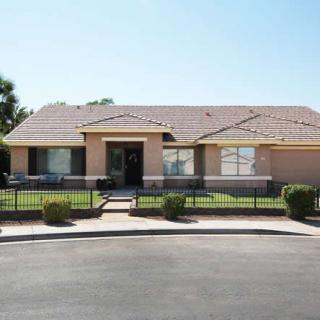



8411 E Culver, Mesa, AZ 85207
To contact a resident: (480) 688-4980
For more information about senior living options: (866) 208-4318
Red Mountain AL Homes, Inc #1 Costs & Pricing
Red Mountain AL Homes, Inc #1 offers competitive pricing for assisted living accommodations in comparison to the broader market in Maricopa County and the state of Arizona. With a monthly cost of $2,500 for semi-private rooms, Red Mountain provides a more affordable option than the county average of $2,801 and the statewide average of $2,820. Similarly, their private rooms are priced at $3,000, which is notably lower than both Maricopa County's average of $3,318 and Arizona's statewide average of $3,345. This positions Red Mountain AL Homes as an attractive choice for individuals seeking quality care without exceeding their budget in an increasingly challenging housing market.
| Floor plans | Red Mountain AL Homes, Inc #1 | Maricopa County | Arizona |
|---|---|---|---|
| Semi-Private | $2,500 | $2,801 | $2,820 |
| Private | $3,000 | $3,318 | $3,345 |
Senior living communities with a similar price nearby
-
from +$300 / mo

Pinnacle Peak Assisted Living
$2,800 to $3,100 / month22.2 miles away -
from +$125 / mo

The Eldercare Home Of Tempe
$2,625 to $3,412 / month15.7 miles away -
from +$450 / mo

Endeavor AL I
$2,950 to $4,200 / month22.8 miles away -
About the same

La Bella Vita ALH
$2,500 to $7,000 / month4.7 miles away -
from -$100 / mo
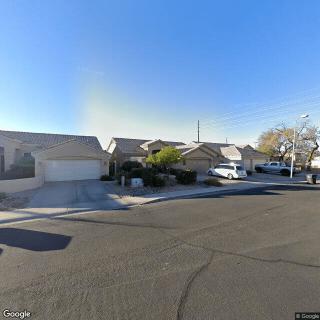
Golden Touch One Adult Care Home
$2,400 to $5,800 / month12.6 miles away
Overall Review of Red Mountain AL Homes, Inc #1
Pros
 Red Mountain Assisted Living works tirelessly to meet residents' needs, including continually adjusting the menu to suit their preferences and nutritional requirements.
- All medications are managed and administered by state-certified caregivers in strict compliance with local, state, and federal regulations.
- Resident well-being and comfort are taken seriously by Red Mountain Assisted Living.
- Red Mountain Assisted Living has proudly served the senior community in the East Valley for over 30 years, with a commitment to high standards of care.
- The staff are super friendly and very helpful.
- Yvonne is described as an amazing, kind, and understanding staff member.
- The staff care for each family member as if they were their own.
- The meals are highly regarded, and residents rave about them.
Cons
 It is not a place where a loved one should spend their last days.
- There were issues with dietary restrictions not being followed and meals not being balanced.
- There were incidents of medication being shared between residents.
- There were instances of verbal abuse of residents by staff.
- There were thefts of residents’ personal belongings.
- A resident was left on a commode for half an hour after calling for assistance.
- The review advises seeking a different facility to care for a loved one.
Review
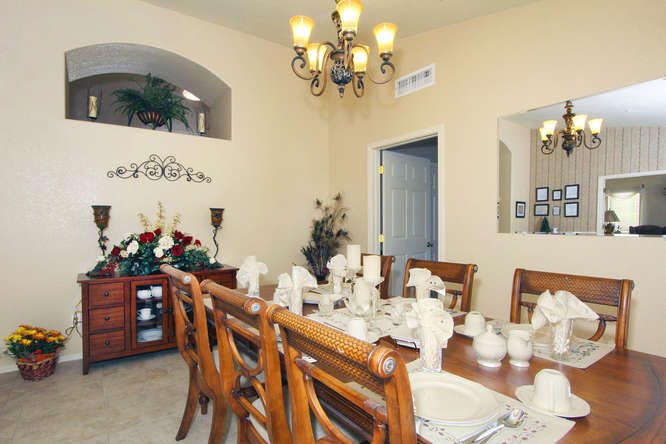
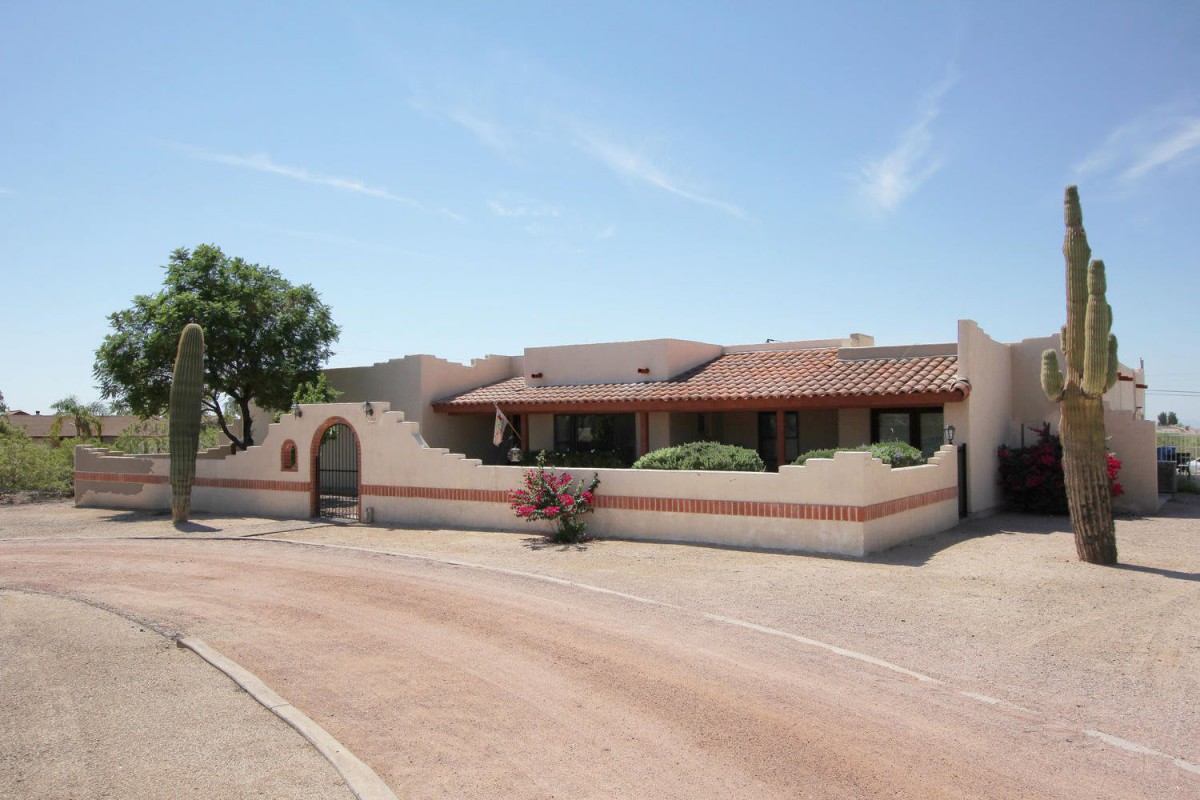
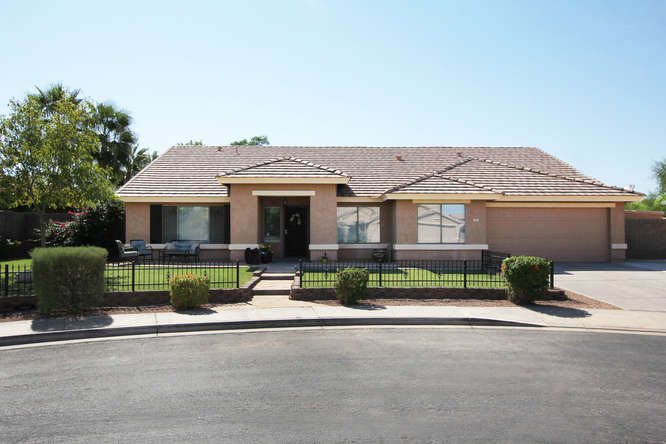
Red Mountain AL Homes, Inc #1 in Mesa is best suited for families that prize a warm, home-like setting, long-tenured staff, and solid medication oversight. The community’s three-decade footprint in the East Valley signals stability, predictable daily routines, and a culture that centers resident well-being. It serves seniors who want attentive, personalized care delivered by state-certified caregivers and who value a waitlist that reflects sustained demand and the team’s ongoing commitment. Those who treasure a personable atmosphere, clean surroundings, and a menu that can be adjusted to dietary needs will find this community a compelling fit. The pace is steady rather than clinical, with staff widely known to residents and families alike.
The strongest positives lie in dependable medication management, ongoing menu adjustments, and a responsive leadership presence. Careful oversight by qualified caregivers under local, state, and federal regulations provides a solid safety backbone, while kitchen staff regularly revises menus to meet nutritional requirements and resident tastes. Family testimonials highlight genuinely friendly, helpful staff who regularly go beyond basic duties to support both residents and their relatives. Cleanliness and orderly routines reinforce a sense of security, helping families feel confident about day-to-day life and the ability to handle emergencies without disruptive upheaval.
Yet multiple reviews flag serious gaps that cannot be ignored. Concerns include failure to follow dietary restrictions, instances of medication sharing between residents, verbal abuse, theft of personal belongings, and a resident left on a commode for an extended period. These aren’t minor snags; they touch directly on safety, dignity, and the trust families place in care teams. While such reports may not define the overall experience, they signal that lapses can occur, particularly during busy shifts or periods of staff strain. The existence of a waitlist does not erase risk; it often points to demand rather than flawless execution.
In response, the facility presents a clear corrective framework: medications are administered by state-certified staff within strict regulatory boundaries, and management asserts that concerns are promptly addressed through additional hospitality training or, when necessary, personnel changes. This indicates a structured approach to accountability and ongoing improvement, which can mitigate recurrence of the more troubling reports. For families, the critical question becomes whether leadership visibility and documented processes translate into consistent practice on the floor. The assurance of governance-level remedies is meaningful, but it warrants verification during tours and direct conversations with frontline caregivers.
Food and dining emerge as a nuanced area. Several residents and families praise meals as tasty and comforting, noting relief from shopping, cooking, and meal preparation for loved ones. However, other reviews urge more consistent adherence to dietary restrictions and a broader, more familiar menu variety. The kitchen appears willing to adjust, but taste and dish variety do not always align with every palate. This is a tangible axis of quality that families should probe, request a current menu, observe meal service, and, if possible, sample dining experiences to verify alignment with expectations.
For decision-makers, this community represents a solid option for families seeking dependable oversight, a long-standing, compassionate staff, and a home-like atmosphere that minimizes institutional stiffness. It is less suitable for those requiring absolute safety certainty, zero tolerance for any staff-related concerns, or strict, unyielding dietary control. The pros, medication safety, responsive menu adjustments, and a caregiver-driven culture, often offset the downsides when leadership demonstrates consistent, undeniable commitment to improvement. Prospective movers should request recent incident logs, insist on transparent demonstrations of dietary accommodations, and observe dining operations closely to ensure the environment matches the level of care sought.
 Board and Care Home
 Cats allowed
 Dogs allowed
 Private
 Private bathrooms
 Respite or short term stays offered
 Phoenix Sky Harbor International (21 miles away)
 Diabetic care
 High acuity care
 Christian services

 Navigating Medicare Coverage for In-Home Care Services
 In-Home Care Costs in 2025: A Detailed State-by-State Exploration
 Understanding Home Health Care: A Comprehensive Guide