
2042 North 76Th Street, Mesa, AZ 85207
For more information about senior living options: (866) 208-4318
Overall Review of Country Estates Assisted Living Homes I
Pros
 The group home is filled with love and excellent care.
- There is no better place for care and comfort.
- The home is a lovely, family-run setting that provides a personal atmosphere.
- In two weeks, the elderly parents showed improvement, with the father gaining more interaction and the mother receiving instant personalized service.
- The whole family is very loving toward the parents.
- The father has been cared for at Country Estates Assisted Living Homes since April 2009, receiving exceptional daily care and one-on-one attention.
- He is healthier now than when he moved in, and families trust Country Estates with their loved one’s health and well-being.
- Country Estates is more affordable than other assisted living options.
Review
Country Estates Assisted Living Homes I in Mesa is best suited for seniors who thrive in a small, family-run atmosphere where daily life feels like a home rather than a facility. This community works exceptionally well for elders who benefit from intimate, one-on-one attention, a low-key pace, and a strong sense of belonging. It is especially compelling for residents who may have dementia or limited physical activity but still crave interaction, purpose, and personal service. Families looking to maximize value without sacrificing warmth will find it appealing, as the model emphasizes personal connections, regular celebrations, and a home-style routine that many larger communities simply cannot replicate.
Those weighing alternatives should consider options if the priority is a more traditional, institution-like setting with broader medical services or a larger network of care resources. For seniors who require substantial on-site skilled nursing, highly specialized memory-care programs, or extensive rehabilitation services, a bigger community with more formal staffing may be warranted. Likewise, families needing extensive transportation, highly structured activity calendars, or a wide array of on-site amenities might prefer facilities designed around a larger resident population. In short, this home shines for personal care and closeness, while alternatives may better serve needs that demand comprehensive clinical oversight.
The strongest pros are the unmistakable one-on-one attention and the family-centric culture. Residents receive daily, individualized care that translates into tangible health benefits and a noticeable sense of purpose, particularly for those living with dementia or mobility challenges. Reviews highlight a staff that feels like extended family, loving, patient, and consistently engaged with each resident’s day. The environment encourages participation in special occasions and everyday interactions, which, in turn, supports emotional well-being and stability. Importantly, this intimate setting is also described as more affordable than comparable options, a meaningful consideration for families balancing care quality with budget realities.
Those advantages offset several potential drawbacks by delivering outcomes that matter to families: reduced anxiety about incidental issues, trust in the caregivers, and a model that adapts quickly to individual preferences. The small-scale format means routines can be adjusted promptly to suit changing needs, and family members often feel deeply connected to the daily care plan. While the setting may lack the breadth of services found in larger communities, the depth of personal attention often translates into fewer hospital visits, more consistent monitoring of day-to-day health, and a sense of continuity that offsets gaps in formal clinical resources. Affordability also means that meaningful care does not have to be sacrificed for the sake of a “premium” facility experience.
Evaluating this community should focus on fit as much as on price. Prospective families should observe the level of warmth and consistency in staff interactions, the ease of visiting, and the degree to which residents are engaged in purposeful activities. Ask about staff-to-resident ratios, the availability of on-site nursing or visiting medical professionals, and how care plans are updated as a condition evolves. It is prudent to inquire about respite or short-term stays, what is included in the stated affordability, and how celebrations or social events are integrated into weekly routines. The right fit will align with expectations for a familial, home-style environment that still respects safety and basic medical oversight.
Ultimately, Country Estates Assisted Living Homes I stands out for families prioritizing authentic connection, personal accountability, and an affordable route to quality daily care. It delivers a proven, caring atmosphere where residents show health markers and mood improvements through meaningful interaction and individualized service. For seniors whose needs are anchored in intimate attention, purposeful engagement, and predictable routines, this option is hard to beat. If the resident requires extensive, on-site medical complexity, or demands the scale and breadth of a larger campus, alternatives should be on the table. In the right circumstances, the advantages here translate into a safer, happier, and more dignified elder years.
 10 resident community capacity
 Assisted Living
 Board and Care Home
 Respite Care
 Cable or satellite TV
 Dining room
 Fully furnished
 Garden
 Housekeeping services
 Move-in coordination
 Outdoor space
 Telephone
 Wi-Fi/high-speed internet available
 Phoenix Sky Harbor International (20 miles away)
 24-hour supervision
 Activities of daily living assistance
 Assistance with bathing
 Assistance with dressing
 Assistance with transfers
 Diabetes diet
 Meal preparation and service
 Medication management
 Special dietary restrictions
 Transportation arrangement (medical)
 Transportation to doctors appointments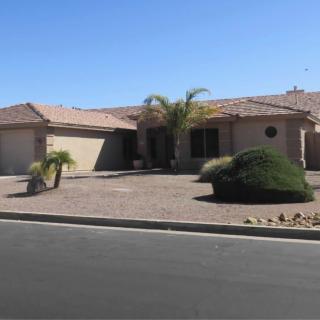


 Medicare Coverage for Assisted Living: An In-Depth Exploration
 Choosing the Right Senior Care: A Detailed Exploration of Assisted Living and Nursing Homes
 Understanding the True Cost of Assisted Living in 2025: A Comprehensive Guide