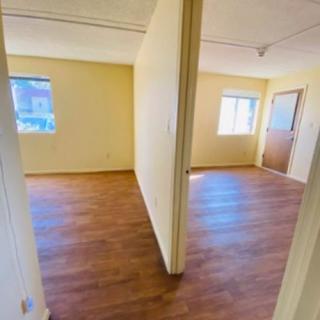
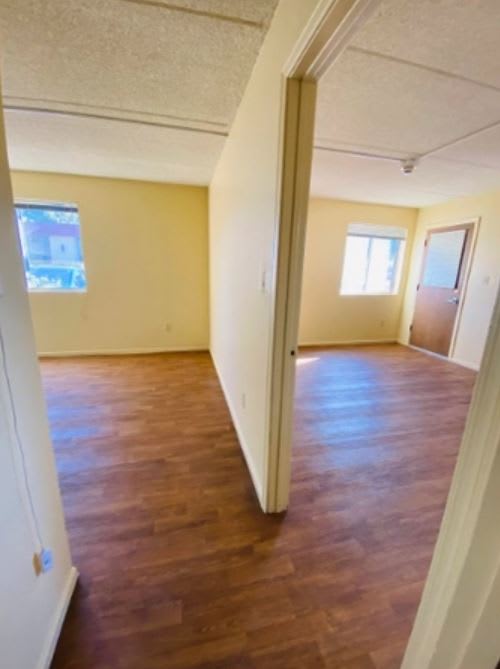


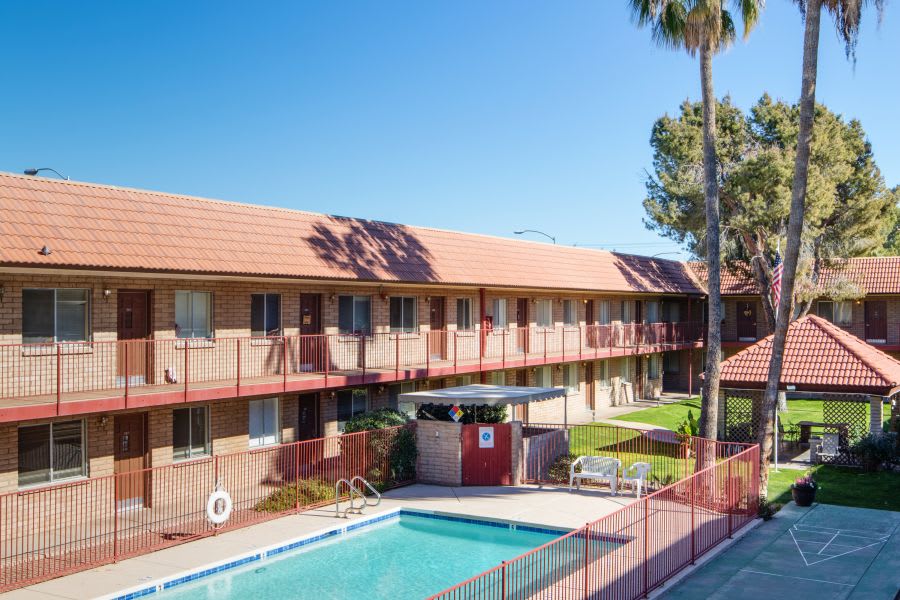
215 W. Brown Road, Mesa, AZ 85201
To contact a resident: (480) 833-3988
For more information about senior living options: (866) 208-4318
Mesa Christian Residential Care Center Costs & Pricing
Mesa Christian Residential Care Center offers competitive pricing for its services when compared to the broader market in Maricopa County and the state of Arizona. For instance, the monthly cost for a studio apartment is $2,040, significantly lower than the county average of $3,960 and the state average of $3,829. Similarly, one-bedroom accommodations are priced at $2,300, which again stands in stark contrast to Maricopa County's rate of $3,473 and Arizona's statewide cost of $3,532. Even two-bedroom units at Mesa Christian are offered at a reasonable $2,600 compared to $4,112 in the county and $4,106 statewide. This pricing structure highlights Mesa Christian's commitment to providing affordable yet high-quality residential care options for those in need.
| Floor plans | Mesa Christian Residential Care Center | Maricopa County | Arizona |
|---|---|---|---|
| Studio | $2,040 | $3,960 | $3,829 |
| 1 Bedroom | $2,300 | $3,473 | $3,532 |
| 2 Bedrooms | $2,600 | $4,112 | $4,106 |
Assisted Living communities with a similar price nearby
-
from +$360 / mo

Arabian Views Assisted Living One
$2,400 to $3,200 / month16.0 miles away -
About the same

Angel's Adult Group Home
$2,000 to $3,000 / month12.3 miles away -
About the same

Divine Mercy Assisted Living Home
$2,005 to $3,110 / month13.8 miles away -
from +$215 / mo

Windsor Luxury Assisted Living, LLC
$2,255 to $5,950 / month9.8 miles away -
from +$185 / mo

Harts Home - Exceptional Elder Care
$2,225 to $5,500 / month10.5 miles away
Overall Review of Mesa Christian Residential Care Center
Pros
 Management really cares about the residents.
- The staff creates a loving atmosphere on the property.
- The manager leads a great team.
- The service is amazing.
- Management is awesome.
- They take great care of residents.
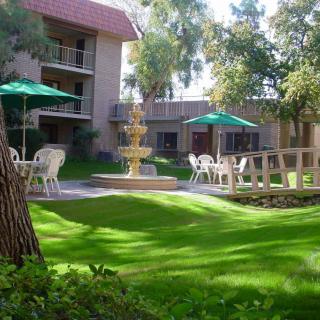
- The community is welcoming and well-crafted.
Cons
 They are unhappy that residents' diets are not being followed.
- They question what residents are paying for with the charges or their insurance.
- They expect quality care, respect, and knocking before entering residents' apartments; they view staff disrespect toward any client as unacceptable.
- They believe this level of care is unacceptable, even with extensive experience in the nursing field.
Review
Mesa Christian Residential Care Center is best suited for families that want a small, homey setting in which leadership is visible and care feels personal. The strongest asset is a palpable sense of warmth , staff and managers who seem to know residents by name, attend to daily routines with care, and foster a community feel that reduces the isolation common in senior living. When this atmosphere works, it creates reliable daily rhythms, regular check-ins, and a feeling that residents are truly valued. That said, there are caution flags: at least one reviewer flagged concerns about dietary adherence, respect, and privacy around entering a resident’s apartment. For families prioritizing relational warmth and consistent day-to-day humanity, this is a compelling fit; for those who cannot compromise on strict dietary protocols or on unambiguous professional boundaries, it warrants careful scrutiny.
Who may want to consider alternatives? Those with non-negotiable dietary requirements should tread carefully. The review noting dietary practices not being followed , particularly for residents with specific religious or cultural diets , signals a potential misalignment with families that need strict menu fidelity. Similarly, concerns about privacy and how staff interact with residents , such as knocking before entering doors , point to a boundary standard that some families may require and may not consistently see here. If medical acuity, frequent nursing oversight, or rigid professional boundaries are essential, another option with more explicit protocols and staffing rigidity likely fits better.
On balance, the strongest offset to these potential downsides is management’s demonstrated commitment and the sense of community. Multiple commenters describe a manager who genuinely cares and a team that feels cohesive and devoted. That leadership translates into dependable problem-solving, responsive service, and routines that feel predictable and reassuring for families. When care feels personal and residents appear to be thriving under attentive leadership, these positives can substantially mitigate concerns about nonessential issues. In short, where the care philosophy aligns with family values, the warmth and reliability of management can carry the day.
A practical vetting path during visits should focus on concrete policies and daily realities. Families should request a current menu and ask how dietary restrictions are handled, including kosher or other religious accommodations, substitutions, and how meals are monitored for nutritional balance. Clarify entry practices to protect privacy: is staff required to knock, announce themselves, and document who enters a resident’s apartment? Speak with several residents about their daily routines, especially meal times, staff interactions, and any consistency in caregiving attitudes. A transparent plan addressing dietary needs and respectful, privacy-conscious care can significantly reduce the risk of future disappointment.
When weighing alternatives, Mesa Christian Residential Care Center likely appeals to those prioritizing an intimate, community-driven environment over the scale and polish of larger campuses. If the loved one’s needs lean toward higher clinical oversight, or if there is a premium on rigorous adherence to dietary protocols and professional boundaries, families should compare with other options that emphasize stronger nursing staffing and formal dietary programs. The essential test is whether menus, staff training, and daily conduct meet a family’s exacting standards. Gather recent references, observe how leaders interact with residents, and verify how consistently dietary and privacy expectations are upheld.
In the end, this community represents a practical, compassionate home for families who value warmth, visible leadership, and a sense of belonging. The determining factor is the reliability of dietary practices and the dignity of daily interactions. If those elements can be guaranteed or realistically managed with family oversight, Mesa Christian Residential Care Center delivers a meaningful, comforting living environment that can meaningfully enrich a loved one’s daily life. If not, explore alternatives that offer tighter dietary control and clearer professional boundaries. The prudent approach is a thorough visit: inspect menus, discuss dietary assurances, speak with residents, and secure direct references. Then decide not by the glow of a tour, but by the steadiness of meals, the consistency of respectful treatment, and the continuity of daily life.
 Assisted Living
 Activities on-site
 Devotional services off-site
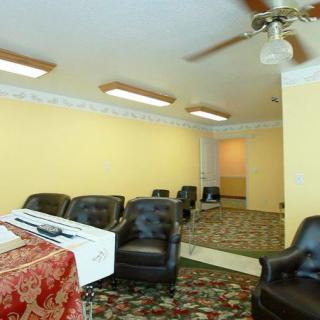
 Indoor common areas
 Respite or short term stays offered
 Phoenix Sky Harbor International (10 miles away)
 Ambulatory care
 Diabetic care
 High acuity care
 Incontinence care
 Medication management
 Meals provided


 Understanding the Distinctions: Assisted Living and Memory Care Explained
 Guiding Elderly Parents Who Refuse Assisted Living: 6 Practical Steps
 Your Comprehensive Guide to Luxury Assisted Living: Elevated Facilities, Amenities, and Costs