
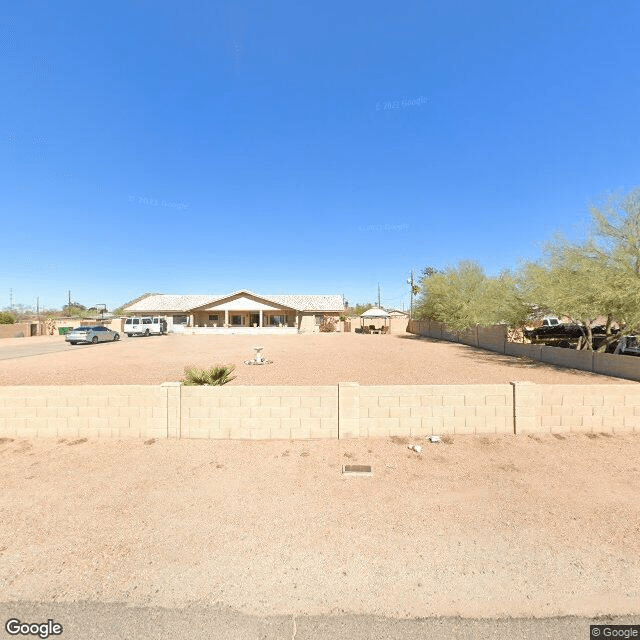
9138 E Dennis Street, Mesa, AZ 85207
To contact a resident: (480) 357-4321
For more information about senior living options: (866) 208-4318
Golden Years Adult Care Home Costs & Pricing
Golden Years Adult Care Home offers competitive pricing for its care services when compared to regional and state averages. For a semi-private room, the monthly cost is set at $3,000, which is notably higher than the Maricopa County average of $2,801 and the state average of $2,820. In contrast, residents opting for a private room will pay $4,000 per month - again exceeding both the county's average of $3,318 and the state's average of $3,345. While these rates are elevated relative to local benchmarks, they reflect the personalized care and supportive environment provided at Golden Years Adult Care Home.
| Floor plans | Golden Years Adult Care Home | Maricopa County | Arizona |
|---|---|---|---|
| Semi-Private | $3,000 | $2,801 | $2,820 |
| Private | $4,000 | $3,318 | $3,345 |
Senior living communities with a similar price nearby
-
from -$200 / mo
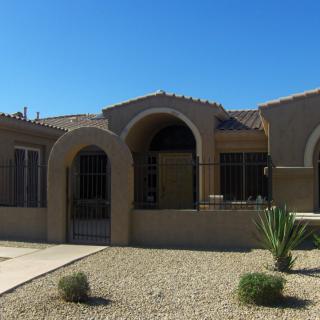
Pinnacle Peak Assisted Living
$2,800 to $3,100 / month24.5 miles away -
from -$375 / mo

The Eldercare Home Of Tempe
$2,625 to $3,412 / month15.9 miles away -
About the same
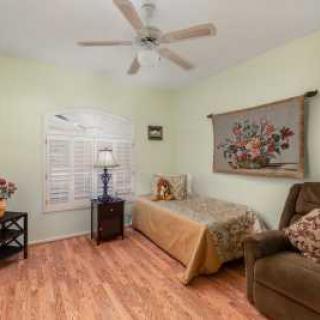
Endeavor AL I
$2,950 to $4,200 / month25.0 miles away -
from +$500 / mo
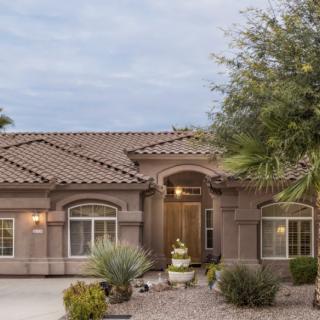
Endeavor AL II
$3,500 to $4,000 / month24.3 miles away -
from -$500 / mo
La Bella Vita ALH
$2,500 to $7,000 / month3.0 miles away
Overall Review of Golden Years Adult Care Home
Pros
 The staff is clearly engaged and attentive.
- Residents are actively participating in bingo, staying stimulated.
- The patio is nice with interesting planting.
- There is 24-hour awake staff on duty.
- Records are tidy and well organized.
- Staff members know the protocols.
- Laundry is discretely handled by residents, with garments hung according to fabric.
Cons
 Big -old -dark home.
- Seedy part of Mesa.
Review
Golden Years Adult Care Home in Mesa is best suited for families prioritizing safety, strict daily structure, and reliable, hands-on supervision over upscale amenities. It serves seniors who benefit from close oversight, predictable routines, and a caregiver-driven environment where protocols and meticulous records are the norm. Social programming is visible and consistent enough to keep residents engaged, with activities like bingo forming a steady core of daily life. This is a practical choice for those who want a contained, calm setting that emphasizes discipline and safety rather than a polished, resort-like atmosphere. Those seeking cutting-edge interiors, a more vibrant neighborhood, or specialized memory-care programming should consider alternatives.
On the upside, the care model is unmistakably thorough. Staff presence is evident and engaged, and residents participate in organized, supervised activities that provide needed stimulation. Cleanliness and organizational discipline are consistently highlighted, backed by tidy records and clear protocols that translate into reliable daily operations. The ability to respond quickly appears baked into the routine, with 24-hour awake staffing noted as a reassuring safeguard. Personal belongings receive careful handling, laundry is discreet, and garments are hung with attention to fabric, an indicator that staff respect residents’ possessions. Outdoor spaces, including a pleasant patio and intentional planting, add a modest but meaningful touch of comfort to daily life.
However, the facility’s aesthetic and situational drawbacks cannot be ignored. The building’s age and a “big old dark home” feel create a sense of institutionalism that may feel less welcoming to families seeking a warmer, more homelike ambiance. Descriptions of the surrounding neighborhood as seedy can give pause for those who prioritize a safer, more upscale immediate environment or easier access to neighborhood amenities. The combination of dated décor and a contained footprint may translate into a sense of limited privacy and less personal expression in room layouts and common areas. For some, these factors will significantly outweigh the positives of oversight and programming.
That said, the core strengths do counterbalance several of these concerns. The strongest pro, robust supervision paired with a culture of cleanliness and task-focused care, contributes directly to safety and predictable care, important for frail seniors or families with high concern about responsiveness. The visible social programming helps mitigate the risk of isolation, while disciplined records reduce miscommunication and errors. Residents’ belongings are treated with care, and the overall operational tone conveys reliability. For families prioritizing safety, consistent routine, and clear accountability, these elements can outweigh an older interior or less dynamic location.
Alternatives should be weighed for anyone who places a premium on a brighter interior, a more expansive social ecosystem, or greater proximity to urban amenities. Larger, newer communities often offer more dining variety, spa-like wellness options, and busier off-site activity calendars that some residents find energizing. If a modern aesthetic, a broader array of services, or a more varied neighborhood experience is non-negotiable, those options can deliver a better match. Golden Years offers a solid, no-nonsense package; others may deliver the contemporary ambience and broader community life that some families expect from an assisted-living investment.
Practical next steps are clear. Visit at different times of day to observe staff responsiveness and resident interactions, and request current activity calendars, dining options, and medication management procedures. Verify what 24-hour awake staffing looks like in practice and how emergencies are handled after hours. Inquire about room personalization, privacy measures, and how laundry and belongings are managed over extended stays. Clarify pricing, contract terms, and how care plans adapt as needs evolve. If safety, disciplined operation, and consistent social programming top the priority list, Golden Years should be seriously considered; if a brighter ambiance, modern amenities, or a livelier neighborhood are essential, it remains prudent to explore alternatives before making a final commitment.
 Board and Care Home
 Activities off-site
 Devotional services off-site
 Indoor common areas
 Outdoor common areas
 Private
 Private bathrooms
 Respite or short term stays offered
 Wheelchair accessible showers
 Phoenix Sky Harbor International (22 miles away)
 Diabetic care
 High acuity care
 Incontinence care
 Meals provided
 Adventist services
 Buddhist services
 Islamic services

 Ten Vital Duties of a Senior Caregiver: A Comprehensive Guide
 9 Stimulating Memory Activities for Seniors: Puzzles, Cards, and Much More
 Managing Nursing Home Expenses After Medicare Coverage Ends