
434 East Ivy Street, Mesa, AZ 85203
For more information about senior living options: (866) 208-4318
Overall Review of Family Care Homes Ivy House
Pros
 He loves it.
- They take wonderful care of him.
- The staff is kind.
- The house is nice.
- The food and interaction with others is great.
Review
Family Care Homes Ivy House in Mesa is best suited for seniors who want an intimate, home-like setting where care is highly personalized and daily life unfolds in a small, neighborly environment. The model works best for residents who thrive on consistent, one-on-one attention from staff, easy access to companionship, and meals and routines that feel familiar rather than institution-like. The experiences shared by families point to a strong sense of warmth, dependable support, and a living arrangement that prioritizes comfort and connection over grandeur. A 99-year-old resident residing there is described as thriving, with caregivers delivering attentive care in a setting that feels more like family than a typical assisted-living campus.
Those who may want to consider alternatives include seniors who require robust, high-acuity medical supervision or which demand a large, structured activity calendar and a broad array of on-site therapies. Families seeking a bustling, campus-scale environment with extensive rehabilitation services, or on-site specialists and multi-disciplinary teams, may find the smaller house format limiting. For residents who need intensive memory-care programs, scheduled transportation across a wide network of venues, or highly formalized programming, Ivy House might fall short of expectations. In short, this setting shines for intimate caregiving and social warmth, but not for high-volume clinical care or large-scale programming.
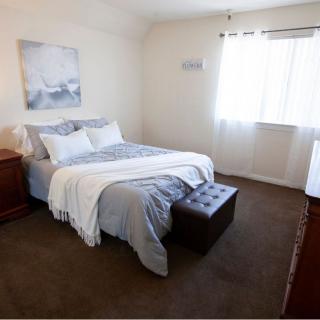
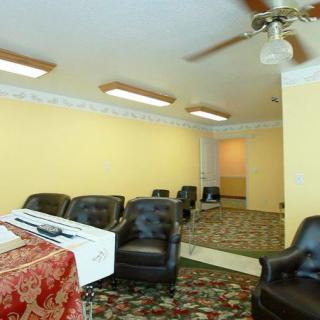
The strongest pros center on people and place. The staff are consistently described as kind and attentive, and the care provided is noted as wonderful. The house itself comes across as pleasant and homey, contributing to a sense of safety and comfort that matters deeply to families evaluating daily life for an aged loved one. Food and opportunities for interaction with others are highlighted as meaningful benefits, enhancing quality of life and reducing isolation. These positives collectively create a favorable balance: the intimate scale and staff warmth offset the absence of a larger, more formal care ecosystem, yielding daily life that feels manageable, reassuring, and socially satisfying.
In practice, the home-like environment translates into genuine routines, familiar mealtime dynamics, and opportunities to socialize in small, manageable settings. Residents can expect regular interaction with caregivers who know their preferences, routines, and needs, which translates into fewer emergencies and less stress about daily care. The social dimension, shared meals, small-group conversations, and neighborly activities, appears to be a meaningful anchor for morale and mental well-being. For families weighing where to place someone who esteems personal attention and gentle, predictable days, the positives here are not merely appealing; they are decisive factors that translate into real improvements in everyday living.
Nevertheless, the evidence base includes at least one negative review, signaling that there are considerations worth testing directly with Ivy House before making a final commitment. Prospective families should verify staffing levels and availability, confirm how medication management and medical oversight are handled, and ask for a clear outline of emergency procedures and transportation options. In addition, inquire about the range and cadence of activities, memory-support options if needed, and how care plans are updated as a resident’s needs evolve. A candid visit, with questions focused on these operational touchpoints, will reveal how well the home’s strengths translate into sustained, high-quality daily care.
The bottom-line recommendation is practical and decisive: Ivy House is a strong match for families prioritizing a warm, home-like atmosphere, close caregiver relationships, and meaningful social interaction for an elderly loved one who does not require extensive on-site medical services. It is less suitable for those needing intensive clinical oversight, large-scale programming, or highly specialized memory-care protocols. For families leaning into the comfort, dignity, and personal attention of a small residential care setting, Ivy House should be on the short list. For others, especially those prioritizing breadth of medical resources and formal programming, exploring larger assisted-living communities or memory-care-focused options is advisable. A direct tour, coupled with targeted questions about care plans, staffing, and immediate needs, will determine the fit with clarity and confidence.
 10 resident community capacity
 Assisted Living
 Board and Care Home
 Respite Care
 Cable or satellite TV
 Dining room
 Fully furnished
 Garden
 Housekeeping services
 Move-in coordination
 Outdoor space
 Telephone
 Wi-Fi/high-speed internet available
 Phoenix Sky Harbor International (11 miles away)
 24-hour supervision
 Activities of daily living assistance
 Assistance with bathing
 Assistance with dressing
 Assistance with transfers
 Diabetes diet
 Meal preparation and service
 Medication management
 Special dietary restrictions
 Transportation arrangement (medical)
 Transportation to doctors appointments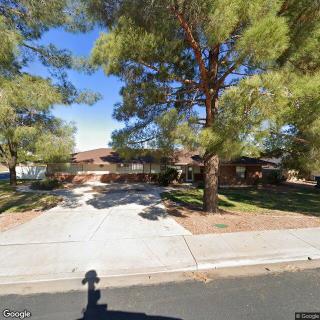





 Beyond the Bingo Hall: 50+ Enriching Activities for Seniors in Assisted Living
 Understanding the Distinctions: Assisted Living and Memory Care Explained
 Guiding Elderly Parents Who Refuse Assisted Living: 6 Practical Steps