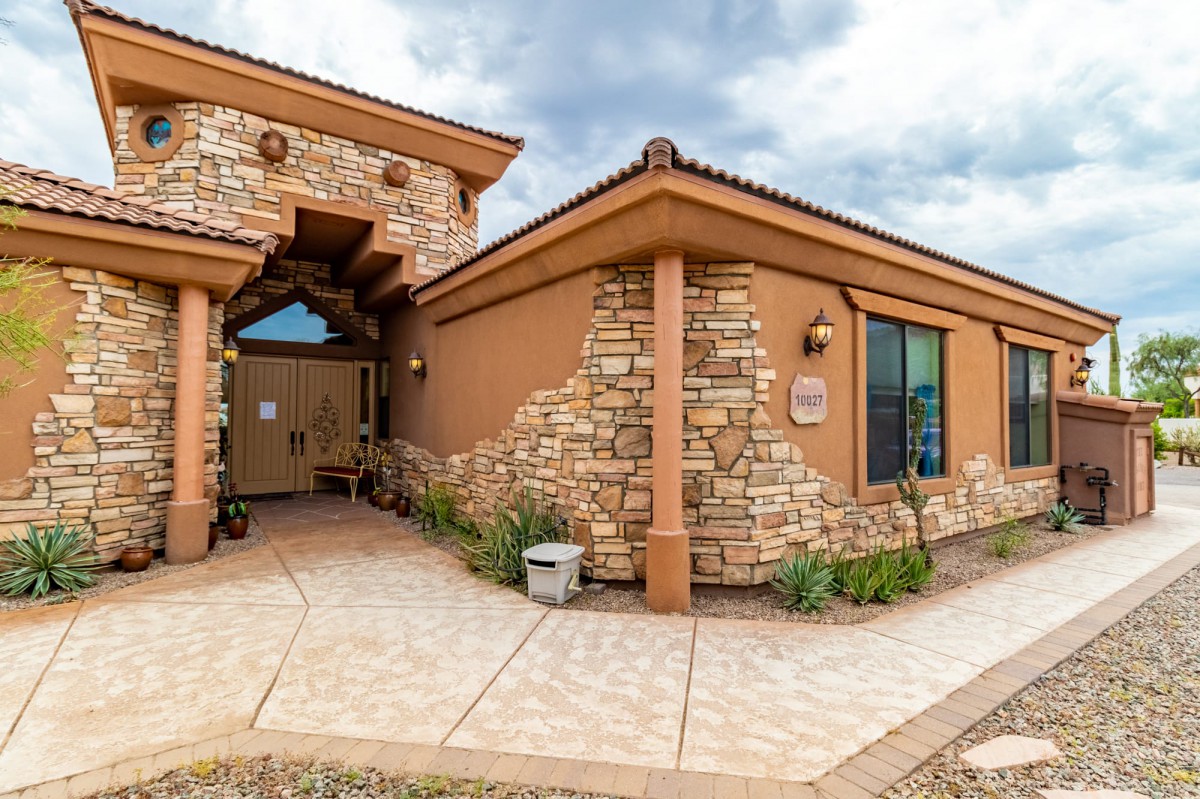
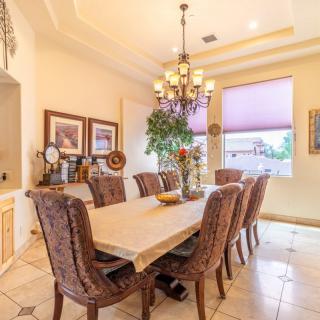
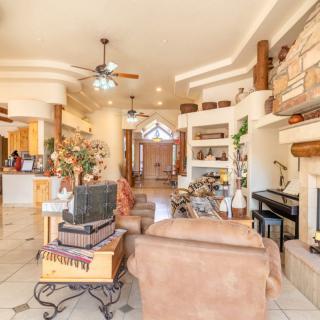

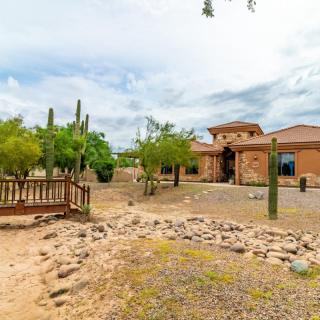
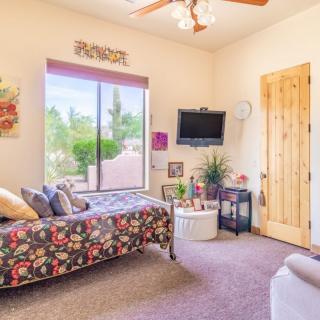
10027 East Hillview Street, Mesa, AZ 85207
To contact a resident: (480) 354-1006
For more information about senior living options: (866) 208-4318
Crismon Peaks Assisted Living Costs & Pricing
Crismon Peaks Assisted Living offers a premium living experience for its residents, reflected in its monthly costs. For a semi-private room, the rate is set at $5,500, significantly higher than the average of $2,801 in Maricopa County and $2,820 across the state of Arizona. Similarly, the cost for a private room at Crismon Peaks stands at $7,200, which surpasses the county's average of $3,318 and the state average of $3,345. These figures indicate that while Crismon Peaks may be on the higher end of assisted living expenses in the area, it likely provides enhanced amenities and services that cater to those seeking a more upscale assisted living environment.
| Floor plans | Crismon Peaks Assisted Living | Maricopa County | Arizona |
|---|---|---|---|
| Semi-Private | $5,500 | $2,801 | $2,820 |
| Private | $7,200 | $3,318 | $3,345 |
Overall Review of Crismon Peaks Assisted Living
Pros
 Meryl and the staff are kind, caring, and compassionate.
 - Meryl is a hands-on owner who is completely committed to providing excellent care.
- Residents feel safe and loved in Crismon Peaks.
- The care is exceptional and residents are in safe hands.
- The home provides attentive one-on-one care that is hard to achieve in larger facilities.
- The meals are catered to specific diets and health needs.
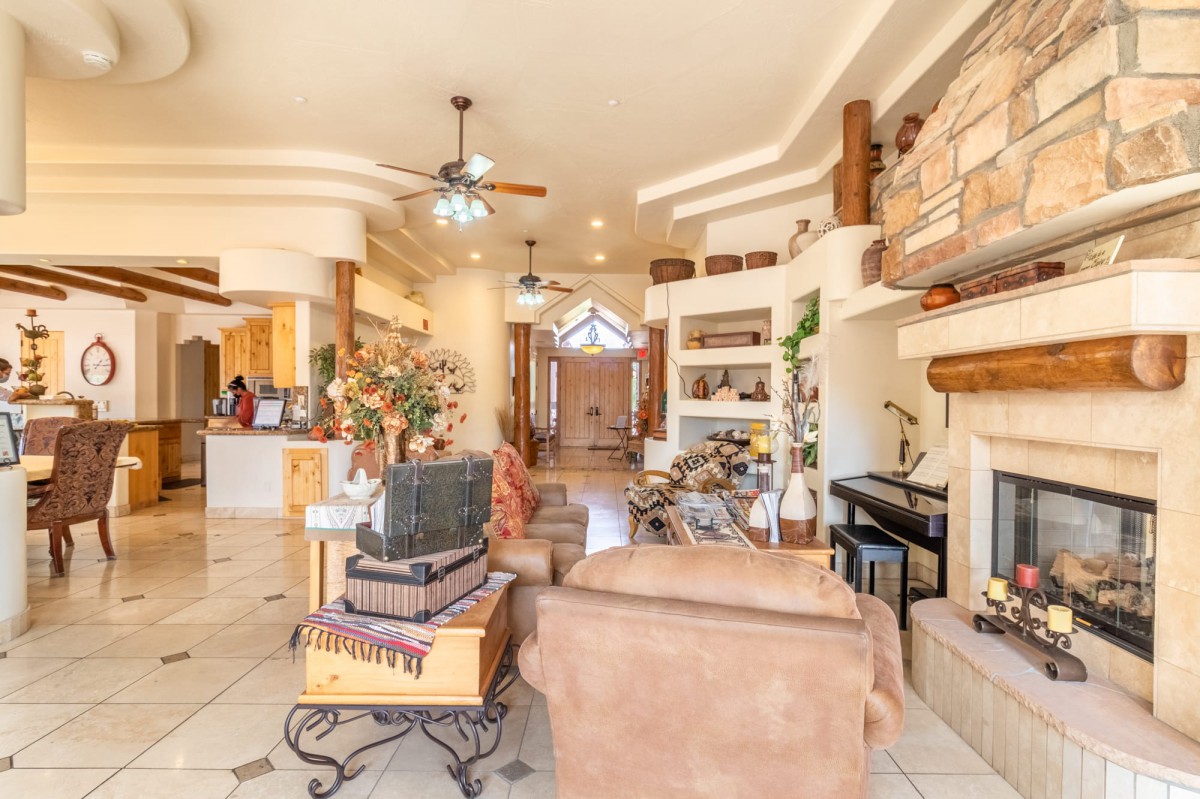
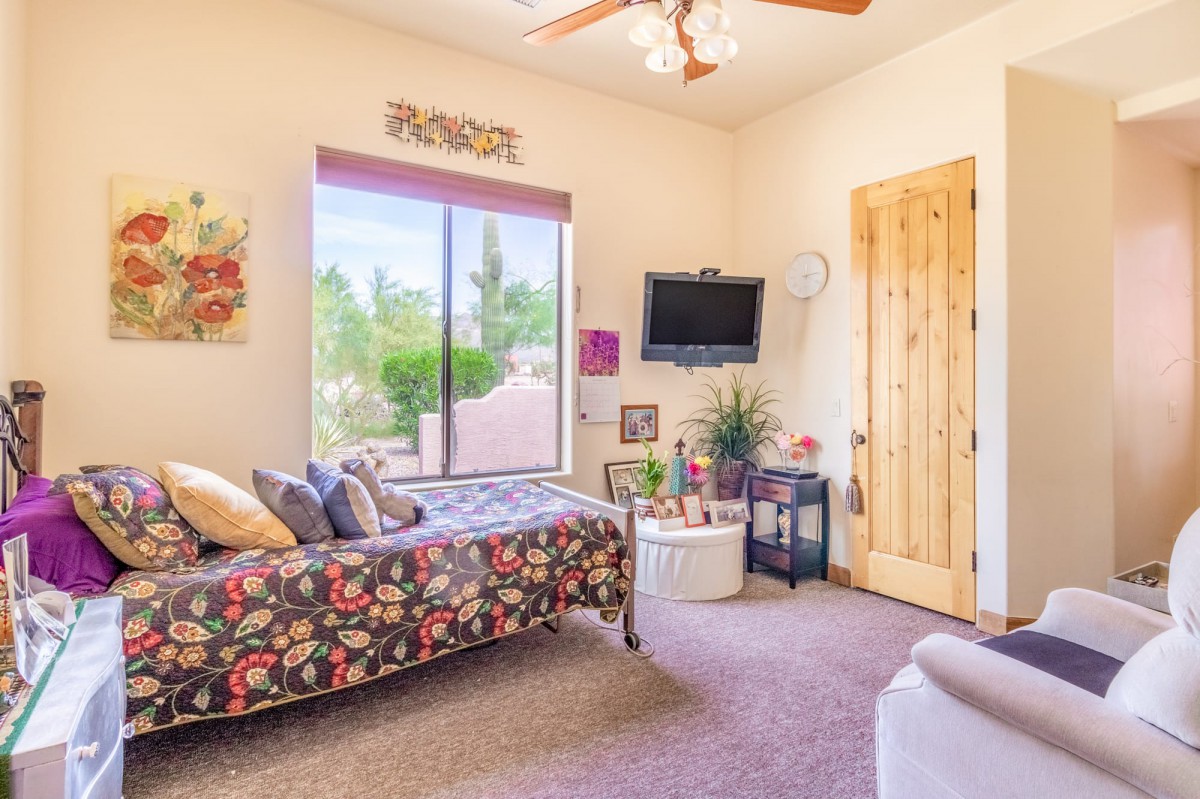
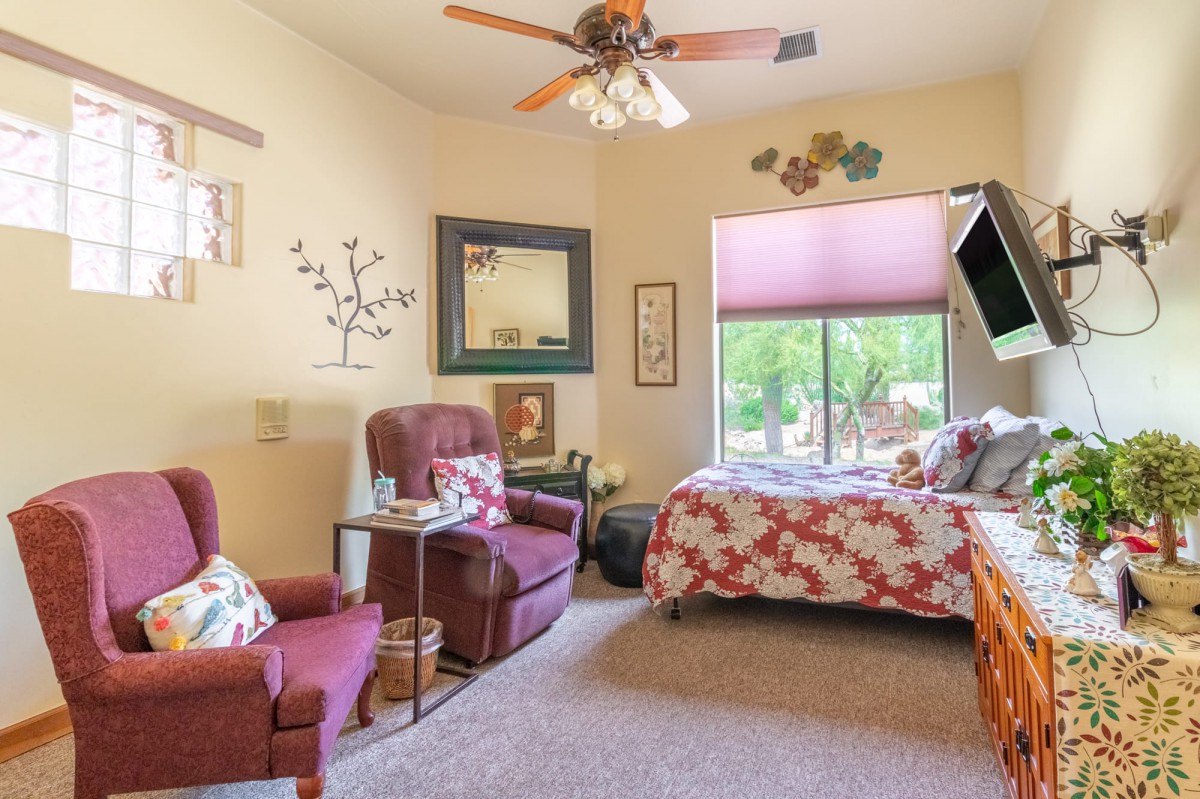
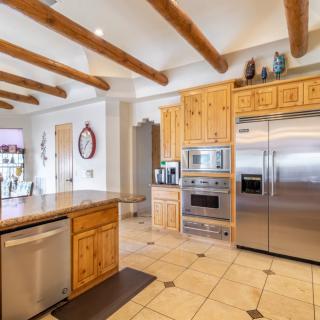
- The rooms are gorgeous and the attention to detail is evident.
- The staff feel like family, creating a warm and loving environment.
Cons
 There seems to be no limit to how people will hurt other people and prosper off the aged for personal gain.
- The mom received awful care during her stay.
- They were lied to numerous times about the treatment from the staff.
- The owner professed to care, yet the staff ignored her frequently.
- There were promises with no follow-through and lies.
- They feel sorry for those left and for relatives who believe what they hear.
- She became depressed living there and gave up her will to live.
- Joe R. is described as a clear case of sour grapes.
Review
Crismon Peaks Assisted Living in Mesa is best suited for families seeking intensely personalized, hands-on care delivered in a small, home-like setting. This community rewards residents who thrive on a close-knit, family atmosphere and consistent, individually tailored attention, particularly those coping with Parkinson’s disease or dementia who benefit from frequent, direct interaction with a proactive owner and caregiving team. It is the kind of place where the leader’s presence and daily involvement are felt in how meals are planned, routines are kept, and residents’ requests are anticipated. For families prioritizing a highly controlled, multi-staffed environment with formalized oversight, alternatives that emphasize larger scale operations and standardized procedures may be a wiser match.
The strongest drawn-out positives center on one-on-one care, a welcoming, intimate vibe, and leadership that many reviewers credit with setting the tone. The owner, Meryl, is repeatedly described as hands-on and deeply invested in residents’ well-being, with staff portrayed as warm, professional, and genuinely caring. Residents and families report attentive daily routines, meticulous cleanliness, well-groomed appearances, and meals that are customized to dietary needs. The setting is repeatedly praised for safety, personal attention, and a sense of being treated like family, with stories of progress and comfort that underscore a level of trust difficult to match in larger facilities. The positive experiences extend to hospice transitions and ongoing medical support, suggesting a facility that can manage complex needs within a compassionate framework.
Yet, the collective voice from these reviews cannot be dismissed as merely anecdotal; there are clear warnings that accompany the accolades. A salient, troubling account describes deceptive treatment and a disconnect between promised care and lived experience, including instances of staff ignoring a resident and all-too-frequent claims that promises went unfulfilled. Another reviewer frames the situation as “sour grapes,” but the charge points to real concerns about transparency and continuity of care. With three one-star experiences among fourteen total, the impression is that care quality can be highly variable and heavily dependent on day-to-day staff dynamics and leadership engagement. This contrast matters because the same small-home model that breeds warmth can also magnify inconsistencies if supervision falters.
How these pros and cons interplay determines suitability is critical. The strongest offset comes from the concentrated, attentive care that a small, owner-led home can offer, especially when the owner is visibly present and the staff buy into a shared mission. For families who can verify consistent leadership, proactive communication, and a track record of deficiency-free state surveys, those elements may outweigh risks associated with a more limited, intimate scale. However, the potential downsides are nontrivial: the absence of transparent, uniform processes, occasional misalignment between promises and outcomes, and the possibility of uneven care if staff turnover or burnout arises. In short, the upside hinges on stable leadership and candid family engagement; the downside hinges on the facility’s ability to maintain absolute consistency day after day.
Practical due diligence becomes the deciding factor. Prospective residents and families should insist on meeting the owner and direct caregivers, and request unfiltered conversations with current residents or family members about daily routines, responsiveness, and emergency handling. A current state survey report should be reviewed alongside any recent corrective action plans, and conversations should cover incident reporting, staff ratios, and training standards. Tour with a goal of observing care moments, meals, assistance with activities of daily living, and responsiveness to requests, and ask to see the facility’s policy on safeguarding residents’ dignity and sleep routines. Request a copy of the menu design process and ask how medical appointments are coordinated, especially for those with complex needs.
Ultimately, Crismon Peaks can be an excellent choice for families who want a warm, individualized care environment backed by a hands-on owner and a consistently loving staff. The model works especially well for residents who do best with tight, personal attention, customized nutrition, and an atmosphere that feels like an extended family. But for those who require ironclad consistency, rigorous oversight, and a transparent, uniform care protocol, alternatives with larger staff pools and more formalized governance may offer greater peace of mind. The decision hinges on aligning the home’s strengths, personalized, compassionate care and strong leadership, with the family’s comfort level regarding transparency and day-to-day certainty. When proceeding, pursue rigorous validation and be prepared to choose differently if the balance of trust and risk does not feel right.
 10 resident community capacity
 Assisted Living
 Board and Care Home
 Activities off-site
 Bath tubs
 Beautician on-site
 Cable or satellite TV
 Devotional services off-site
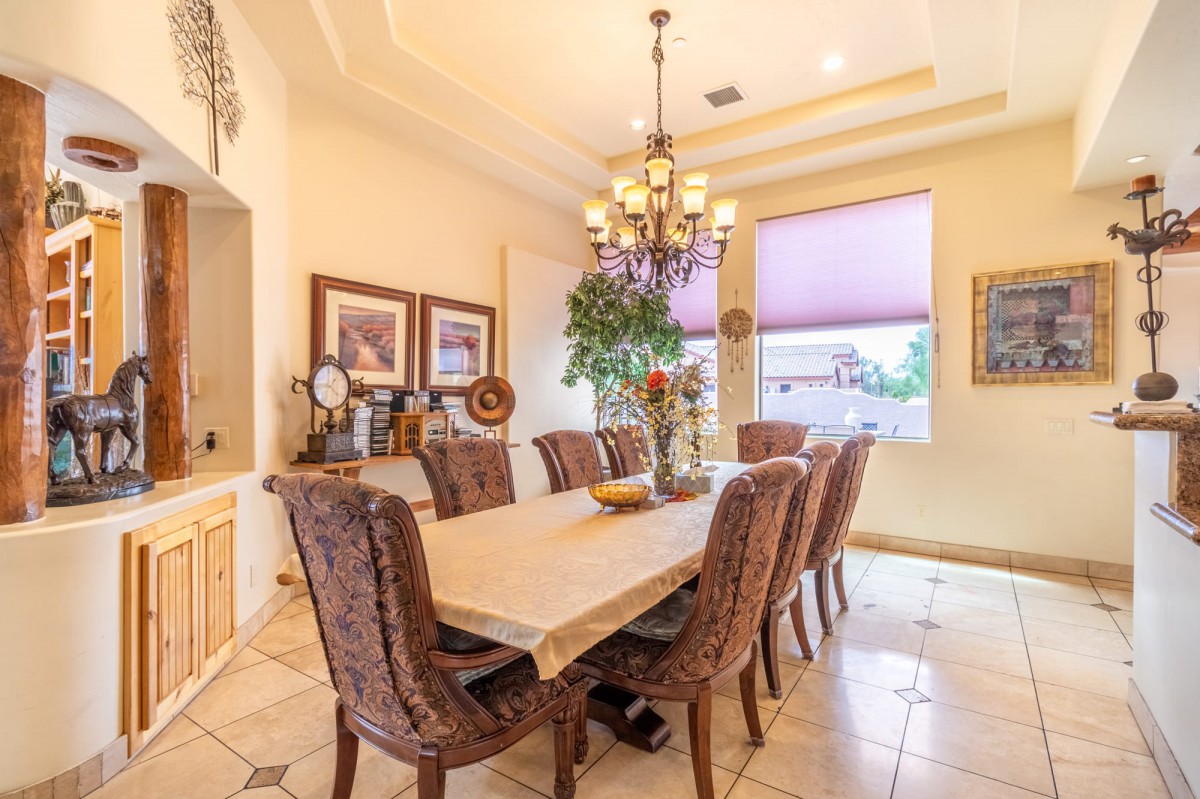
 Dining room
 Fully furnished
 Garden
 Guest parking
 Housekeeping services
 Indoor common areas
 Laundry
 Move-in coordination
 Outdoor common areas
 Party space
 Private
 Private bathrooms
 Respite or short term stays offered
 Security gate
 Telephone
 Wheelchair accessible showers
 Wi-Fi/high-speed internet available
 Phoenix Sky Harbor International (23 miles away)
 Transportation & parking
 24-hour supervision
 Assistance with bathing
 Assistance with dressing
 Assistance with transfers
 Companion care
 Diabetes diet
 Diabetic care
 High acuity care
 Hospice care
 Meal preparation and service
 Medication management
 Physical therapy
 Special dietary restrictions
 Transportation arrangement (medical)
 Arts and crafts
 Games
Games Live musical performances
 Stories
 Wii bowling




 How and When Medicaid May Cover Assisted Living Costs
 A Detailed Exploration of Assisted Living Medicaid Waivers Across the United States
 Comprehensive Residential Support and Assisted Living Solutions for Individuals with Disabilities