Broadway Mesa Village offers competitive pricing for its accommodations when compared to both Maricopa County and the broader Arizona region. For instance, a studio at Broadway Mesa is available for $2,795, significantly lower than the county average of $3,960 and the state average of $3,829. Similarly, the one-bedroom unit priced at $3,395 not only competes well against the county's average of $3,473 but also presents a more attractive option compared to the state average of $3,532. Even in the two-bedroom category, with a cost of $3,895, Broadway Mesa Village remains economical when juxtaposed with Maricopa County's $4,112 and Arizona's state figure of $4,106. Overall, it provides an appealing value proposition for those seeking quality living arrangements in this vibrant area.
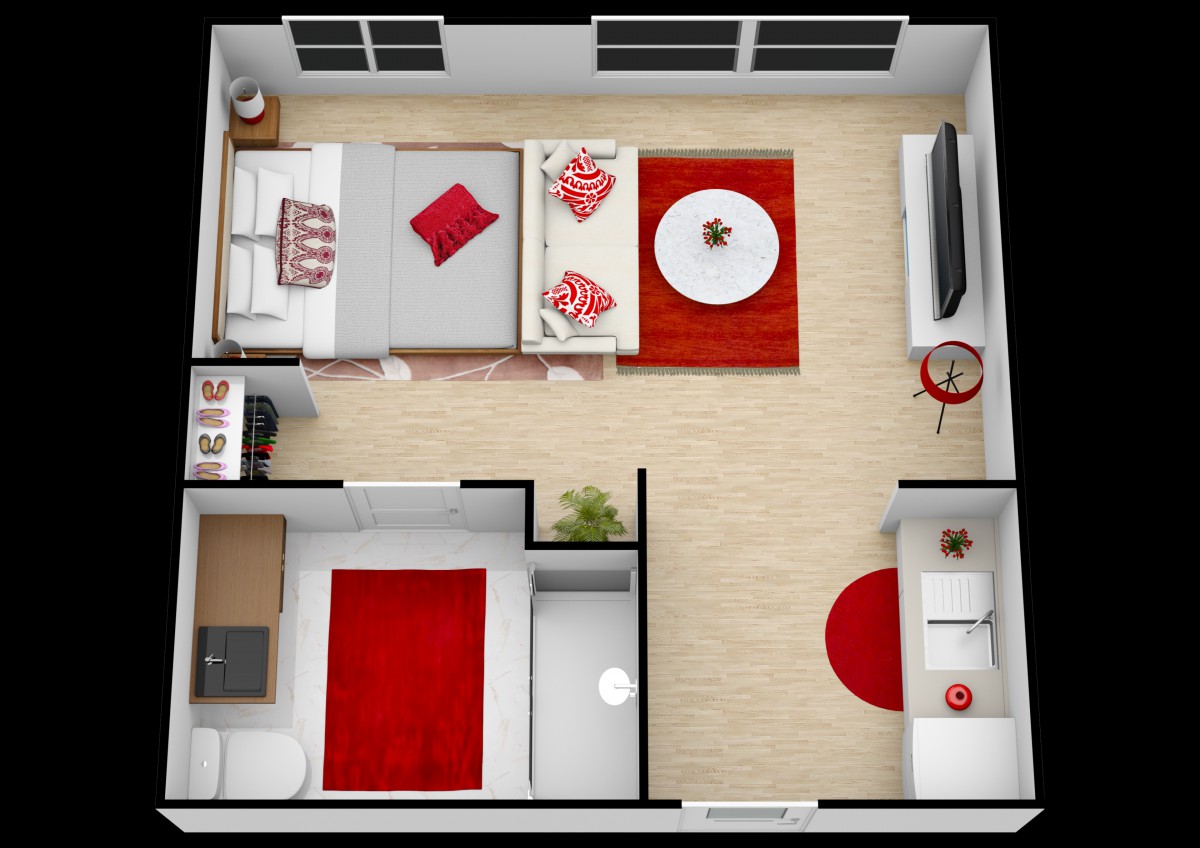
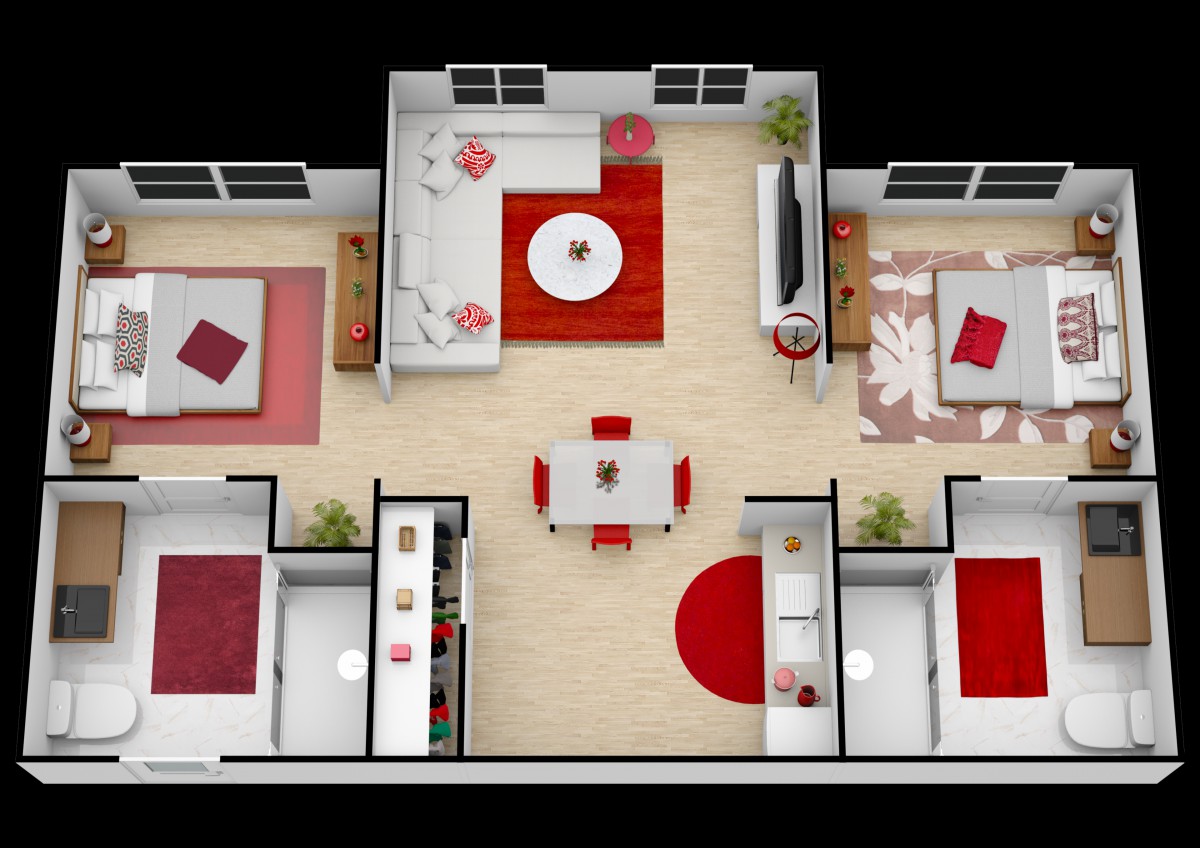
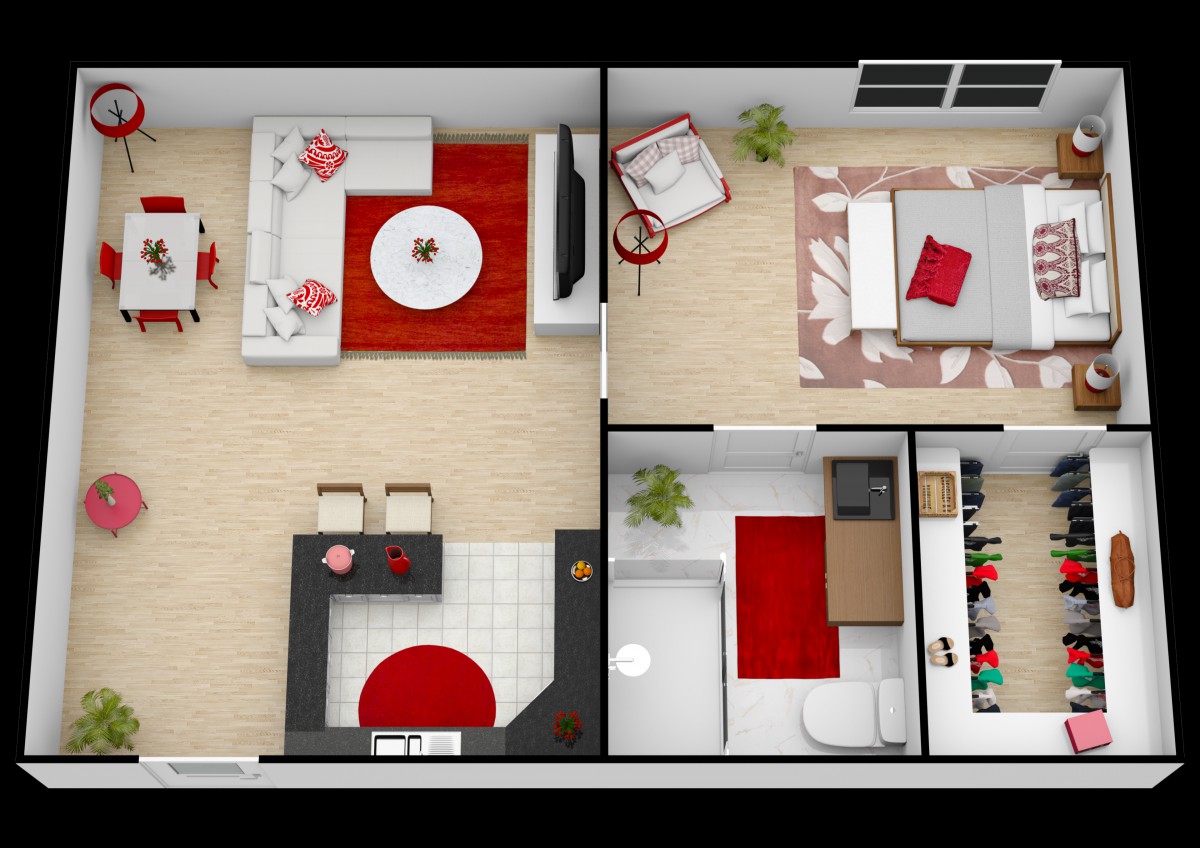
Floor plans
Broadway Mesa Village
Maricopa County
Arizona
Studio
$2,795
$3,960
$3,829
1 Bedroom
$3,395
$3,473
$3,532
2 Bedrooms
$3,895
$4,112
$4,106
Memory care communities with a similar price nearby
Dining stands out as a consistent comfort point for many families.
Multiple residents and families describe the food positively, including that meals are enjoyable and residents look forward to eating. Some also mention having options to order beyond preset choices, which helps meals feel more flexible day to day. The experience is also tied to pleasant, attentive dining staff.
common2 reviews mention this
Activities keep residents engaged
Families repeatedly mention plenty of activities to choose from.
Residents are described as staying social through scheduled activities and group events, with some reviewers pointing to entertainment and resident participation. Families also note staff helping residents get to activities on time. In at least one review, the community is described as having enough variety for someone who wants to stay busy.
caveat2 reviews mention this
Care responsiveness varies by experience
Some families report trouble getting consistent day-to-day care.
A portion of reviews raise concerns about whether help shows up when it’s needed, including bathing, hygiene, and follow-through on care plans. Others describe staffing problems and delayed responses, and a few connect those issues to negative health or safety outcomes. Taken together, experiences appear uneven, with strong praise in some cases and sharp complaints in others.
caveat2 reviews mention this
Costs and billing add stress
Families say pricing and billing details can be confusing.
Several reviewers mention unexpected financial surprises, including additional monthly charges or rate increases after move-in. Others describe difficulty understanding fees or statements, which makes budgeting harder for families. The community’s pricing also falls within a wide range across studio to two-bedroom apartments.
How we summarize
Counts show how many written reviews mention each theme; a review can touch several themes, and only frequently mentioned themes are displayed.
Features
Housing
127 resident community capacity
1-bedroom apartments
2-bedroom apartments
Studio apartments
Types of Care
Assisted Living
Memory Care
Pets
Cats allowed
Dogs allowed
Amenities
Activities off-site
Activities on-site
Air-conditioning
Bath tubs
Beautician on-site
Beauty salon
Cable or satellite TV
Computer center
Devotional services off-site
Devotional services on-site
Dining room
Fitness room
Full kitchen
Fully furnished
Gaming room
Garden
Ground floor units
Guasts at mealtime
Guest parking
Handicap accessible
Housekeeping services
Indoor common areas
Kitchenette
Laundry
Move-in coordination
Outdoor common areas
Outdoor space
Overnight guests
Party space
Pet friendly
Private bathrooms
Private cleaning services
Resident parking
Respite or short term stays offered
Restaurant-style dining
Small library
TV room
Telephone
VA Benefits Consultation
Wellness center
Wheelchair accessible showers
Wi-Fi/high-speed internet available
Transportation
Phoenix Sky Harbor International (19 miles away)
Community operated transportation
Transportation & parking
Transportation arrangement
Transportation arrangement (non-medical)
Transportation to doctors appointments
Care Services
12-16 hour nursing
24-hour call system
24-hour supervision
Activities of daily living assistance
Assistance with bathing
Assistance with dressing
Assistance with transfers
Coordination with health care providers
Dementia waiver
Diabetes diet
Diabetic care
Hospice waiver
Incontinence care
Meal preparation and service
Medication management
Mental wellness program
Mild cognitive impairment
Physical therapy
Special dietary restrictions
Specialized memory care programming
Transportation arrangement (medical)
Transportation to doctors appointments
Dining
Anytime dining
Diabetes diet
Gluten-free
Guest meals
International cuisine
Low / no sodium
Meals provided
No Sugar
Professional chef
Restaurant style dining
Room service
Special dietary restrictions
Special dining programs
Vegan
Vegetarian
Activities
Activities off-site
Art classes
Community-sponsored activities
Concierge services
Cooking classes
Cooking club
Day trips and outings
Devotional activities offsite
Devotional activities on-site
Educational speakers / life long learning
Fitness programs
Games
Happy hour
Karaoke
Live dance or theater performances
Live musical performances
Live well programs
Planned day trips
Religious services
Resident-run activities
Scheduled daily activities
Wii bowling
Wine tasting
Languages Spoken
English
Nearby Places of Interest
This part of Mesa, Arizona offers a convenient and diverse range of amenities for senior living. With several pharmacies located within close proximity, accessing necessary medications and healthcare services is easily manageable. There are also various dining options, including casual eateries like McDonald's and upscale restaurants such as The Cheesecake Factory. Additionally, there are cafes like Starbucks and The Human Bean for relaxing outings with friends or family. For medical needs, there are reputable physician offices nearby, as well as well-known imaging centers and eye care facilities. Outdoor enthusiasts will appreciate the nearby parks like Skyline Park and Greenfield Park for leisurely strolls or picnics. Overall, this area provides a balance of convenience, healthcare access, dining options, and recreational activities ideal for senior living in Mesa.
Pharmacies
Walgreens (0.4 miles)
CVS Pharmacy (1 miles)
Walgreens (1.6 miles)
Walgreens (2 miles)
CVS Pharmacy (2.5 miles)
Walgreens (2.6 miles)
CVS Pharmacy (3 miles)
Restaurants
What the Hell Bar & Grill (0.6 miles)
Freddy's Frozen Custard (1.2 miles)
McDonald's (1.2 miles)
Chipotle Mexican Grill (1.3 miles)
The Cheesecake Factory (1.3 miles)
Applebee's (1.5 miles)
Carrabba's Italian Grill (1.5 miles)
Cafes
The Human Bean (0.8 miles)
Over Easy (1.3 miles)
Starbucks (3.2 miles)
Dutch Bros Coffee (3.7 miles)
Starbucks (3.9 miles)
McDonald’s (4.5 miles)
Panera Bread (5 miles)
Physicians
Banner Imaging East Mesa (1 miles)
Valley Endocrine Associates (1.1 miles)
Cvam (1.4 miles)
Allen Family Medicine (2 miles)
East Valley Pediatrics (2.3 miles)
Barnet Dulaney Perkins Eye Center (2.4 miles)
Oasis Obstetrics and Gynecology (2.4 miles)
Theaters
Superstition Springs 25 (1.5 miles)
AMC Superstition East 12 (4.8 miles)
Places of Worship
Church of Jesus Christ of Latter Day Saints (3.6 miles)
Church of Jesus Christ of Latter Day Saints (5.9 miles)
Broadway Mesa Village offers competitive pricing for its accommodations when compared to both Maricopa County and the broader Arizona region. For instance, a studio at Broadway Mesa is available for $2,795, significantly lower than the county average of $3,960 and the state average of $3,829. Similarly, the one-bedroom unit priced at $3,395 not only competes well against the county's average of $3,473 but also presents a more attractive option compared to the state average of $3,532. Even in the two-bedroom category, with a cost of $3,895, Broadway Mesa Village remains economical when juxtaposed with Maricopa County's $4,112 and Arizona's state figure of $4,106. Overall, it provides an appealing value proposition for those seeking quality living arrangements in this vibrant area.
The array of features at Broadway Mesa Village is tailored to support the unique needs of residents with dementia or Alzheimer's disease, fostering an environment conducive to their health and well-being. With 24-hour supervision, residents receive constant oversight, ensuring safety and swift responses to any needs or emergencies. Assistance with activities of daily living--including bathing, dressing, and transfers--promotes dignity while mitigating frustration associated with cognitive decline. Coordination with healthcare providers facilitates comprehensive medical care tailored to individual requirements, supported by medication management that ensures adherence to prescribed therapies. The dementia waiver addresses specific care nuances, complemented by incontinence care that prioritizes comfort and respect. Meal preparation and service cater to nutritional needs while encouraging social interaction during dining. A mental wellness program alongside specialized memory care programming stimulates cognitive function and emotional support, while physical therapy enhances mobility and physical health. Finally, transportation arrangements for medical appointments further ensure residents can access necessary healthcare services seamlessly. These combined features create a holistic approach that addresses both physical and mental health challenges related to memory loss.
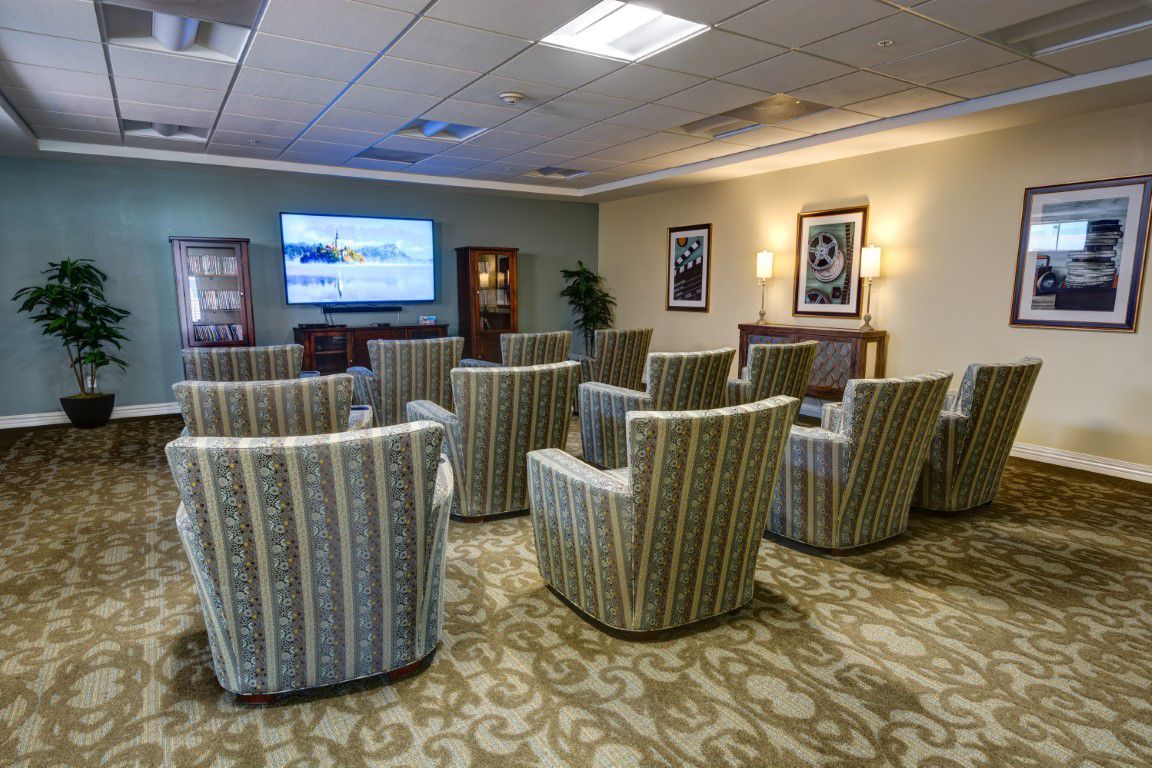
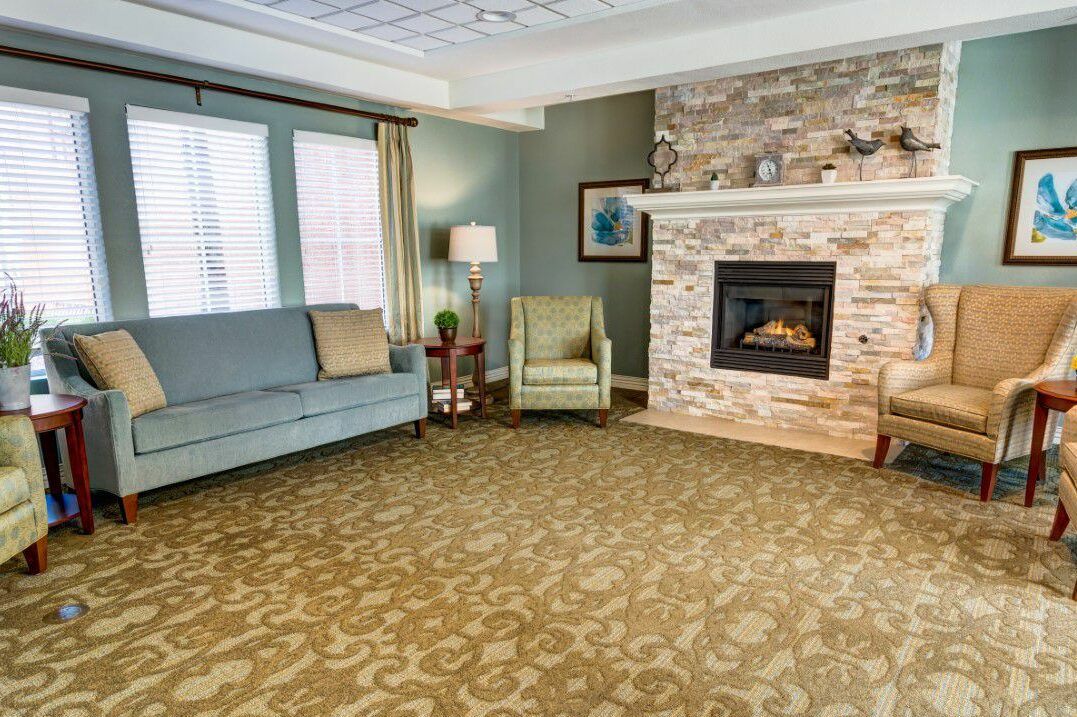
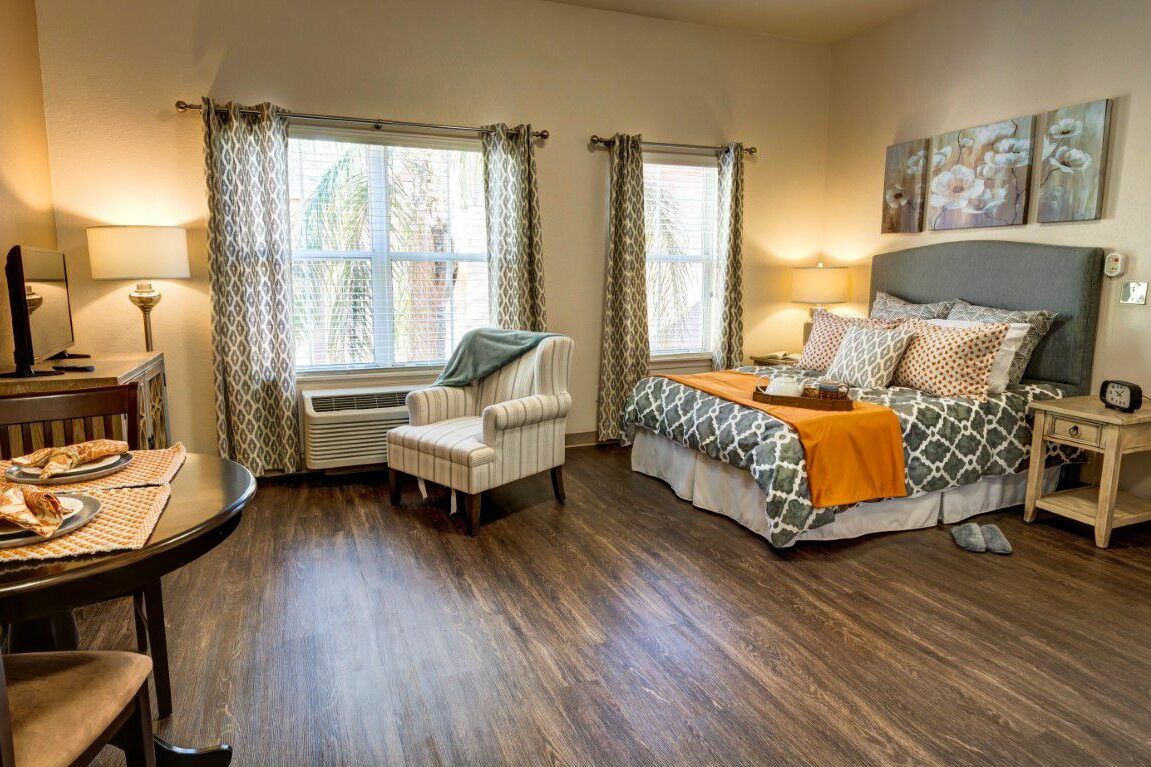
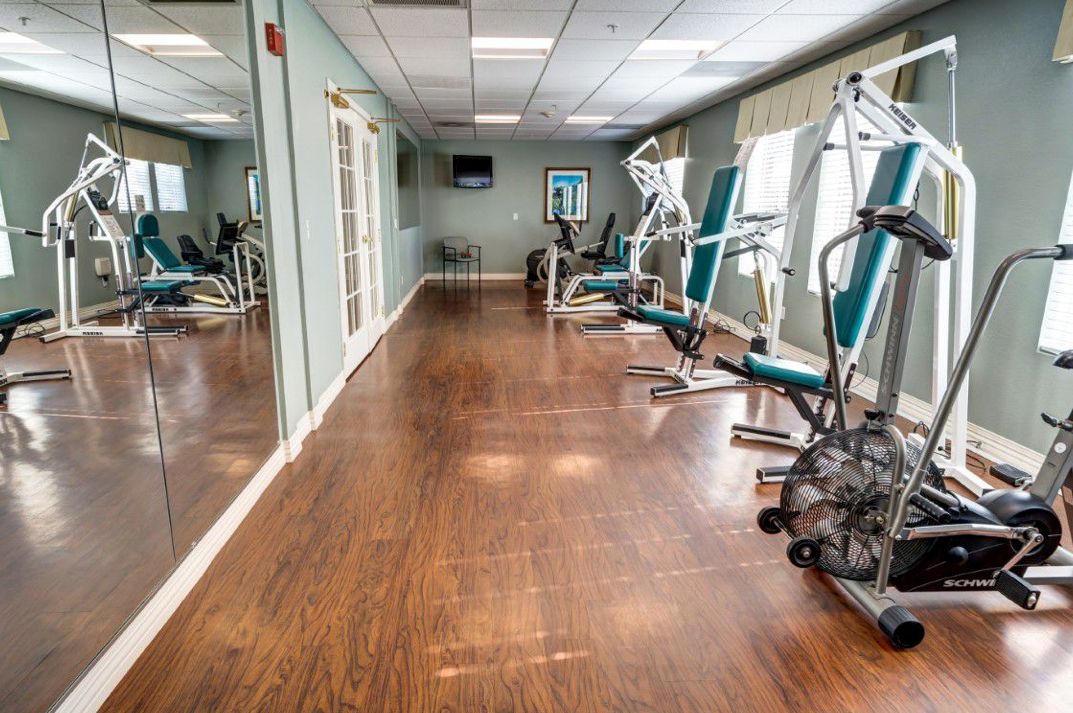
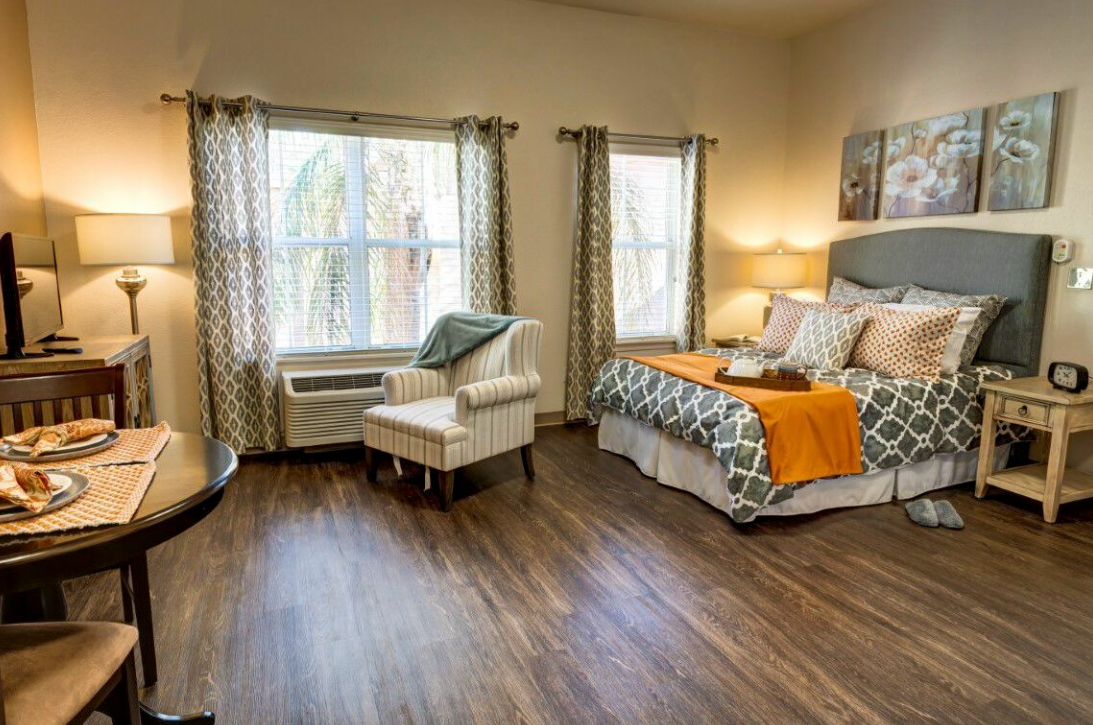
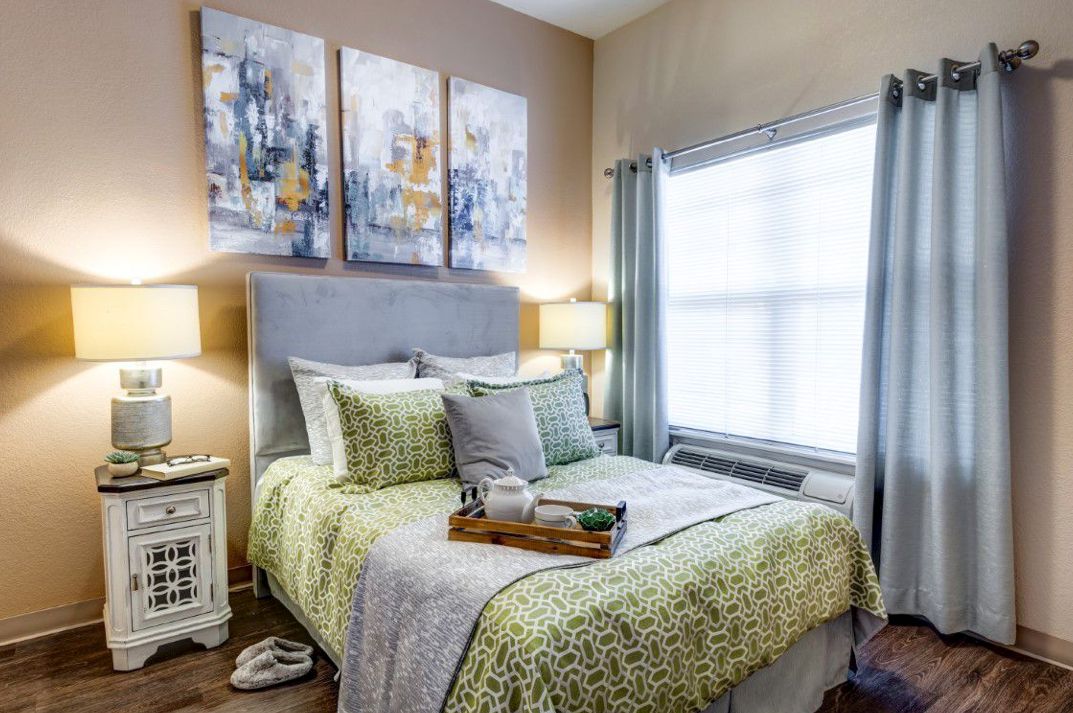
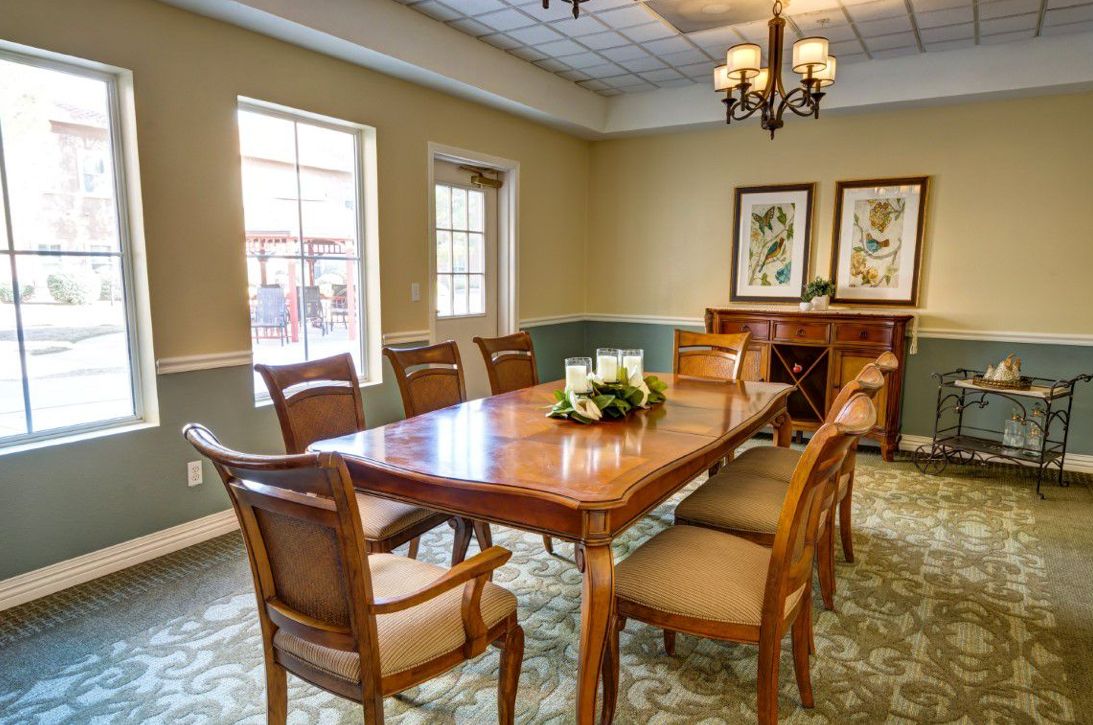
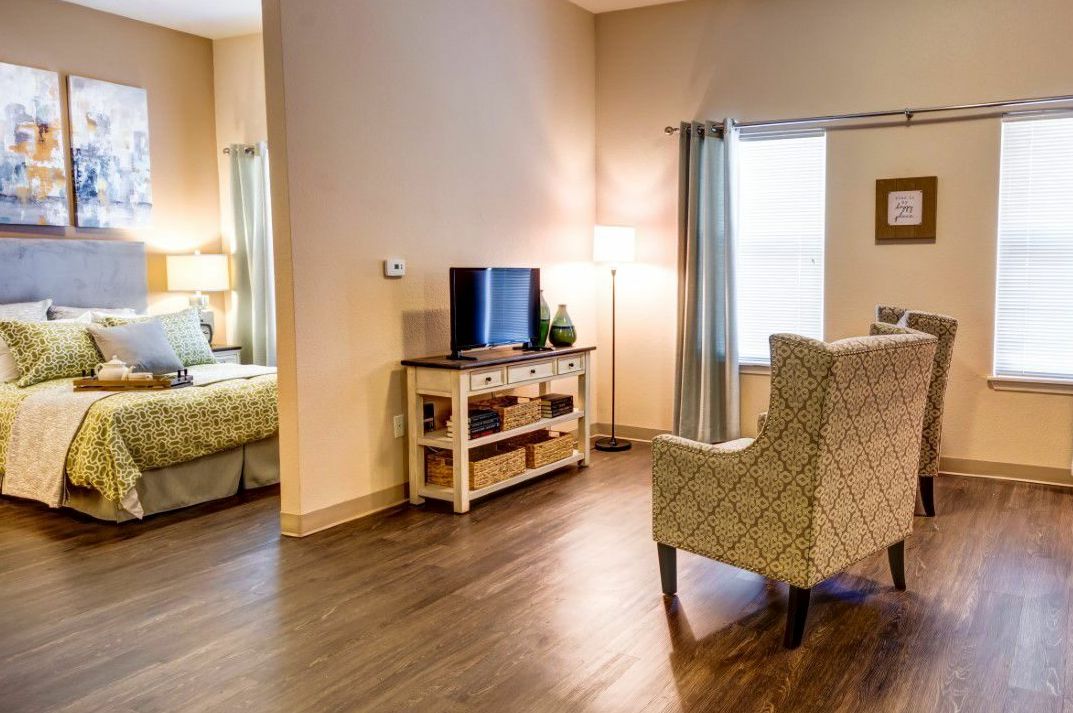
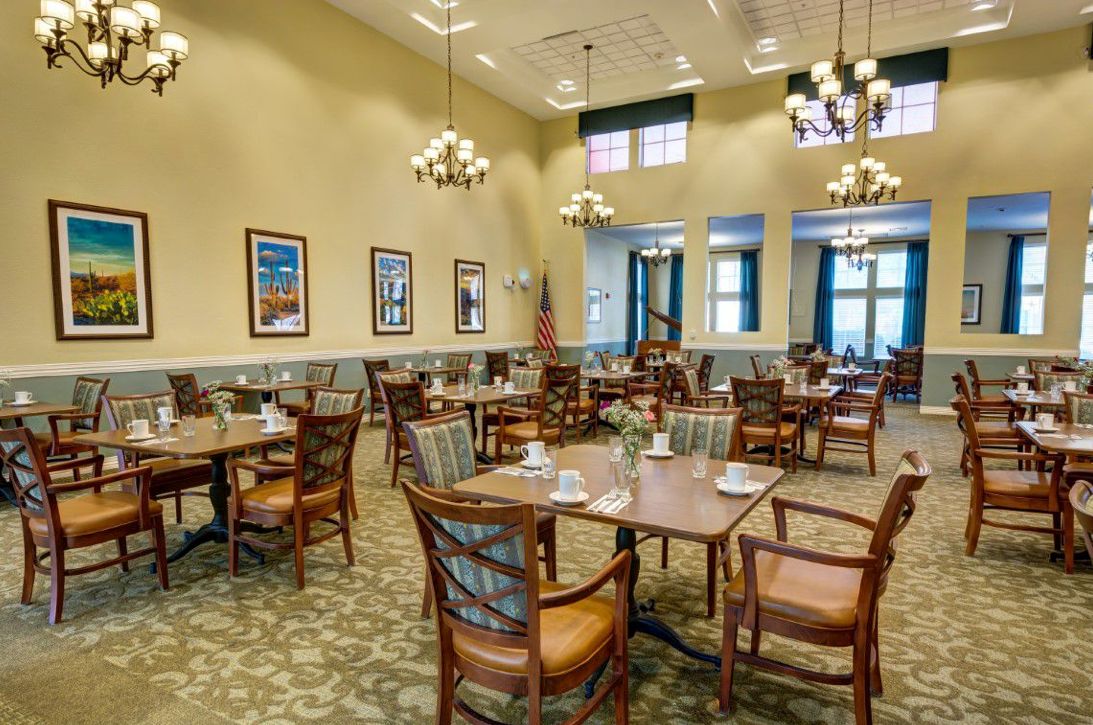
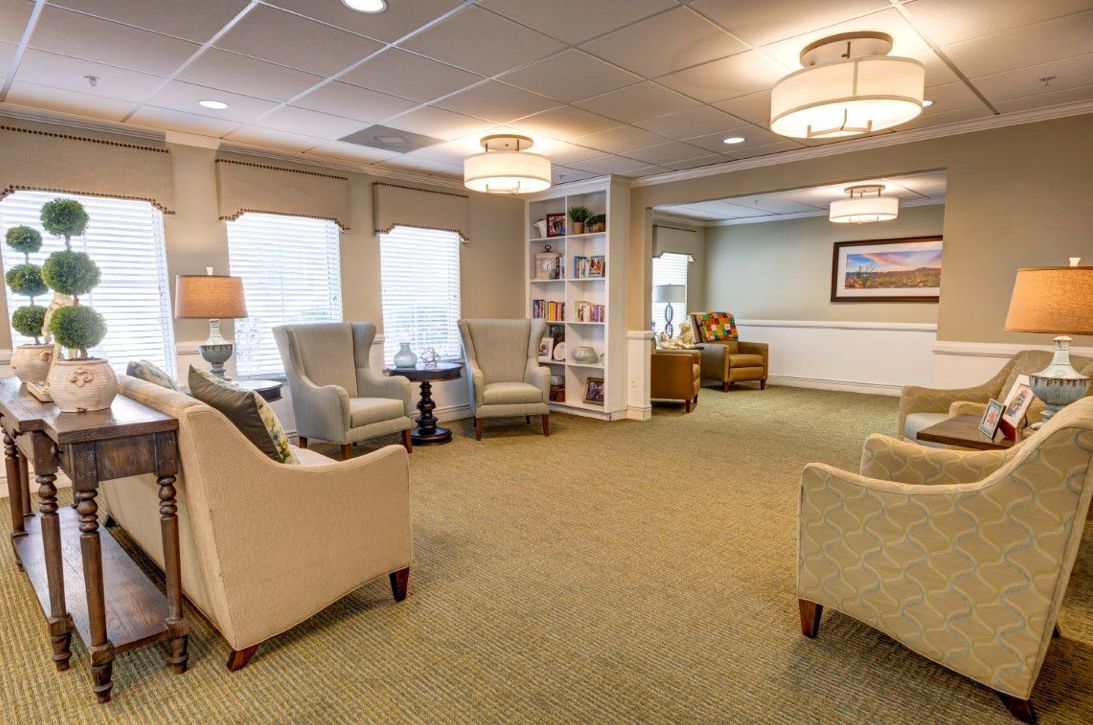
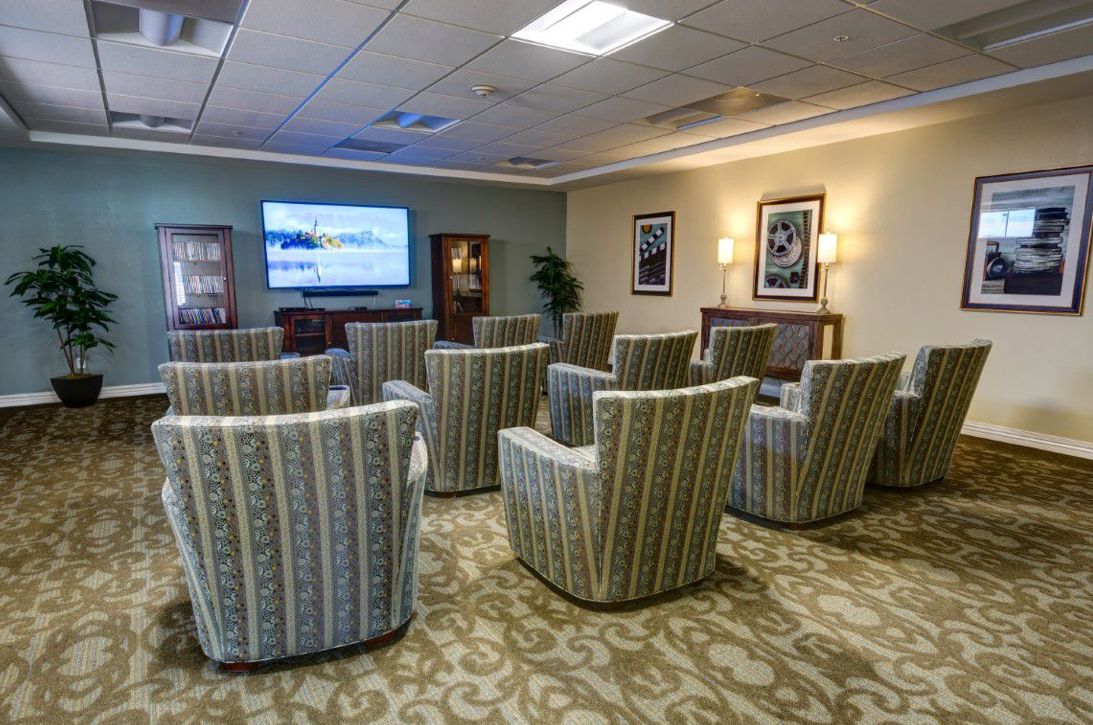
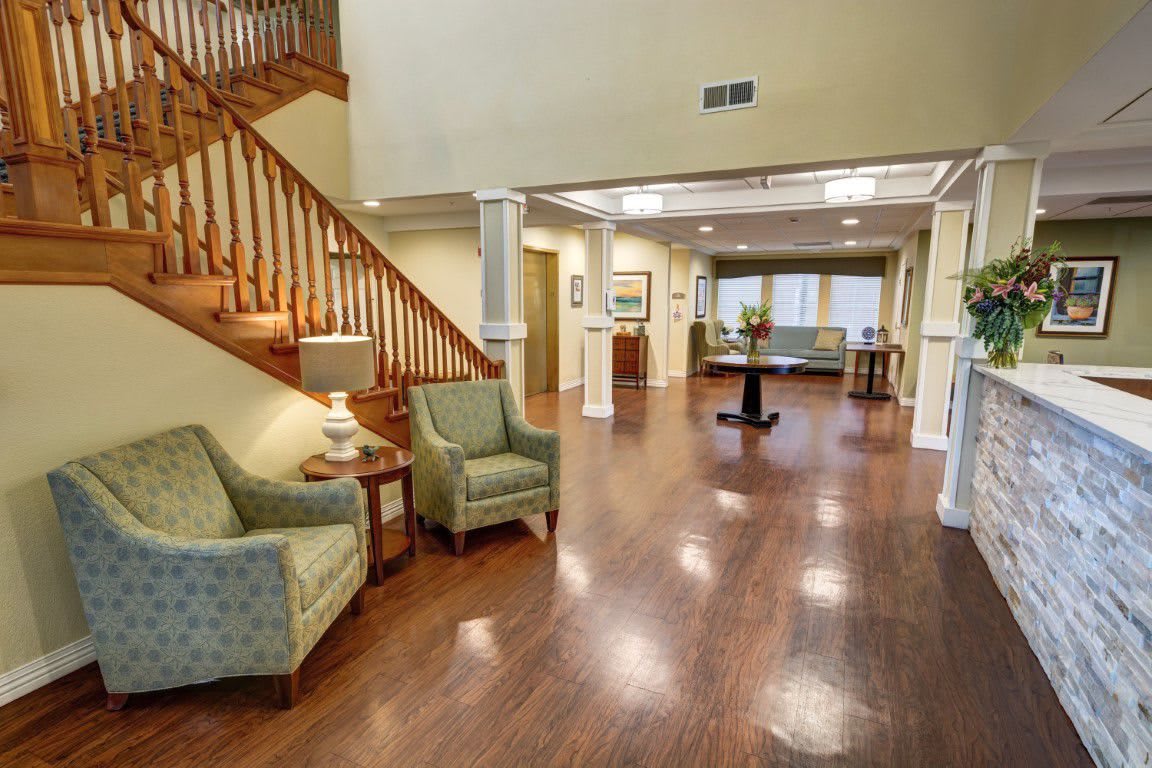
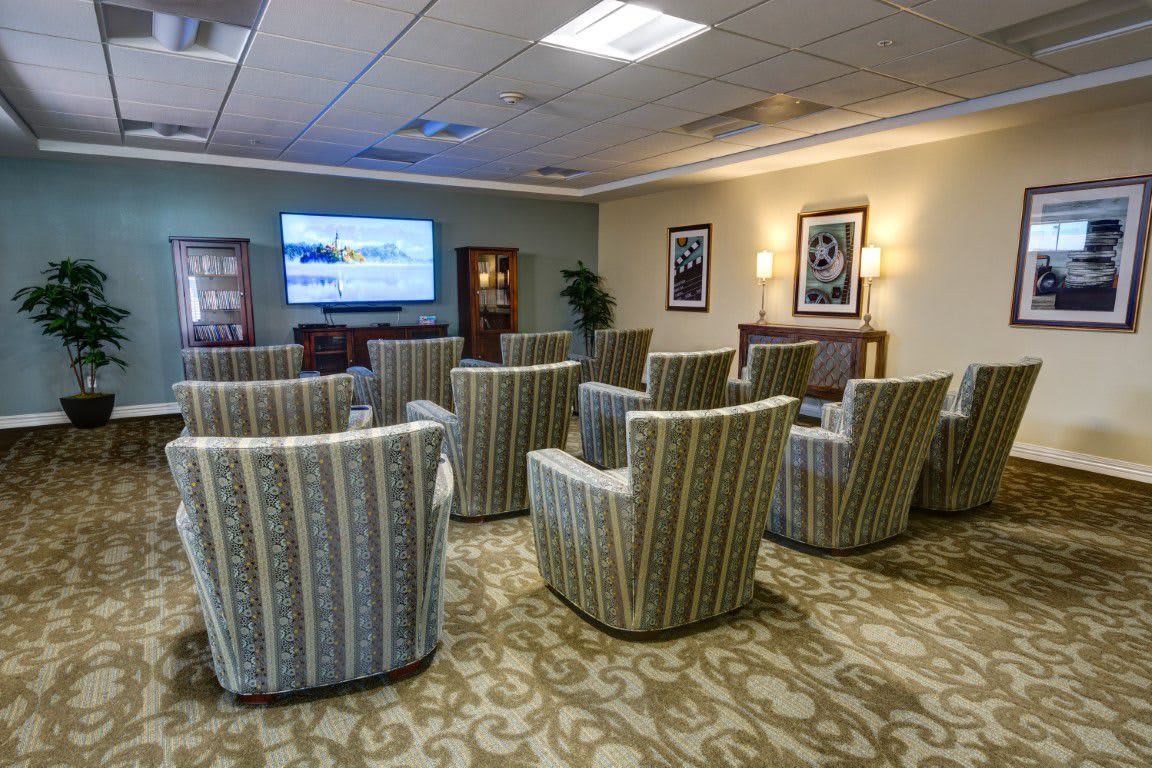
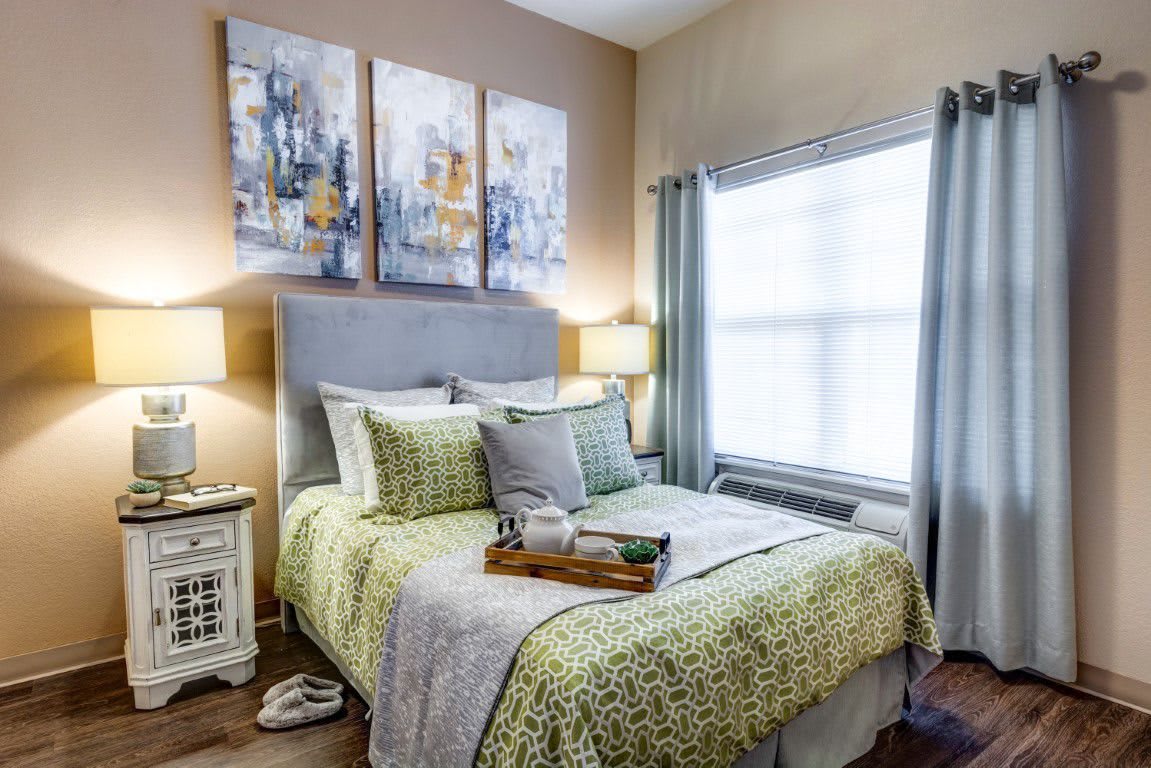
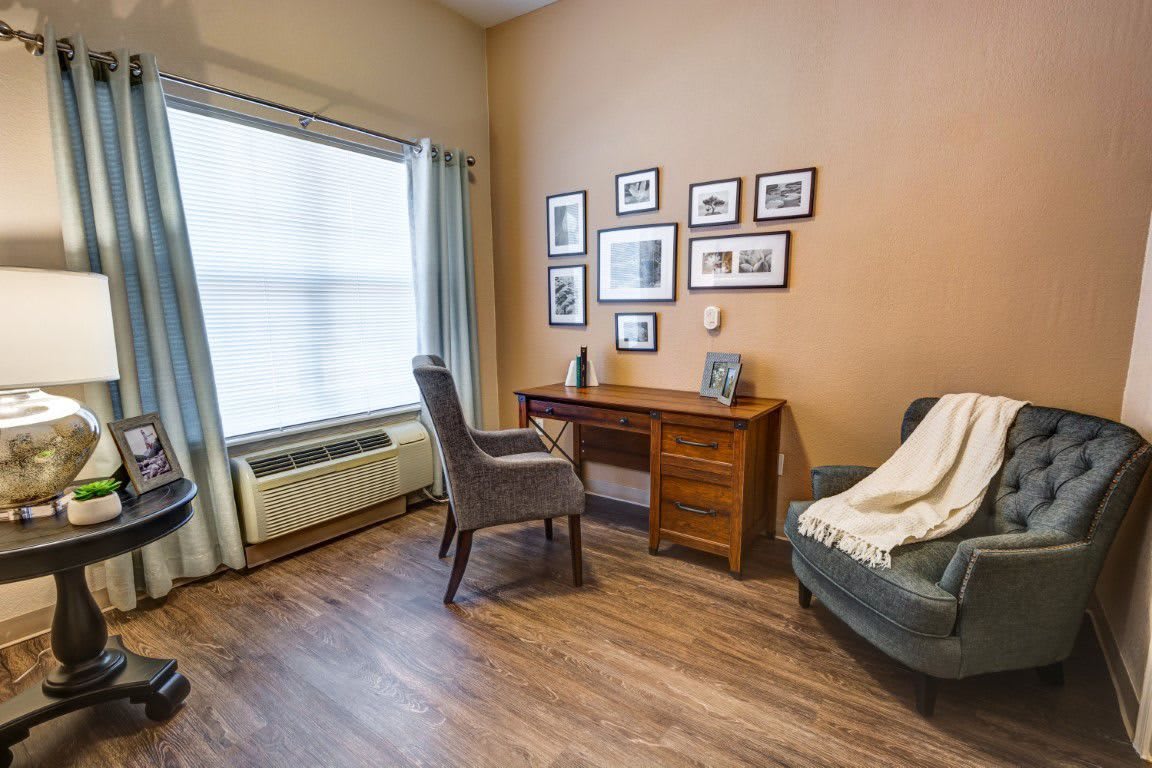
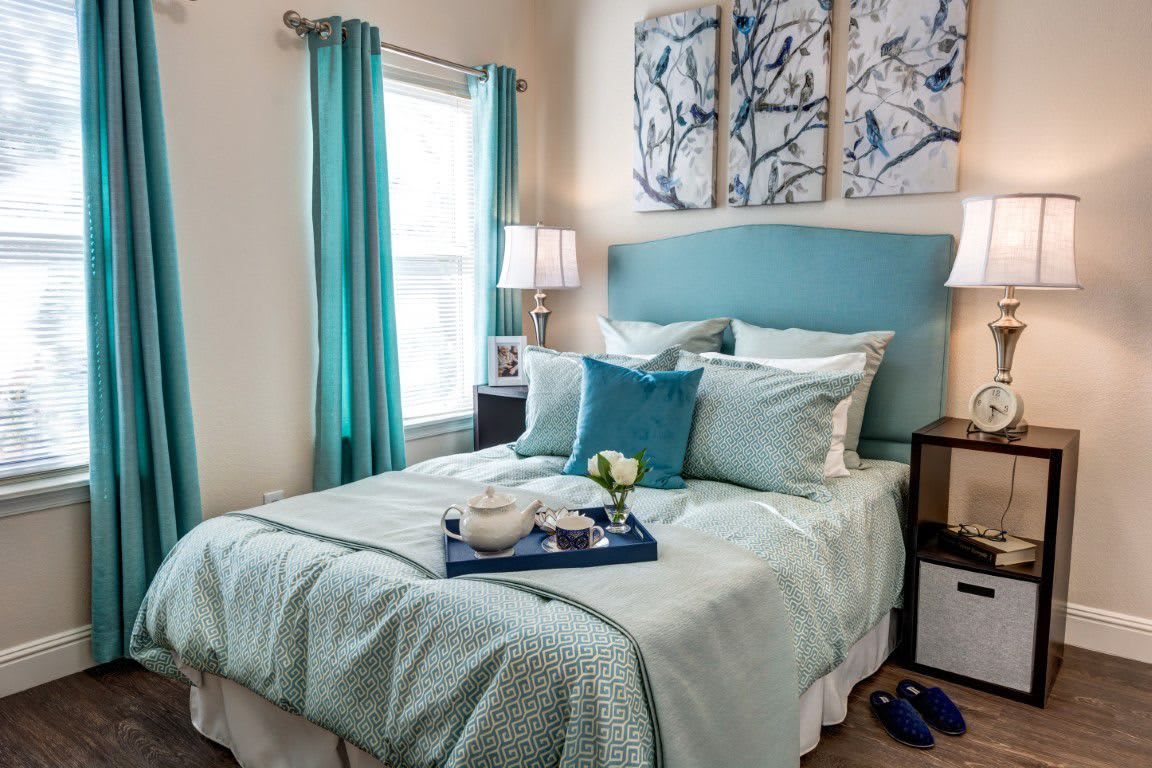
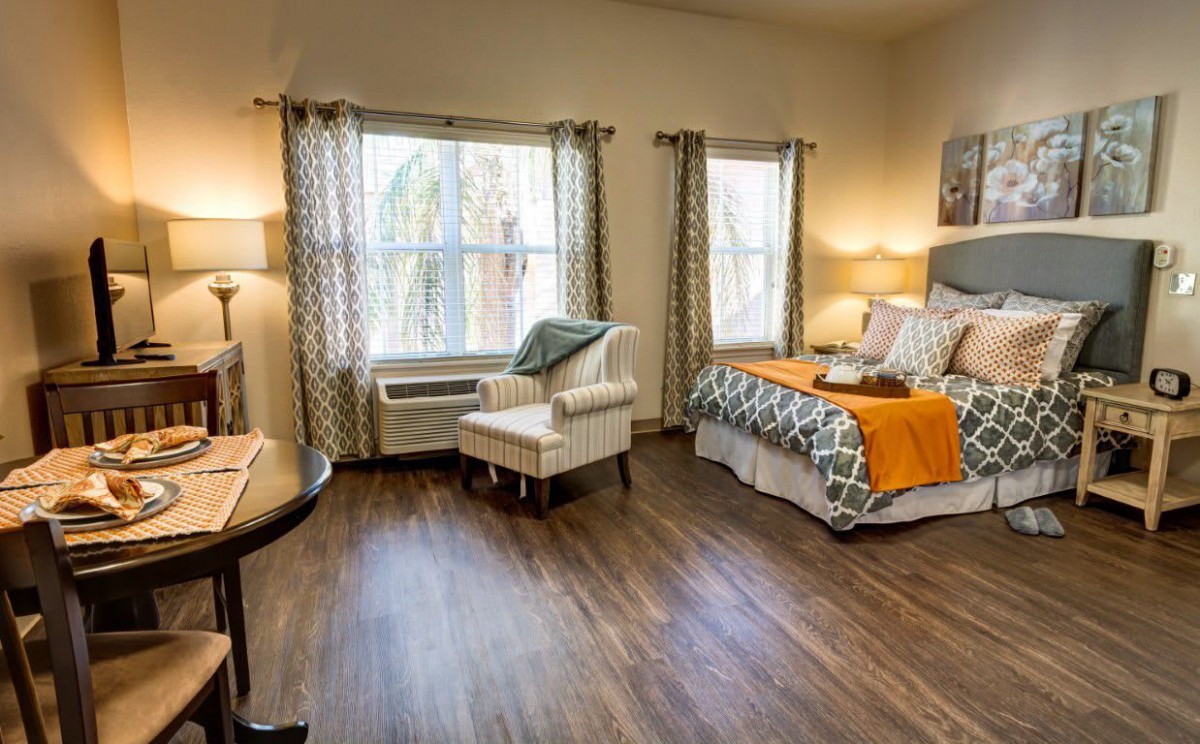
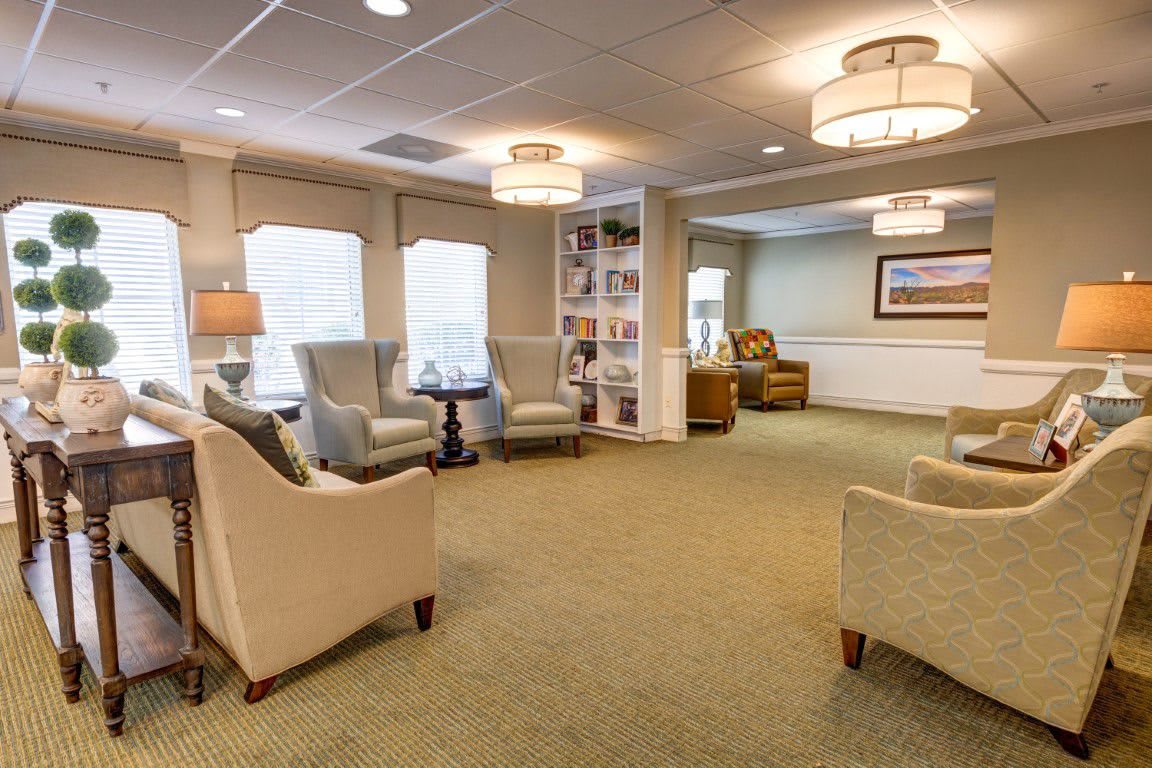
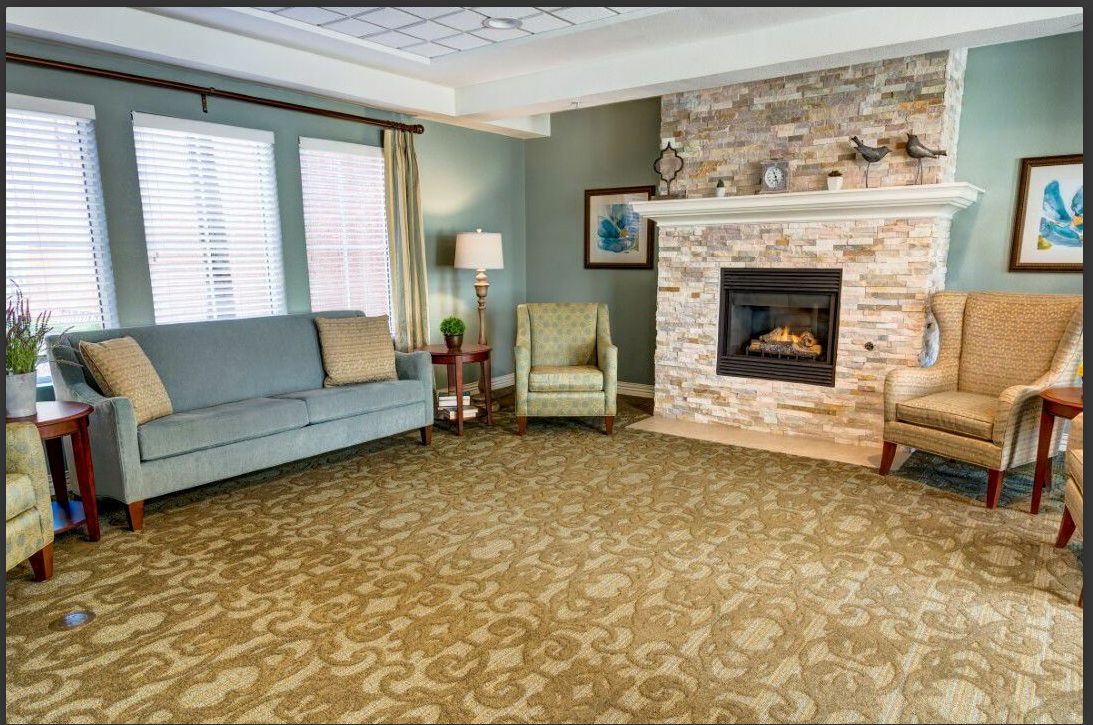
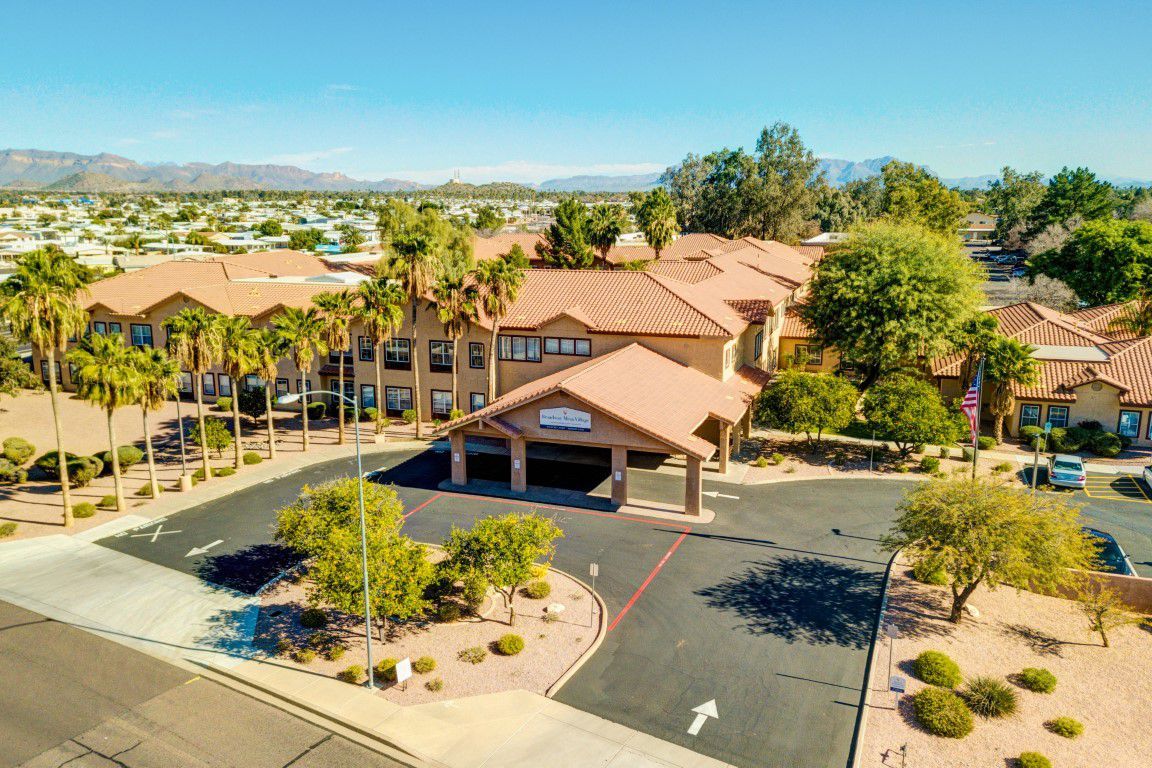
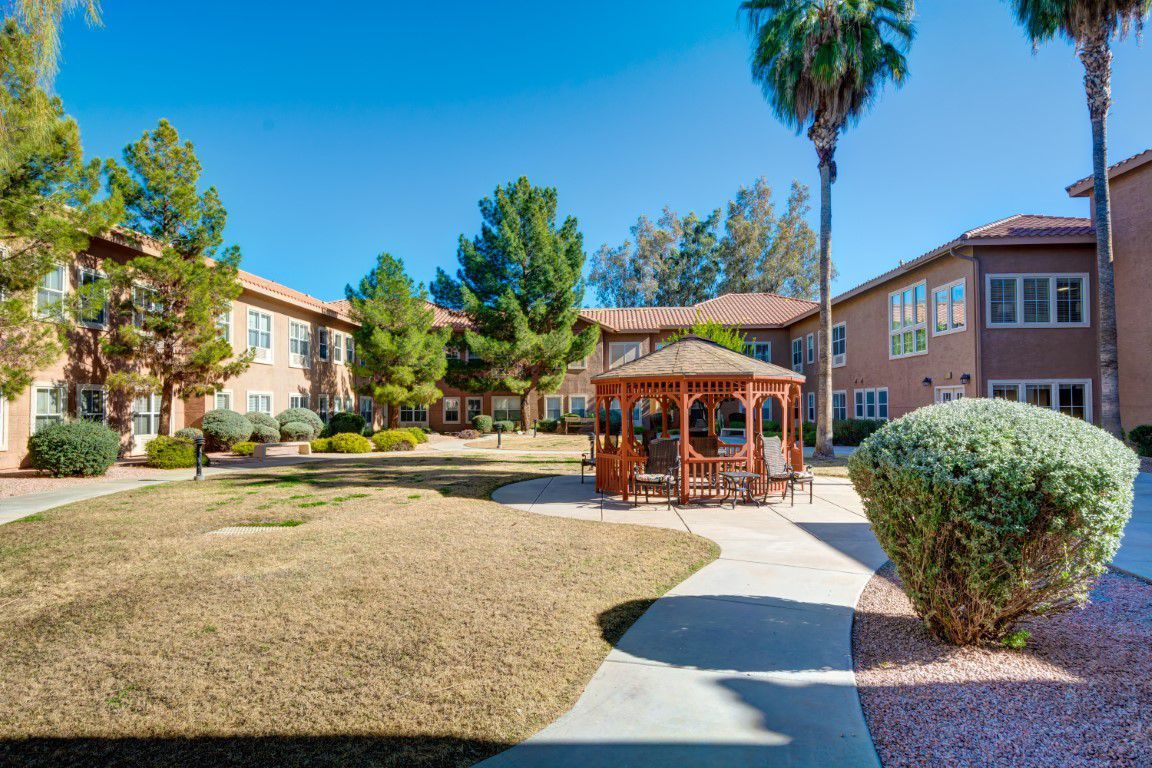
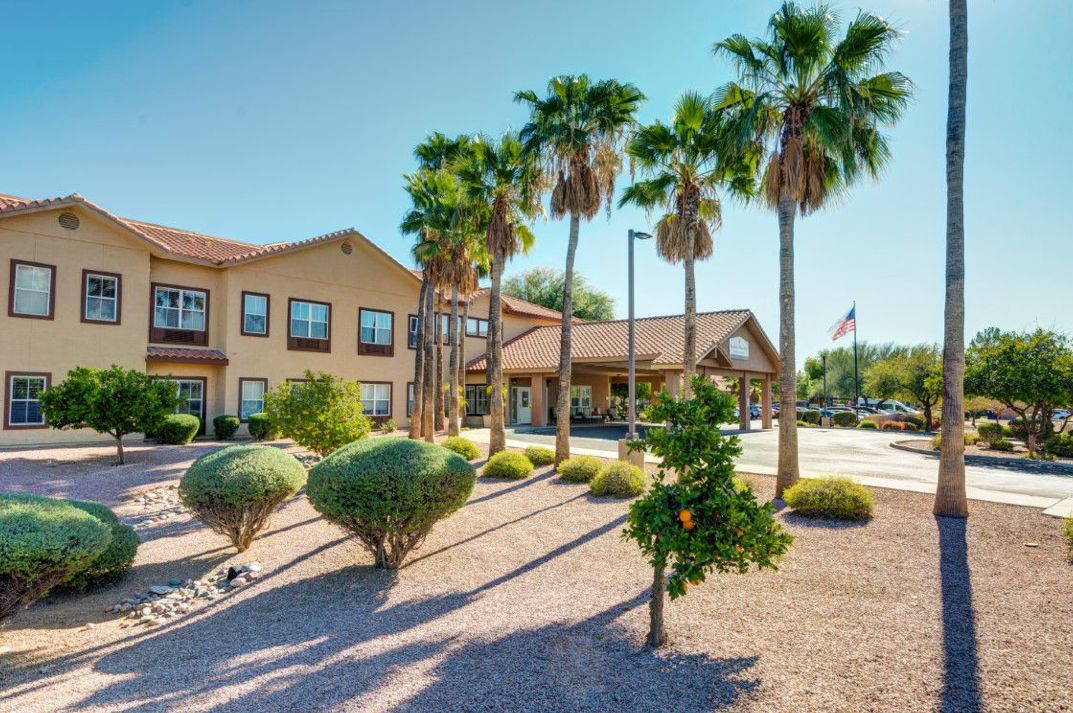
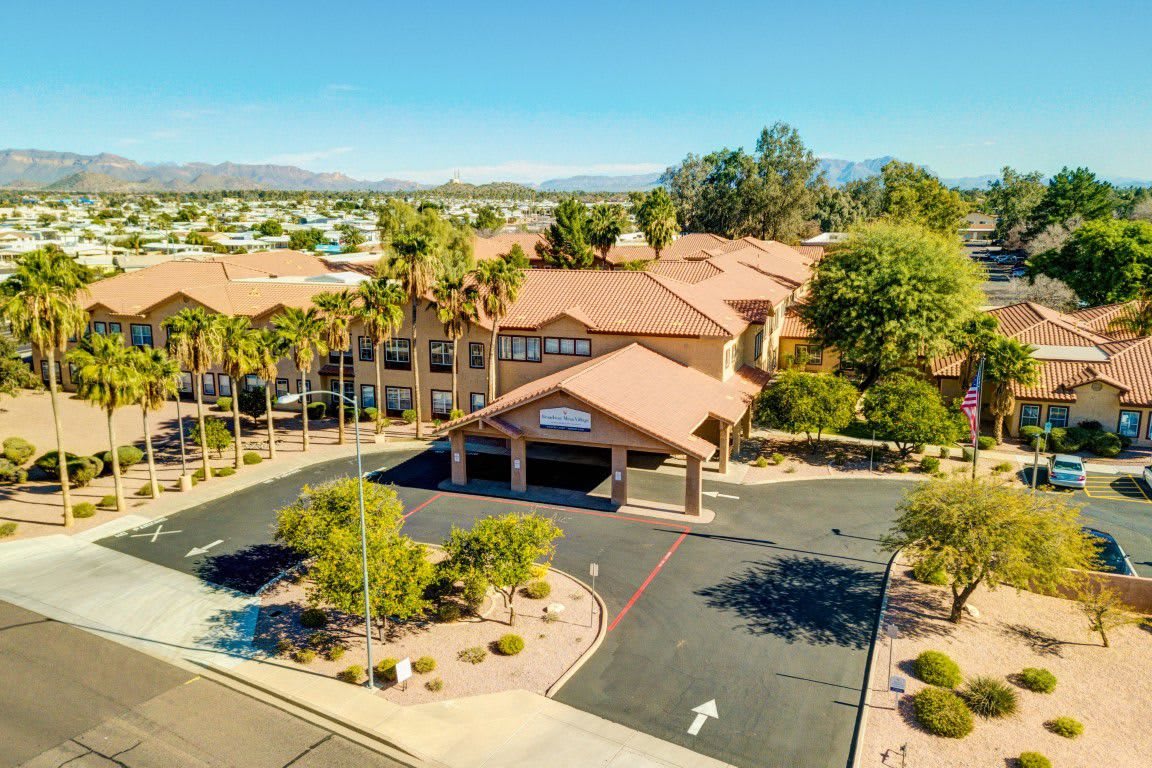
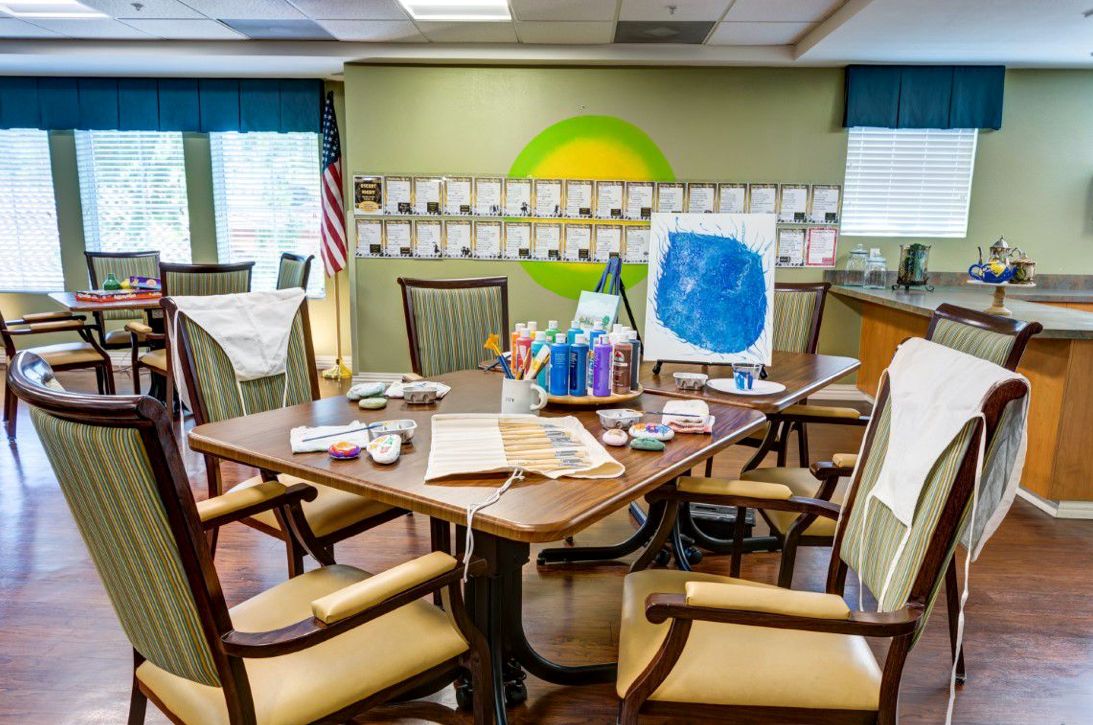
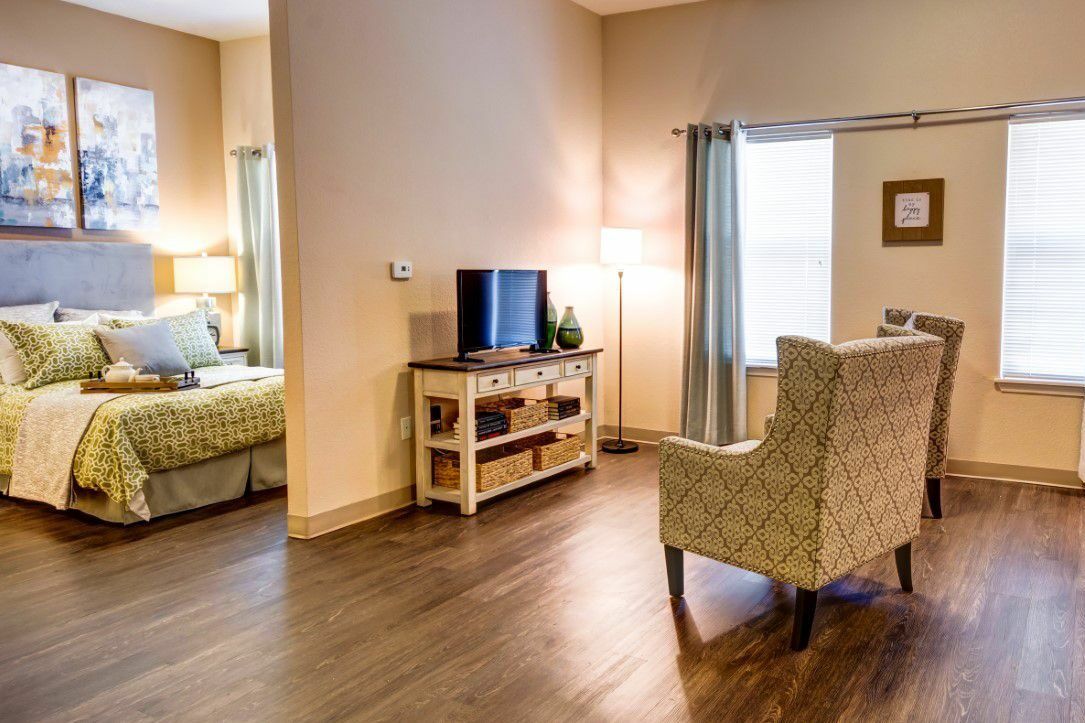
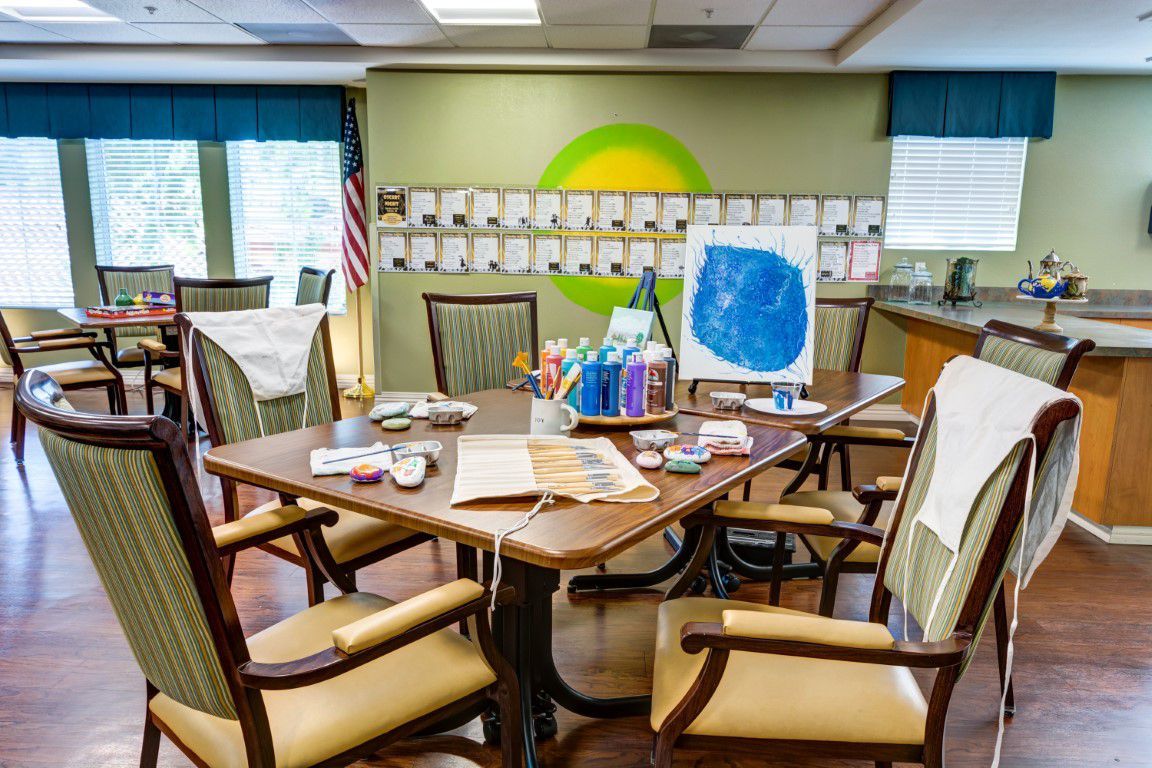
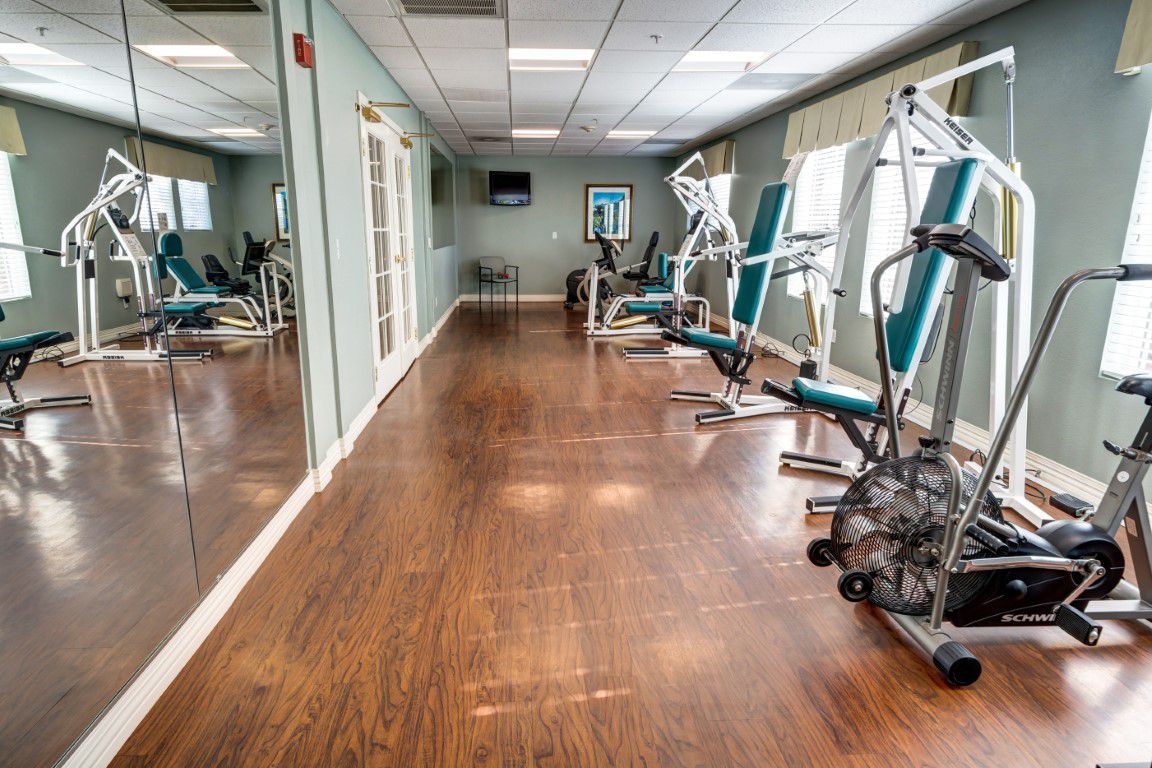
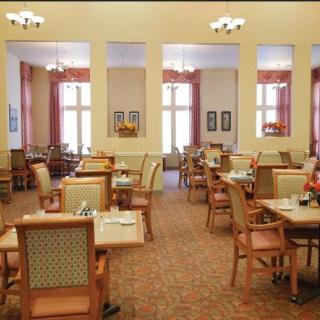
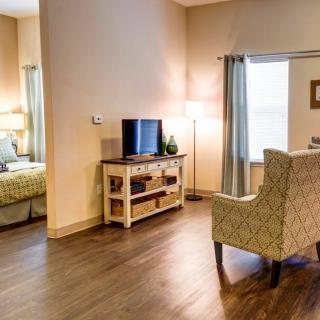
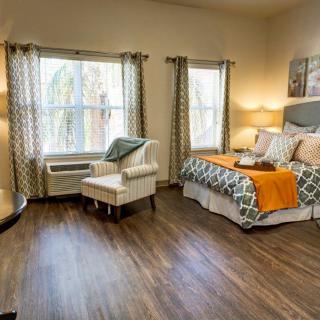
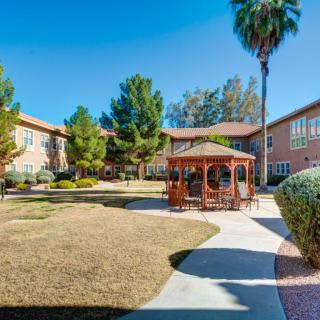
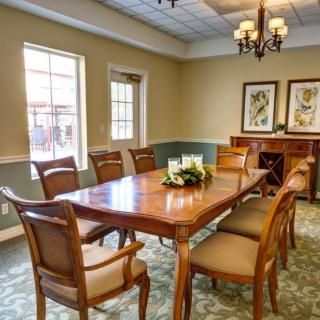
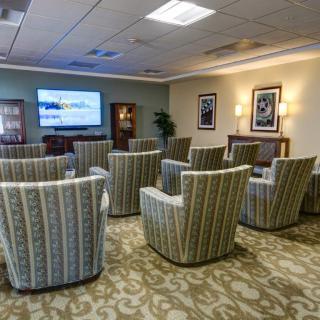
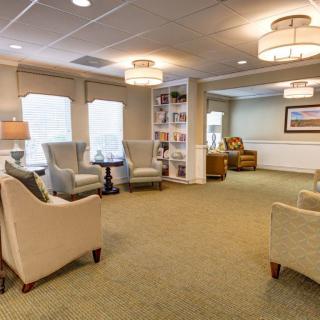
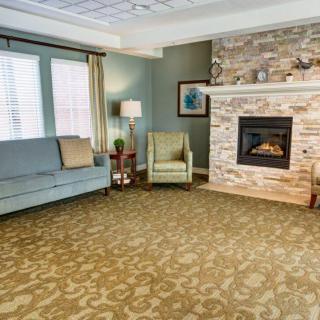
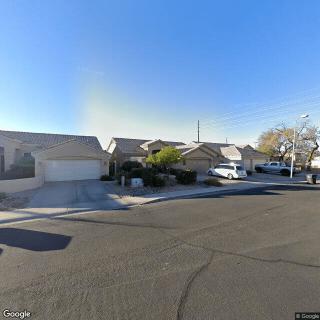
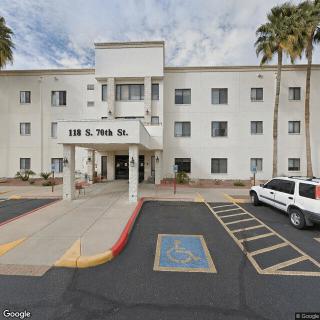
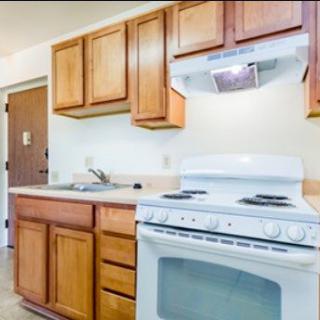
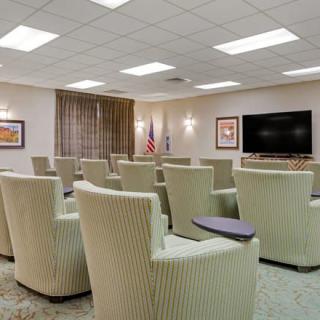
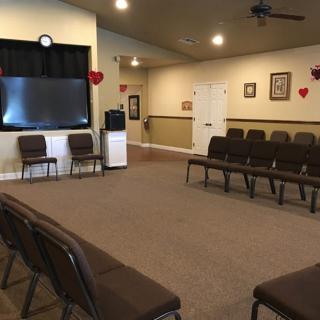
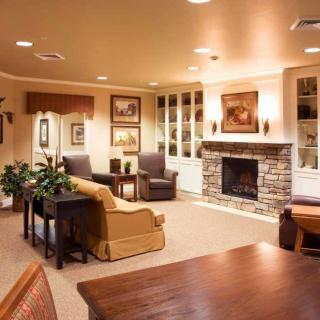
Broadway Mesa Village on seniors.fyi includes 50 photos including images showing interior, bedroom, decor, windows, living room, dining, artwork, building, and more.
Nearby Communities
Springdale Village
Mesa, AZ
3.9 from 178 reviews
$2,450 to $3,050 / month
Attentive management with responsive staff, clean facilities, and affordable dining with engaging activities.
Happy Haven Springdale
Mesa, AZ
$2,200 to $2,500 / month
Competitive memory care pricing relative to Maricopa County and Arizona averages; offers memory care with respite stays.
Happy Haven Of Mesa
Mesa, AZ
Personalized, attentive care in a cozy, small-community setting.
Christian Care Manor Fellowship Square
Mesa, AZ
Faith-based programming with 24/7 staff and diabetes care.
Christian Care Manor IV
Mesa, AZ
4.1 from 7 reviews
Beautiful, well-maintained building with landscaped courtyards and extensive on-site amenities.
Reflections At Fellowship Square Mesa
Mesa, AZ
5 from 1 review
Comprehensive respite care with 24?hour supervision, medication management, and engaging on-site amenities.
Brookdale Springs Mesa
Mesa, AZ
4.4 from 153 reviews
$2,295 to $4,845 / month
Friendly, attentive staff and a warm, social community with restaurant-style dining.
Arbor Rose Senior Care
Mesa, AZ
4.1 from 102 reviews
$3,195 to $3,895 / month
Caring staff in a clean, home-like setting with good meals and engaging activities.
Silver Creek Inn Memory Care
Mesa, AZ
4.4 from 85 reviews
$6,500 to $7,800 / month
Compassionate, service-oriented staff with strong family communication and engaging memory-care activities.
Alzheimer’s disease is a progressive neurological disorder that significantly impacts memory and cognitive functions, accounting for 60-80% of dementia cases, with early diagnosis being crucial yet challenging. It involves brain changes like beta-amyloid plaques and tau tangles, influenced by genetic and lifestyle factors, and while there is no cure, symptom management and support for caregivers are essential.
Dementia, influenced by aging and certain medications, may be exacerbated by drug classes such as anticholinergics, benzodiazepines, and antipsychotics, which are associated with cognitive impairment. Regular medication reviews by healthcare professionals are crucial for older adults to manage risks and optimize cognitive health.
Dementia often results in disrupted sleep patterns, leading to excessive daytime sleeping due to factors like brain damage affecting circadian rhythms, medication side effects, and lack of structure in daily activities. Caregivers must monitor these changes closely, as oversleeping can increase risks such as malnutrition or dehydration, and provide necessary support and routines to enhance patient engagement and well-being.
Get PricingAsk A QuestionSchedule A TourContact Senior Advisor
By clicking submit, you agree to our Partner's Terms of Use. You
also consent to receive calls and texts, which may be autodialed, from our Partner. Your consent is not a condition to
using our Partner's service. Please visit our Partner's Privacy Policy for information about their privacy practices.














 127 resident community capacity
 1-bedroom apartments
 Assisted Living
 Memory Care
 Cats allowed
 Dogs allowed
 Activities off-site
 Air-conditioning
 Bath tubs
 Beautician on-site
 Cable or satellite TV
 Computer center
 Devotional services off-site
 Dining room
 Fitness room
 Full kitchen
 Fully furnished
 Gaming room
 Garden
 Ground floor units
 Guest parking
 Handicap accessible
 Housekeeping services
 Indoor common areas
 Laundry
 Move-in coordination
 Outdoor common areas
 Overnight guests
 Party space
 Pet friendly
 Private bathrooms
 Respite or short term stays offered
 Restaurant-style dining
 Small library
 Telephone
 VA Benefits Consultation
 Wellness center
 Wheelchair accessible showers
 Wi-Fi/high-speed internet available
 Phoenix Sky Harbor International (19 miles away)
 Community operated transportation
 12-16 hour nursing
 24-hour call system
 Assistance with bathing
 Assistance with dressing
 Assistance with transfers
 Diabetes diet
 Diabetic care
 Hospice waiver
 Incontinence care
 Medication management
 Mental wellness program
 Physical therapy
 Special dietary restrictions
 Transportation arrangement (medical)
 Art classes
 Concierge services
 Cooking classes
 Day trips and outings
 Educational speakers / life long learning
 Games
Games Happy hour
 Karaoke
 Live dance or theater performances
 Live musical performances
 Wii bowling
 Wine tasting
 English
 Attentive management with responsive staff, clean facilities, and affordable dining with engaging activities.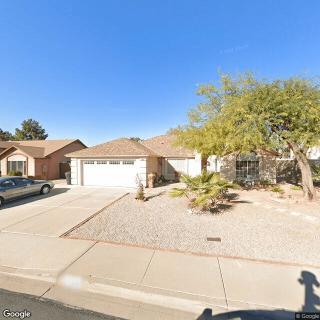


 Illuminating Insights About Alzheimer's Disease: Ten Crucial Realities
 A Thorough Discussion of Medications Potentially Linked to Dementia Risk
 Why Do Dementia Patients Sleep So Much? Understanding Oversleeping, Stages, and Care Approaches