
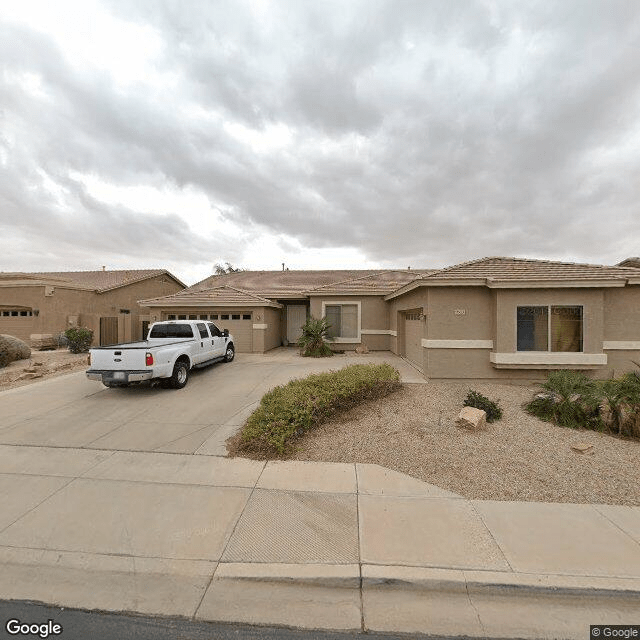
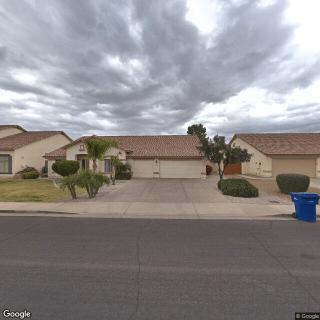
9533 E. Meseto Ave., Mesa, AZ 85209
To contact a resident: (480) 529-4625
For more information about senior living options: (866) 208-4318
Ashley's Assisted Living Costs & Pricing
At Ashley's Assisted Living, residents can expect competitive pricing compared to the broader market in Maricopa County and throughout Arizona. For a semi-private room, the monthly cost is $1,900, significantly lower than the county average of $2,801 and the state average of $2,820. Similarly, those opting for a private room will pay $2,800 at Ashley's, which is more affordable than both the county average of $3,318 and the state average of $3,345. These rates reflect Ashley's commitment to providing quality care at an accessible price point in comparison to regional standards.
| Floor plans | Ashley's Assisted Living | Maricopa County | Arizona |
|---|---|---|---|
| Semi-Private | $1,900 | $2,801 | $2,820 |
| Private | $2,800 | $3,318 | $3,345 |
Senior living communities with a similar price nearby
-
About the same

Home Instead - Fountain Hills, AZ
$1,945 to $3,525 / month17.5 miles away -
About the same
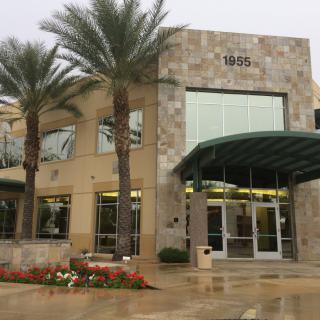
Endeavor Senior In-Home - Mesa
$1,861 / month9.5 miles away -
from +$100 / mo
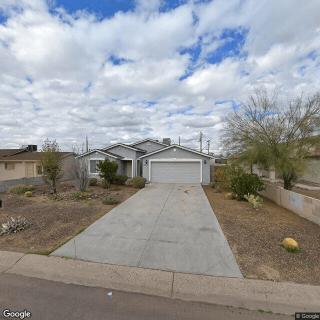
Garcia's Assisted Living Home LLC
$2,000 / month22.9 miles away -
from +$100 / mo
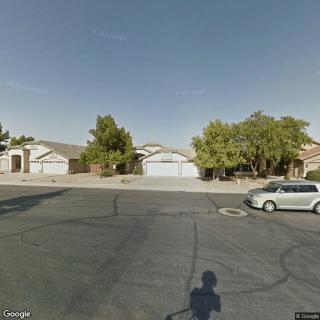
Santo Nino Villas 2
$2,000 to $2,300 / month11.0 miles away -
from +$100 / mo
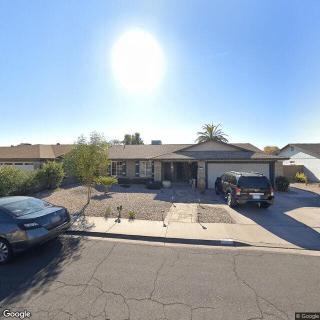
Martha Bonilla Care Loving Home
$2,000 to $2,200 / month12.7 miles away
Overall Review of Ashley's Assisted Living
Pros
 The owner was friendly.
- The caregiver looked nice.
Cons
 The residents are very old.
- The Indian caregiver's English was not good.
- The dark hallway by the bedroom needs painting.
- The bulbs in the hallway are burned out.
- The residents are all in rooms or beds.
Review
Ashley’s Assisted Living in Mesa is best suited for families seeking a simple, unpretentious setting where a hands-on owner can be a dependable point of contact. The community reads as a small, quiet operation with an emphasis on direct oversight rather than high-end amenities or a bustling activity calendar. The residents described are very advanced in age, and the atmosphere suggests a calm, low-stimulation environment where care is provided in a straightforward, no-frills fashion. For families that value a familiar, approachable owner and a predictable routine over polished surroundings, this option can fit.
Those who may want to consider alternatives are families that prioritize strong English-speaking staff, robust social programming, and a more modern or well-maintained physical space. If clear, seamless communication with caregivers is essential, or if residents require more varied activities, diversified engagement, or brighter, more inviting common areas, other Mesa communities will likely meet those needs better. Similarly, if maintenance and upkeep, such as well-lit hallways and fresh paint, are nonnegotiable, it is prudent to explore options with more proactive, multi-person oversight and visible investment in the environment.
The key positives here center on personal leadership and a calm setting. The owner’s friendliness is a tangible asset, offering a sense of accountability and a readily accessible administrator who can address concerns without mediation. A caregiver who presents as pleasant and attentive can translate into basic, reliable daily support. In a setting where residents tend to stay in their rooms, this personal touch can make the day-to-day feel safer and more predictable, reducing frenetic activity and helping families feel their loved ones are in a quiet, controlled space.
The main drawbacks, however, are consistently evident and meaningful for decision-making. A notable language gap with caregiving staff can hinder clear communication about needs, preferences, and changes in condition, which matters tremendously for ongoing care planning. Maintenance and ambiance issues, dark hallways, paint that needs attention, and burned-out bulbs, signal aging facilities that can feel neglectful or unwelcoming. The fact that residents are described as “all in rooms/bed” suggests limited common-area engagement and fewer opportunities for social interaction, activities, or spontaneous supervision, which can be a drawback for seniors who benefit from gentle stimulation or oversight beyond their private spaces.
In weighing the balance, the pros do not fully offset the cons for families seeking active engagement, modern facilities, or seamless communication. The personal, owner-led model stabilizes a basic level of care and offers a trusted point of contact, but it does not substitute for a well-staffed, linguistically aligned team or for a facility that keeps the environment bright, inviting, and regularly refreshed. For residents with higher needs for social programming, mobility assistance, or real-time, multilingual communication, the shortcomings become more consequential and the overall value diminishes.
Practical guidance for families considering Ashley’s is to visit with a clear checklist in hand. Ask about the staff mix and language capabilities, and request to meet caregivers who would be assigned to their loved one. Inquire about daily routines, activity options, and transportation or outings, even if they are modest. Inspect common areas and lighting, request a tour of resident rooms, and assess whether maintenance concerns are addressed on a regular schedule. Compare this option against other Mesa communities that offer stronger activity programming, brighter interiors, and more robust multilingual communication. The bottom line: Ashley’s Assisted Living may work for a budget-conscious family prioritizing a personable owner and a quiet, home-like feel, yet for those seeking more dynamic engagement, clearer communication, and a brighter, better-maintained environment, alternatives should be actively explored.
 Board and Care Home
 Cats allowed
 Dogs allowed
 Activities on-site
 Bath tubs
 Beautician on-site
 Private
 Private bathrooms
 Respite or short term stays offered
 Wheelchair accessible showers
 Phoenix Sky Harbor International (22 miles away)
 Diabetic care
 High acuity care
 Meals provided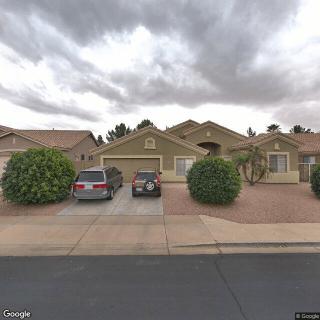

 Urinary Tract Infections in Older Adults: Comprehensive Insights on Symptoms, Treatment, and Prevention
 California's Form 602A: An In-Depth Examination of Senior Care Assessment
 Comprehensive Look at Senior Blood Pressure Charts: Normal and Elevated Levels by Age