
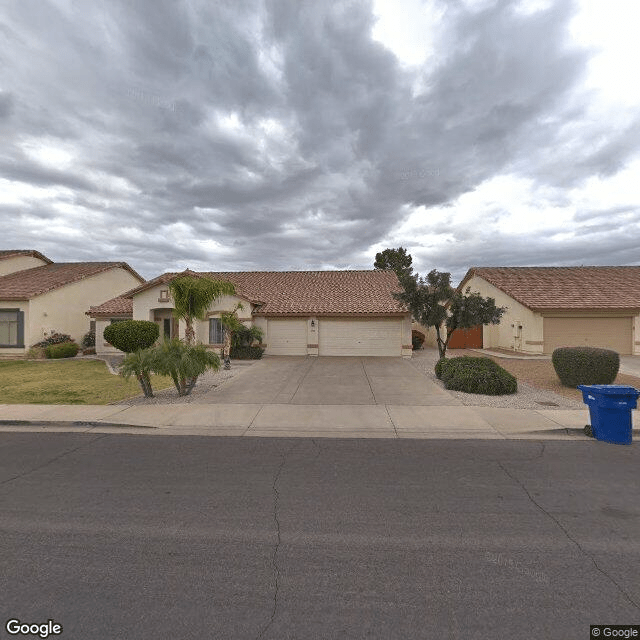
9452 E Jacob Avenue, Mesa, AZ 85209
To contact a resident: (480) 588-6176
For more information about senior living options: (866) 208-4318
Bright Valley Grouphome, LLC Costs & Pricing
Bright Valley Grouphome, LLC offers competitive pricing for its residents, particularly when compared to both Maricopa County and the broader Arizona state averages. For a semi-private room, Bright Valley's monthly rate of $2,300 is notably lower than the county's average of $2,801 and the state's average of $2,820, making it an attractive option for those seeking affordability without compromising on quality care. Similarly, their private rooms are priced at $2,800, which also undercuts the Maricopa County average of $3,318 and the state average of $3,345. This positioning highlights Bright Valley Grouphome as a cost-effective choice for individuals or families looking for supportive residential care in a welcoming environment.
| Floor plans | Bright Valley Grouphome, LLC | Maricopa County | Arizona |
|---|---|---|---|
| Semi-Private | $2,300 | $2,801 | $2,820 |
| Private | $2,800 | $3,318 | $3,345 |
Memory care communities with a similar price nearby
-
from +$200 / mo
La Bella Vita ALH
$2,500 to $7,000 / month2.7 miles away -
from +$100 / mo
Golden Touch One Adult Care Home
$2,400 to $5,800 / month11.5 miles away -
from -$300 / mo
Santo Nino Villas 2
$2,000 to $2,300 / month11.4 miles away -
from -$300 / mo
Angel's Adult Group Home
$2,000 to $3,000 / month21.2 miles away -
About the same

Windsor Luxury Assisted Living, LLC
$2,255 to $5,950 / month22.1 miles away
Overall Review of Bright Valley Grouphome, LLC
Pros
 The environment is described as acceptable.
- Residents look forward to meals.
Cons
 The care staff language barriers prevent residents from communicating their needs.
- The staff does not attempt to engage residents in any way.
- There are no planned activities, making the days long and boring for residents.
- The meals, the only thing residents have to look forward to, are prepared by unskilled staff and are of poor quality.
- Medication administration is questionable; staff was unable to locate the requested medication and reportedly borrowed from another patient.
- Feedback is not solicited, and when provided, residents are asked to leave.
Review
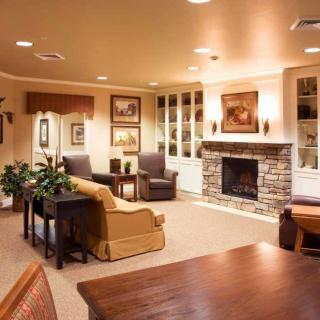
Bright Valley Grouphome, LLC in Mesa, AZ is best suited for residents who can weather a largely self-directed daily routine with minimal hands-on care. The reviews present a consistent reality: the setting may look acceptable on the surface, but the actual care experience for residents is markedly limited. Language differences between care staff and residents impede communication of needs, so physical, emotional, and medical requirements often go voiced or unaddressed. There is little to no proactive engagement from staff, and no structured activities anchor the day. For a senior who can self-advocate, tolerate basic meals, and avoid needing routine assistance, this environment may suffice; for anyone expecting reliable support or meaningful interaction, it falls short.
Those considering alternatives should note that this community is likely unsuitable for residents who require dependable medication management, assistance with mobility, or regular social programming. Families should compare options that promise multilingual staff, clear care plans, and scheduled activities that actually occur. If a loved one depends on timely medication administration, complex dietary needs, or safety supervision, other Mesa options with stronger staffing, better staff-resident engagement, and active programming will deliver more protection and higher quality of life.
On the few positive notes, meals are described as the only routine touchstone residents can look forward to, but even this is compromised. The meals are said to be prepared by unskilled staff and suffer from poor planning and quality. The claim of an “acceptable environment” rings hollow when paired with language barriers and a complete lack of resident engagement. Nutrition may be inconsistent, and dinner conversations or social interaction around meals simply do not occur. If food quality is a deciding factor, there is little reassurance here because the culinary experience does not compensate for broader care gaps.
More troubling are safety and care-process concerns. Medication administration is described as questionable, including an incident where a requested medication could not be located and a dose was borrowed from another patient. This signals a systemic risk in everyday health management and raises red flags about record-keeping, inventory control, and the overall commitment to resident welfare. When staff cannot reliably locate medications or adhere to basic safety protocols, the consequences extend beyond frustration to potential harm. In short, core caregiving tasks appear unreliable, and that undermines confidence across the board.
Practical decision guidance follows. Prospective families should press for a transparent staffing profile, including language capabilities and per-shift ratios, and should observe actual staff-resident interactions during a tour. Request a complete, written activity calendar and proof of ongoing programming; ask how meals are planned and who oversees dietary compliance. Demand to see the facility’s medication-management policies, storage methods, and incident reports related to medication errors. If possible, arrange a trial stay or a clear discharge plan, and speak with current residents or families about day-to-day realities to corroborate the official narrative. The aim is to verify that promises align with daily practice before any commitment is made.
Bottom line: Bright Valley Grouphome, LLC should be a last-resort option for anyone who requires reliable care, strong communication, and lively, structured activity for well-being. It may serve as a place of shelter for someone with very minimal needs, but for most seniors and families prioritizing safety, responsiveness, and quality of life, better alternatives in the Mesa area offer far more protection and dignity. When evaluating, focus on concrete criteria: caregiver communication, medication reliability, activity programming, and resident feedback mechanisms. If those elements cannot be assured, the prudent move is to continue the search until a facility with proven engagement and safer medication practices is found.
 Board and Care Home
 Memory Care
 Private
 Phoenix Sky Harbor International (22 miles away)
 Diabetic care
 Incontinence care

 When to Transition from Assisted Living to Memory Care: Key Indicators, Steps, and Finding the Right Community
 Understanding the Distinctions: Assisted Living and Memory Care Explained
 How to Communicate with a Loved One Living with Dementia: 10 Supportive Strategies