
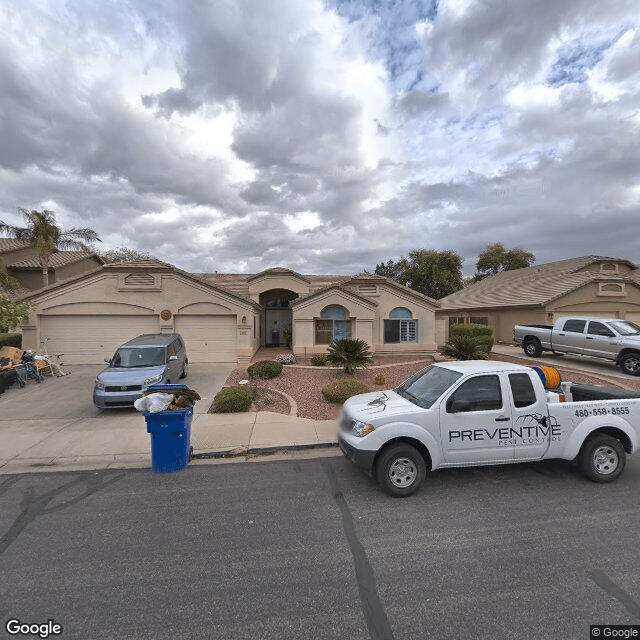
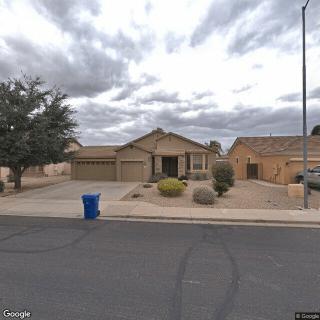
9716 East Pampa Avenue, Mesa, AZ 85212
For more information about senior living options: (866) 208-4318
Arizona Premier Adult Care II Costs & Pricing
Arizona Premier Adult Care II offers a range of living accommodations at competitive prices relative to both Pinal County and the broader state of Arizona. For semi-private rooms, the monthly rate is $3,000, which surpasses the county average of $2,798 yet remains slightly below the state average of $2,820. Private rooms are available for $3,500, exceeding both the county's average of $3,209 and the state's average of $3,345. The facility also provides one-bedroom options priced at $4,000 per month; this is notably higher than Pinal County's average of $3,659 but aligns closely with Arizona's overall average of $3,532. These rates reflect not just accommodation costs but also the quality and personalized care that residents can expect at Arizona Premier Adult Care II.
| Floor plans | Arizona Premier Adult Care II | Pinal County | Arizona |
|---|---|---|---|
| Semi-Private | $3,000 | $2,798 | $2,820 |
| Private | $3,500 | $3,209 | $3,345 |
| 1 Bedroom | $4,000 | $3,659 | $3,532 |
Memory care communities with a similar price nearby
-
from -$500 / mo

La Bella Vita ALH
$2,500 to $7,000 / month3.6 miles away -
About the same
Desert Winds I
$3,000 to $3,800 / month11.2 miles away -
from +$500 / mo
Jim & Patti Jones II
$3,500 to $4,500 / month11.6 miles away -
About the same
Altercare Assisted Living Home
$3,000 to $3,500 / month3.0 miles away -
from -$500 / mo
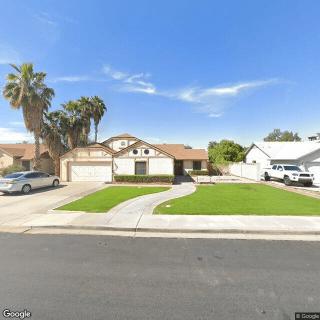
Villa Jean
$2,500 to $3,000 / month13.1 miles away
Overall Review of Arizona Premier Adult Care II
Pros
 A Place for Mom is praised for helping families find a caring residential home for their loved ones.
- The community is described as caring, patient, and attentive, treating residents with kindness, dignity, and respect.
- Families gain peace of mind knowing their loved ones are well cared for at Arizona Premier Adult Care, with staff doing a phenomenal job.
- Amanda's Home Care is cited as one of the cleanest group homes in the valley, with organized staff and compassionate associates that make it feel like home.
- The staff are extremely attentive to individual residents and consistently deliver a very good job.
Review
Arizona Premier Adult Care II in Mesa is best suited for families seeking a warm, home-like residential care option where an elder benefits from highly personalized attention, steady routines, and a culture of dignity. This is a small, caregiver-driven setting rather than a sprawling campus, and that intimate scale translates into consistently known faces, breathable predictability, and a sense of safety. For seniors who value respectful treatment, patient listening, and a calm, clutter-free environment, this community provides a compelling fit. The staff’s focus on kindness and respectful care creates a peace of mind for families that their loved one is not just cared for but truly treated as part of a family.
Those considering alternatives should note a few caveats. If a resident requires around-the-clock skilled nursing, complex medical management, or dementia-specific programming with structured, evidence-based activities, a larger facility or a memory-care-focused community may serve better. Similarly, families seeking a robust, multi-faceted activities calendar with frequent outings or extensive on-site amenities might find options with greater programming responsiveness more suitable. This setting excels in daily attentiveness and a home atmosphere, but it is not positioned as a medical-oriented or highly programmatic campus.
On the upside, the strongest pros center on staff performance and the resident experience. Reviews consistently highlight caring, patient, and attentive caregivers who treat residents with kindness, dignity, and respect. Families gain reassurance from the pace and tone of care, and residents benefit from a sense of safety and personal connection that reduces anxiety and confusion. Cleanliness and organizational discipline repeatedly surface as standout strengths, staffing appears orderly, routines are well managed, and the environment feels well maintained. The sentiment that the home-like atmosphere actually feels like home is a meaningful differentiator for families assessing comfort and belonging as core goals.
Where measured against potential drawbacks, the positives more than hold their own. The absence of reported negatives in multiple reviews is itself a strong signal: the core care relationship, trustworthy staff, individualized attention, and a tidy, predictable daily rhythm, addresses the most common concerns families have about residential care. A minor caveat is that one review notes limited information about activities, simply because a loved one has not been there long enough to comment. That gap, however, does little to undermine the overall impression of consistent, high-quality caregiving, since the primary value here is attentive, respectful routine care rather than a heavy emphasis on programming.
Practical steps for families evaluating this community are straightforward and prudent. Arrange a firsthand visit and observe how staff interact with residents, noting whether conversations feel individualized and whether care tasks happen with dignity and patience. Inquire about staffing ratios, training, and the process for updating care plans, including medication administration and emergency procedures. Ask for a clear breakdown of what services are included versus available as add-ons, and request references from other families who can speak to longevity and continuity of care. Lastly, discuss cost, long-term affordability, and what transition options exist if needs change, ensuring alignment with expectations about independence, safety, and daily routine.
In the decision framework, Arizona Premier Adult Care II stands out for families prioritizing warmth, personal attention, and a sense of “home” above all else. It is particularly well suited for seniors who thrive when caregivers know their preferences, who value consistent, compassionate interaction, and who do not require intensive medical oversight. Those who need highly medicalized support, memory-care-centric programming, or expansive activity schedules may want to explore alternatives with stronger on-site nursing, structured dementia programs, or broader social programming. When prioritizing dignity, steady routine, and a caregiver-driven culture, this Mesa community earns strong confidence and should be a leading consideration.
 10 resident community capacity
 Assisted Living
 Board and Care Home
 Day Program
 Memory Care
 Respite Care
 Cable or satellite TV
 Dining room
 Fully furnished
 Garden
 Housekeeping services
 Move-in coordination
 Outdoor space
 Private
 Telephone
 Wi-Fi/high-speed internet available
 Phoenix Sky Harbor International (23 miles away)
 24-hour supervision
 Assistance with bathing
 Assistance with dressing
 Assistance with transfers
 Diabetes diet
 Diabetic care
 High acuity care
 Incontinence care
 Meal preparation and service
 Medication management
 Special dietary restrictions
 Transportation arrangement (medical)
 Transportation to doctors appointments

 Understanding Dementia Behaviors: Practical Insights and Strategies for Caregivers
 When Dementia Sparks Anger and Aggression: Understanding the Connection and Ways to Cope
 Dementia Behaviors: In-Depth Understanding and Effective Coping Strategies