

640 E. Draper St., Mesa, AZ 85203
To contact a resident: (480) 655-0505
For more information about senior living options: (866) 208-4318
Amore Assisted Living Home, Inc Costs & Pricing
Amore Assisted Living Home, Inc offers a competitive rate for its private room accommodations at $2,000 per month, which significantly undercuts the average costs observed in both Maricopa County and throughout Arizona. In Maricopa County, the typical monthly expense for similar services is approximately $3,318, while statewide averages reach around $3,345. This substantial difference highlights Amore Assisted Living Home's commitment to providing quality care at an accessible price point, making it an attractive option for those seeking affordable assisted living solutions without compromising on service quality.
| Floor plans | Amore Assisted Living Home, Inc | Maricopa County | Arizona |
|---|---|---|---|
| Private | $2,000 | $3,318 | $3,345 |
Senior living communities with a similar price nearby
-
About the same

Home Instead - Fountain Hills, AZ
$1,945 to $3,525 / month13.4 miles away -
from -$139 / mo

Endeavor Senior In-Home - Mesa
$1,861 / month2.7 miles away -
About the same
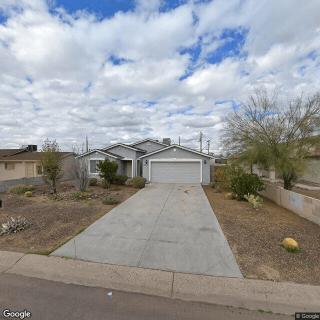
Garcia's Assisted Living Home LLC
$2,000 / month11.9 miles away -
About the same

Santo Nino Villas 2
$2,000 to $2,300 / month9.1 miles away -
About the same
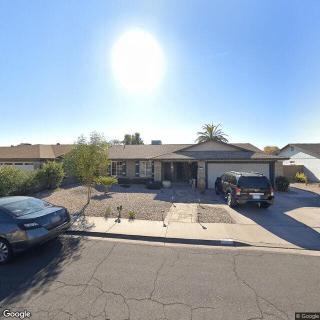
Martha Bonilla Care Loving Home
$2,000 to $2,200 / month4.3 miles away
Overall Review of Amore Assisted Living Home, Inc
Cons
 They were rude and only cared about money.
- They wouldn’t allow visitors for the grandmother.
- The staff allegedly gave her the virus and she passed away.
- They wanted to keep the last check because her belongings remained there for another week.
- They never apologized.
- The reviewer would not recommend this place.
Review
This community is best suited for families where cost is the paramount consideration and where the family is prepared to take a highly proactive, hands-on role in oversight. In Mesa, Amore Assisted Living Home presents itself as a budget-conscious option, but the recent experience underscores that affordable care here often comes at the expense of responsive, respectful day-to-day operations. Prospective families with the tolerance and resources to advocate on behalf of a loved one, regular check-ins, clear sign-offs on care, and swift escalation of concerns, may consider it only if these realities are non-negotiable.
Those who should seriously consider alternatives are families prioritizing dependable communication, compassionate staff, and a culture of accountability. The sole review paints a picture of staff mistrust, a perceived focus on revenue, and visitors being restricted in ways that undermine a resident’s quality of life. When care decisions hinge on timely updates, genuine empathy, and a transparent, resident-centered approach, exploring other options is prudent. Families that value consistent caregiver assignments, open family participation, and a track record of responsive problem-solving will likely find stronger matches elsewhere.
One potential positive noted is that meals are prepared on site, suggesting a degree of control over nutrition and dining routines. However, this modest upside is overwhelmed by the broader concerns. The negative feedback emphasizes rude interactions, a money-driven atmosphere, and a policy environment that limits family presence, all of which directly undermine trust in daily care. The on-site cooking does not compensate for the perceived lack of warmth, accountability, or responsiveness when issues arise, nor does it mitigate the distress associated with a resident’s illness and the handling of personal belongings after a serious incident.
The core cons, staff demeanor described as rude, a perceived prioritization of financial considerations over resident well-being, and visitation restrictions, have outsized effects on the resident experience. When a family member contracts or is exposed to illness within the facility, the situation becomes more fraught if staff communication is minimal and the emotional burden falls on relatives rather than on a cooperative care team. The report of a resident passing away and the subsequent handling of belongings, with little apparent apology and a desire to retain a resident’s belongings for an extended period, speaks to a breakdown in dignity, respect, and trustworthy service. Such patterns erode confidence that residents will be protected, supported, and treated with consideration during difficult times.
To evaluate this community thoroughly, prospective movers should insist on specifics: the staffing mix and turnover rates; caregiver-to-resident ratios across shifts; how meals are planned and what dietary accommodations are offered; the exact visitation policy and how family input is integrated into daily routines; the facility’s approach to infection control, incident reporting, and accountability; and a clear, customer-focused policy for handling residents’ belongings at discharge or after passing. Asking for recent audit or quality-of-care metrics, requesting to observe a mealtime and a shift change, and speaking with multiple families or residents about day-to-day interactions can reveal whether the environment truly supports safe, respectful care or merely pays lip service to resident well-being.
Bottom line: given the single, strongly negative review, Amore Assisted Living Home should be approached with great caution by families whose priorities include compassionate care, transparent communication, and respect for residents and their families. It is advisable to consider other local options first, comparing care quality, staff engagement, and family involvement across two or three competing communities. If this option is seriously considered, pair it with a rigorous, closely supervised care plan, explicit expectations documented in writing, and a commitment to rapid escalation of any concern. In most cases, safer, more reliable alternatives exist for families seeking peace of mind and a consistently respectful care environment.
 Board and Care Home
 Cats allowed
 Dogs allowed
 Private
 Phoenix Sky Harbor International (11 miles away)
 Diabetic care
 High acuity care
 Christian services
 Vibrant neighborhood with diverse dining, parks, and healthcare access.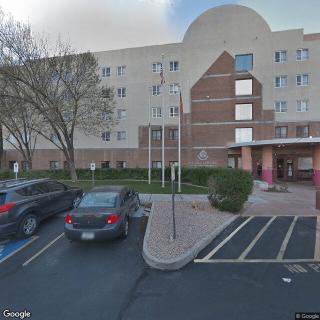



 Exploring Nonmedical Home Care: Understanding Services, Costs, and Financial Approaches
 Engaging Brain Games and Innovative Apps to Keep Senior Minds Active
 Effective Strategies for Keeping Seniors' Minds Active: A Deep Dive into Brain Games and Apps