
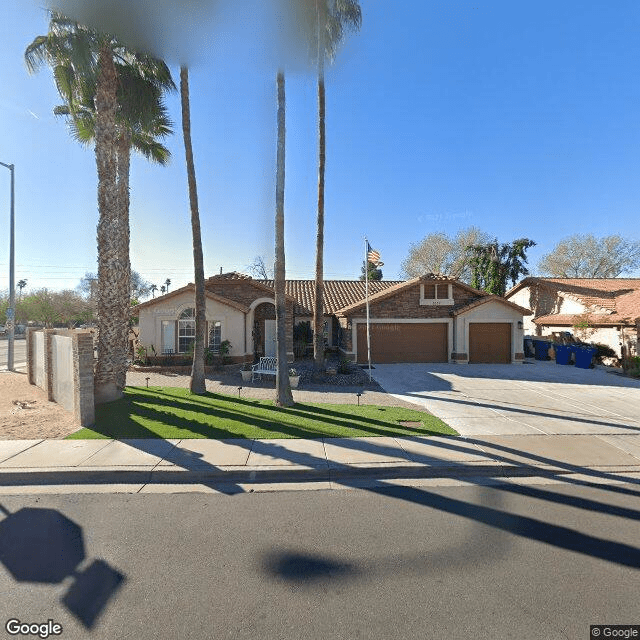
3557 E. Caballero St., Mesa, AZ 85213
To contact a resident: (480) 854-2853
For more information about senior living options: (866) 208-4318
Absolute Assisted Living Costs & Pricing
Absolute Assisted Living offers competitive pricing for its services compared to the broader market in Maricopa County and the state of Arizona. For a semi-private room, residents can expect to pay $3,000 per month, which is slightly above the county average of $2,801 but remains below the state average of $2,820. When it comes to private accommodations, Absolute Assisted Living charges $4,500 monthly, significantly higher than both the county average of $3,318 and the state average of $3,345. This pricing structure suggests that while Absolute Assisted Living may be positioned at a premium for private rooms, it still provides an attractive option for those seeking semi-private arrangements in a quality environment.
| Floor plans | Absolute Assisted Living | Maricopa County | Arizona |
|---|---|---|---|
| Semi-Private | $3,000 | $2,801 | $2,820 |
| Private | $4,500 | $3,318 | $3,345 |
Senior living communities with a similar price nearby
-
from -$200 / mo

Pinnacle Peak Assisted Living
$2,800 to $3,100 / month20.8 miles away -
from -$375 / mo

The Eldercare Home Of Tempe
$2,625 to $3,412 / month8.6 miles away -
About the same
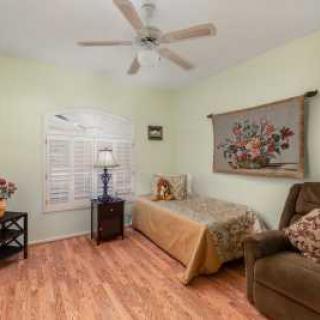
Endeavor AL I
$2,950 to $4,200 / month19.8 miles away -
from +$500 / mo
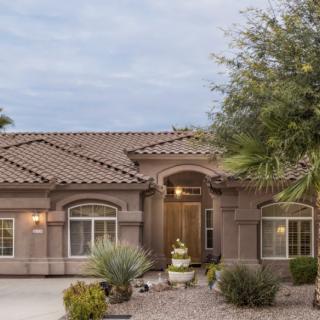
Endeavor AL II
$3,500 to $4,000 / month19.2 miles away -
from -$500 / mo

La Bella Vita ALH
$2,500 to $7,000 / month5.7 miles away
Overall Review of Absolute Assisted Living
Pros
 The Absolute Assisted Living facility offers lovely, excellent care.
- The staff are competent and intelligent.
- The facility provides excellent value for money and is clean.
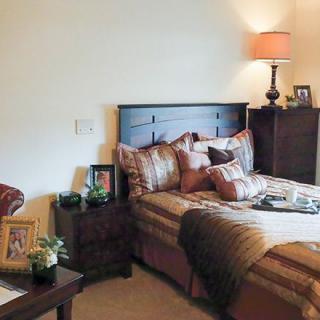
- The rooms are large, spacious, nicely decorated, and include a TV.
- Residents receive excellent care from friendly owners and staff.
- Families consistently praise the owners and caretakers as awesome and welcoming.
- The home makes residents feel at home with caring, attentive staff.
- The facility maintains a high level of staffing on site.
- The caregivers are loving and invested in residents' well-being.
- The home is immaculate and the meals are good.
- Meals are home-cooked, with three meals a day and tasty options.
- Housekeeping and laundry services are provided, and caregivers are certified.
- The home offers a variety of activities and celebrations, and coordinates hospice care when needed.
Cons
 There are no activities for residents; they’re left on their own.
 - It probably wouldn’t be the perfect place for someone with a handicap, due to lack of one-on-one attention.
- There isn’t enough staff, and caregivers don’t stay long, hurting the quality of care.
- Care is described as being all about the money, not the residents’ well-being.
- The owner and manager are said to yell and may ask families to leave if concerns are raised.
- Residents were not dressed properly (one example featured diapers) and were left in inappropriate conditions.
- Abusive behavior by the owner is alleged, with care not coming from the heart but from financial motives.
- There are claims of forced feeding and indecent exposure, with ongoing concerns about overall treatment.
- One review succinctly warns: “If you like lies and yelling, this is the place for you.”
Review
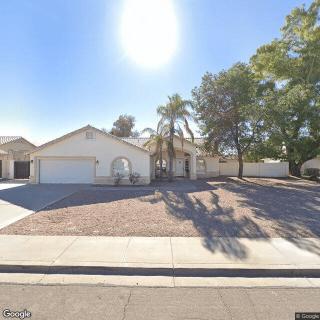
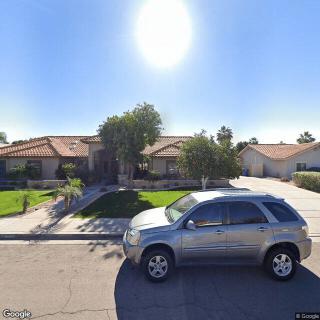
Absolute Assisted Living in Mesa, AZ is a small, private care home that excels for families seeking an intimate, home‑like environment where a tight-knit staff can deliver highly personalized attention. With around seven residents, it functions more like a family residence than a campus, and that scale translates into remarkable accessibility: caregivers who know each resident’s routine, meals cooked on site, and medication administration handled with obvious care. The setting is clean, rooms are spacious, and the owner-operator model fosters a sense of continuity and accountability that families often value. For residents who prioritize warmth, quick response times, and a neighborhood feel, this community can feel like the right fit. It is less clearly aligned with those who require ongoing, highly structured activity calendars or frequent, intensive rehab support.
The strongest warning signs appear for those who need robust programming and consistent, transparent governance. Several reviews describe experiences that raise red flags about management and staffing, yelling, questions met with defensiveness, and a perception that operations are “about the money.” A handful of families recount serious concerns about abuse or neglect and say that staff turnover left care gaps, sometimes after complaints were raised. Those patterns are especially consequential for residents with high medical acuity, dementia, or behavior management needs, where steady supervision and a well-documented care plan become nonnegotiable. In short, an alternative with stronger oversight and a more predictable staffing model should be the default consideration for families prioritizing safety and accountability.
Yet the program’s core advantages can meaningfully offset certain drawbacks for the right resident. The intimate scale often translates into very attentive, compassionate care, with owners who are repeatedly praised as “amazing” and deeply involved in residents’ well‑being. Families note that care feels personalized, and the facility’s medical coordination, medication management, a house doctor and nurse, and transport to appointments, works smoothly in practice. The physical environment supports comfort: a large, well-kept room, home-cooked meals with options, and a sense of belonging that makes grieving periods and transitions feel less abrupt. For residents who thrive on personal attention, quick problem resolution, and a sense of being part of a small, caring family, these strengths can outweigh the lack of formal programming.
For families weighing Absolute, a disciplined due-diligence checklist is essential. Insist on a candid tour that includes interaction with staff over a full day so that pace, responsiveness, and tone are observable, not just spoken about. Request concrete metrics: current staff-to-resident ratios, turnover rates, and how emergencies, night and weekend coverage included, are managed. Ask to review a sample care plan, eligibility for specialized services, and how activities are actually conducted on a weekly basis. Seek references from multiple families and request copies of any recent inspections. The objective is to verify that warmth and competency are paired with reliable systems, documentation, and governance rather than isolated goodwill.
Compared with larger Mesa facilities or nonprofit options, Absolute offers a clear trade-off: a more intimate, flexible living situation versus potentially thinner programming, less formal oversight, and variable staffing stability. For residents with complex medical needs, agitation issues, or a desire for a calendar-driven social life, alternative options with steadier staffing, dedicated activity directors, and clearer accountability will better serve long-term needs. Conversely, for someone who places a premium on a home atmosphere, strong caregiver relationships, and quick, personalized responses, Absolute can remain highly appealing, as long as due diligence confirms that the management dynamics and staffing stability won’t undermine daily safety and ongoing quality of life.
Bottom line: Absolute Assisted Living is a viable choice for families prioritizing warmth, personalized care, and a compact, home‑like setting. It is less suitable for those who require consistent, high‑acuity supervision, a predictable activities program, or transparent governance without question. The positive experiences around caregiving quality, family warmth, and medical coordination are compelling, but the serious negative reports demand thorough investigation. Prospective residents should prioritize direct observation of daily operations, confirm staffing stability, and compare with alternatives that offer stronger governance and more robust activity structures. If those assurances cannot be obtained, the prudent move is toward a community with clearer oversight and a more predictable program, even if it means sacrificing the intimate, family-style appeal that makes Absolute distinctive.
 Board and Care Home
 Cats allowed
 Dogs allowed
 Private
 Private bathrooms
 Phoenix Sky Harbor International (14 miles away)
 Diabetic care
 High acuity care

 8 Essential Assistive Devices for Older Adults
 Navigating the Financial Road to Nursing Home Care: In-Depth Guidance and Resources
 Supportive Employee Benefits That Help Caregivers Attain Better Work-Life Harmony